Carlo Antonio Procaccini (Bologna, 1571 – Milan? after 1628)
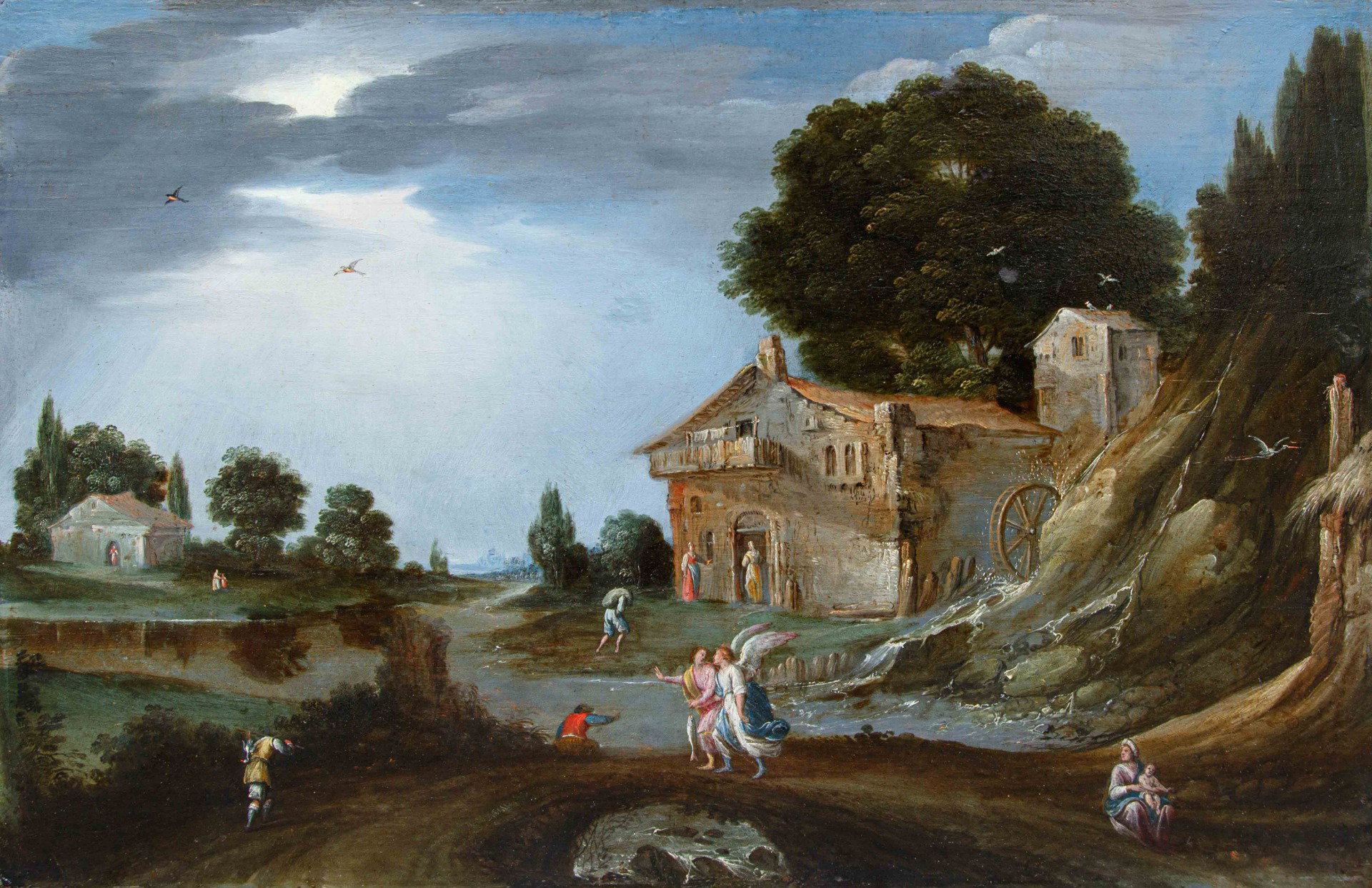
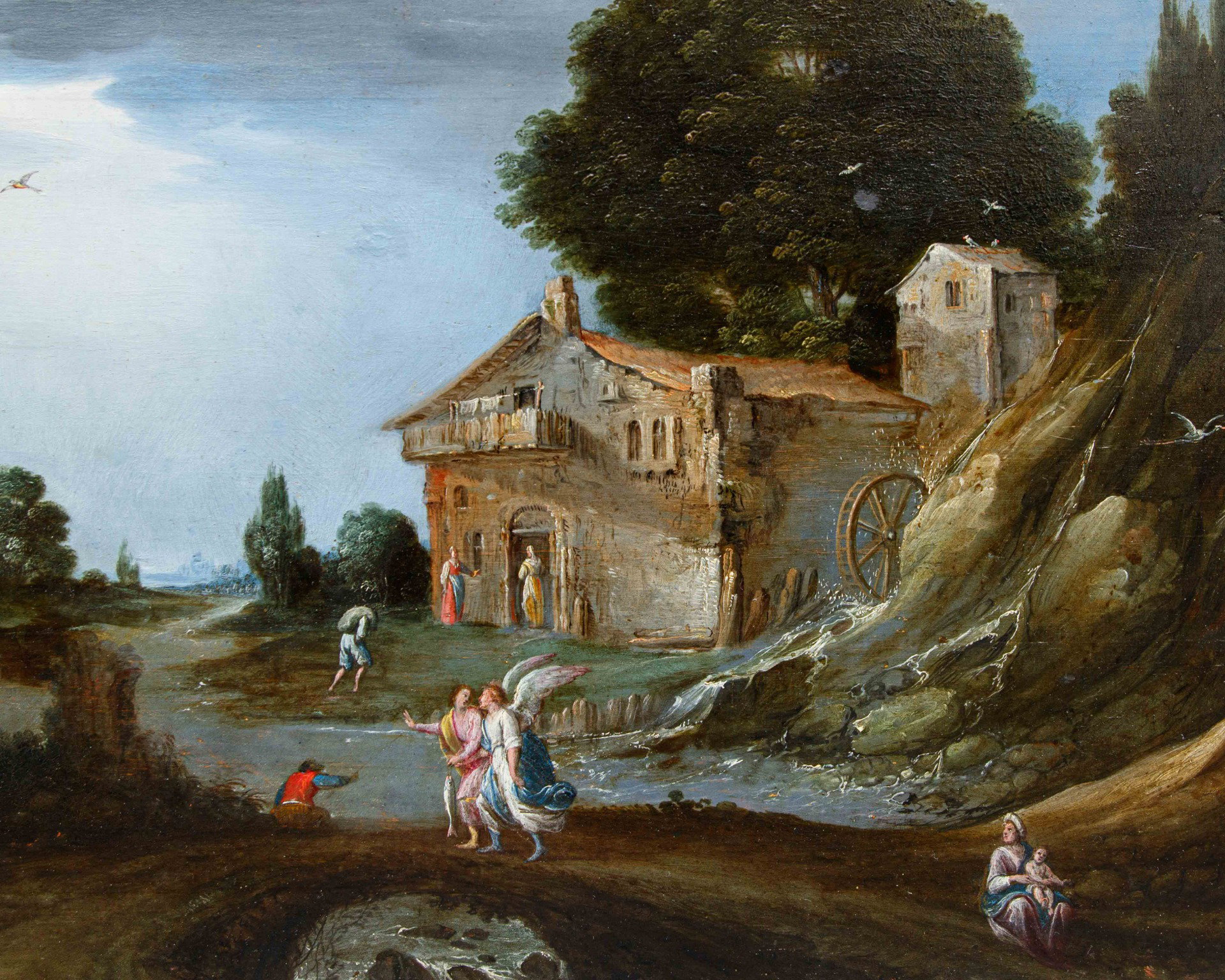
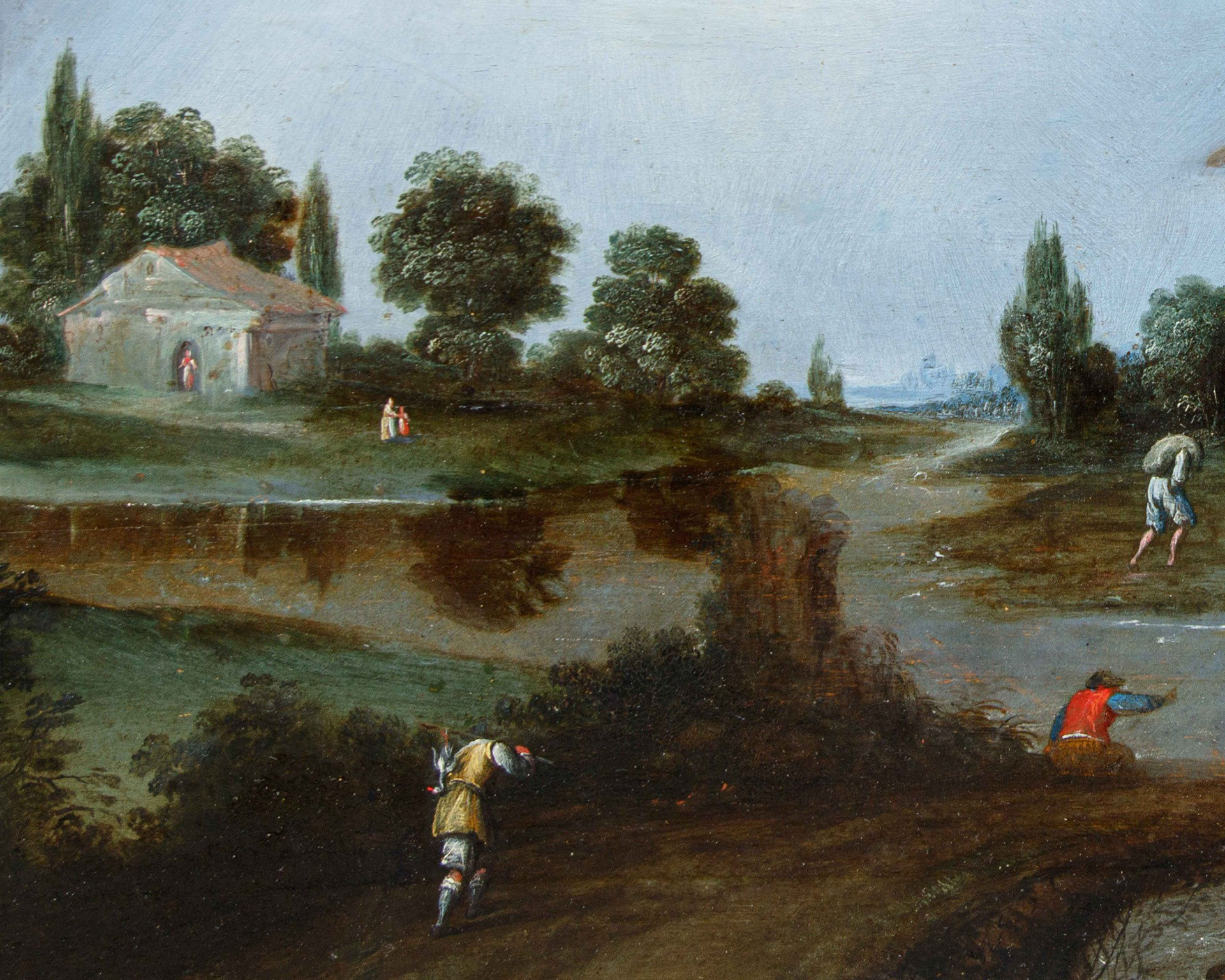
Tobias and the Angel in a River Landscape
Oil on panel, 38 x 57 cm
Critical Essay by Prof. Alberto Crispo
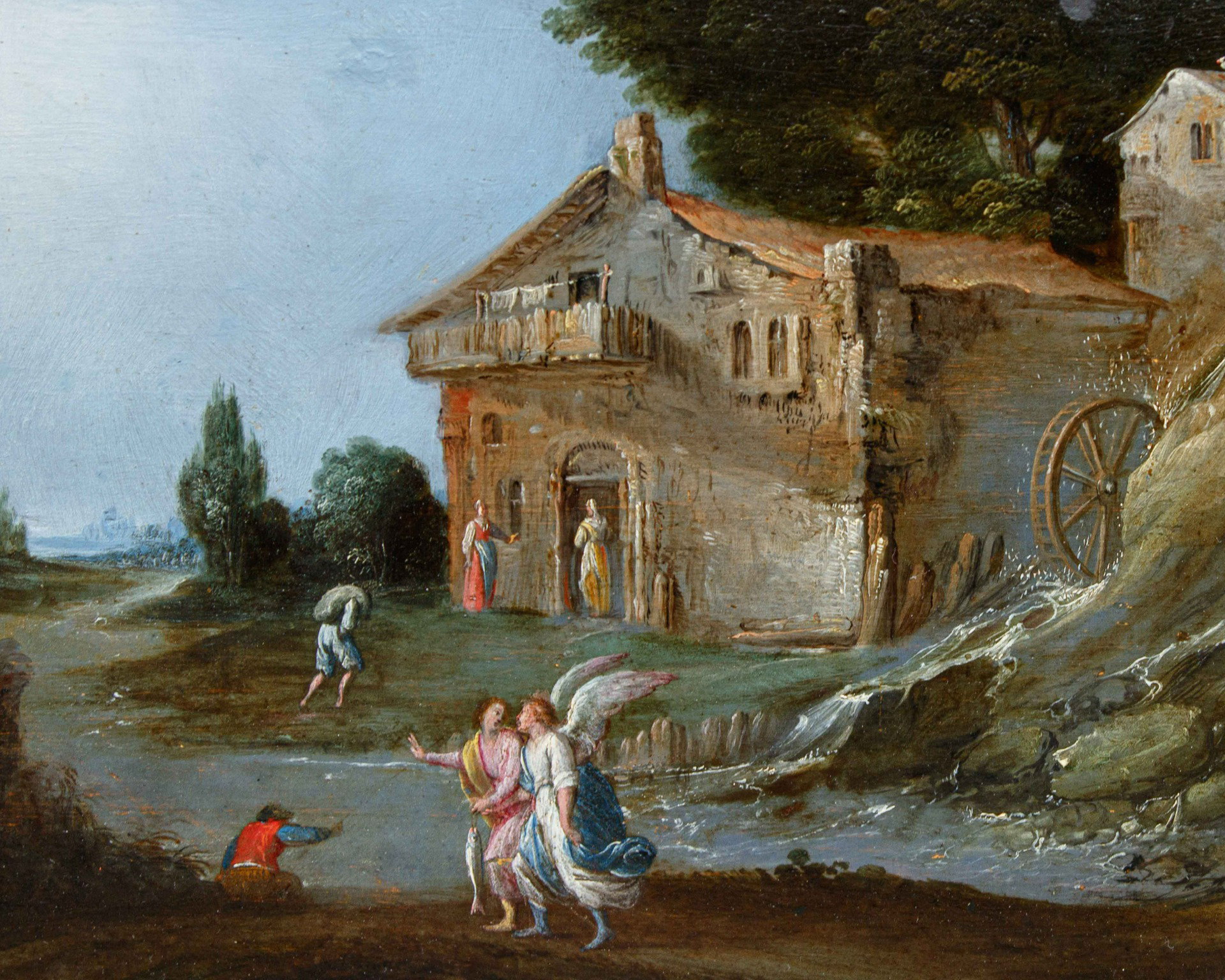
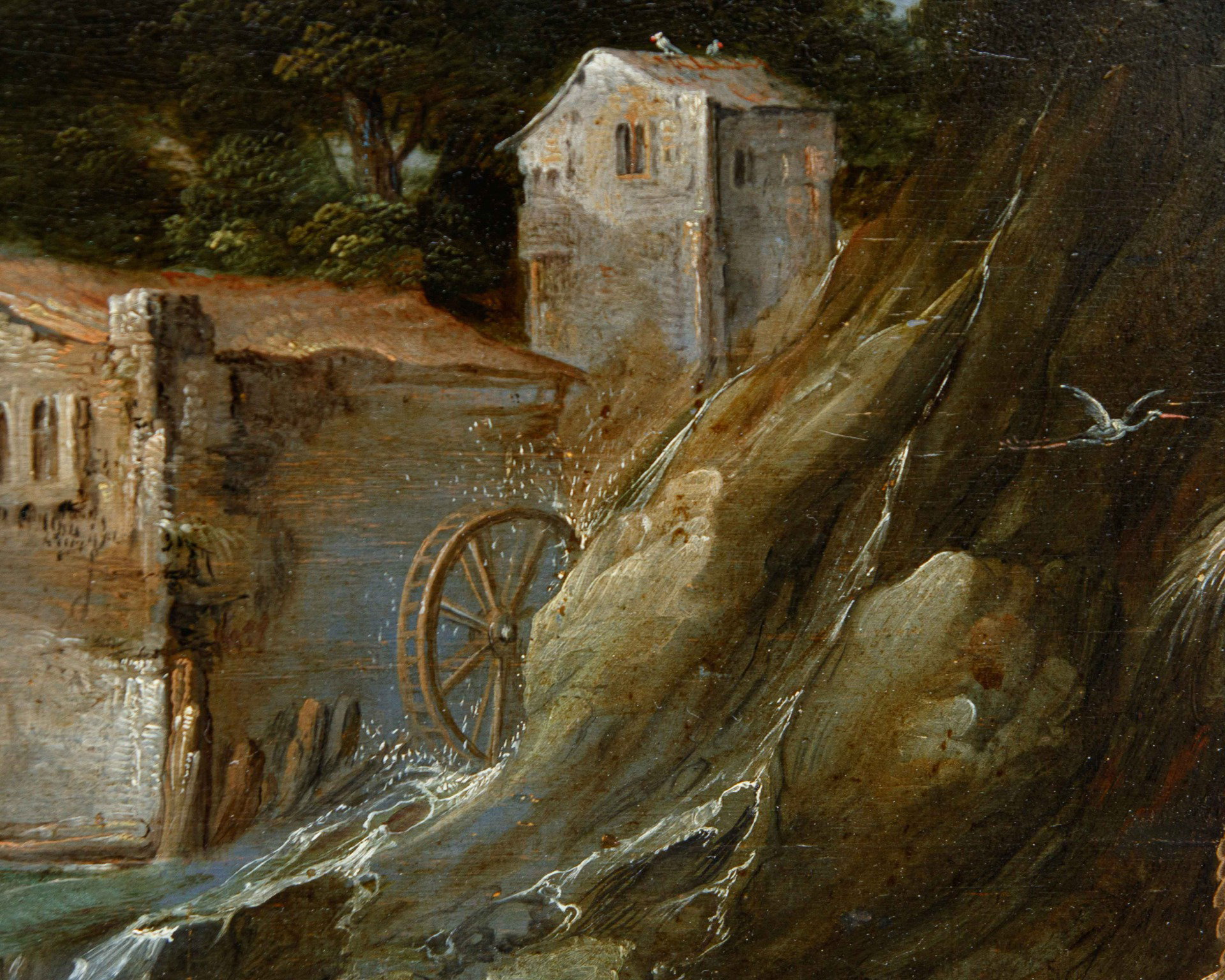
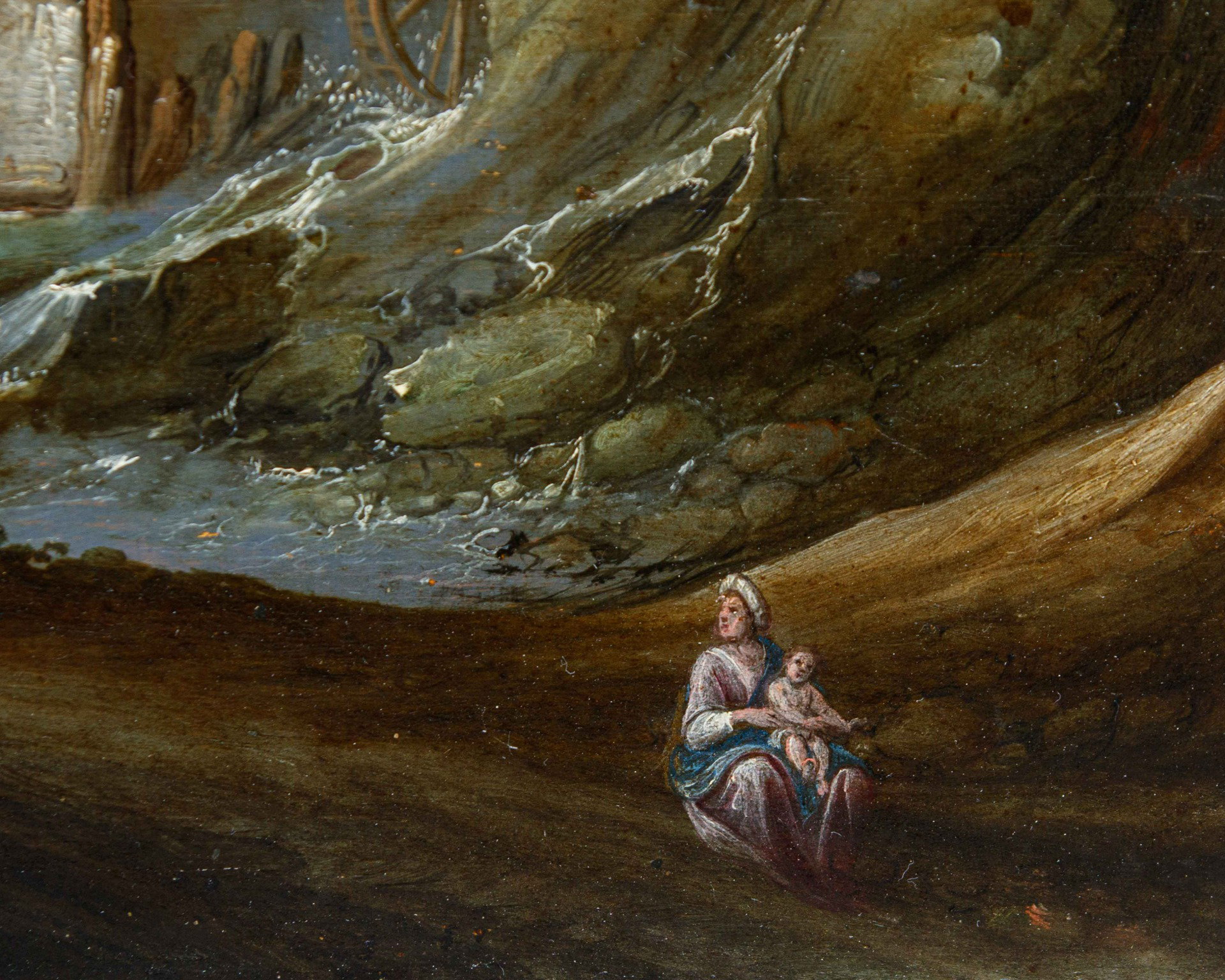
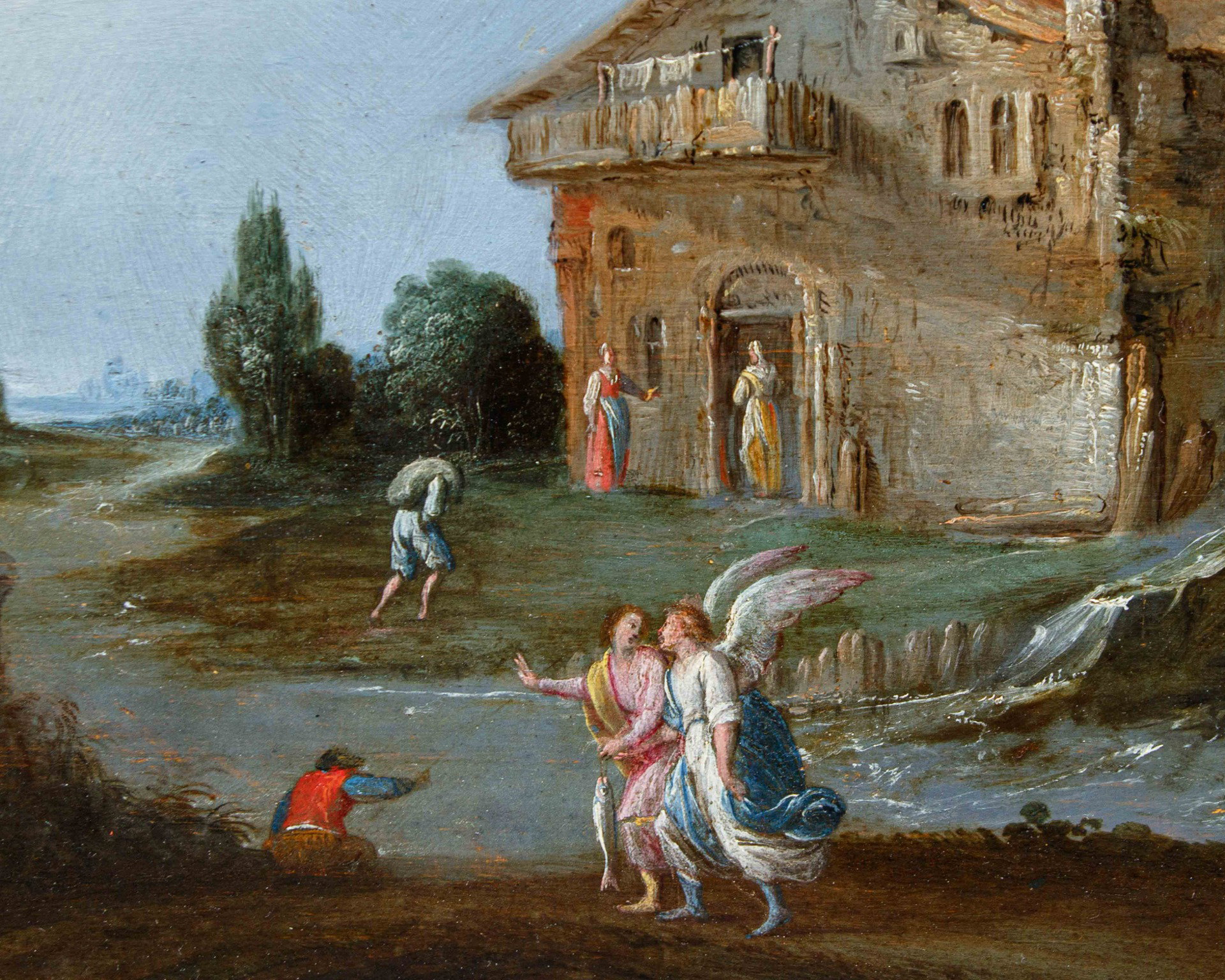
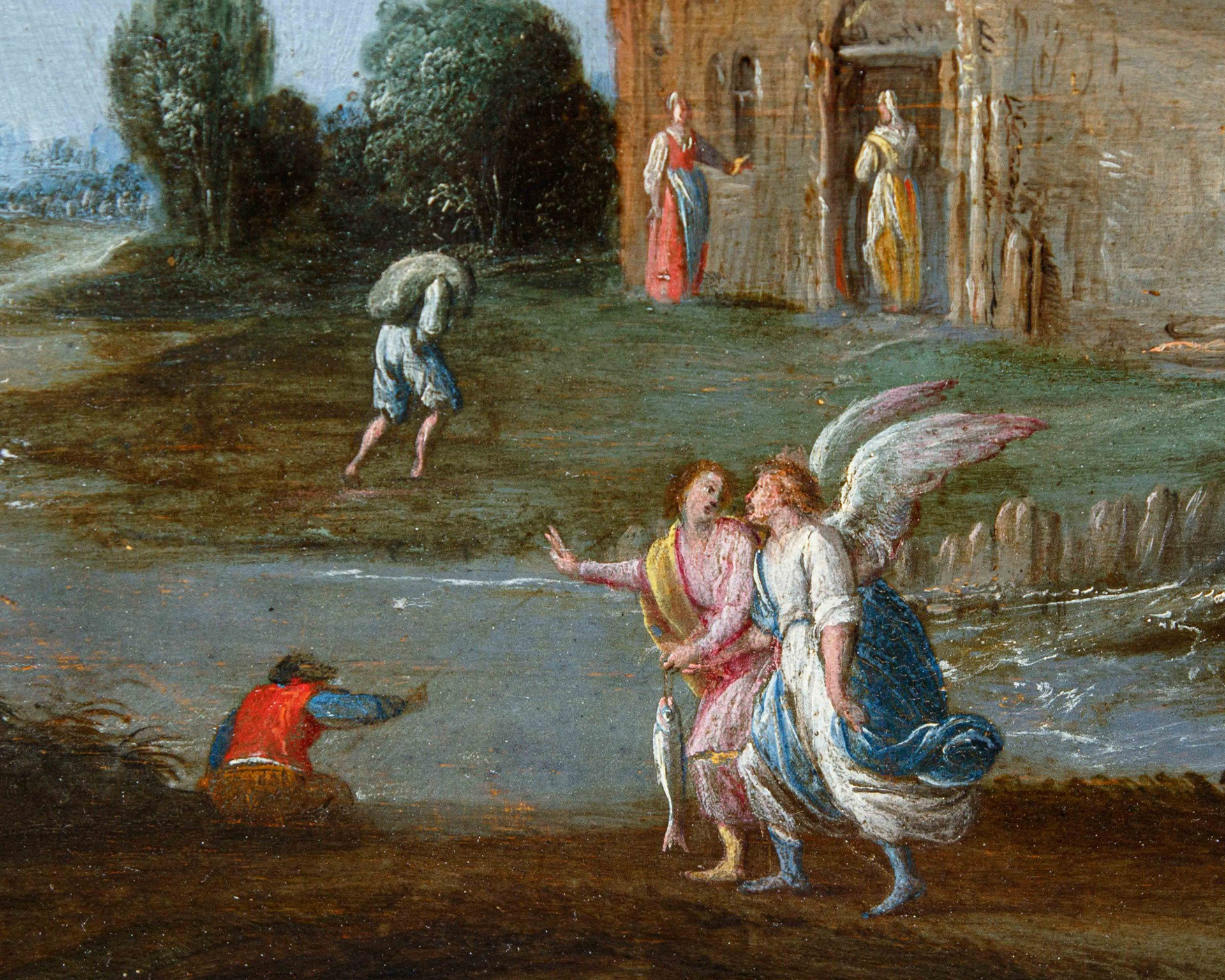
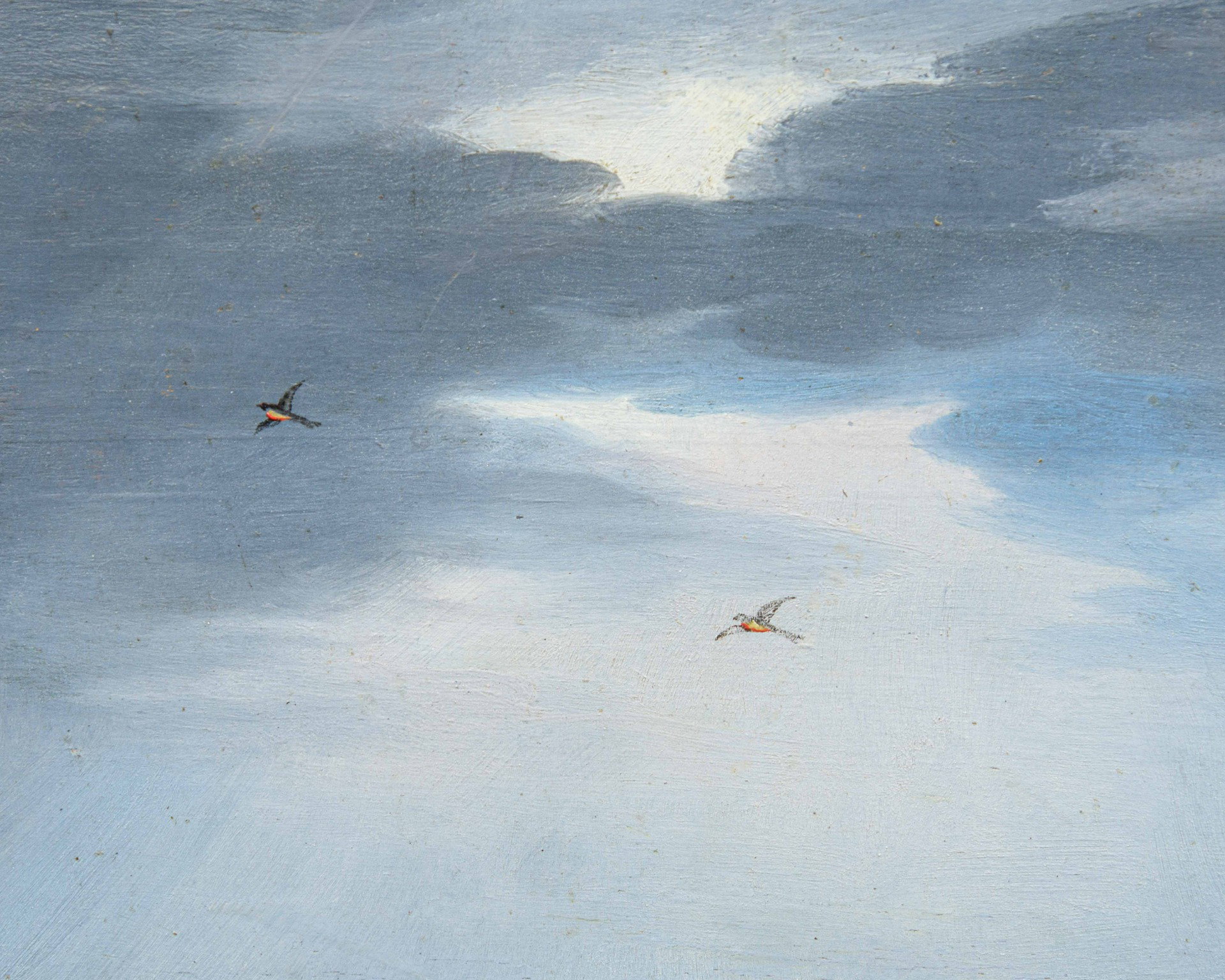
The oil on panel painting "Tobias and the Angel in a River Landscape" is the work of Carlo Antonio Procaccini, an artist who carved out a unique niche within the celebrated painterly dynasty of Bolognese origin. In this panel, the biblical episode is set within a rich and detailed natural context, where a body of water flows placidly beside a mill, while various small background figures animate the rural scene. The subject originates from the Book of Tobit: the young Tobias, sent by his blind father to collect a debt in a faraway land, is accompanied and protected by the archangel Raphael, who conceals his divine identity under the guise of the mortal Azaria. The core of the story, evoked here by the journey of the two protagonists along the riverbank, culminates in the episode of the fish caught in the River Tigris. Following the angel's instructions, the youth preserves its entrails for thaumaturgical purposes; it will be precisely the fish's bile, once the journey is completed, that miraculously restores the father's sight, sealing the success of the mission guided by Providence. The author of this panel, Carlo Antonio Procaccini, was born in Bologna in 1571. Trained under his father Ercole and alongside his elder brother Camillo, he moved to Milan in 1587 with his family. His career took a specific direction within the workshop: while Camillo and his younger brother Giulio Cesare successfully dedicated themselves to history painting and large altarpieces, Carlo Antonio specialized in the so-called minor genres, namely still life and landscapes with sacred or mythological scenes. This choice was not a coincidence but part of a precise family strategy aimed at dominating the Milanese art market by covering every type of commission. His sensitivity led him to pay extreme attention to Northern European models, particularly the works of Jan Brueghel and Paul Bril, whose influences are reflected in the descriptive detail and atmospheric quality of his backgrounds. The attribution of the painting to Procaccini finds solid stylistic support through comparison with other confirmed works from his output. One can cite "Rest on the Flight into Egypt" from a private collection, where human figures are rendered with the same characteristic touch and the conception of the landscape is entirely comparable. Similarly, "The Baptism of Christ," also in a private collection, demonstrates the same mastery in the rendering of water, in the definition of cloudy skies, and in outlining the slender figures of the characters, elements that reappear consistently in the "Tobias" analyzed here.
Active in important projects such as those in Lainate and the Visconti Castle of San Vito in Somma Lombardo, Carlo Antonio often collaborated with his relatives, executing the landscape portions of their canvases. His fame among collectors of the time was extraordinary, as evidenced by the constant presence of his works in the most prestigious Lombard and Savoyard collections. Through this painting, the figure of a painter emerges who was capable of blending the academic tradition of Emilia with the new Flemish naturalistic sensibility, creating images of great balance and delicate visual poetry.