Scipione Compagni, or Compagno (Naples, circa 1624 - post 1680)
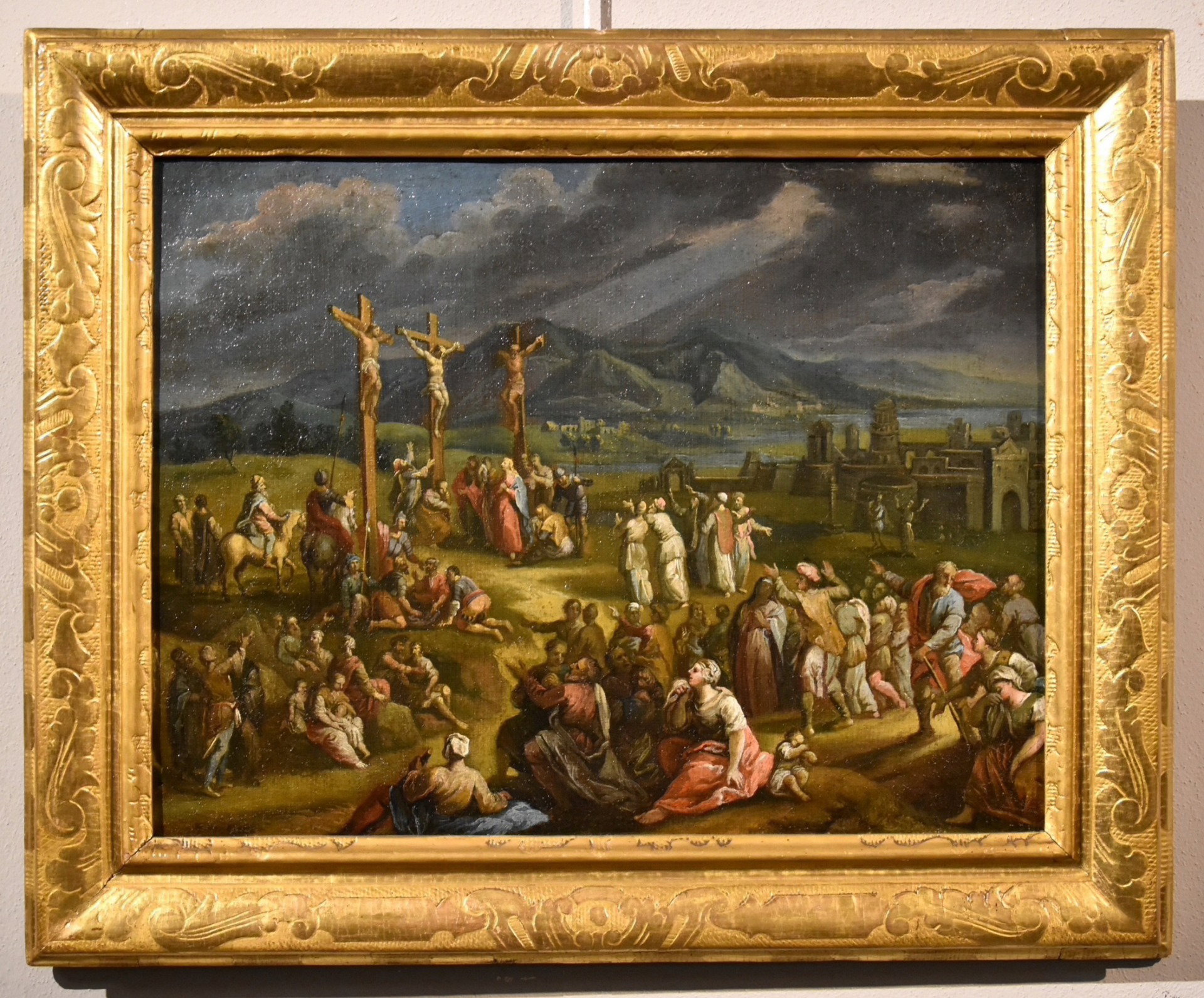
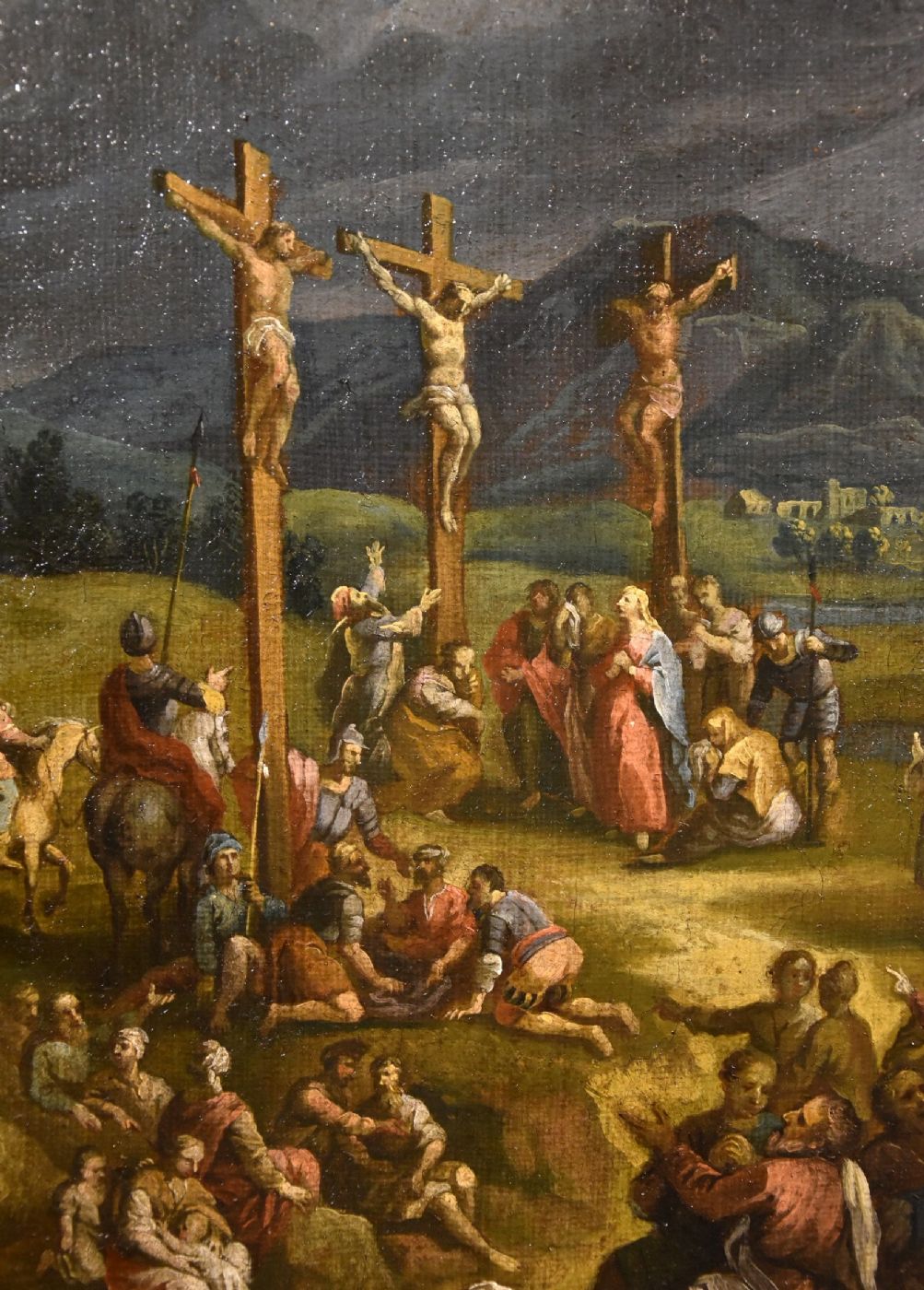
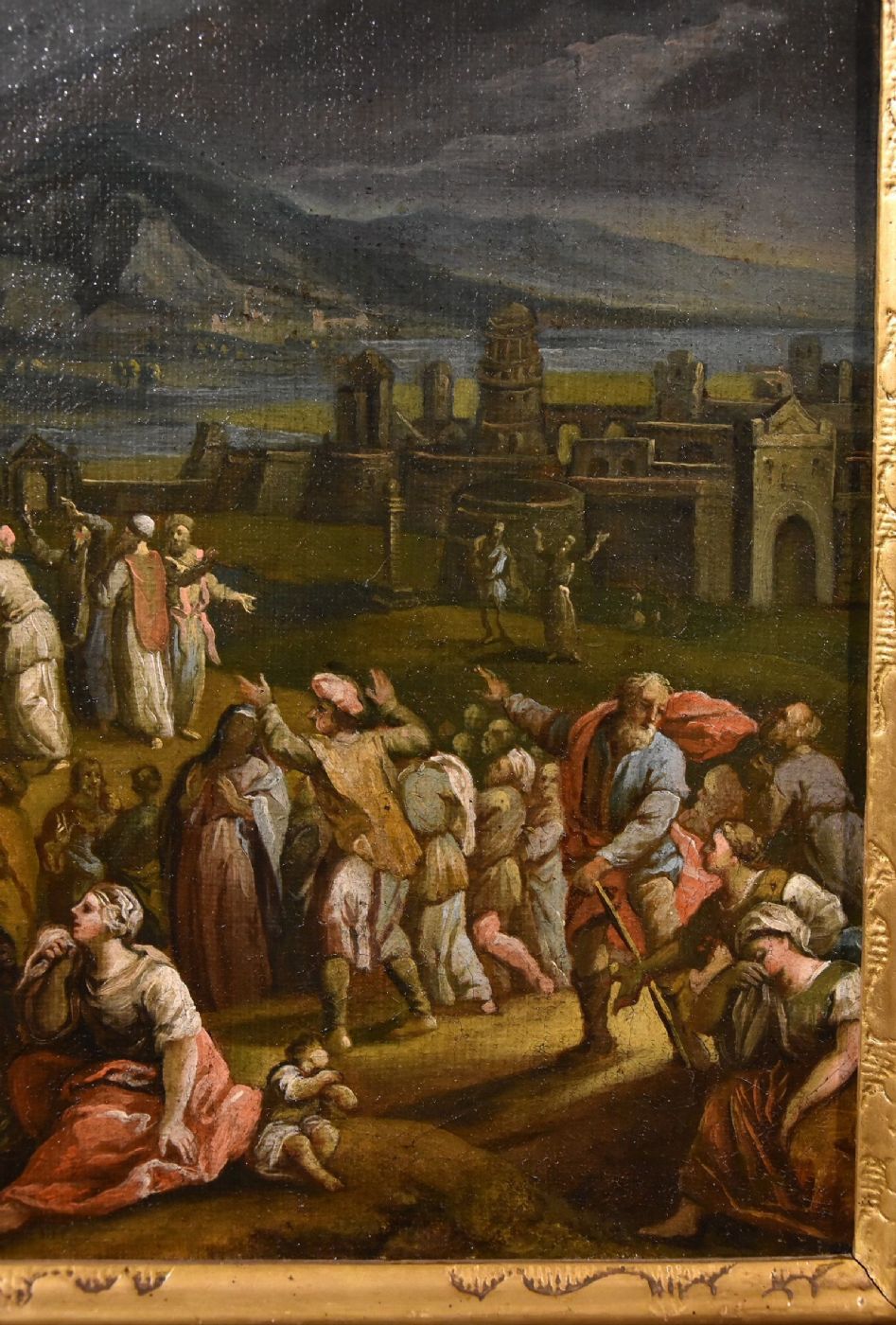
Fantastic Landscape with the Crucifixion of Christ on Mount Calvary
Oil on canvas (cm 47 x 62, with antique frame cm 63 x 78 cm)
FULL DETAILS OF THE WORK: https://www.antichitacastelbarco.it/it/prodotto/paesaggio-fantastico-con-la-crocifissione-di-cristo-
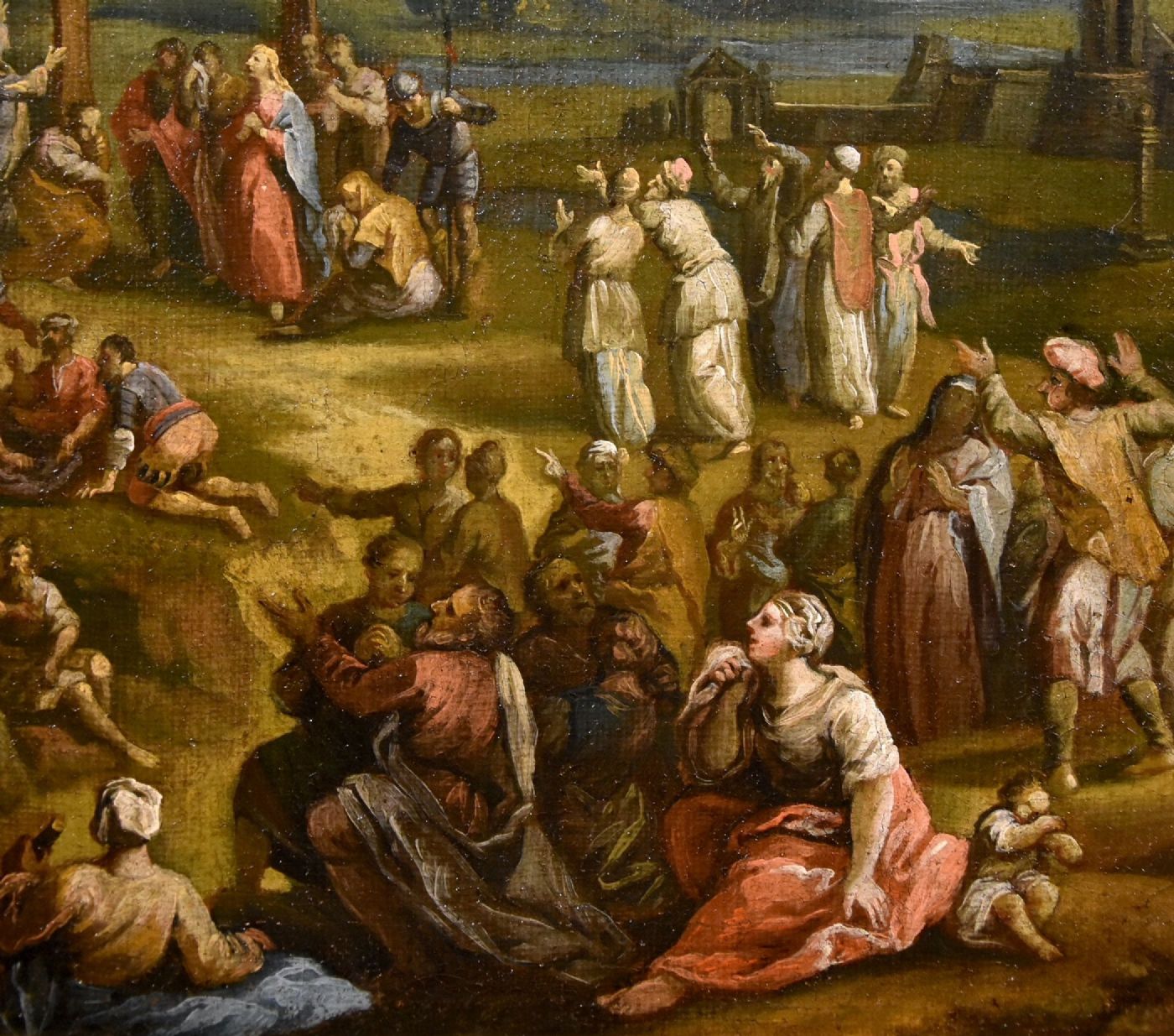
We are very pleased to present this rich depiction, executed in the second half of the seventeenth century, whose stylistic and compositional features reflect the stylistic elements of the Neapolitan school: the warm colors, the lively chromatic range, the quick but precise brushstrokes are elements that lead us, in particular, to the hand of Scipione Compagno.
It is fully part of the classic production of the Neapolitan painter, characterized by compositions crowded with numerous figures, assembled with great formal elegance, where the painter re-elaborates Mannerist suggestions but in a theatrical key and consequently reaches a baroque vision of extremely refined narration.
Reminiscences with the painting of Filippo Angeli are evident, but above all the similarities with Domenico Gargiulo, known as Micco Spadaro, distinguished by elegant and precious chromatic harmonies, and with some references to Roman painting of the early 17th century. In the work, in fact, we observe the references to Roman and Neapolitan classicism, with the bright and lightened palette that we can trace back to the works of the painter's maturity.
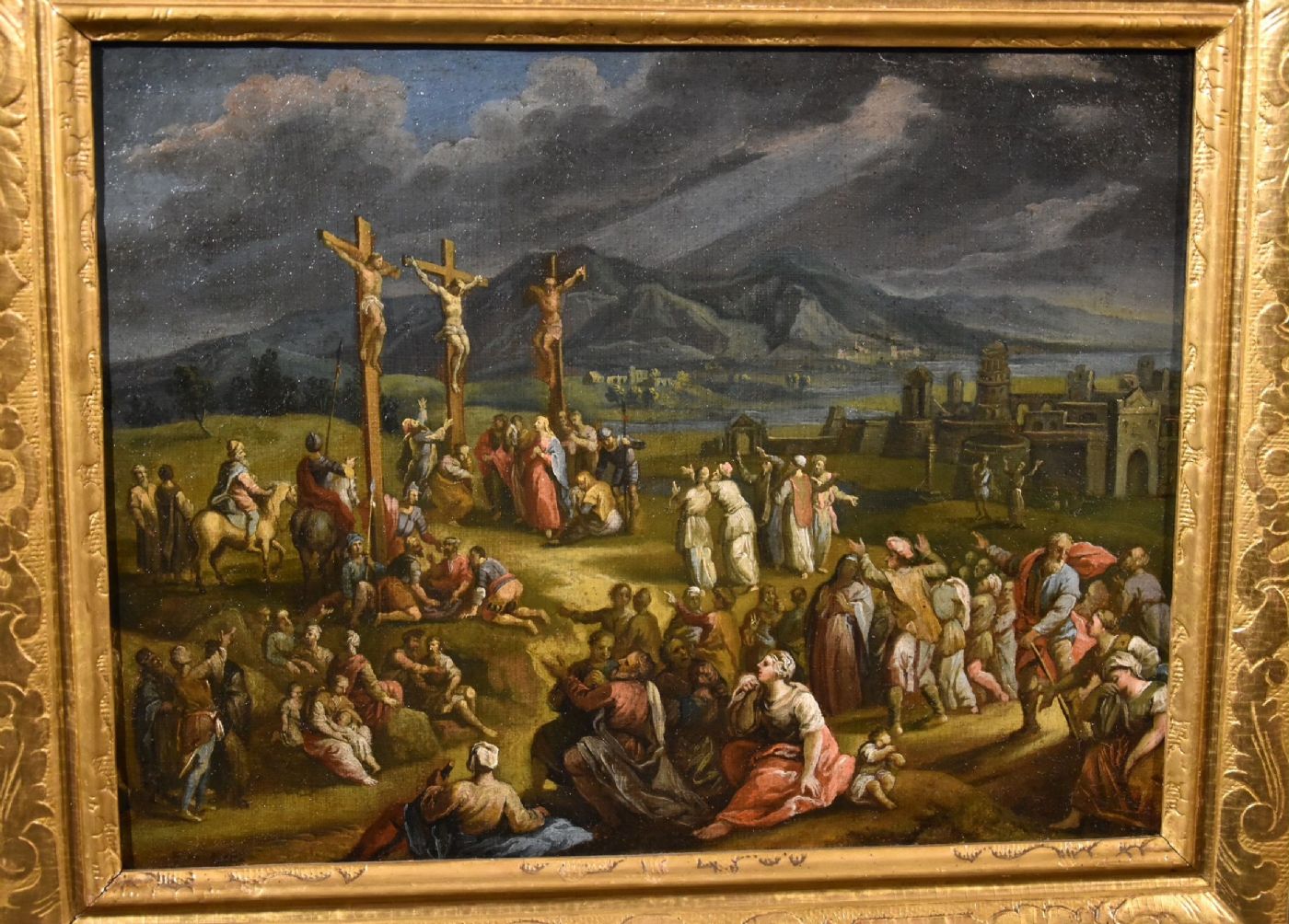
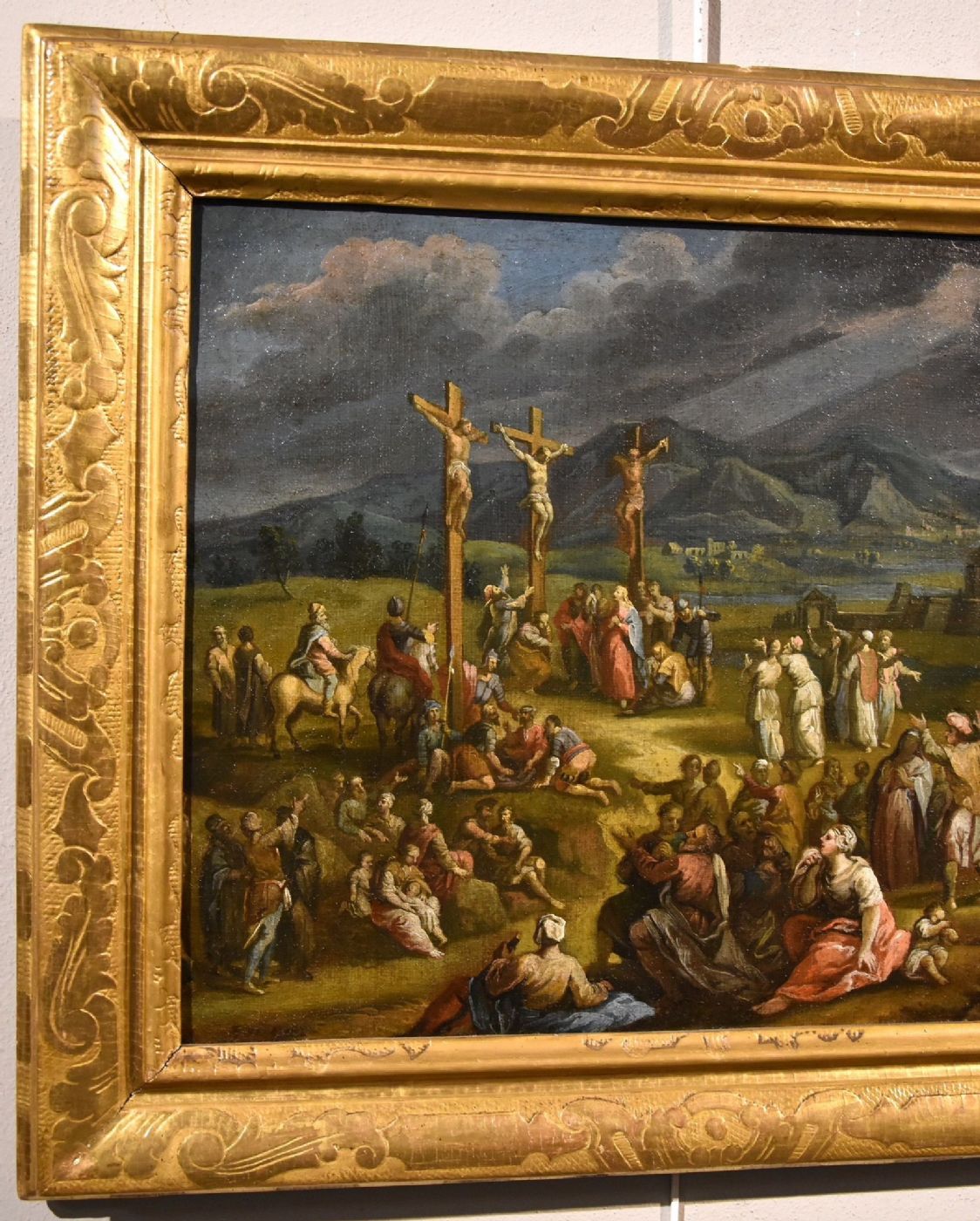
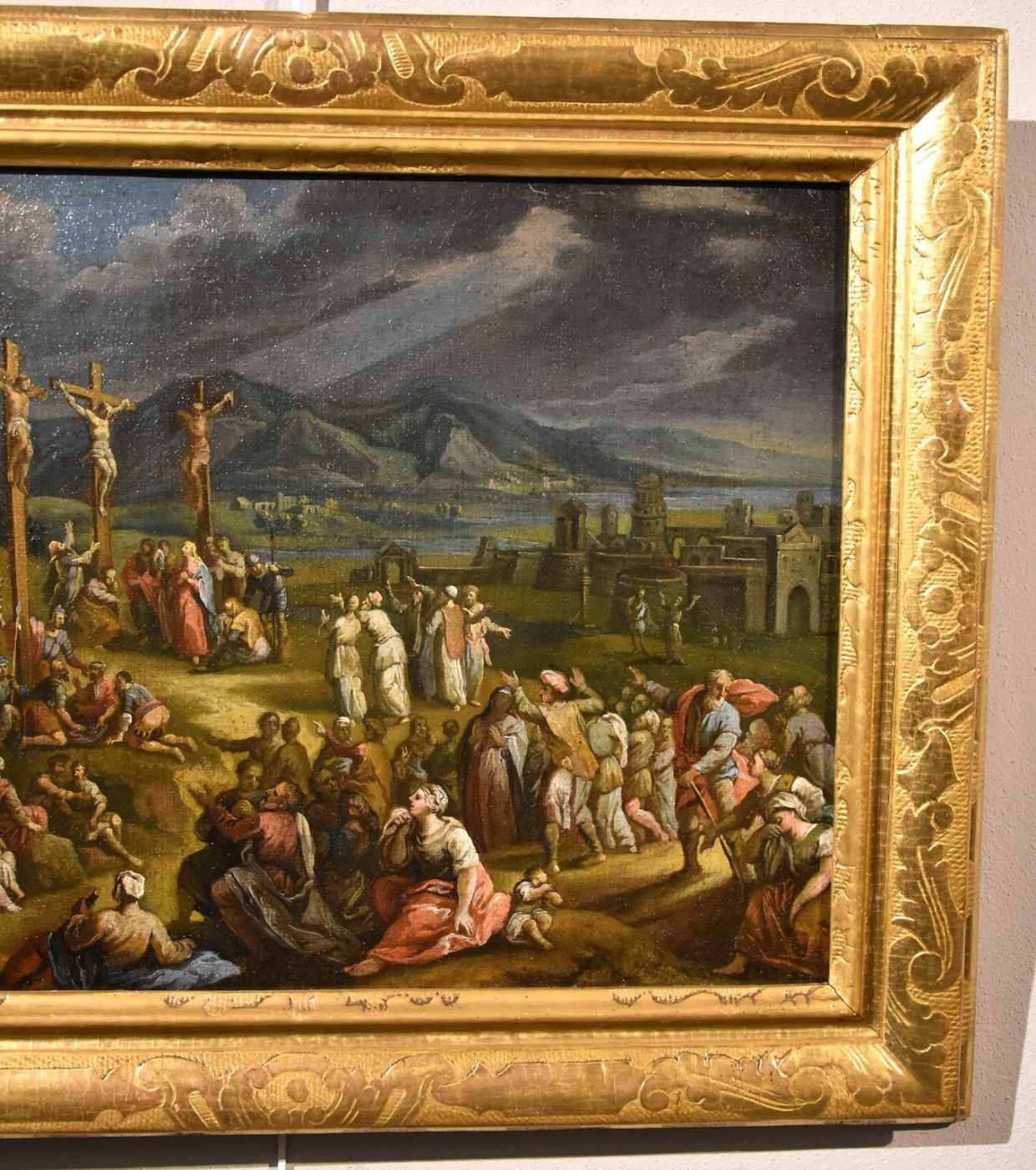
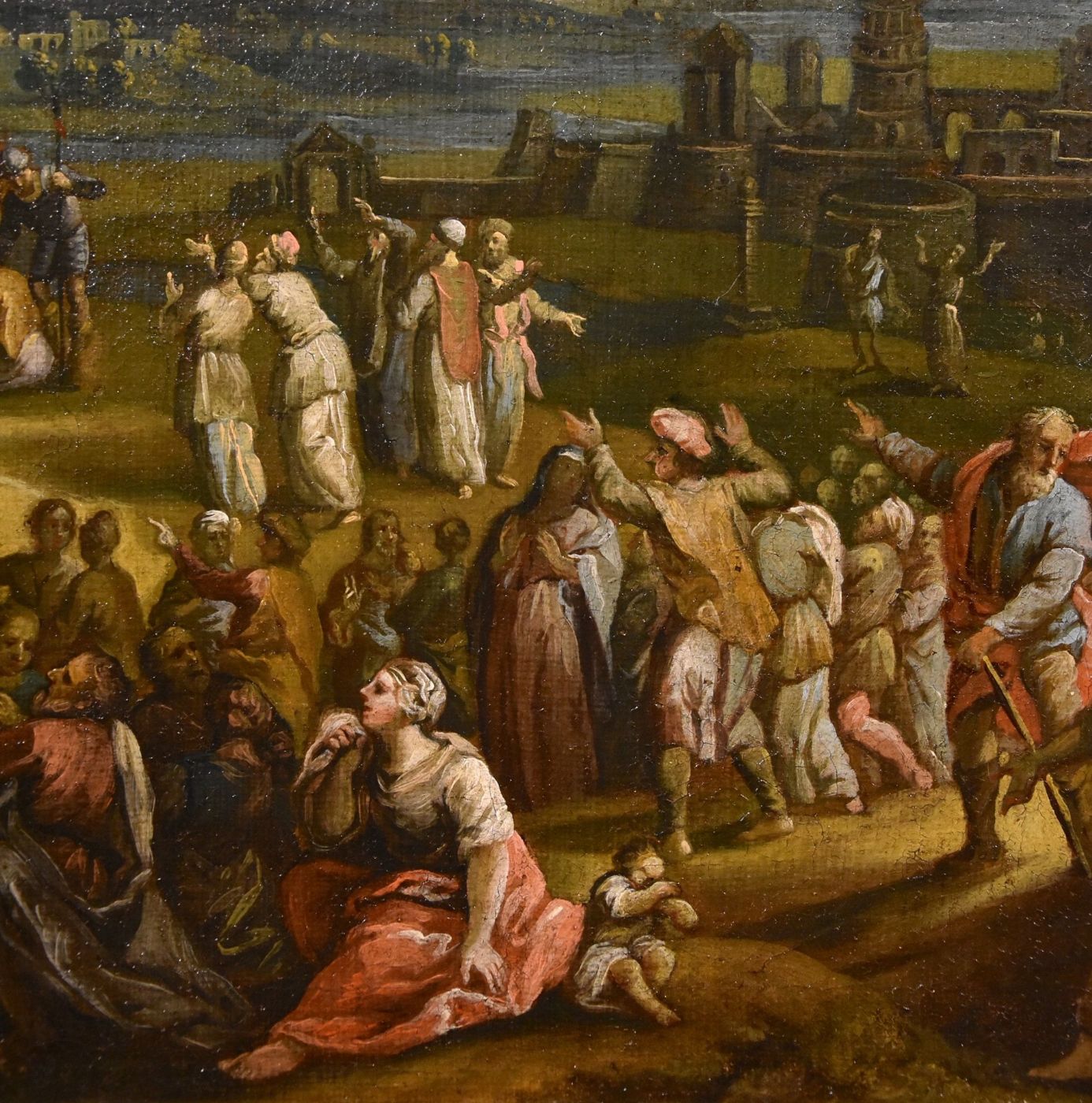
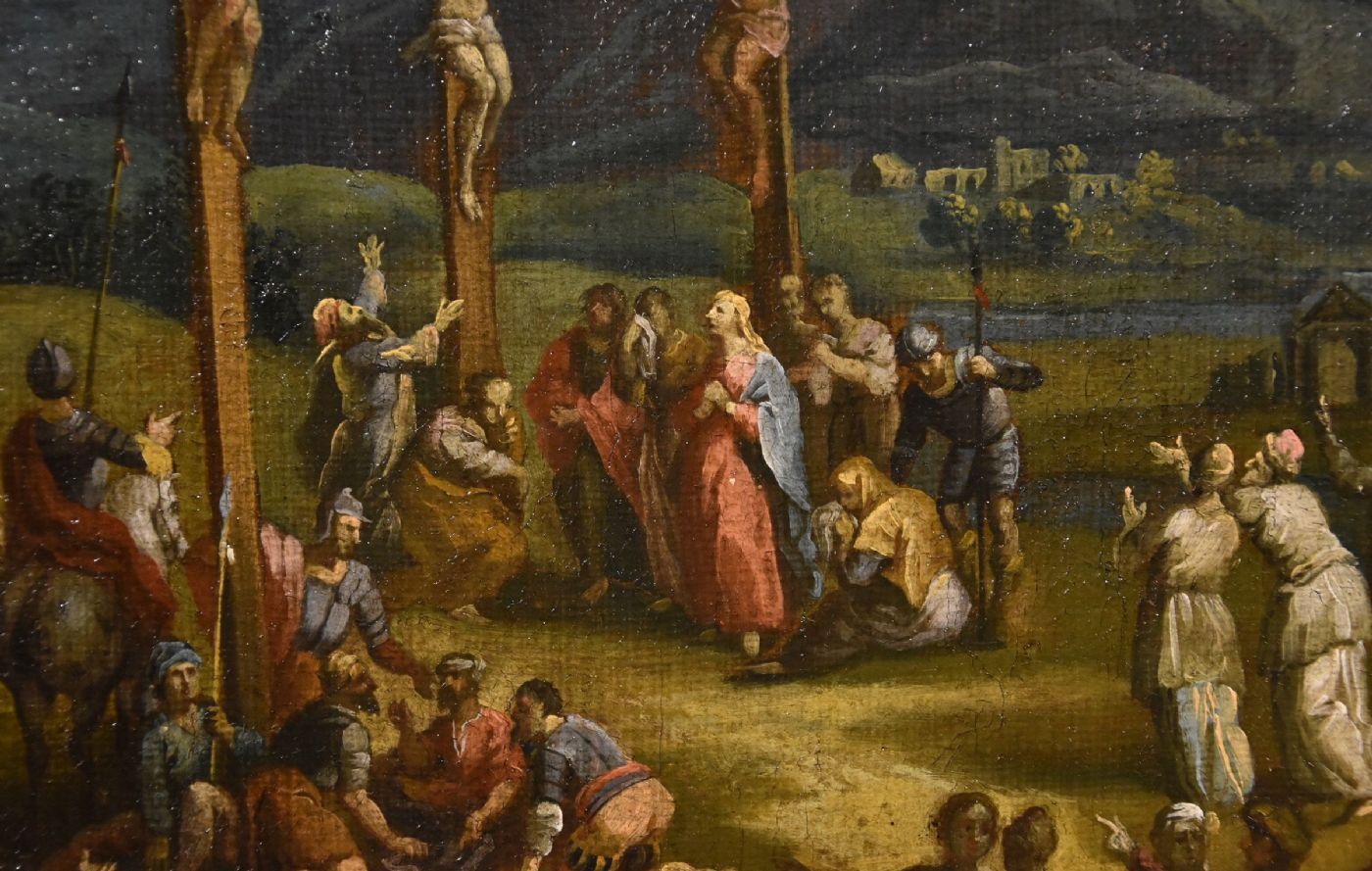
The painting, characterized by a multitude of characters, shows the scene of the Crucifixion on Mount Calvary, where the three crosses stand out against the background illuminated by a clear light, in an almost otherworldly atmosphere of a mountainous river landscape in front of the city of Jerusalem in the distance. Watching over the dying Christ, we can see the three Marys, with the Virgin in a red dress and blue cloak, surrounded by other women and soldiers, some of them on horseback, one of whom holds a lance with which he inflicted the wound on Christ's side. In the foreground, again, numerous men, women and children, who witness the scene of the Crucifixion.
The bright and clear coloring of the work in question is typical of Neapolitan painting between the late seventeenth and early eighteenth centuries. The composition also betrays the influence of the prevailing Roman classicism at the end of the seventeenth century.
The bright and clear coloring of the work in question is typical of Neapolitan painting between the late seventeenth and early eighteenth centuries. The composition also betrays the influence of the prevailing Roman classicism at the end of the seventeenth century.
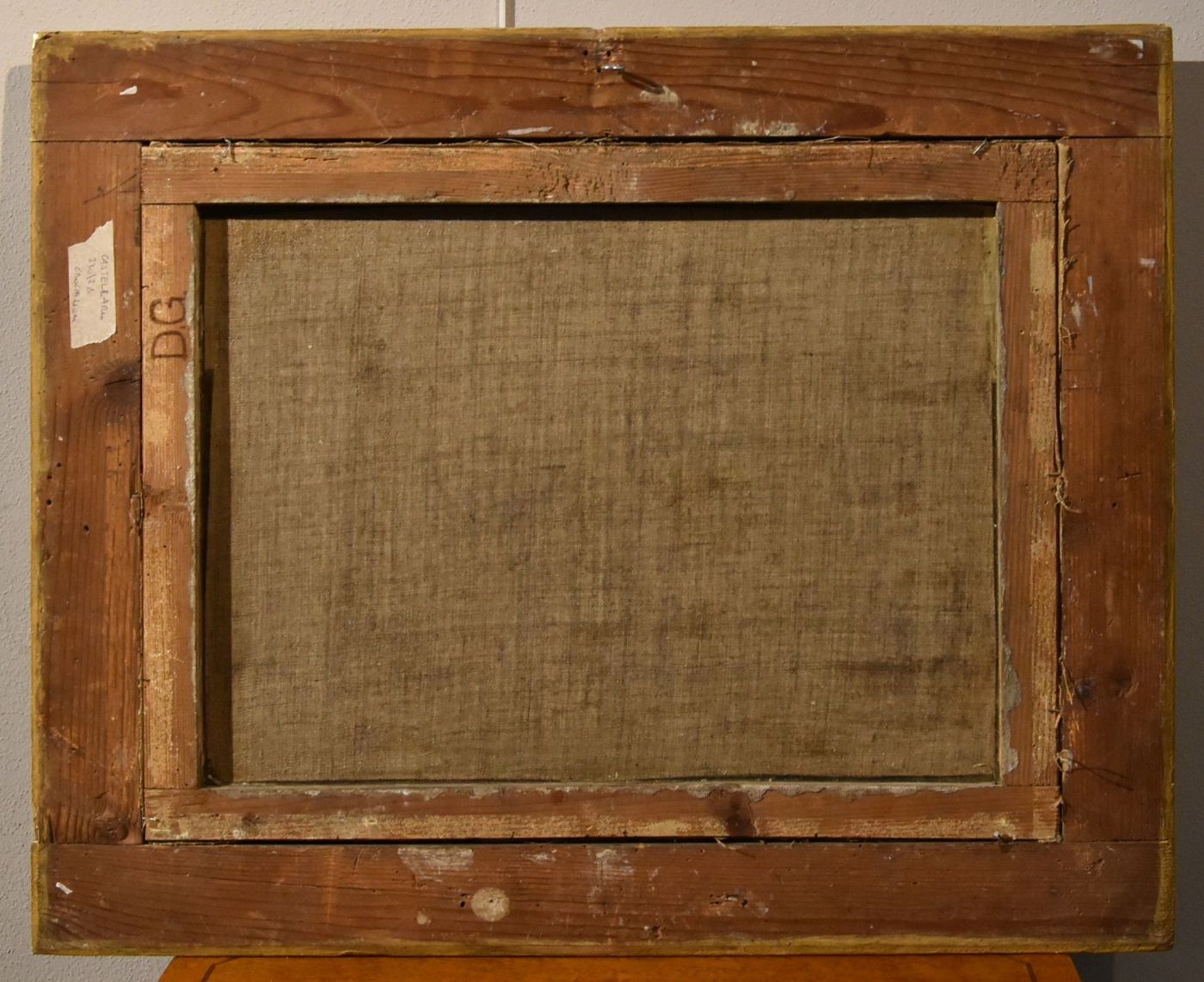
The work is presented in a very good state of preservation, completed by a valuable antique gilded wooden frame. Painting complete with certificate of authenticity according to law.
For any information, please do not hesitate to contact us.
Follow us also on :
https://www.instagram.com/galleriacastelbarco/?hl=it
https://www.facebook.com/galleriacastelbarco/