Circle of Giovan Battista Piazzetta (1683-1754), 18th century
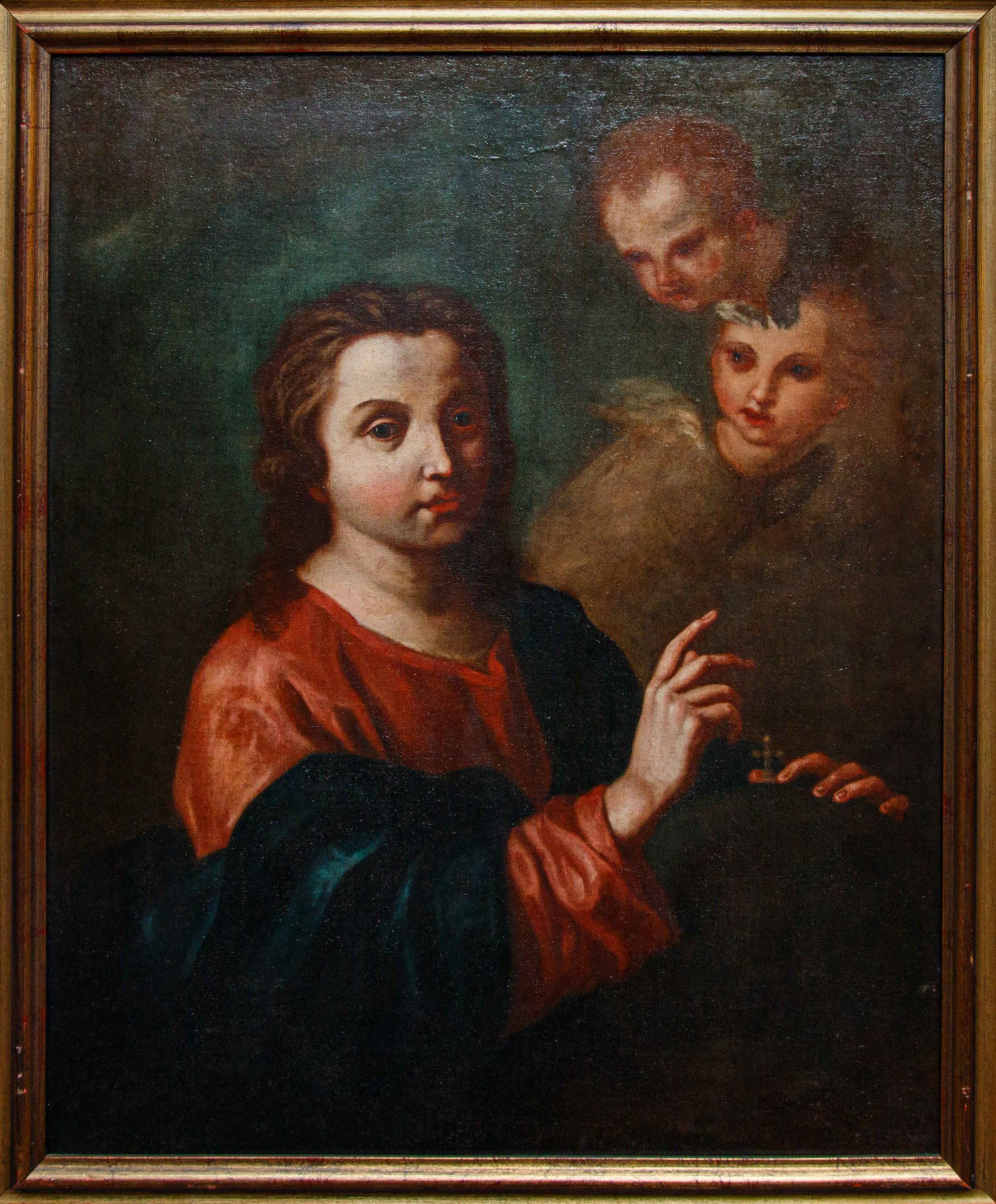
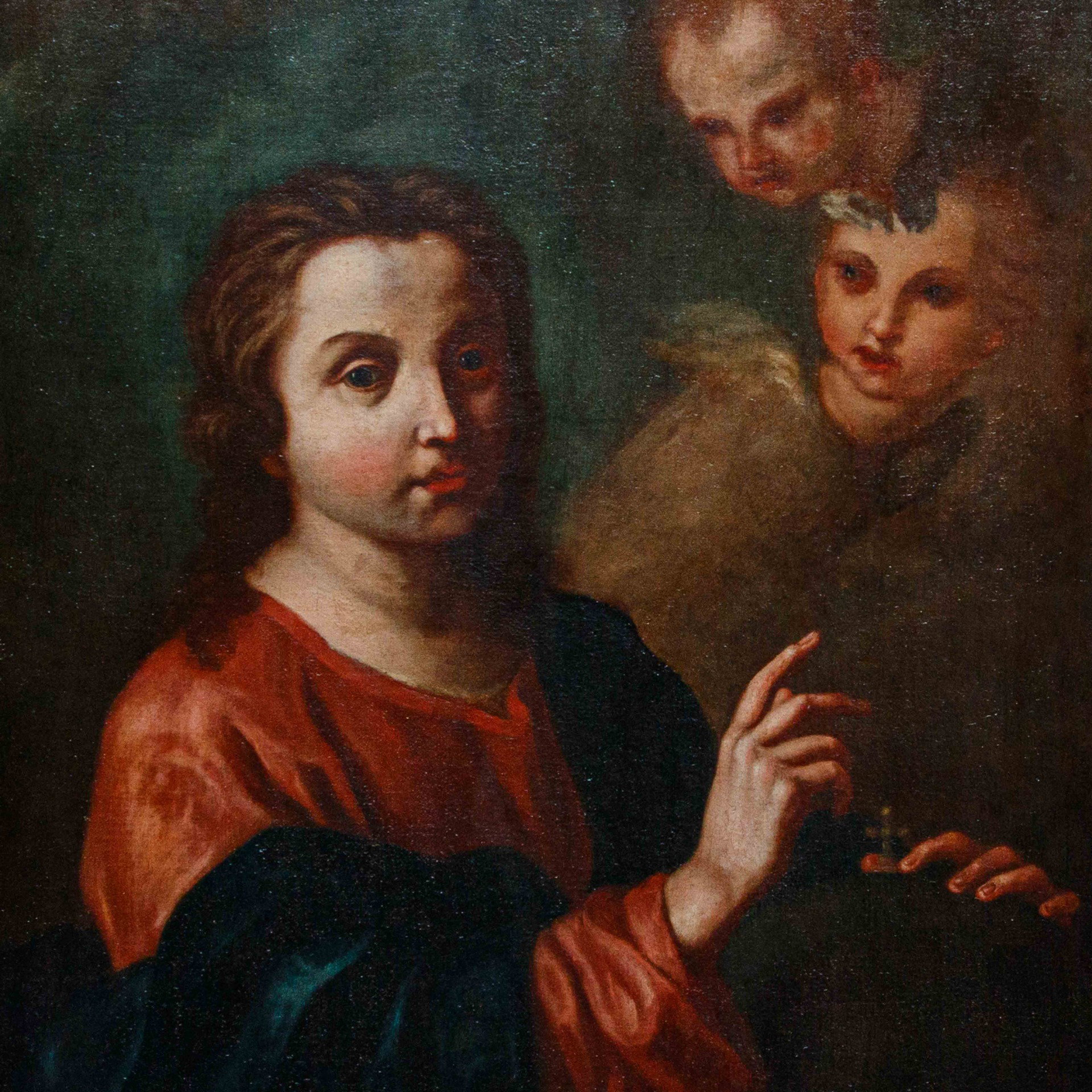
Christ Salvator Mundi
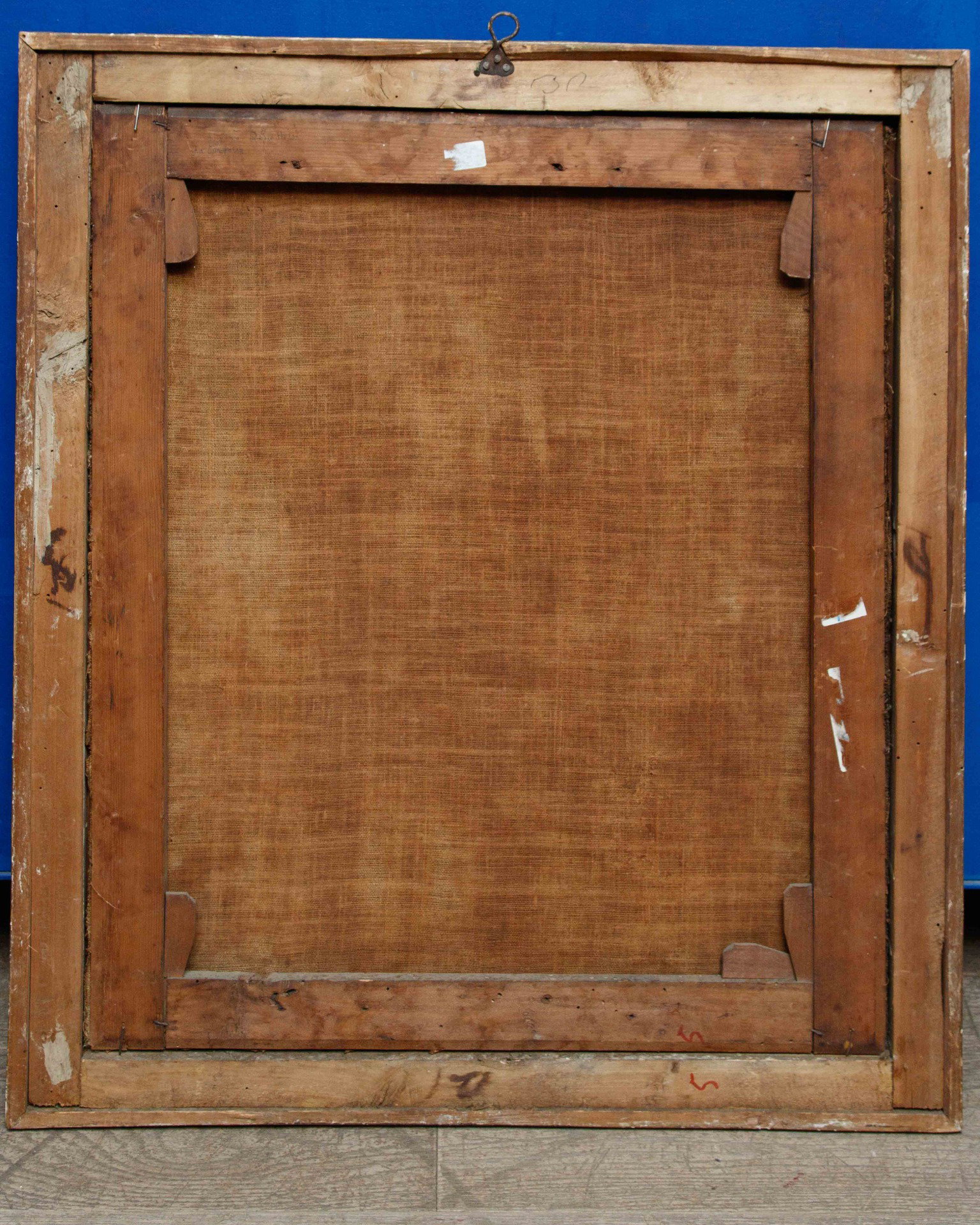
Oil on canvas, 81 x 64 cm
Framed, 90 x 72 cm
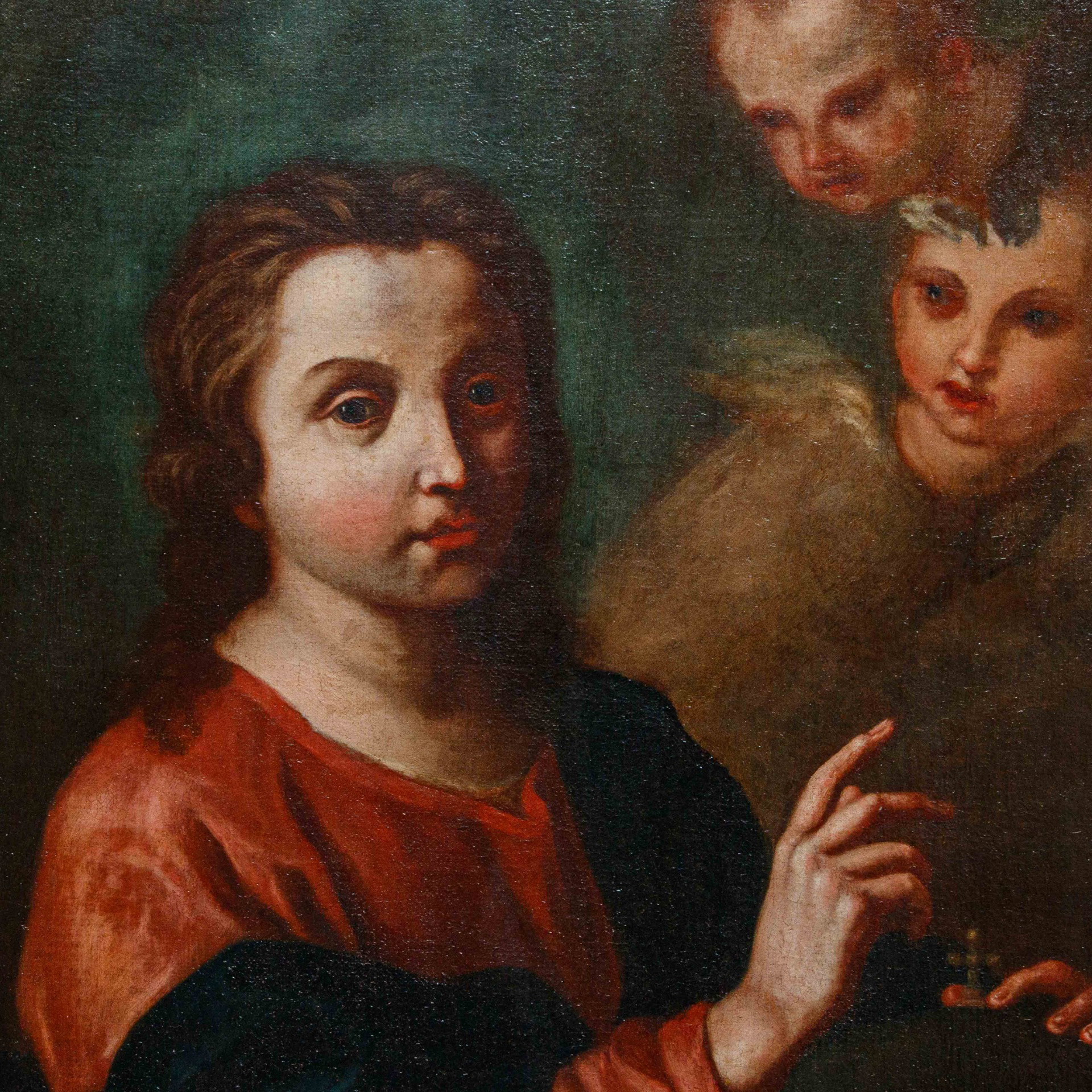
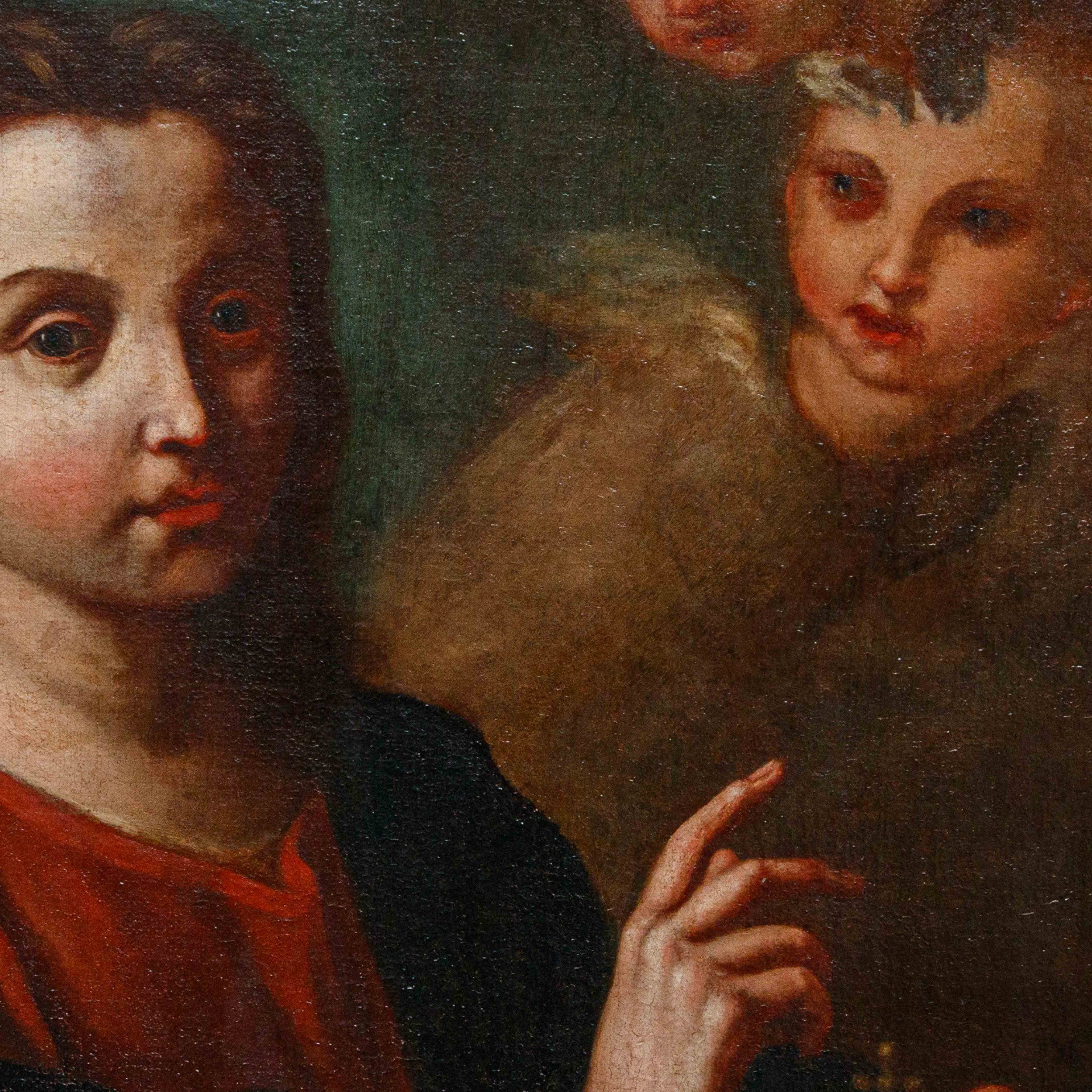
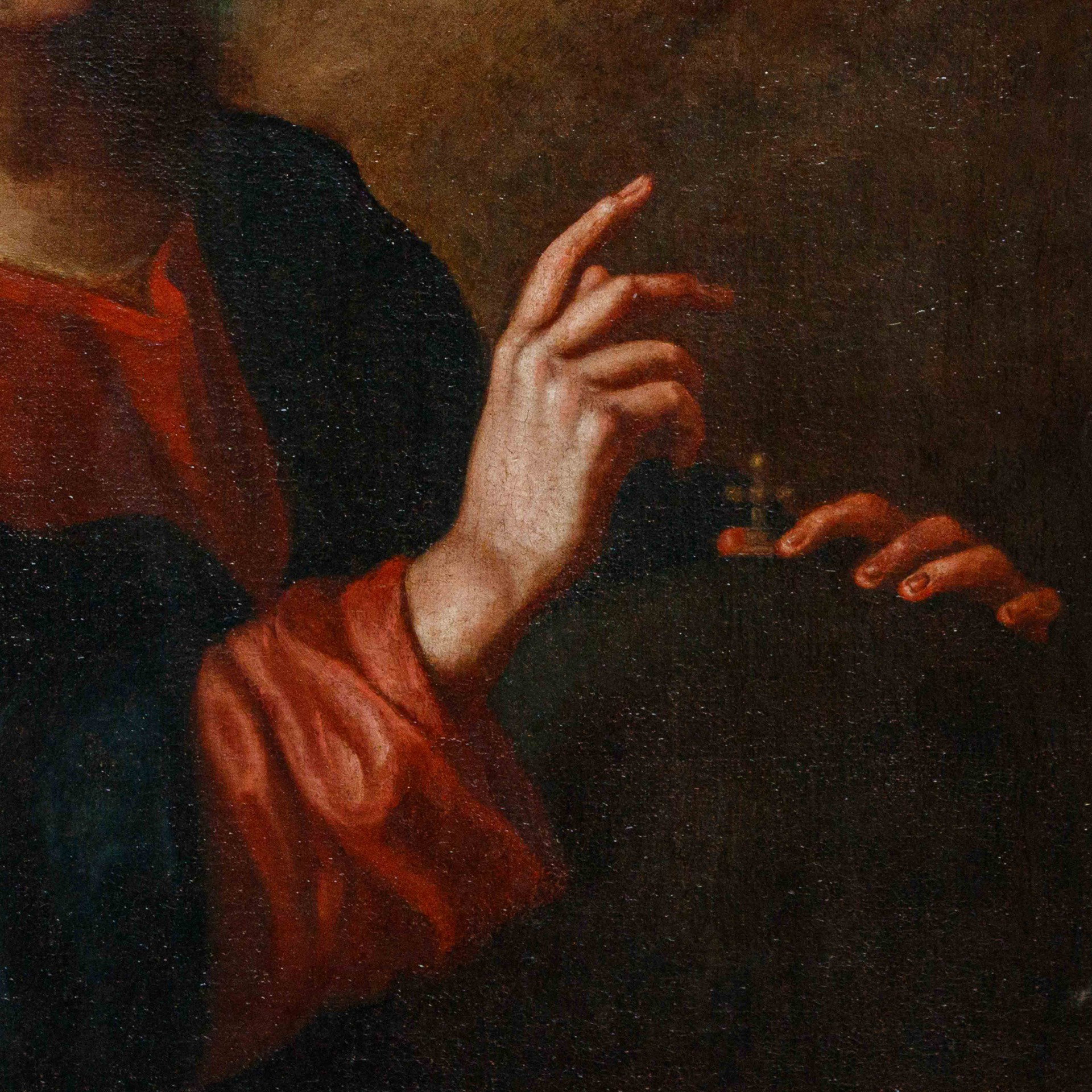
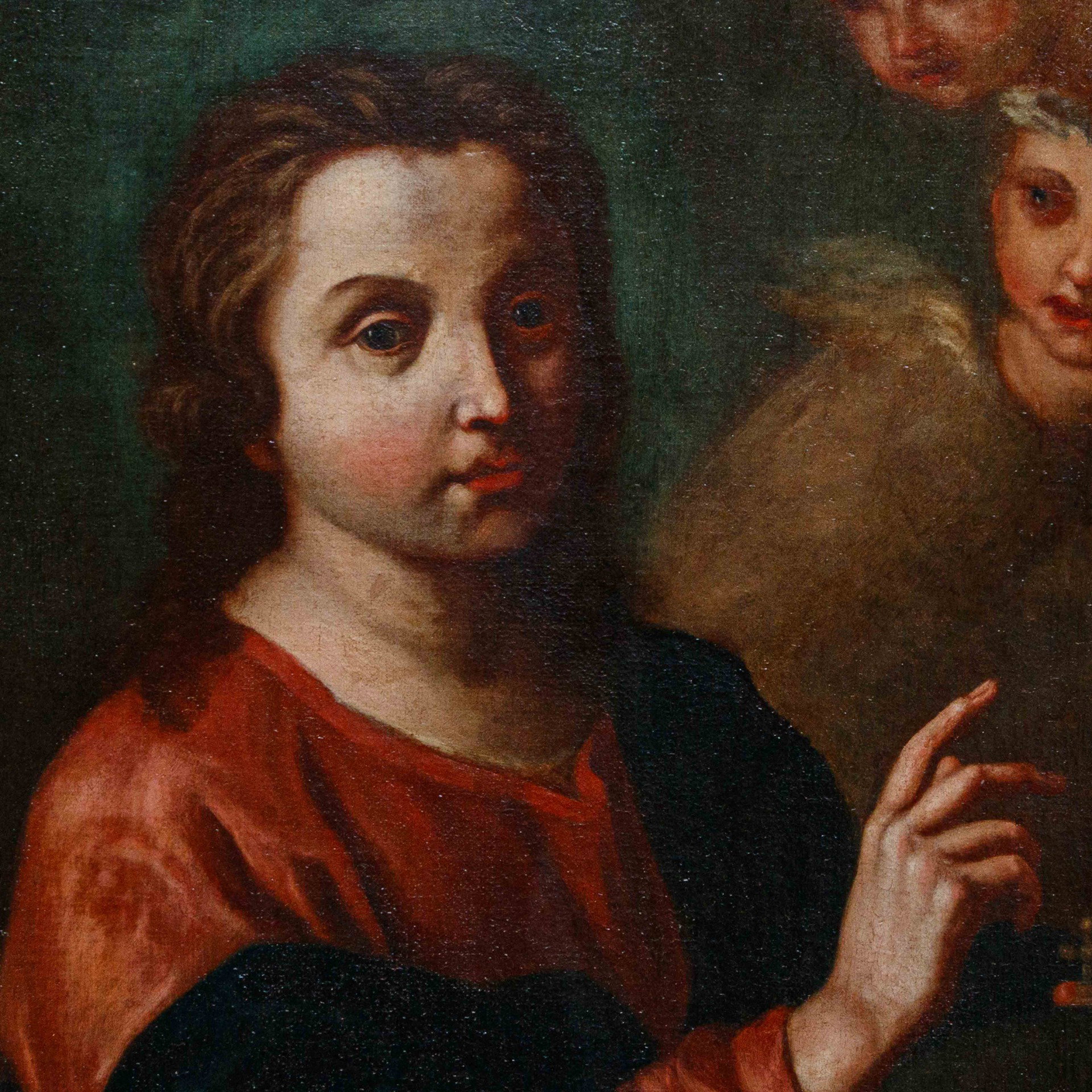
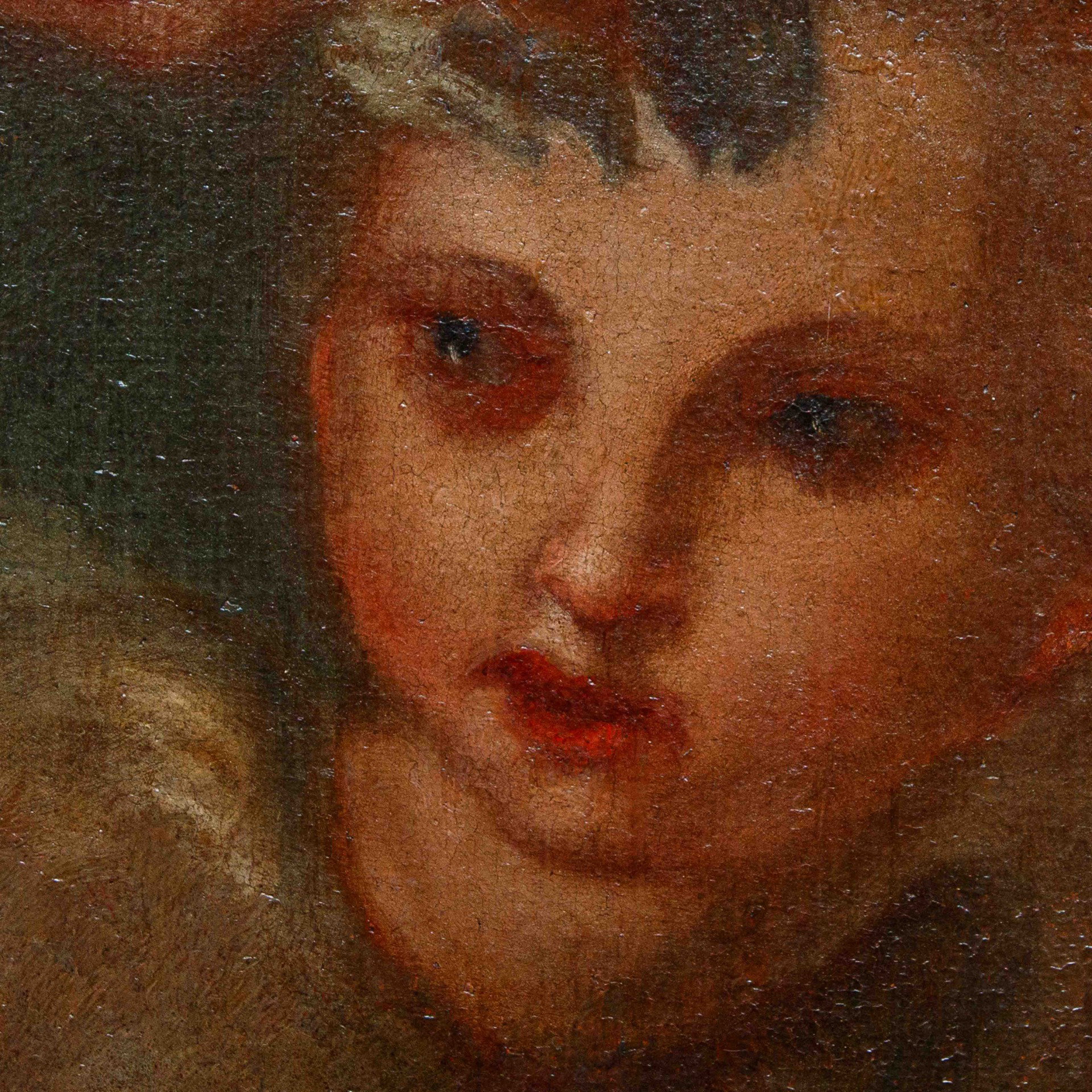
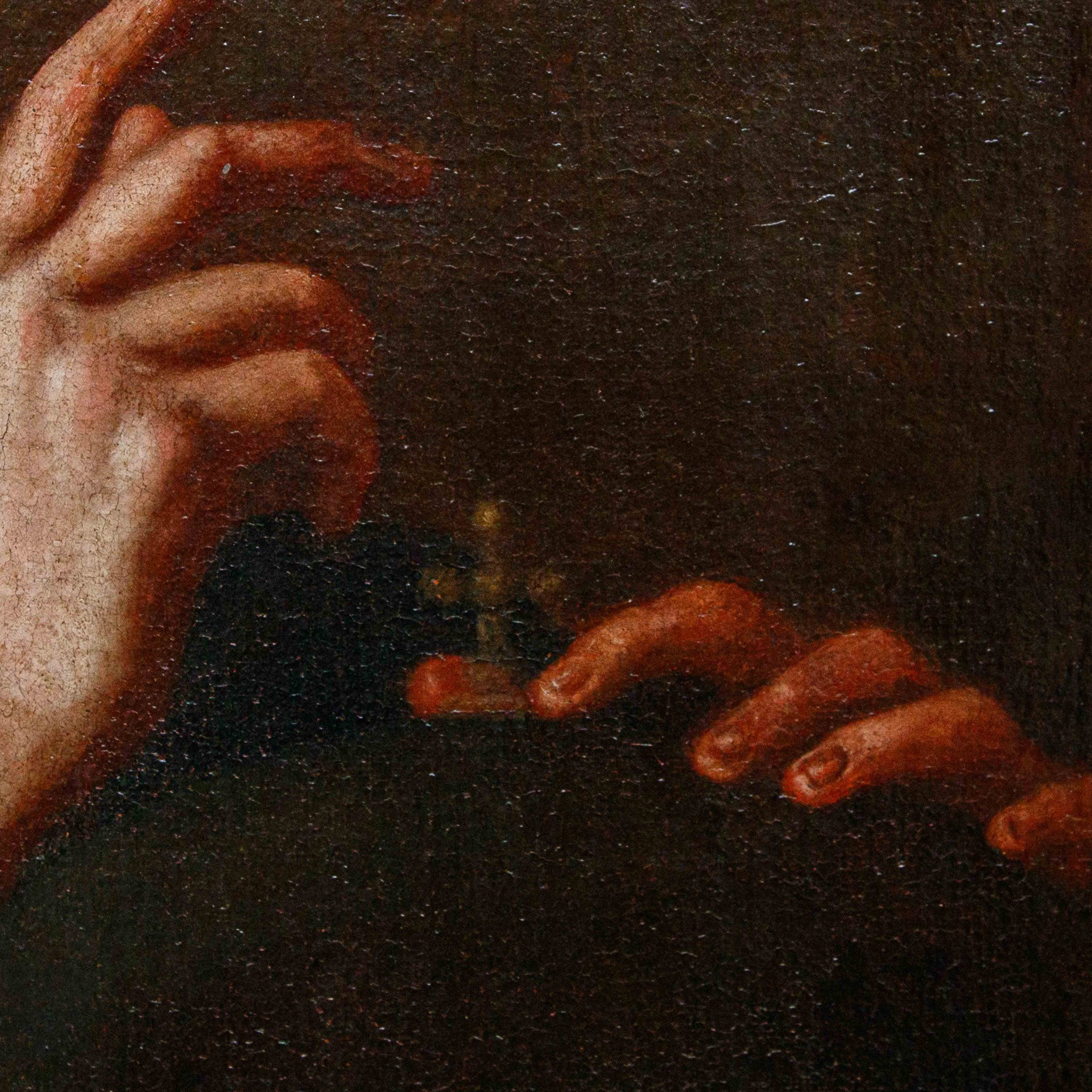
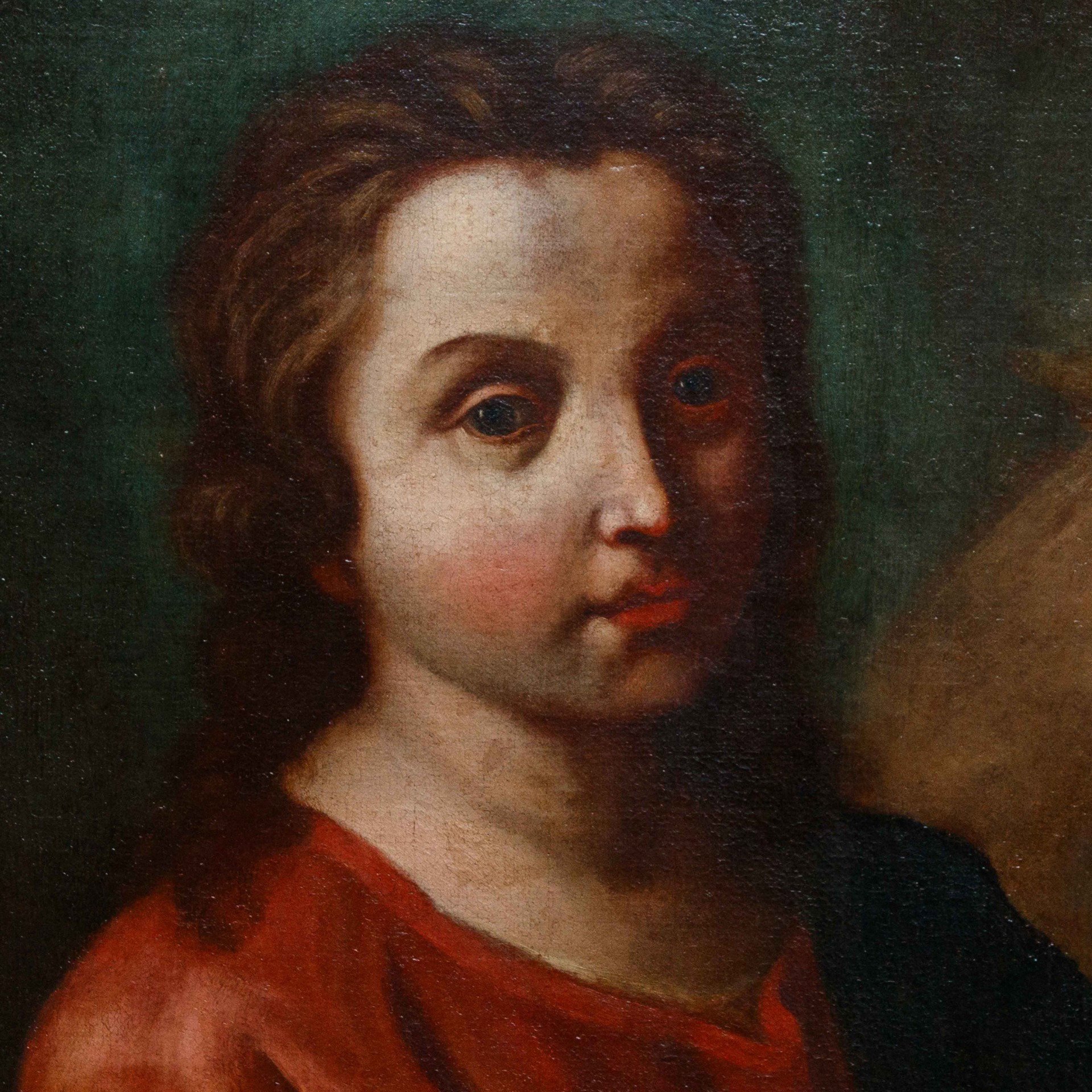
This painting is set within the Venetian pictorial landscape of the 18th century. The use of delicate colors, the curved shapes, and the decorative presence of cherubs, like an architectural element, frame this work in the Rococo style; the chiaroscuro, although present, does not generate excessively intense contrasts, and the background provides greater luminosity, albeit filtered through a presumed cloudy veil. The light tones continue in the delicate reflections of Christ's hair and robes, as well as on his face with its diaphanous skin, similar to that of the two cherubs. The features of Christ appear quite original, almost as if derived from a portrait, as the plump and beardless face makes them rather childlike; the long hair and the fixed gaze towards the viewer, serious and solemn, contribute to contrasting these details. The period and geographical extraction lead this work back to examples of artists close to Giovan Battista Piazzetta (1683-1754), a Venetian painter active in the first half of the 18th century and a student of Antonio Molinari (1655-1704), also Venetian and referable to this pictorial style. From the Baroque to the Rococo, the artistic language was sweetened while maintaining that tonal vivacity that we also find in this work, whose subject lends itself to a deeper reflection on the figure of Jesus, savior of the world, represented by the globe crucifer, and lord of the cosmos. Such an ancient and grandiose iconography is therefore rendered with the right expressive gravity, leaving room for greater serenity and relaxation on the part of Christ, to which must be added the pleasant cherubs on the right, useful both for decorative reasons and to mitigate the intense gaze of the Savior.