Antonio Mancini
(Rome, 1852 – Rome, 1930)
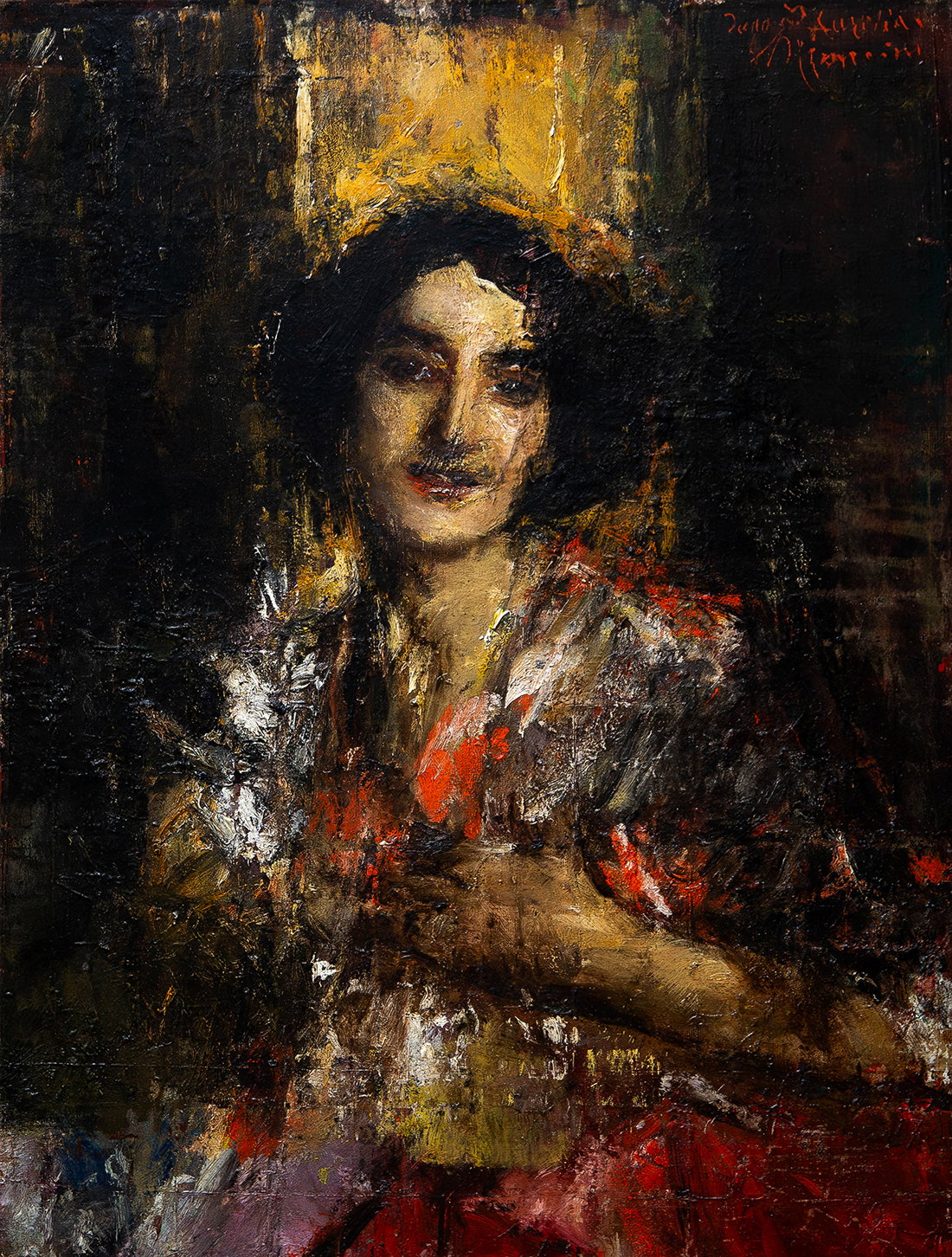
Portrait of Aurelia Ciommi (known as "La Cornacchia")
Author: Antonio Mancini
Title: Portrait of Aurelia Ciommi (known as "La Cornacchia")
Period: Early 20th century (dated between 1905 and 1910)
Medium: Oil on canvas
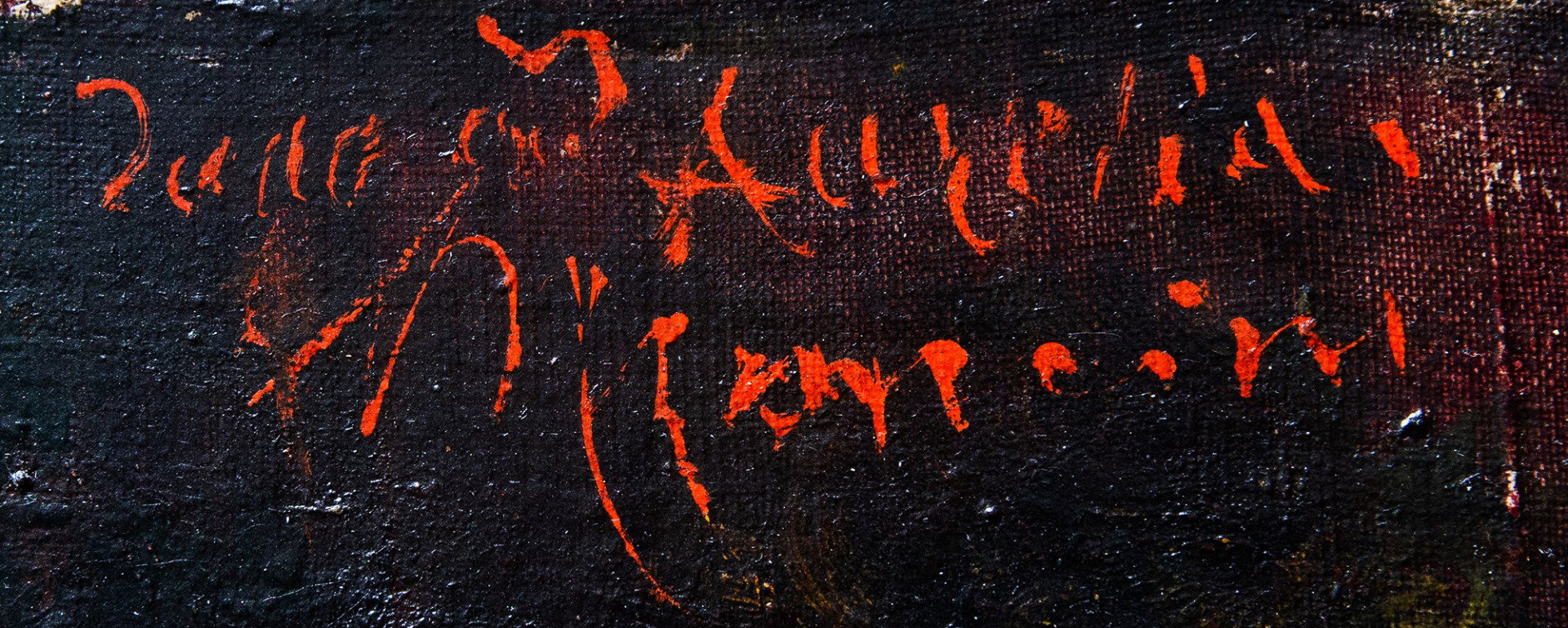
Inscriptions: Signed and dedicated upper right: "Dono ad Aurelia / A. Mancini"
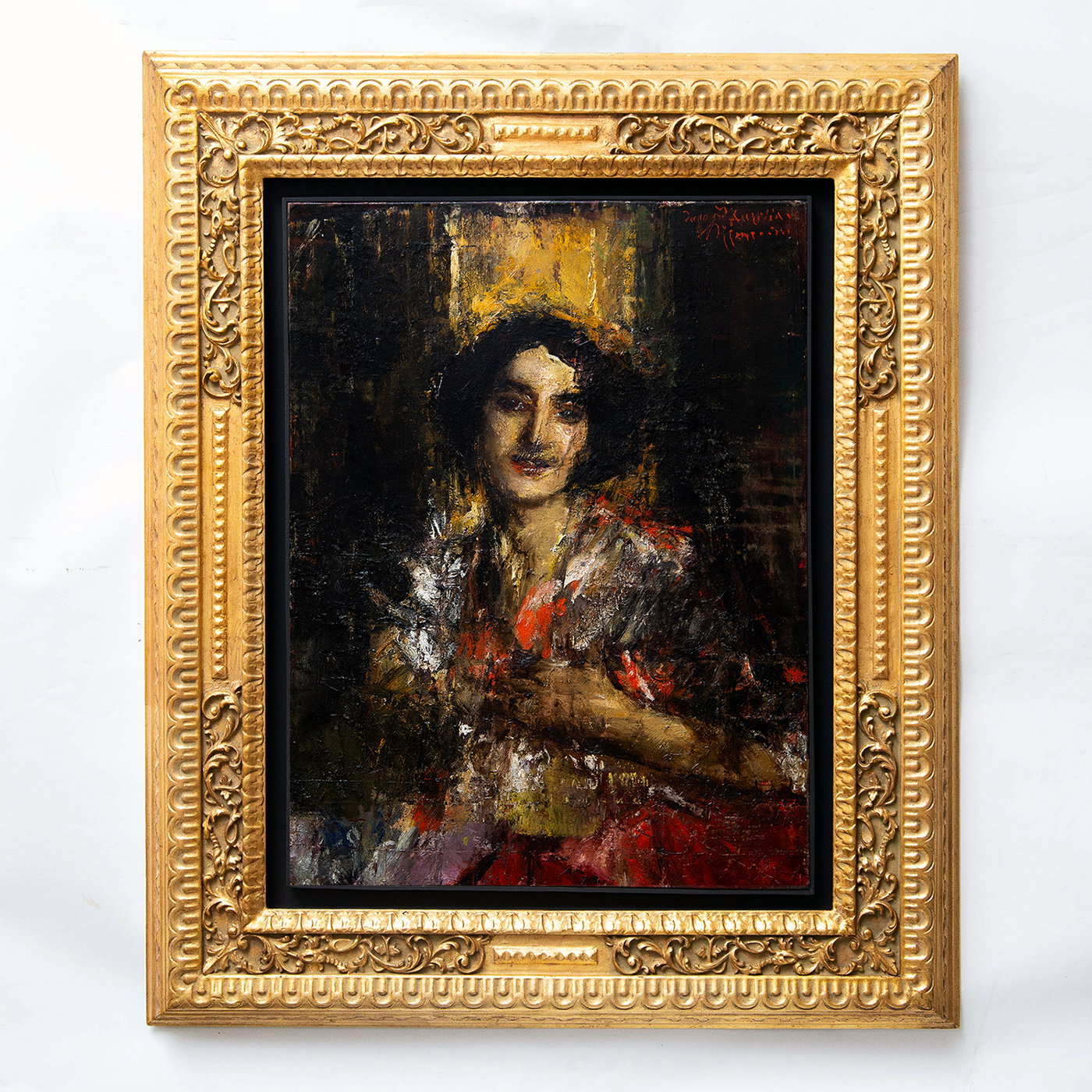
Dimensions (canvas): 76 x 56 cm / with frame: 106.5 x 89 cm
Certificate of authenticity: Accompanied by an official certificate from the Antonio Mancini Archives in Rome.
Description and Critical Analysis
This extraordinary work represents an intimate and vibrant testimony to the artistic maturity of Antonio Mancini, one of the most revolutionary and eccentric masters of Italian painting between the nineteenth and twentieth centuries.
The painting portrays the famous Roman model Aurelia Ciommi, affectionately nicknamed "La Cornacchia" (The Crow) due to her strong, proud features and prominent nose. Ciommi was one of the most important and constant muses in the painter's life, and he immortalized her in several canvases and preparatory studies (among which the celebrated masterpiece Aurelia, dated 1906, now held at the National Gallery in London, stands out).
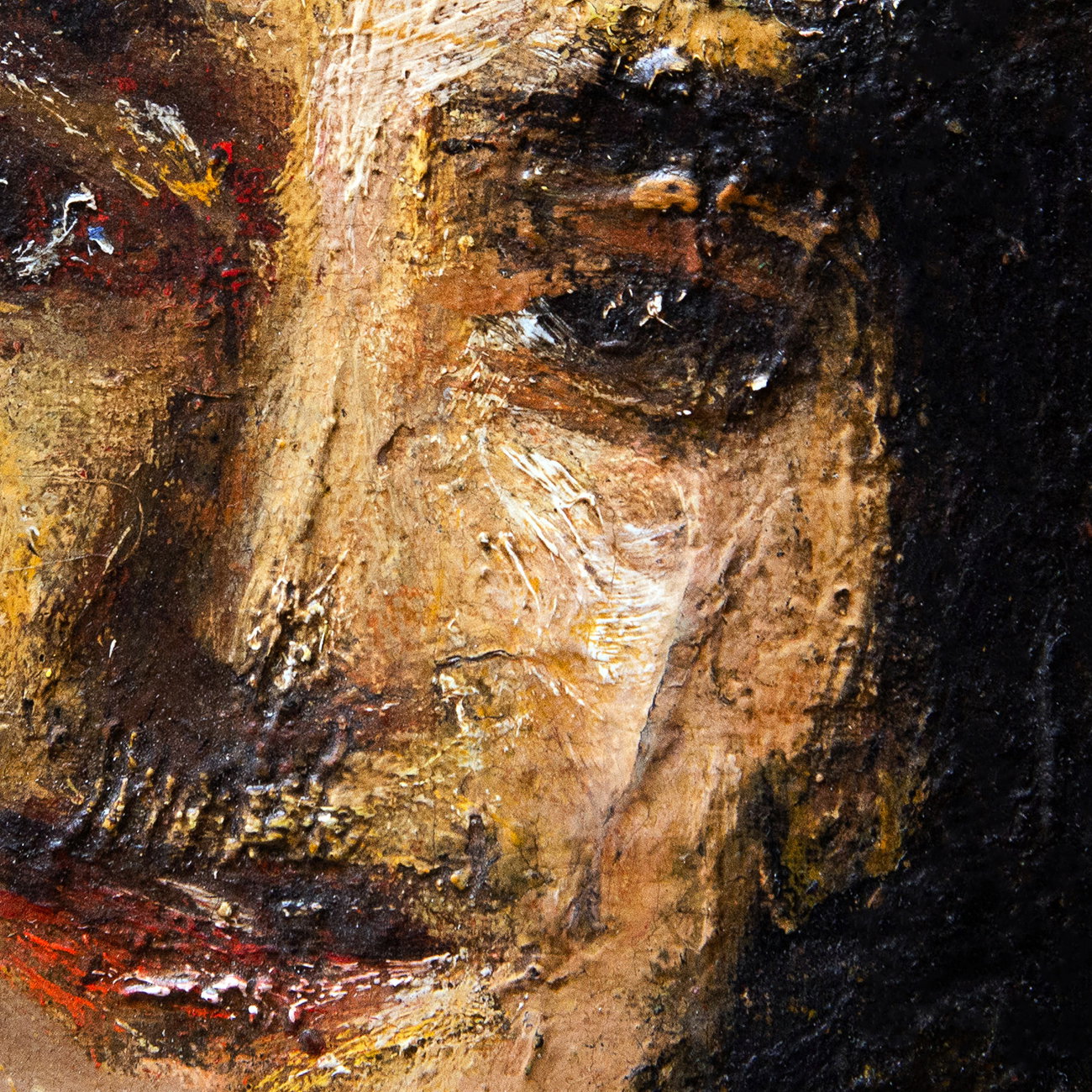
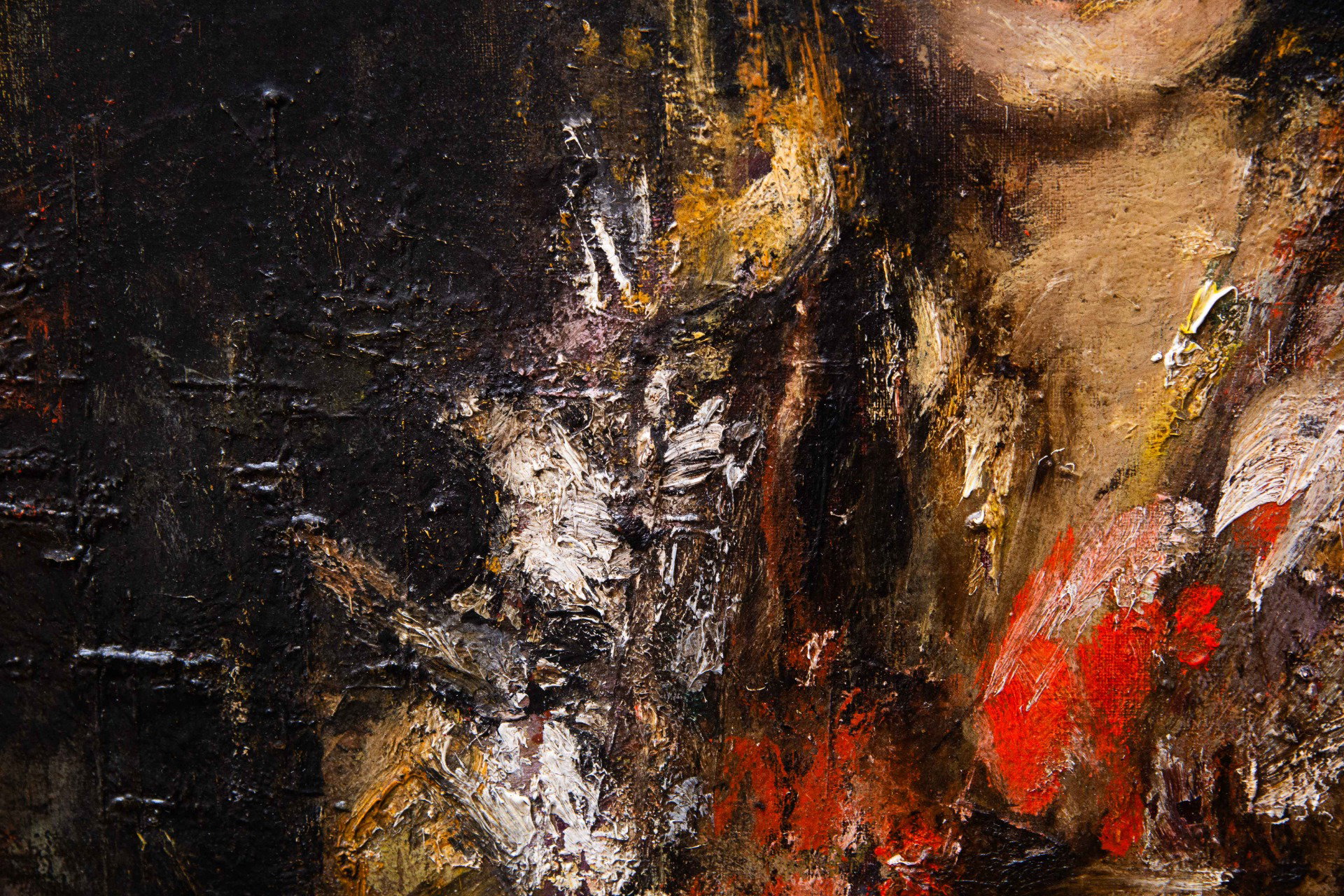
The visible work stands out for its exceptional emotional and material power. Mancini abandons all cold academicism to embrace a painting style of pure instinct and energy:
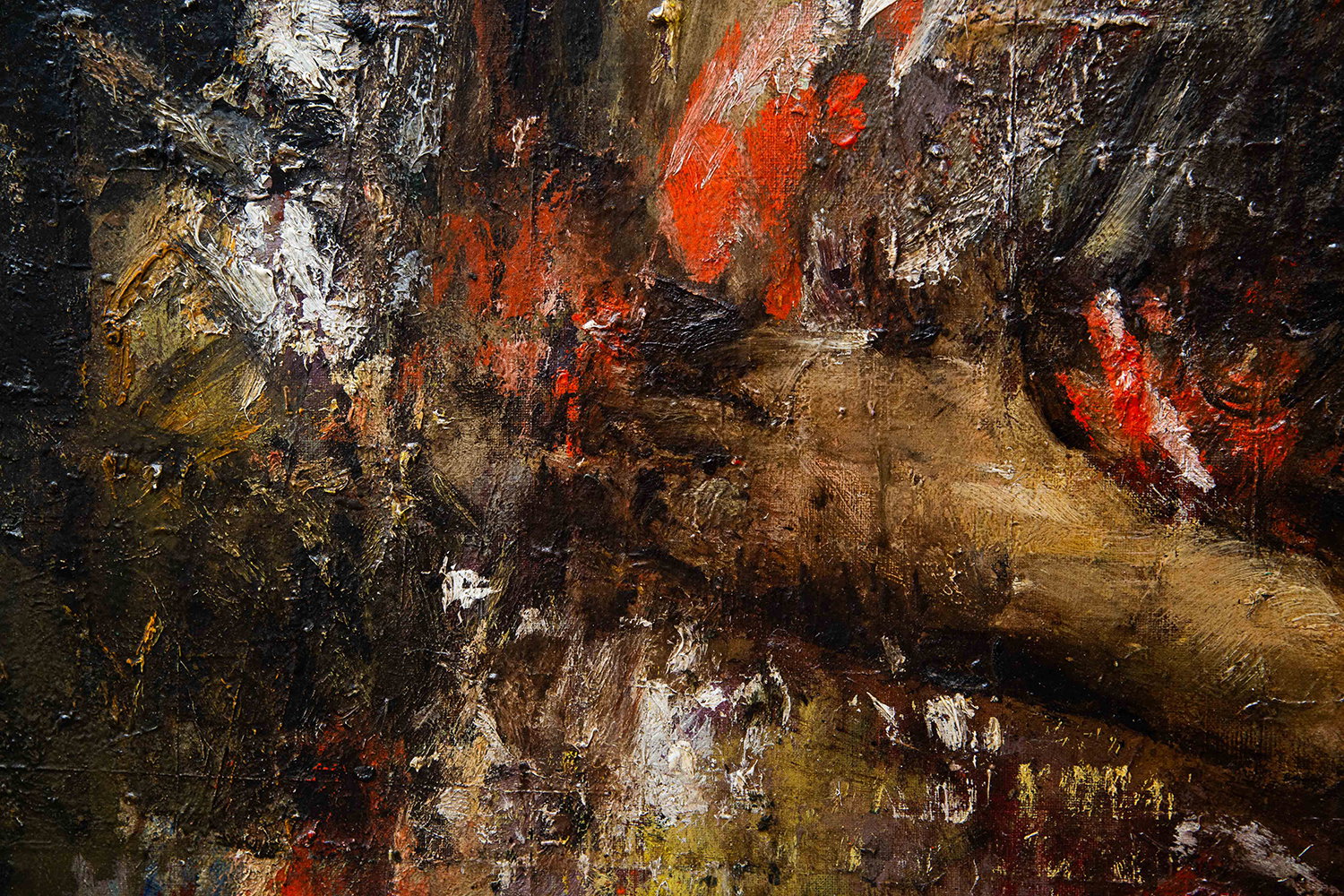
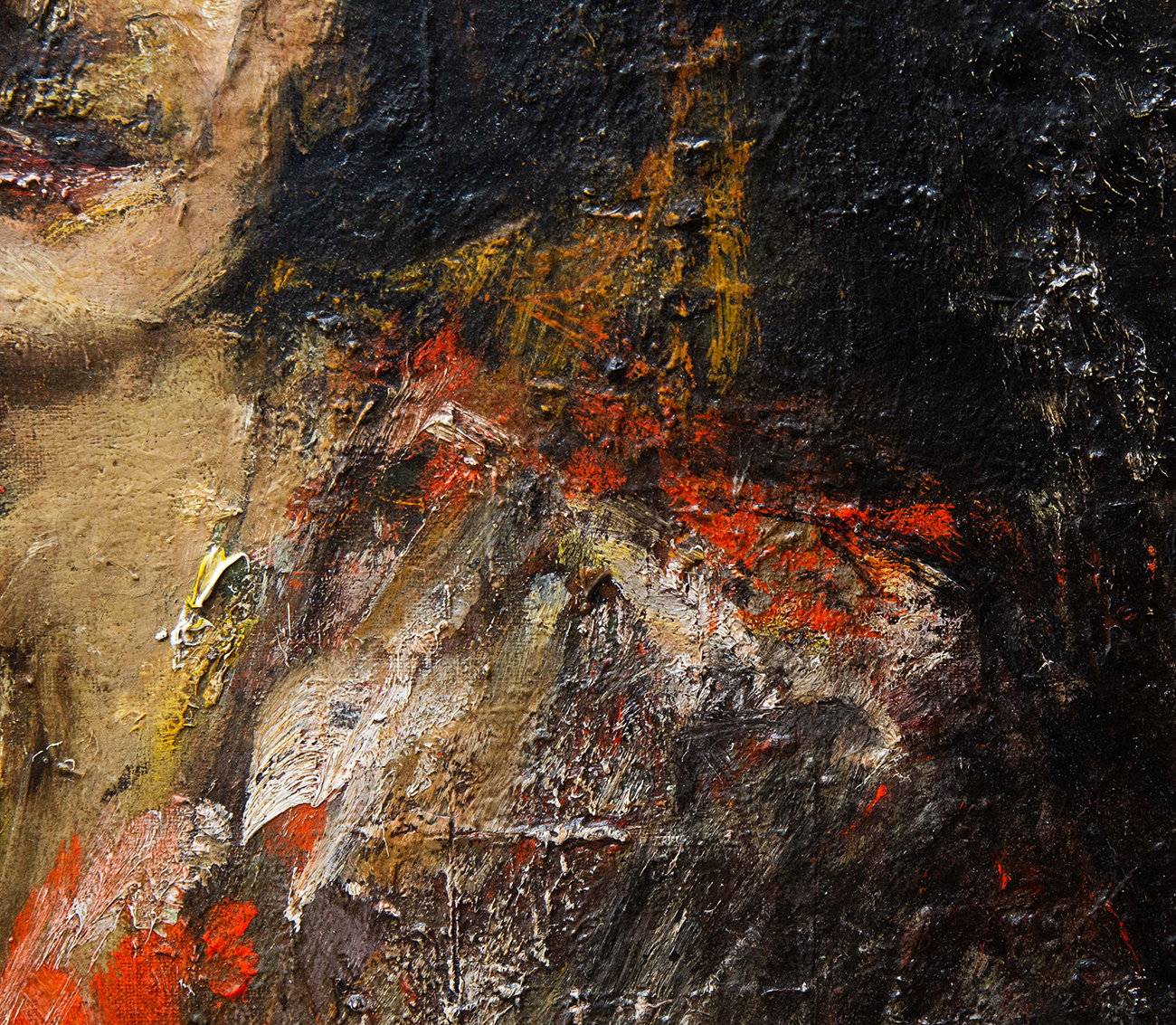
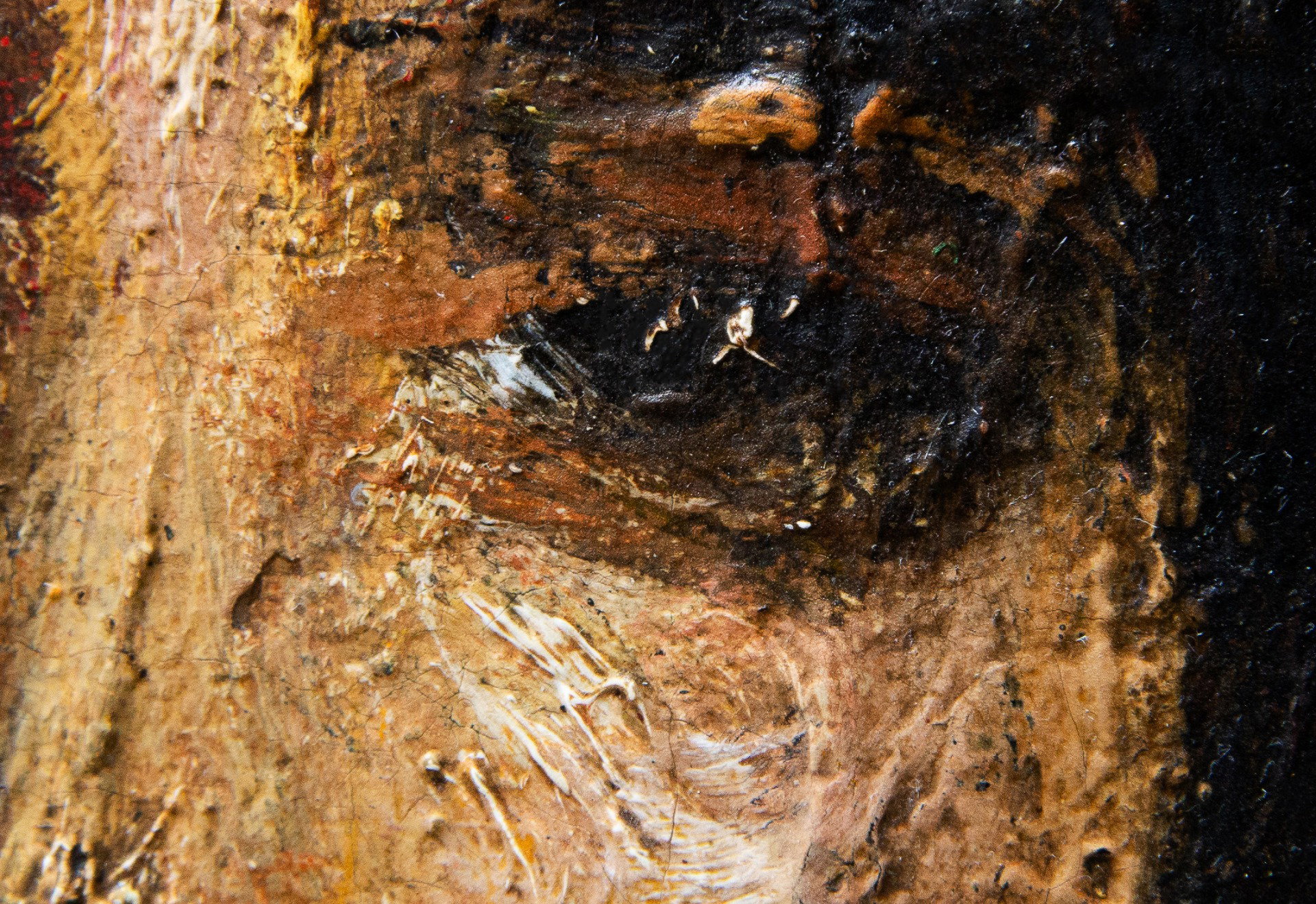
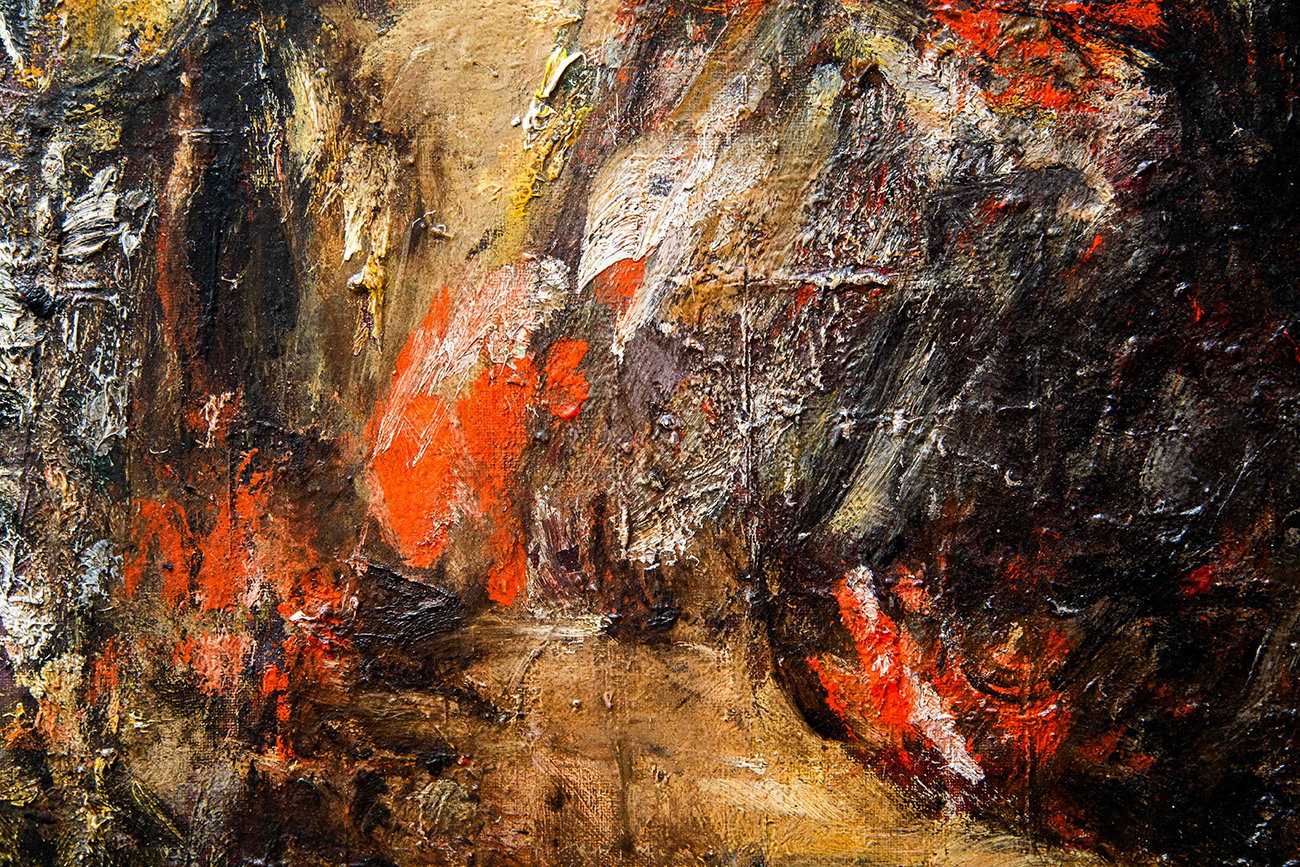
The Material: The canvas is characterized by impressive material experimentation. The color is applied with dense, almost sculptural touches, capable of capturing and reflecting the light in an iridescent manner.
Light and Atmosphere: The deep, dark background highlights the woman's figure with a dramatic, almost Caravaggesque contrast.
The Intimacy of the Gift: The precious autograph dedication at the top right ("Gift to Aurelia / A. Mancini") transforms this painting into an art object of inestimable historical value, sealing the deep personal and professional bond between the artist and his favorite model.
Biographical Note on the Artist
A child prodigy admitted to the Academy of Fine Arts in Naples at just twelve years old, Antonio Mancini lived and worked in the great centers of European art: Rome, Naples, and Paris.
Introduced to the Verist movement at an early age, he worked closely with Édouard Manet's circle and forged bonds of deep respect and friendship with international giants such as John Singer Sargent and Edgar Degas. Famous for his psychological portraits and bold technical experimentation (such as the use of the "grill"), Mancini is today unanimously considered one of the greatest exponents of modern Italian painting.