
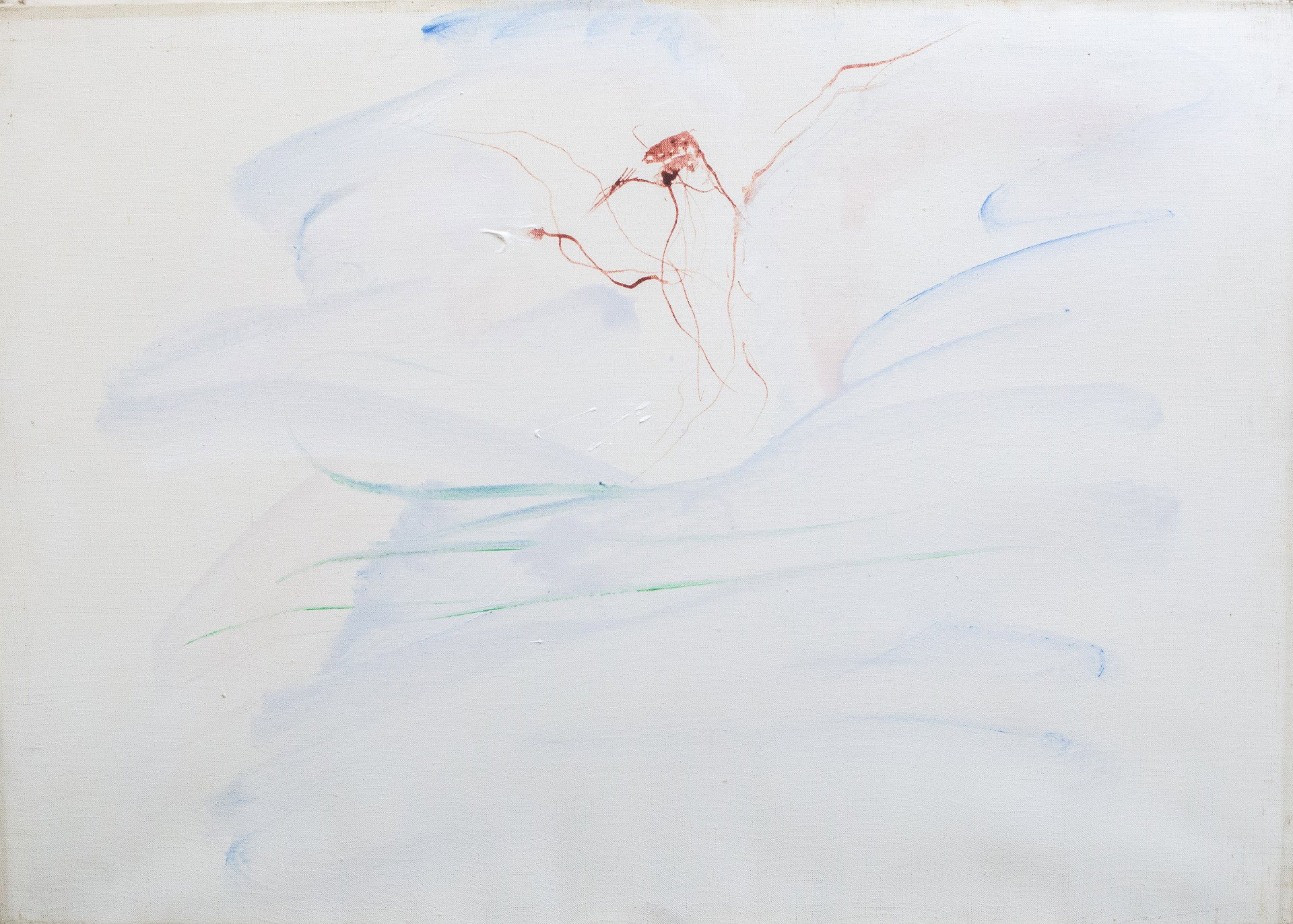
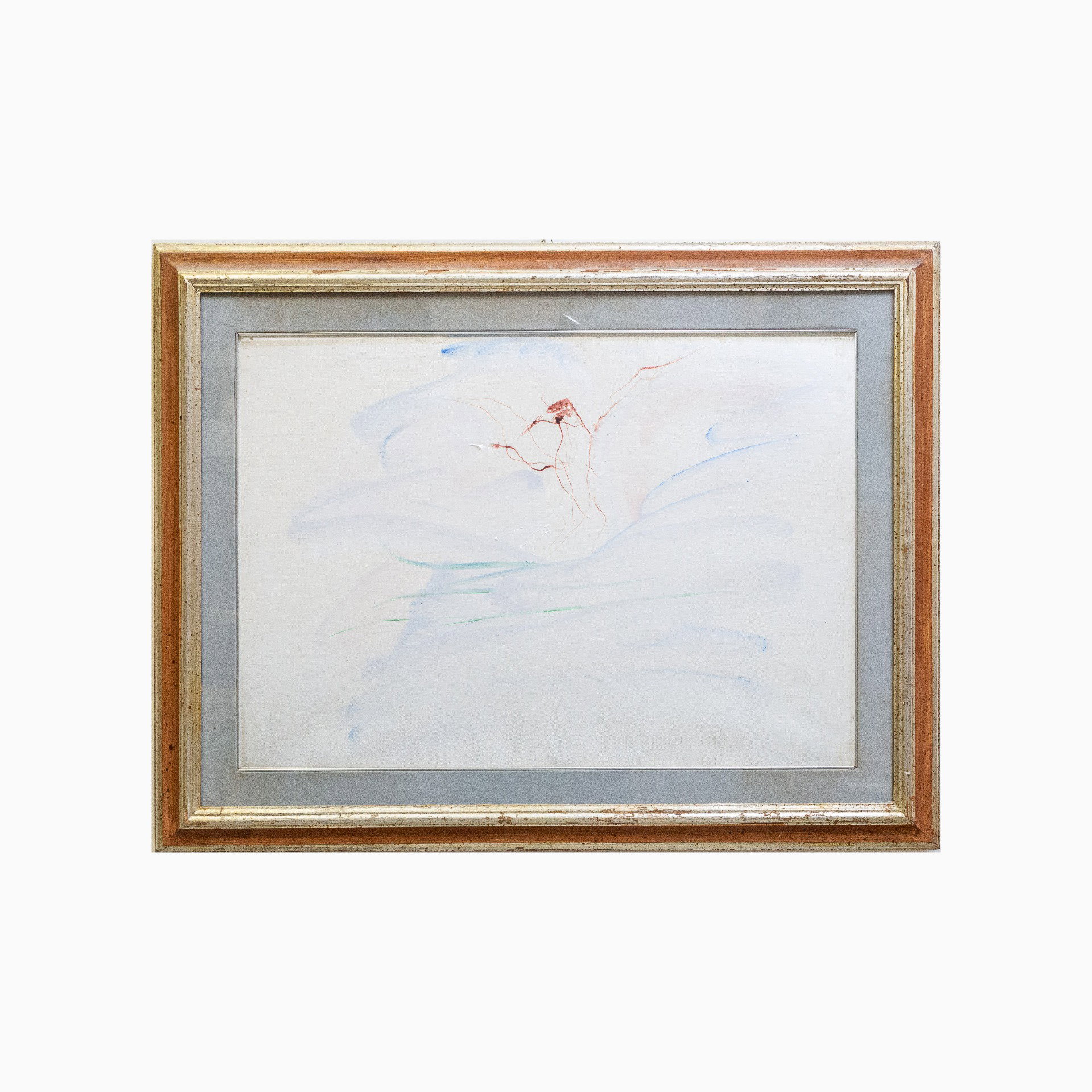
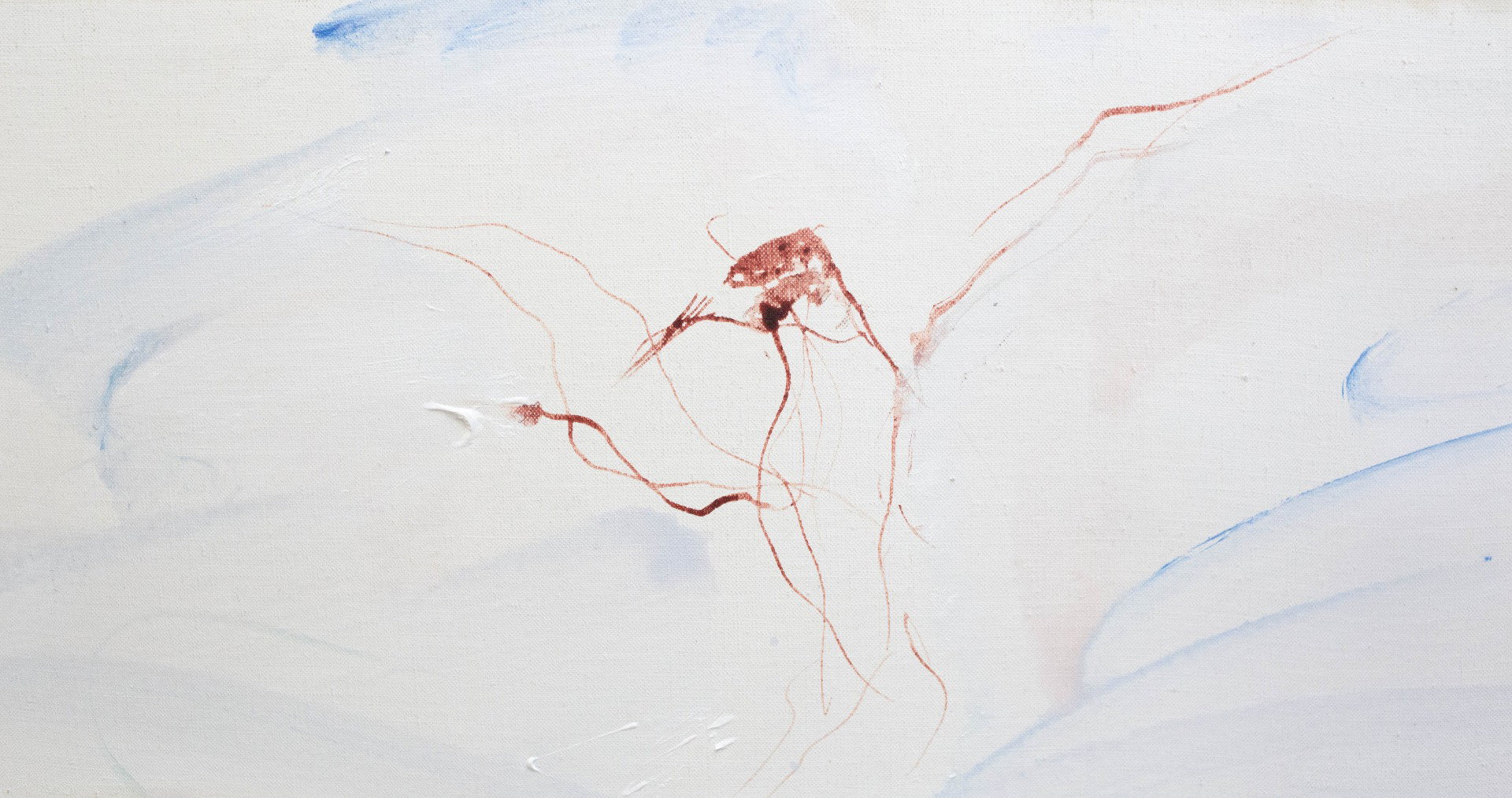
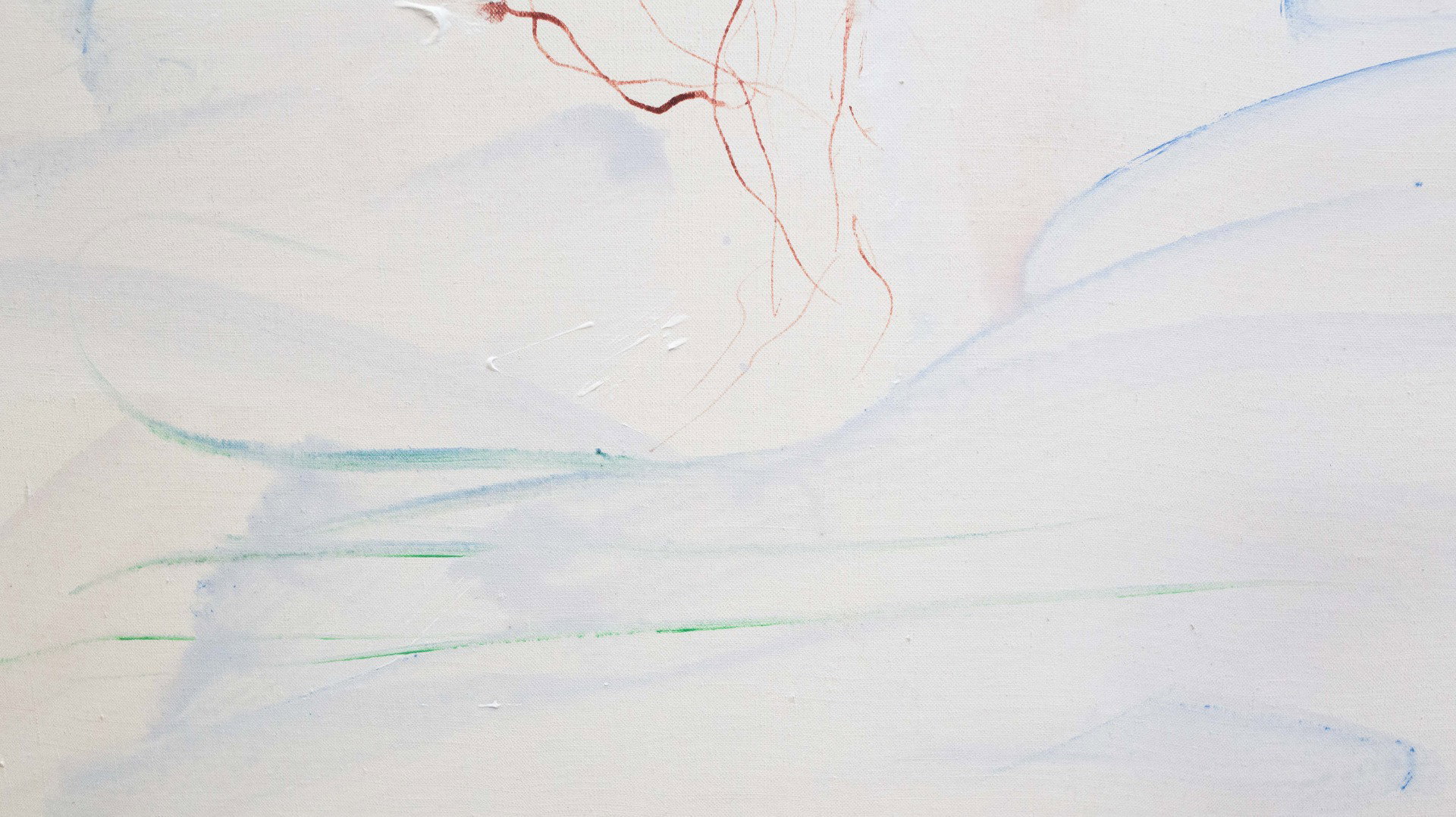
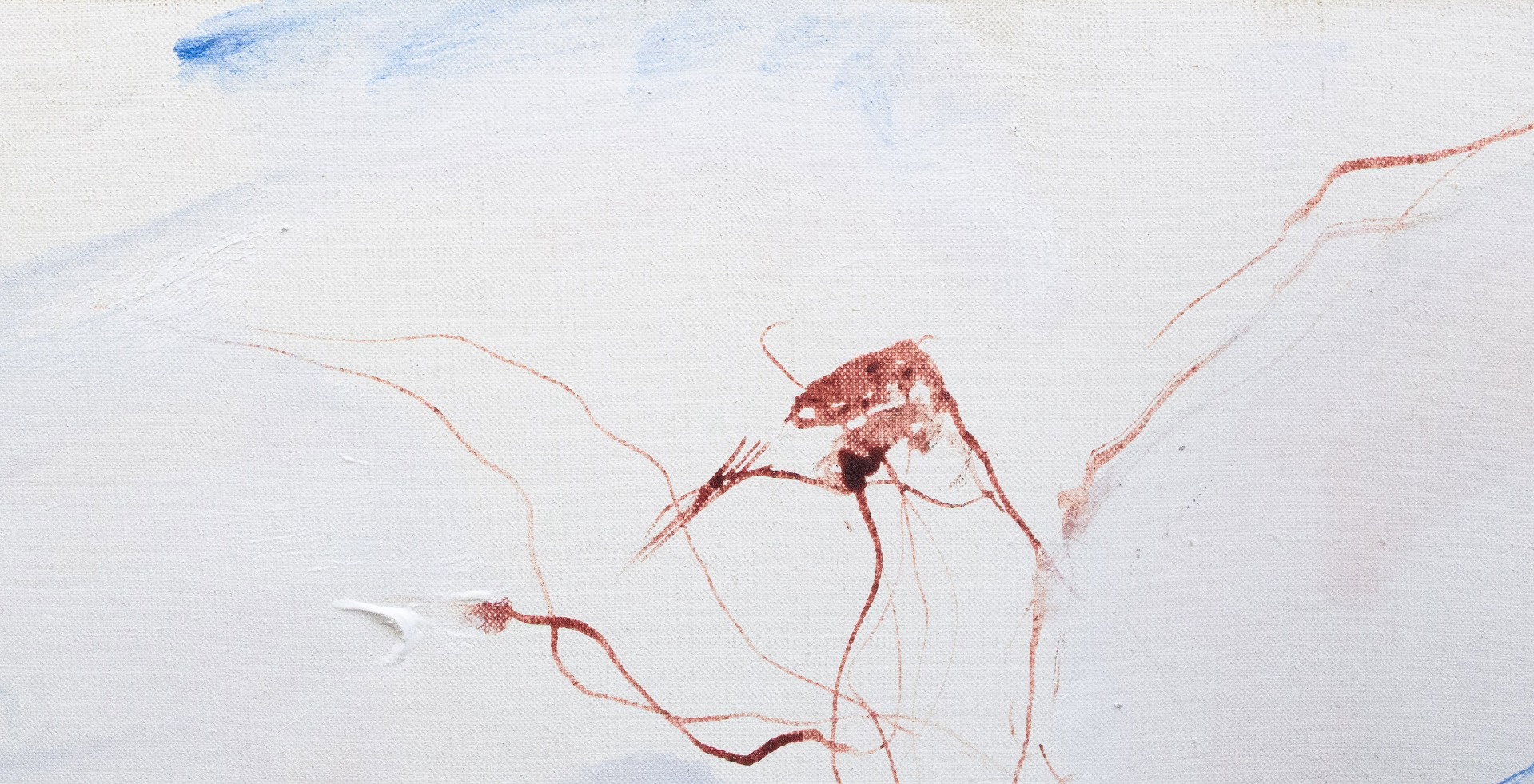
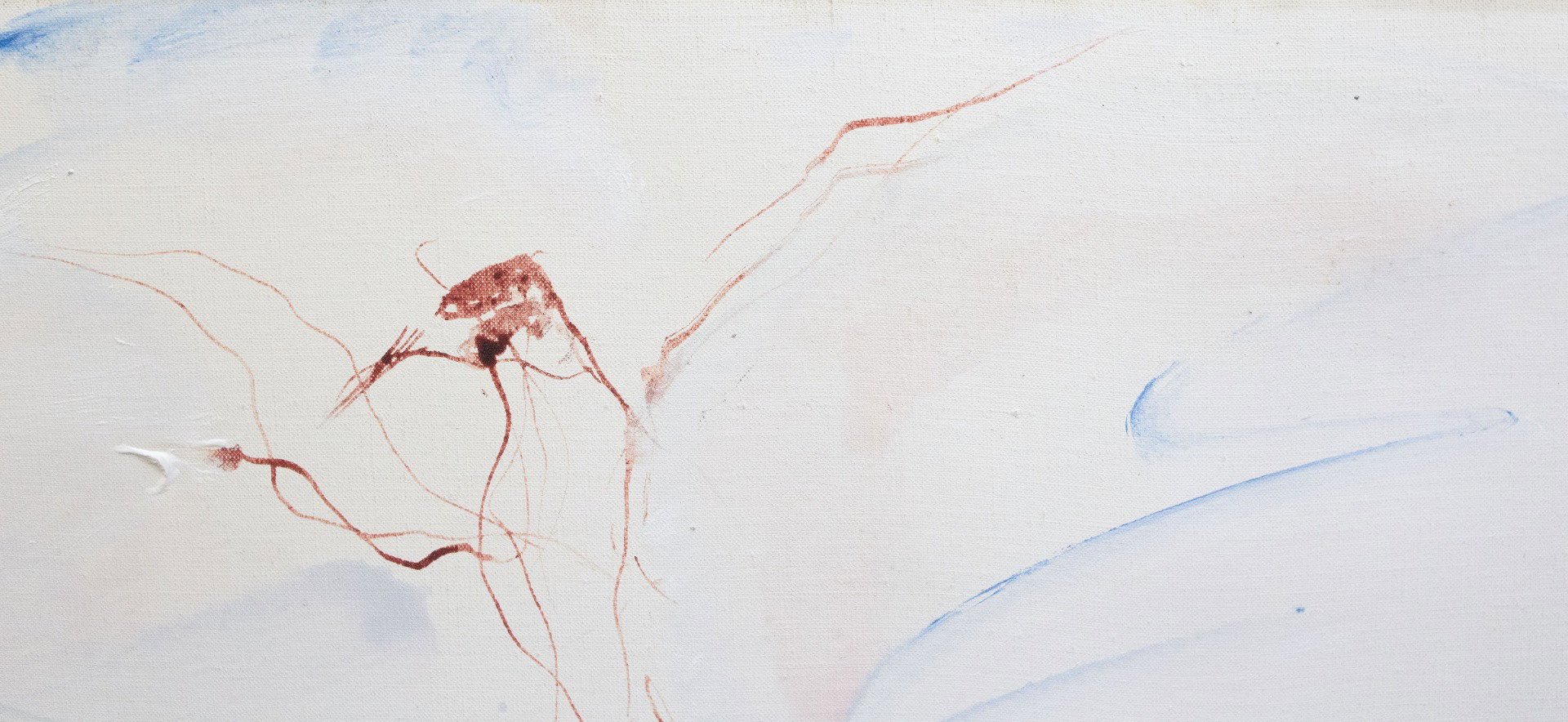
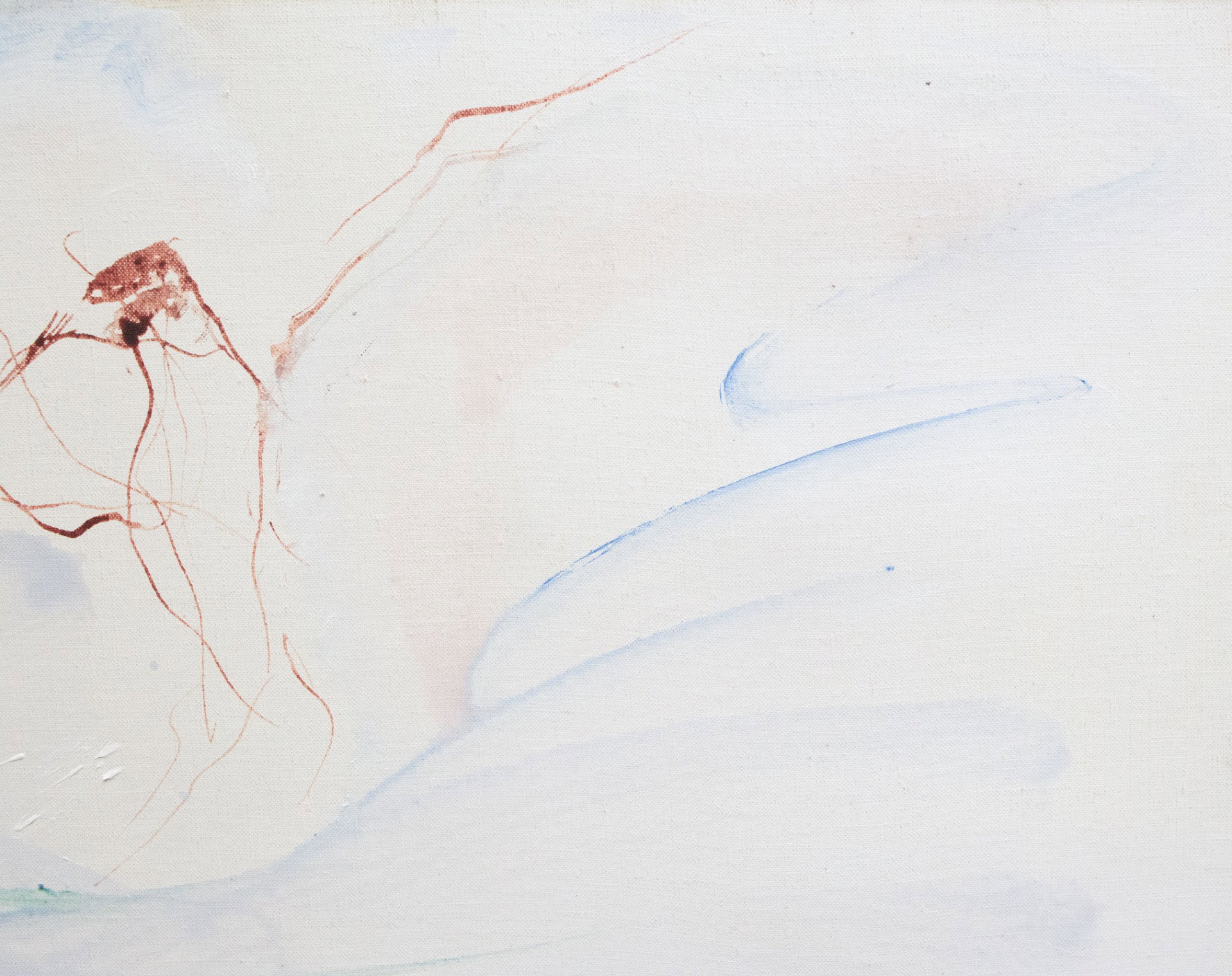
Ernesto Treccani, "Gabbiano", acrilico su tela, Epoca '900
Bel dipinto raffigurante gabbiano in volo, nell'opera possiamo ammirrare il neorealismo italiano.
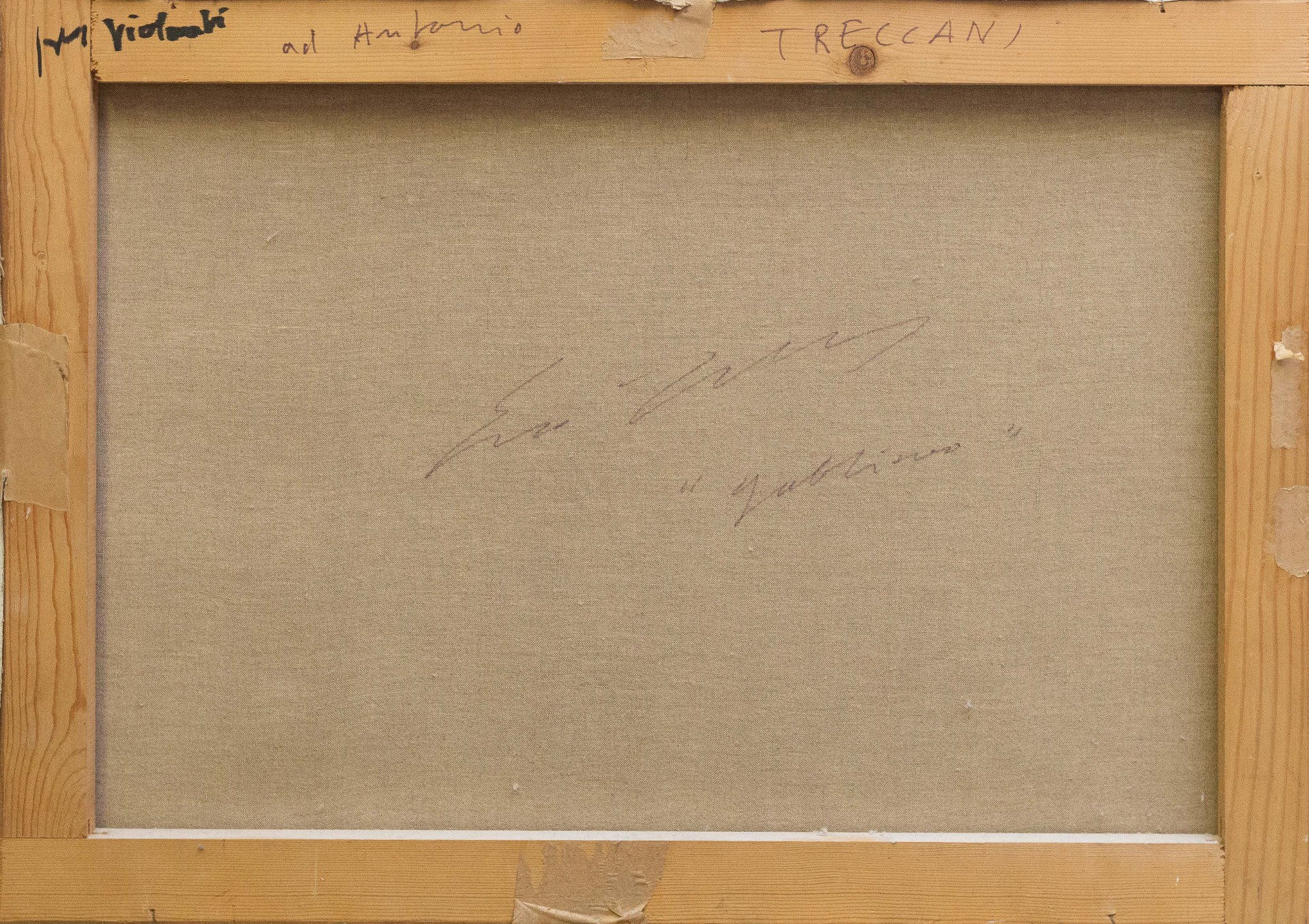
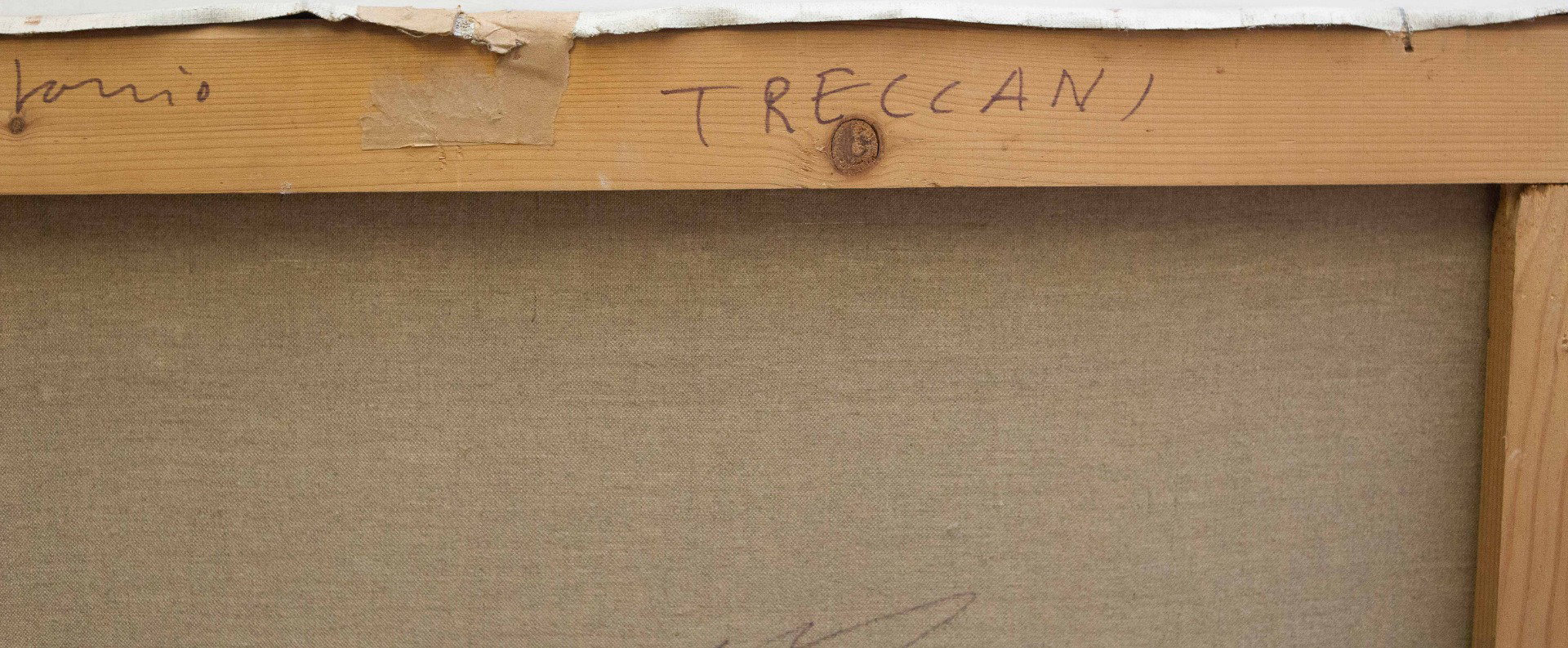
Al retro della tela titolo e firma dell'autore
Misure: Tela 50 x 70 cm.
Treccani, Ernesto. Pittore e incisore nasce a Milano nel 1920 dove muore nel 2009. E' tra i fondatori (1938) del gruppo Corrente che a Milano riuniva artisti d'indirizzo diverso ma impegnati nella lotta politica antifascista, ha poi partecipato alla Resistenza. Nel dopoguerra, mantenendo con coerenza il proprio impegno politico e civile, è stato fra i più significativi esponenti del neorealismo italiano. Fondatore e direttore, a 18 anni, della rivista “Corrente”, soppressa nel giugno 1940 allo scoppio della guerra, ha esposto le sue prime opere alla Bottega di Corrente con gli amici Birolli, Guttuso, Migneco, Sassu e, successivamente, con Cassinari e Morlotti alla Galleria della Spiga e Corrente. La prima mostra personale, allestita alla galleria Il Milione di Milano, risale al 1949. Negli anni '50, oltre a esporre più volte alla Biennale di Venezia, ha partecipato alla mostra dei realisti alla Leicester Gallery di Londra ed esposto a New York con una personale alla Heller Gallery. Autore di opere di una intensa espressività cromatica, ha trovato principale fonte d'ispirazione nelle periferie industriali e nell'esperienza vissuta nel Mezzogiorno
Ernesto Treccani, "Seagull," acrylic on canvas, 1900s era
Beautiful painting depicting seagull in flight, in the work we can admire Italian neorealism.
On the back of the canvas title and signature of the author
Measurements: Canvas 50 x 70 cm.
Treccani, Ernesto. Painter and engraver was born in Milan in 1920 where he died in 2009. He was among the founders (1938) of the Corrente group, which in Milan brought together artists of different orientations but committed to the anti-fascist political struggle; he later participated in the Resistance. In the postwar period, consistently maintaining his political and civil commitment, he was among the most significant exponents of Italian neorealism. Founder and director, at age 18, of the magazine "Corrente," which was suppressed in June 1940 at the outbreak of war, he exhibited his first works at the Bottega di Corrente with his friends Birolli, Guttuso, Migneco, and Sassu, and later with Cassinari and Morlotti at the Galleria della Spiga and Corrente. His first solo exhibition, held at the Il Milione gallery in Milan, was in 1949. In the 1950s, in addition to exhibiting several times at the Venice Biennale, he participated in the exhibition of realists at the Leicester Gallery in London and exhibited in New York with a solo show at the Heller Gallery. The author of works with an intense chromatic expressiveness, he found his main source of inspiration in the industrial suburbs and his experience in the Mezzogiorno