Antonio Ligabue, "Animais em Luta" escultura em bronze, Anos 40
Descrição:
Antonio Ligabue, "Animais em Luta" escultura em bronze, Anos 40
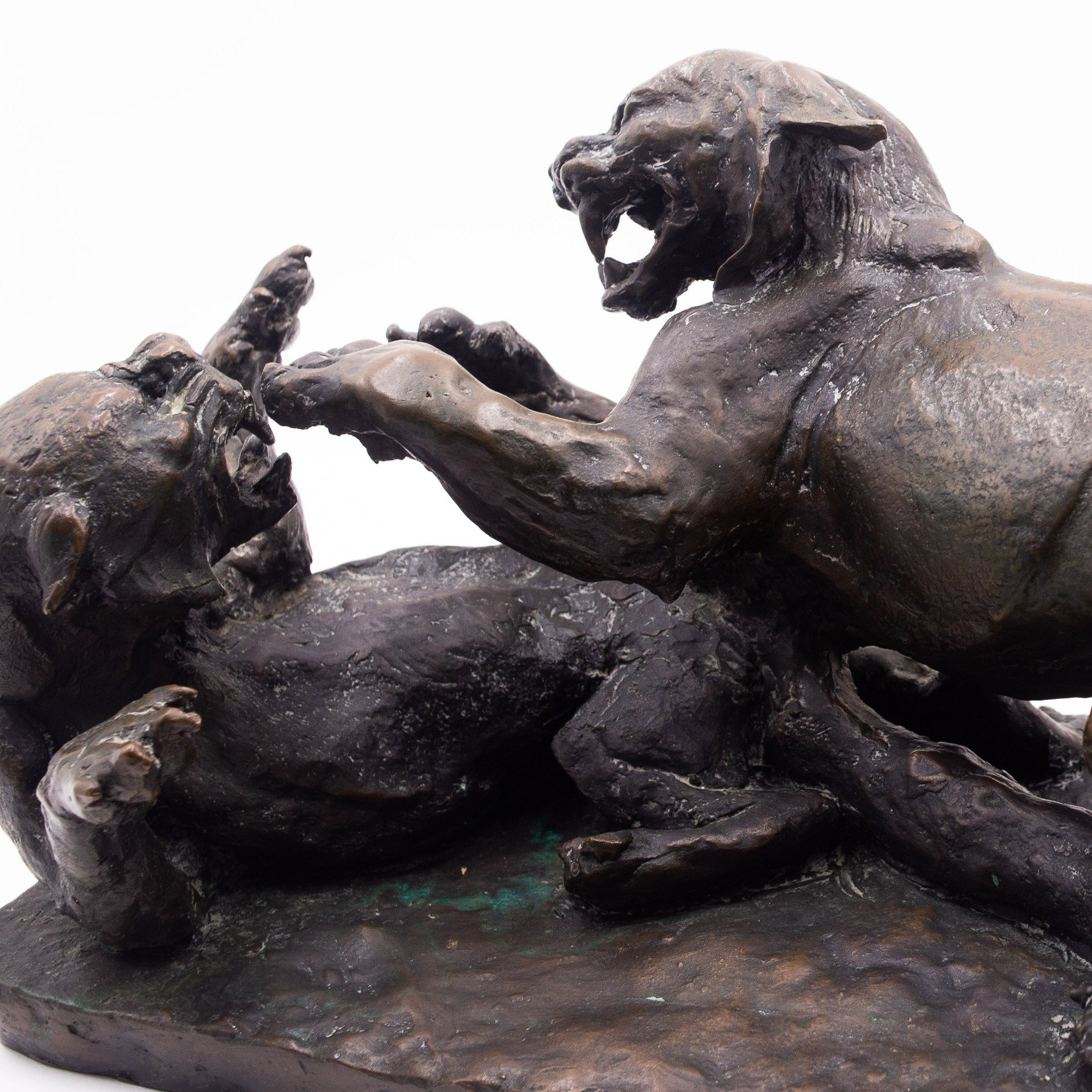
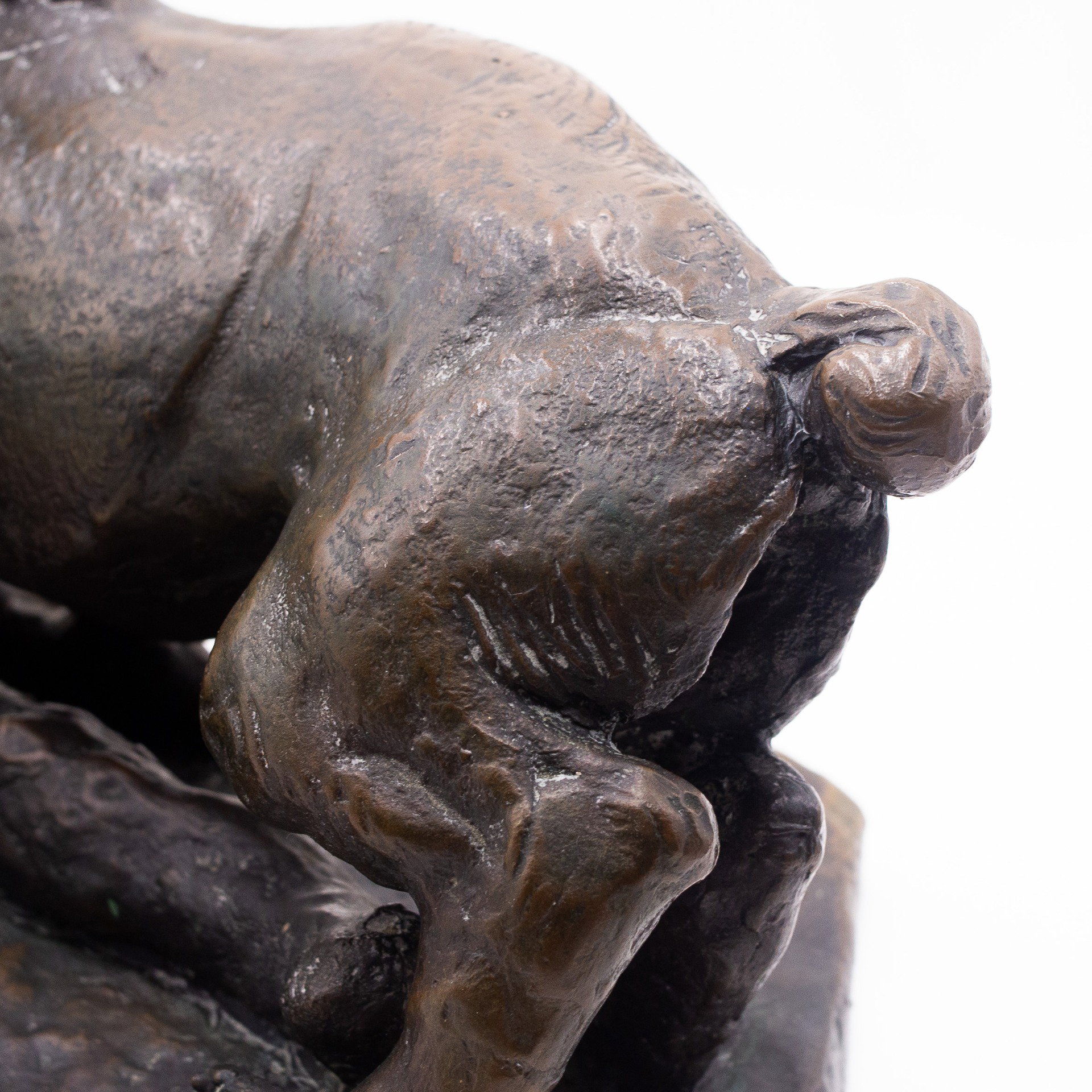
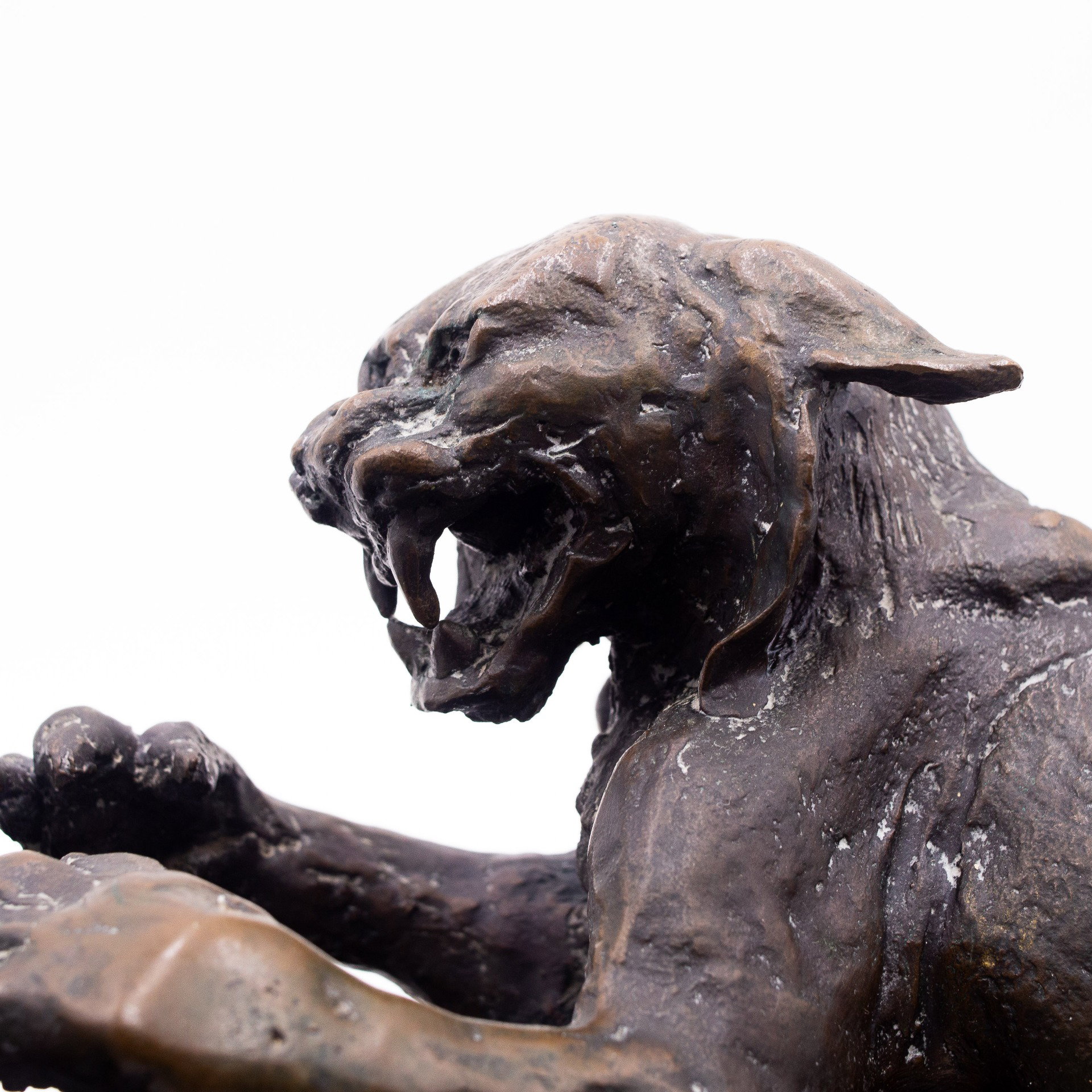
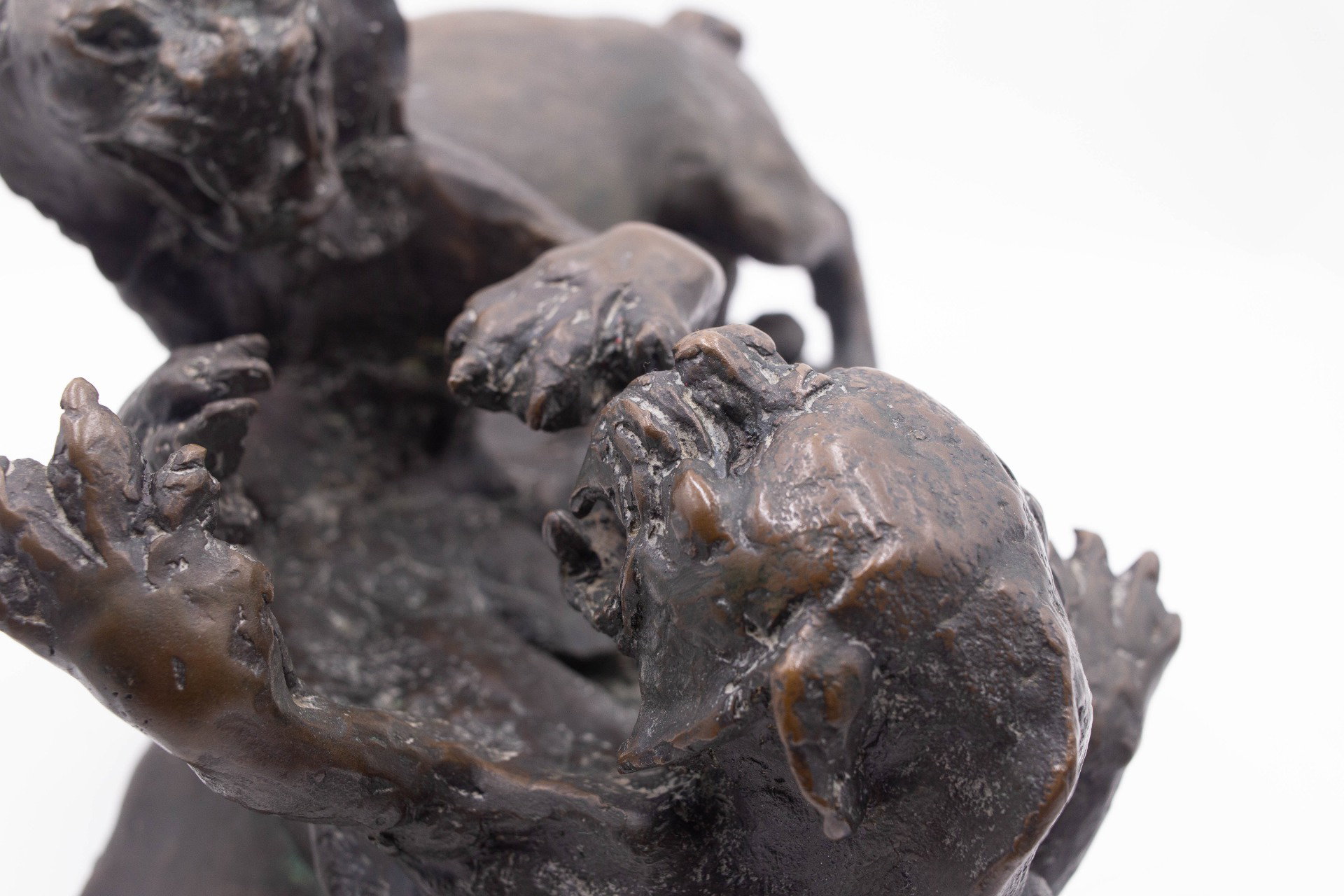
"Animais em Luta" escultura em bronze de Antonio Ligabue.
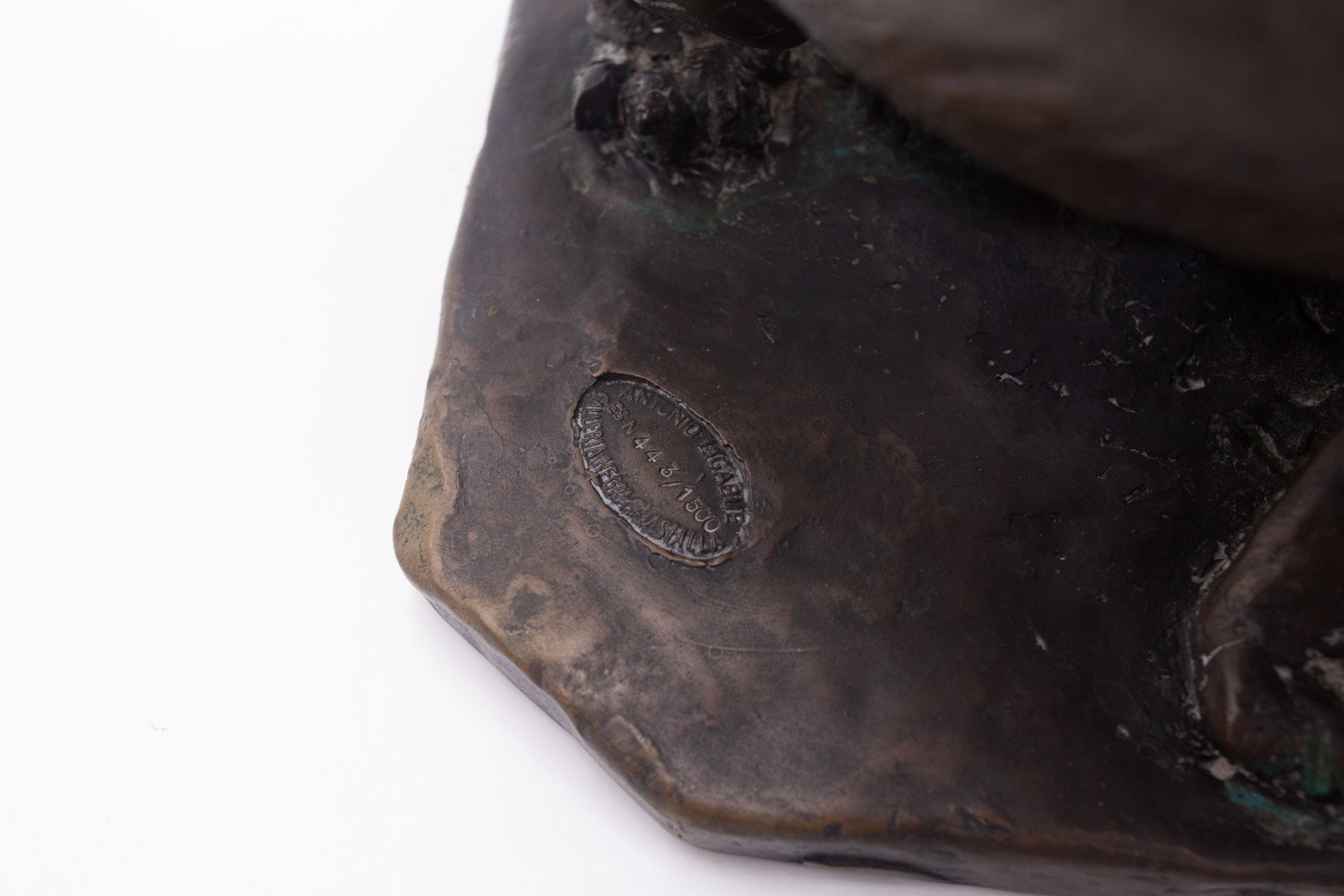
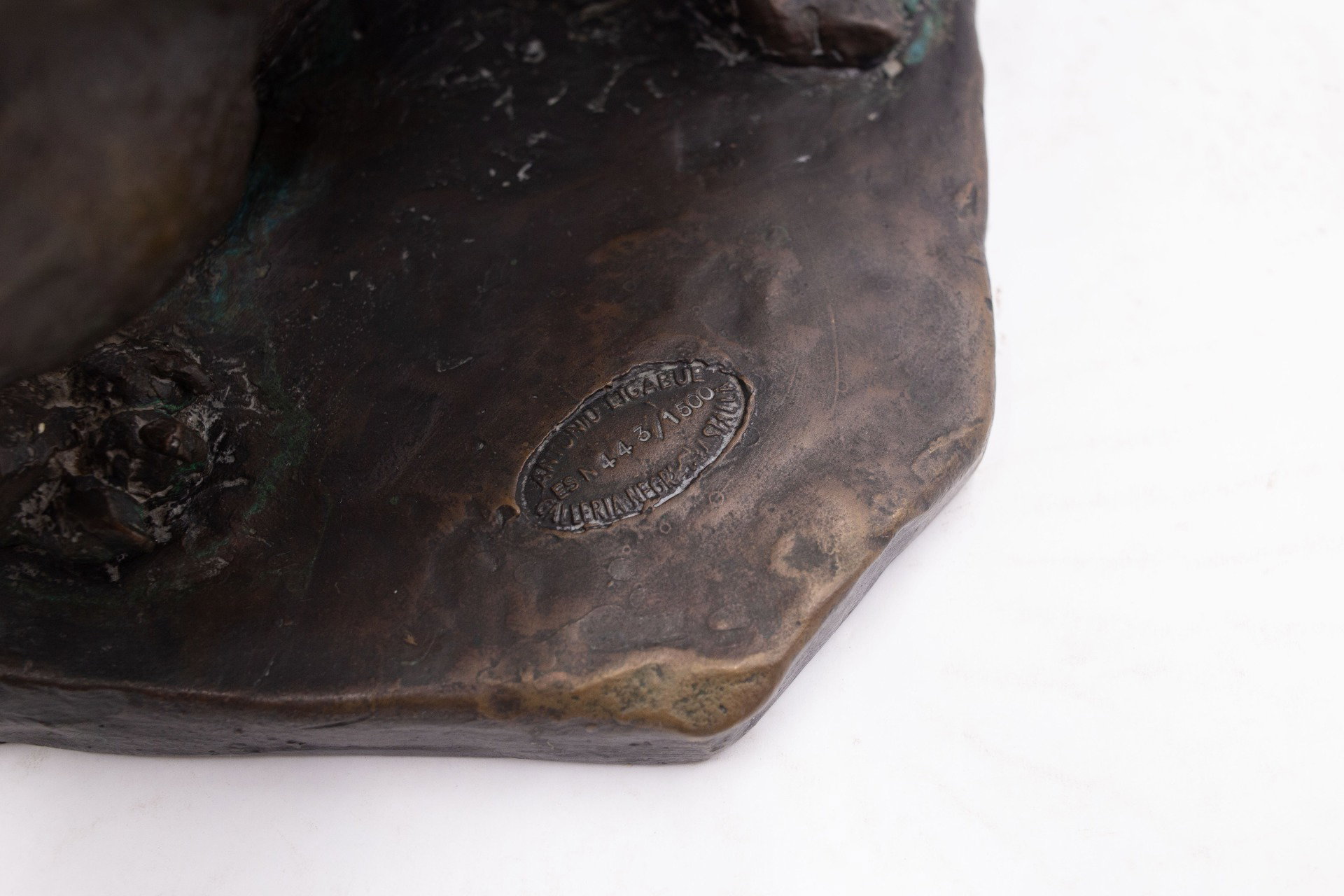
Carimbo com tiragem na base.
Certificado de garantia e autenticidade Antonio Ligabue (Zurique 1899 - Gualtieri 1965), cm. 21,5x37x20,5; ex. 443/1500
Escultura em bronze com tiragem limitada em todo o mundo a 1500 exemplares numerados, progressivamente de 1 a 1500 mais um múltiplo, não numerado, doado ao "Museu Antonio Ligabue" de Gualtieri. Não existem provas d'artista ou numerações diferentes do que foi declarado.
"Escultura em barro modelada por Ligabue, presumivelmente por volta dos anos 1936-1942. É sem dúvida uma das esculturas mais importantes do artista, tanto pela intensidade expressiva, quanto pelo equilíbrio formal e pelo conteúdo. É uma luta entre um lince e um gato selvagem, onde a raiva, a ferocidade, a agressividade são expressas com tanto realismo que nos faz acreditar que o autor se identifica com o animal que geralmente é agredido, expressando assim a angústia que perseguiu o artista por toda a vida."
Antonio Ligabue, "Animais em Luta" (Animals Fighting) bronze sculpture, Anos 40
"Animais em Luta" (Animals Fighting) bronze sculpture by Antonio Ligabue.
Stamped with edition number on the base.
Certificate of guarantee and authenticity Antonio Ligabue (Zurich 1899 - Gualtieri 1965), 21.5x37x20.5 cm; ex. 443/1500
Bronze sculpture with a limited edition of 1,500 numbered copies worldwide, numbered consecutively from 1 to 1,500, plus one unnumbered multiple donated to the “Museo Antonio Ligabue” in Gualtieri. There are no artist's proofs or different numbering from that stated.
"Clay sculpture modeled by Ligabue, presumably around 1936-1942. It is undoubtedly one of the artist's most important sculptures, both for its expressive intensity and for its formal balance and content. It depicts a fight between a lynx and a wild cat, where rage, ferocity, and aggression are expressed with such realism that we are led to believe that the author identifies with the animal that is usually attacked, thus expressing the anguish that haunted the artist throughout his life."