Graat Barend (Amsterdam, 1628 – 1708)
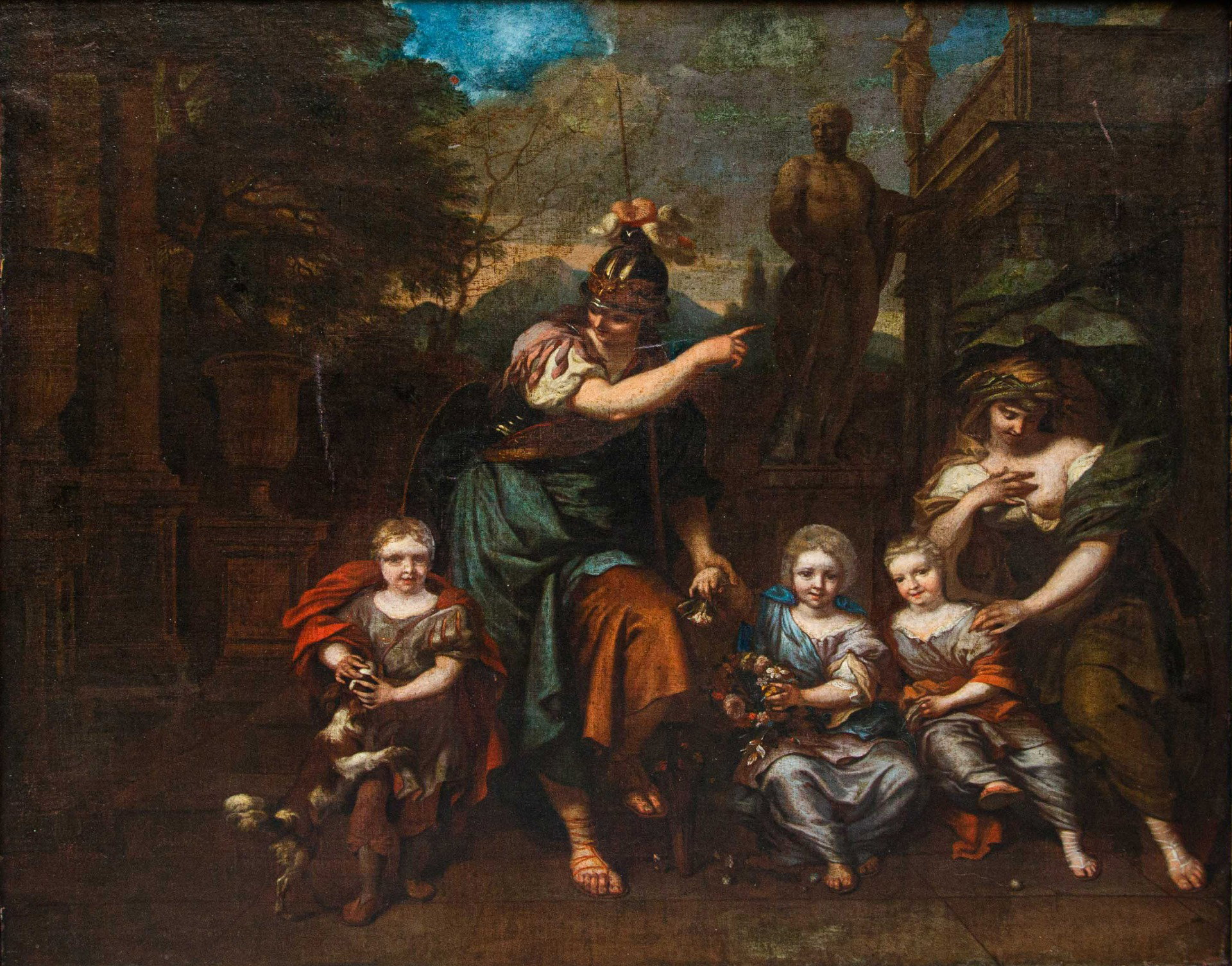
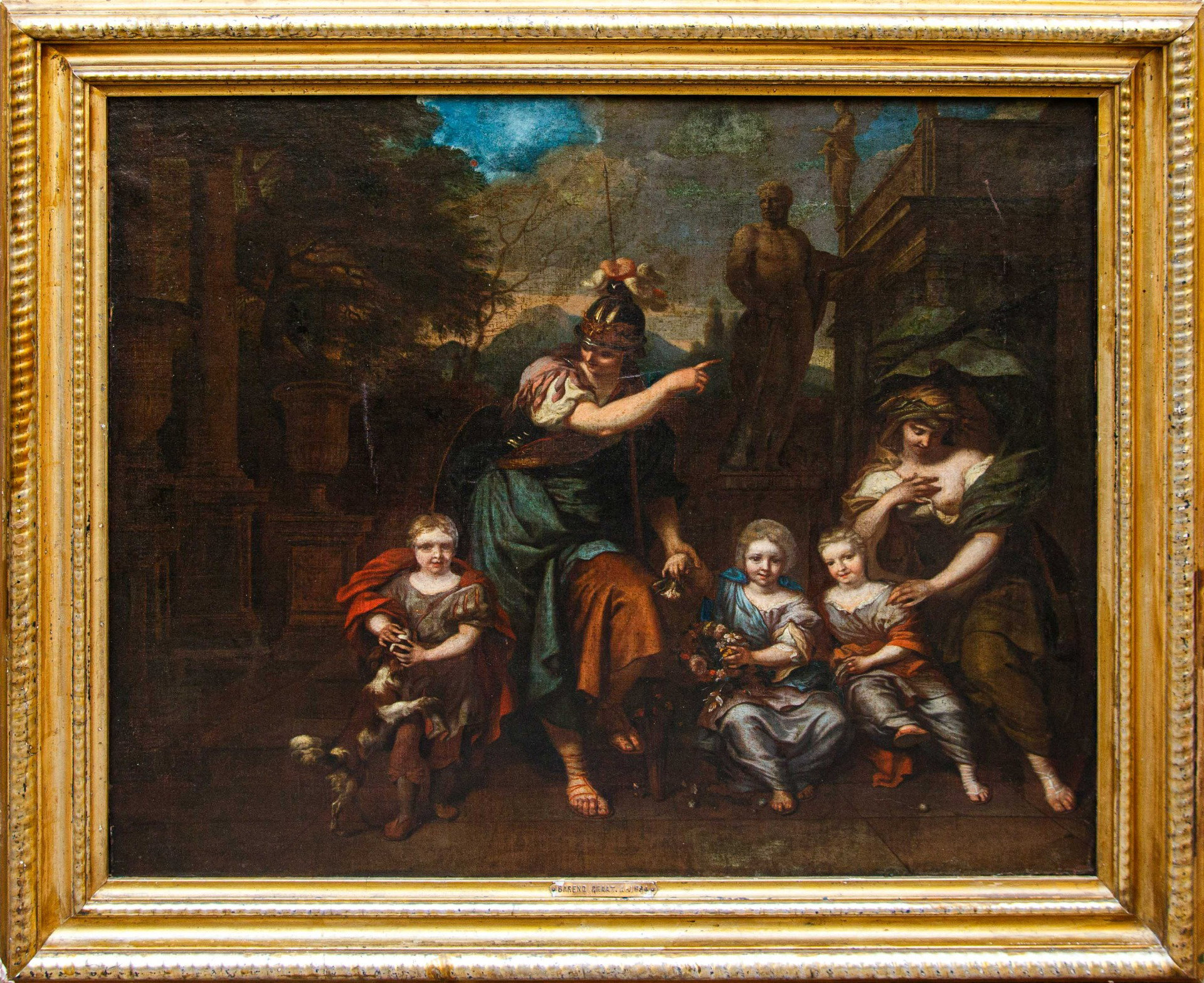
The Education of Three Children by Minerva and Ceres
Oil on canvas, 80 x 94 cm
Signed and dated lower left "B. Graat f / 1694"
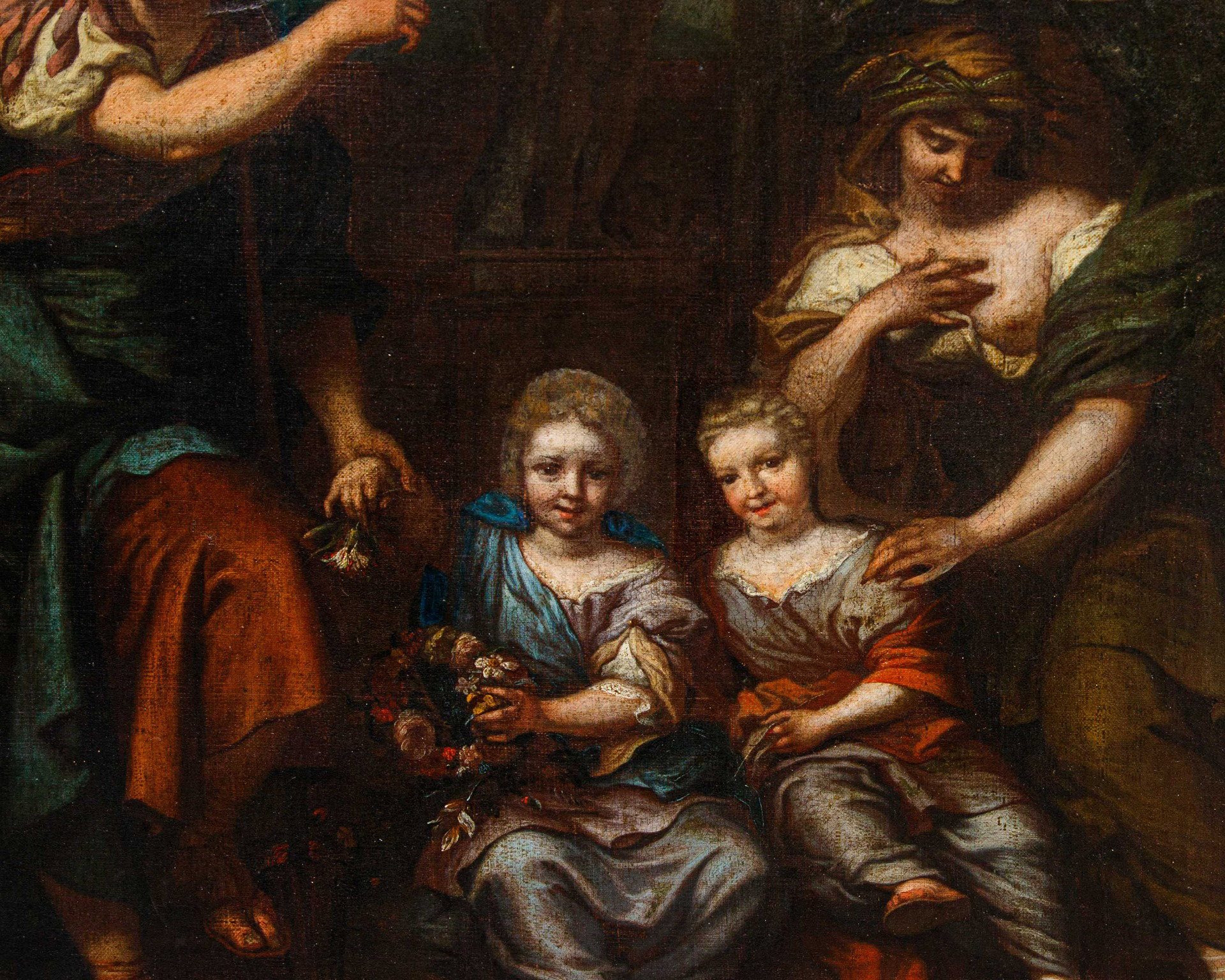
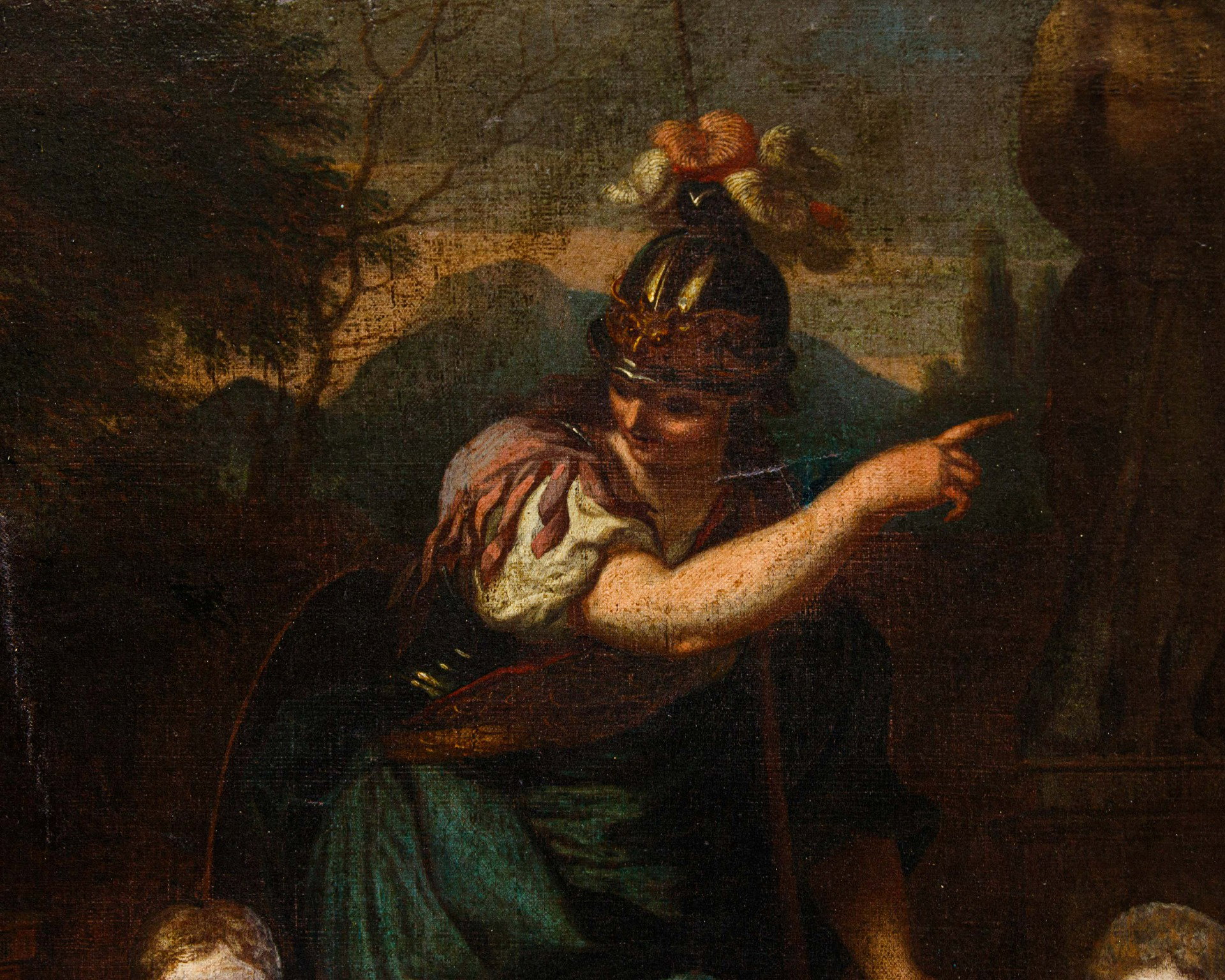
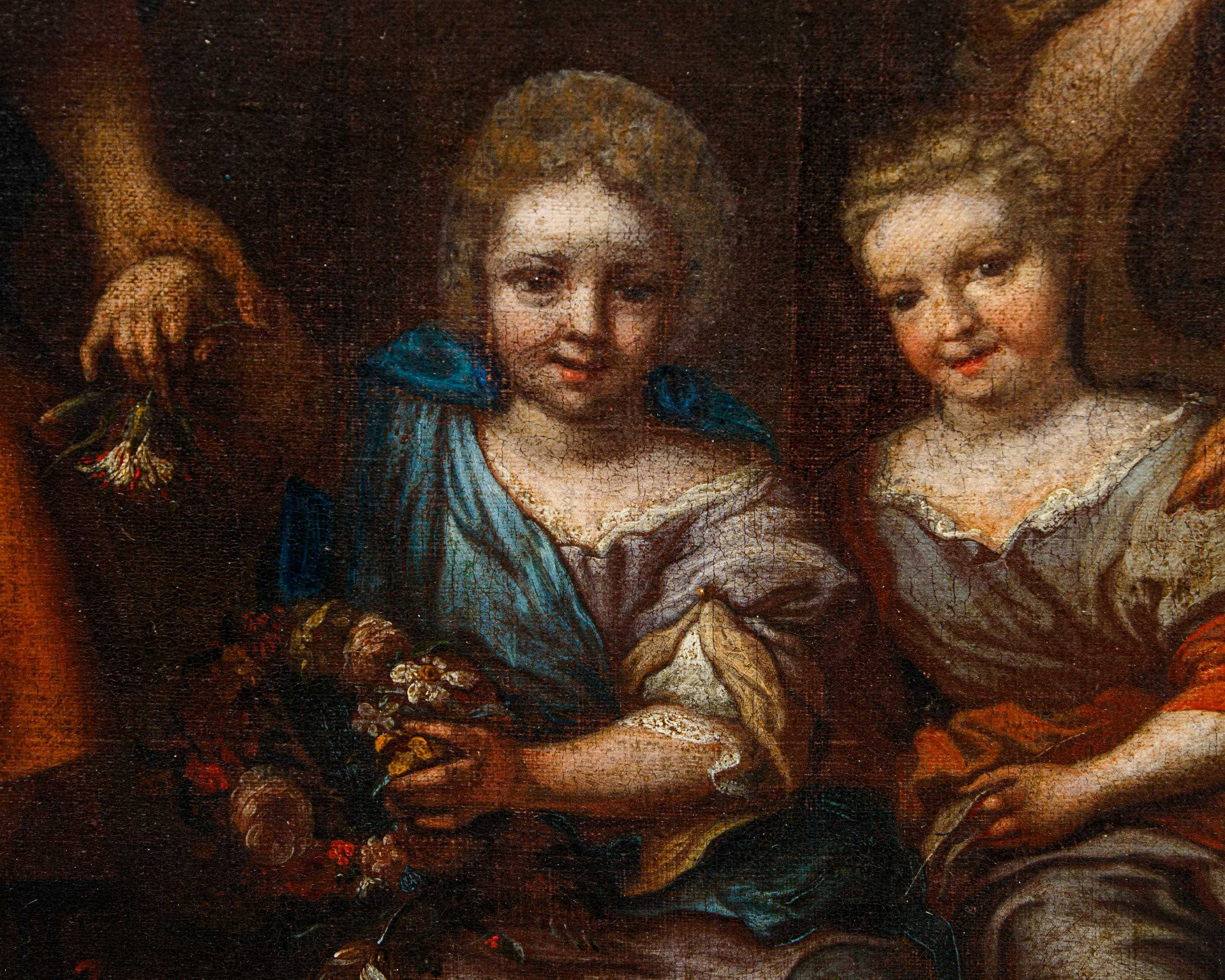
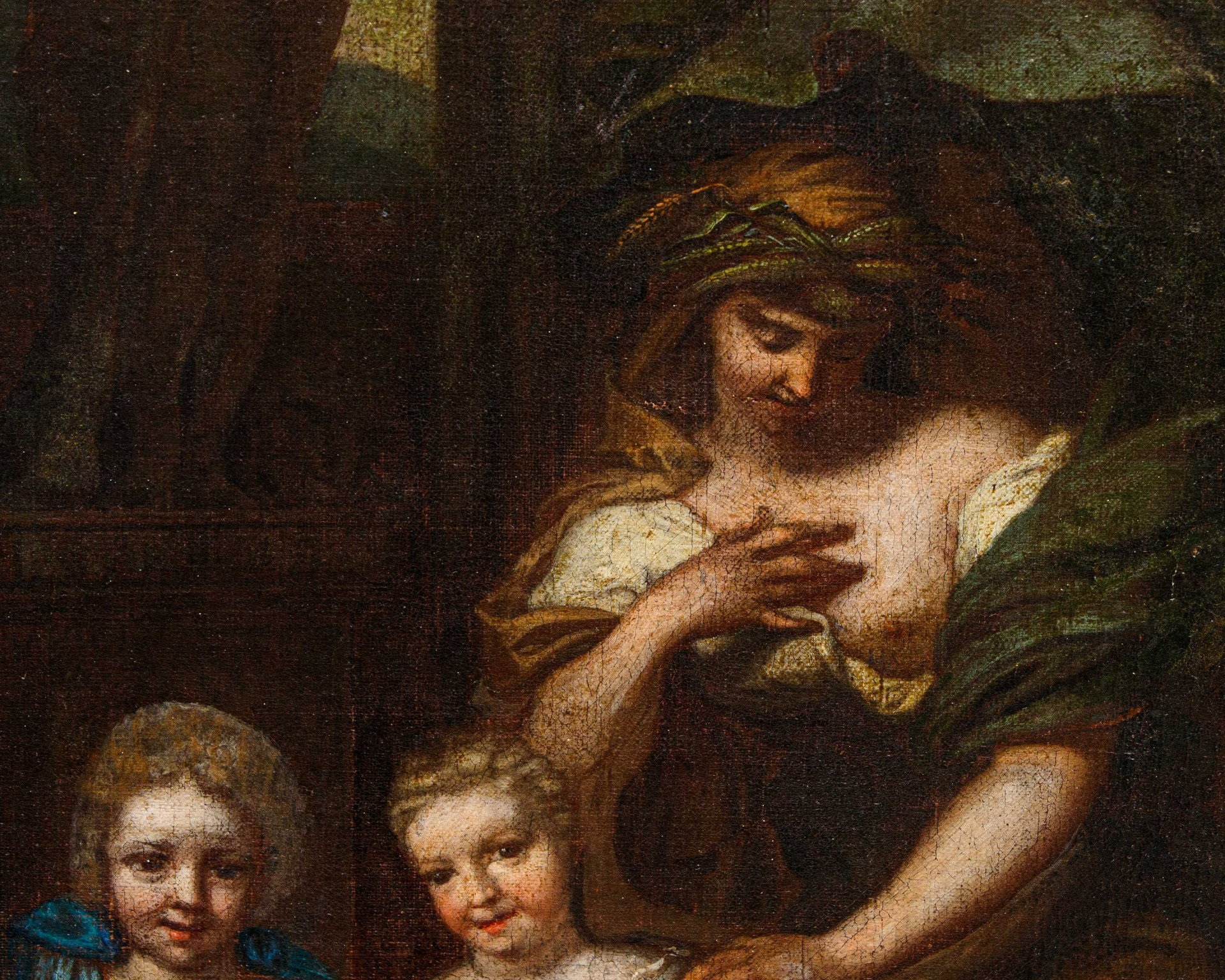
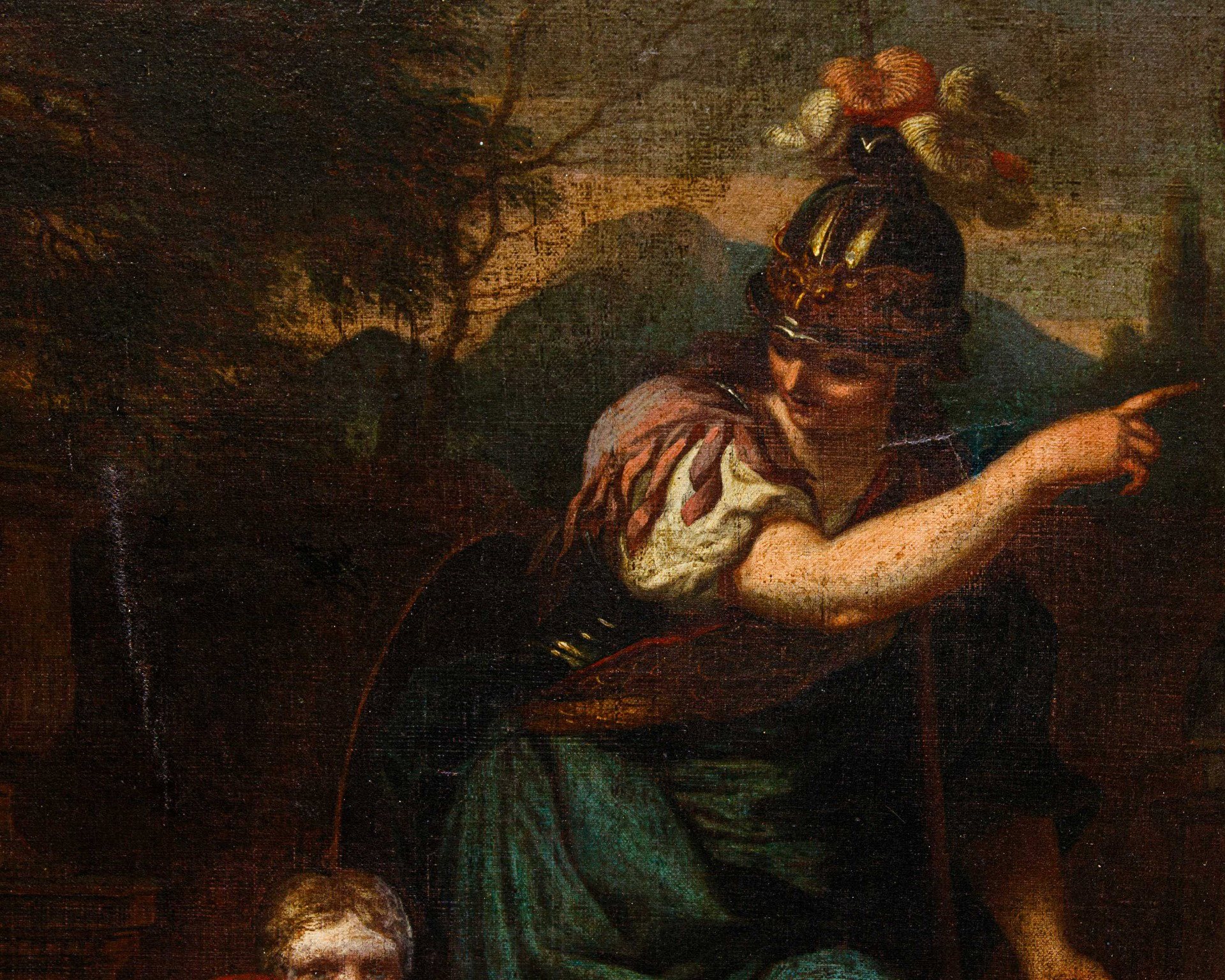
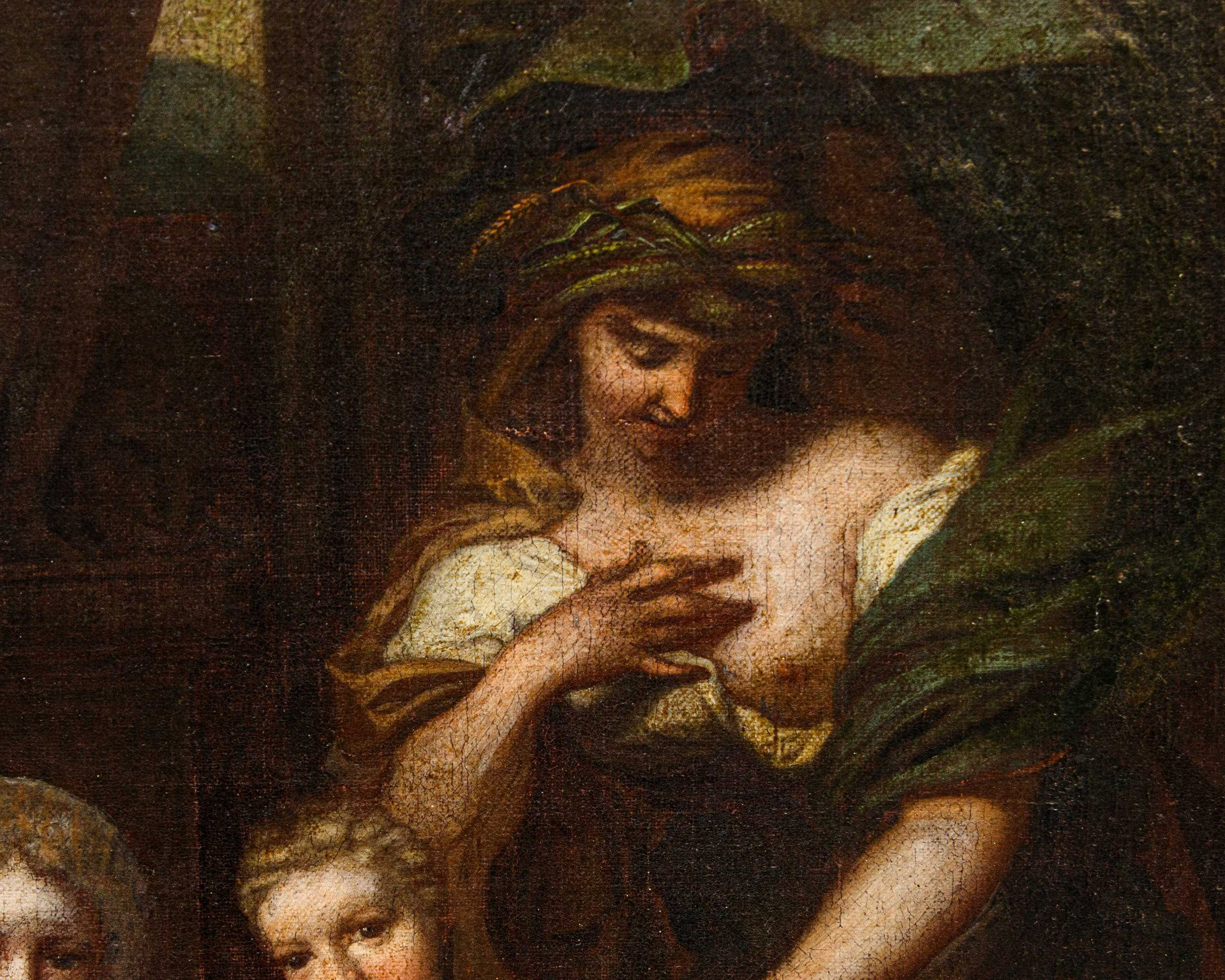
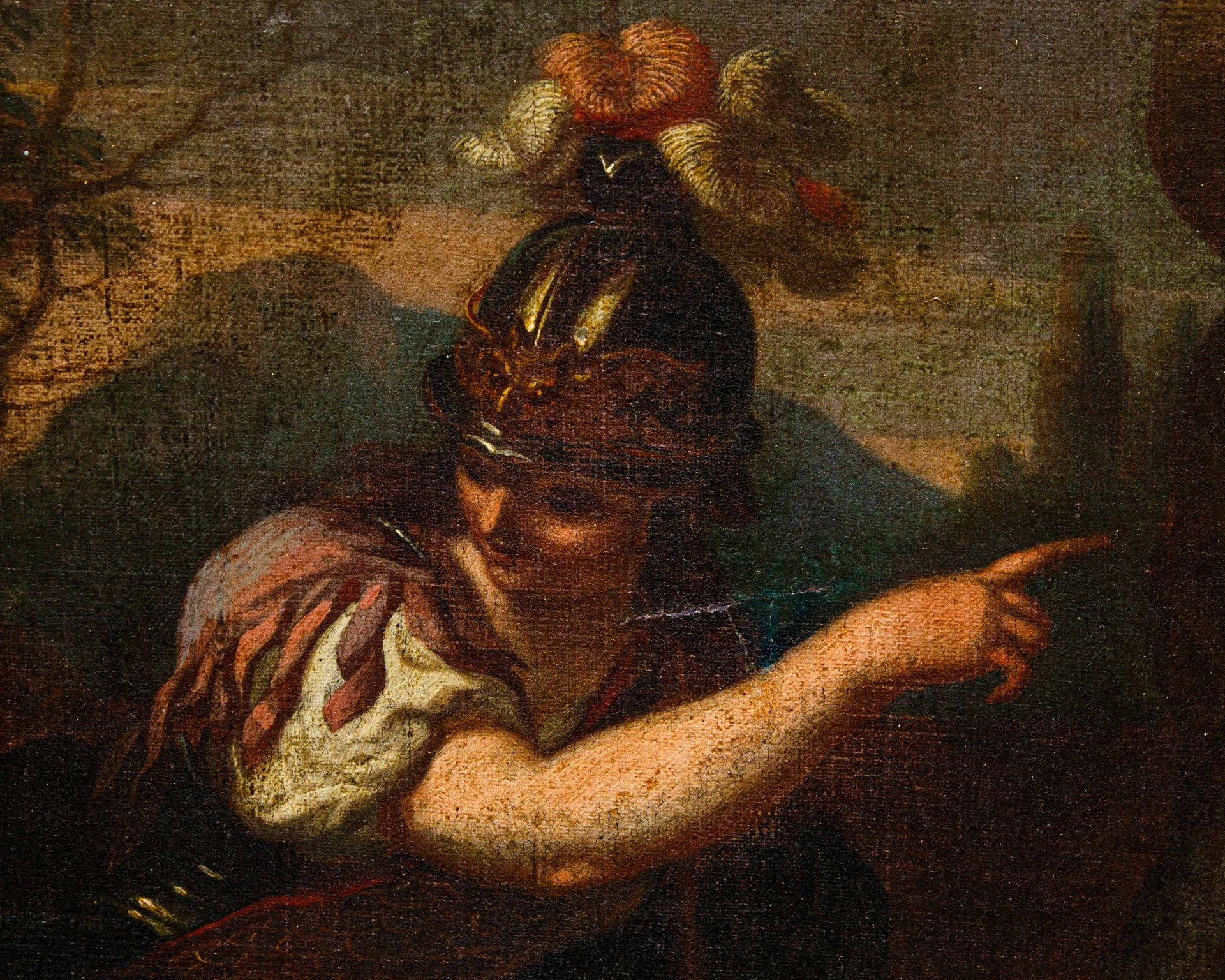
The work "The Education of Three Children by Minerva and Ceres" by Barend Graat presents itself as a sumptuous mythological allegory where the private dimension of portraiture merges with the stately solemnity of seventeenth-century classicism. Set in a garden fading into bluish hills, the painting is framed by monumental architecture and antique-style sculptures that lend the scene a theatrical breadth. Minerva, the goddess of wisdom and the arts, dominates the composition, wearing a feathered helmet and a dark robe, while with a decisive gesture she indicates to the young pupils the path of knowledge and virtue. Beside her, Ceres, divinity of the earth and prosperity, watches with a protective gaze, holding symbols of fertility in her hands that allude to harmonious growth. The three children, whose delicate features suggest they were painted from life, participate in the scene with composure: one strokes a dog, while the others are busy picking flowers or observing the deities. The entire iconographic design was likely conceived for a prestigious noble family in Amsterdam, with the aim of celebrating the parents' commitment, and particularly the mother's, in raising their offspring according to the dictates of wisdom and morality. In this "portrait historié," it is reasonable to assume that one of the goddesses, likely Ceres due to her connection with maternal care, reproduces the features of the mother herself.
Barend Graat, the author of this masterful oil on canvas, was born and baptized in the Nieuwe Kerk in Amsterdam in 1629, the city where he spent his entire life. According to historical sources, Graat learned the art of painting under the guidance of his uncle Hans, demonstrating early on a versatile talent. Despite never having visited Italy, he masterfully adopted the style of Italianizing landscapes and genre scenes in the manner of Pieter van Laer, populating his views with farmyard animals rendered with extreme realism, a skill that made him famous and allowed him to train prominent pupils such as Johann Heinrich Roos. His works, usually signed "B. Graat fecit" (as in this case), attest to meticulous attention to detail and a profound knowledge of classical texts, fueled by contacts with intellectuals of the time, including the poet Jan Vos. The stability of his career was cemented by his marriage in 1660 to a young widow and the purchase of land on the Leidsegracht, where he built a home reflecting his high social status. His family life was lived within the context of the Catholic faith, as evidenced by the baptism of his two daughters in one of the city's "hidden" churches in 1668 and 1670. In addition to easel painting, Graat was an authoritative reference point for the Amsterdam art market. In 1672, he was among the experts commissioned to assess the authenticity of Gerrit Uylenburgh's controversial collection, demonstrating unusual technical expertise. For over fifteen years, he transformed his home into a private academy, where he imparted the secrets of the trade to new generations, consolidating his reputation as a master. The choice of Minerva and Ceres to educate the children in the work in question reflects precisely this climate of refined erudition: Minerva educates the spirit and intellect, while Ceres nourishes the body and heart, embodying the symbiosis between wisdom and nature that was the basis of the pedagogical ideal of the Dutch Golden Age. Graat's artistic legacy was ultimately preserved and disseminated by his grandson Matthijs Pool, paying tribute to the multifaceted talent of a painter who knew how to translate mythology into an intimate family narrative of care and maternal devotion.