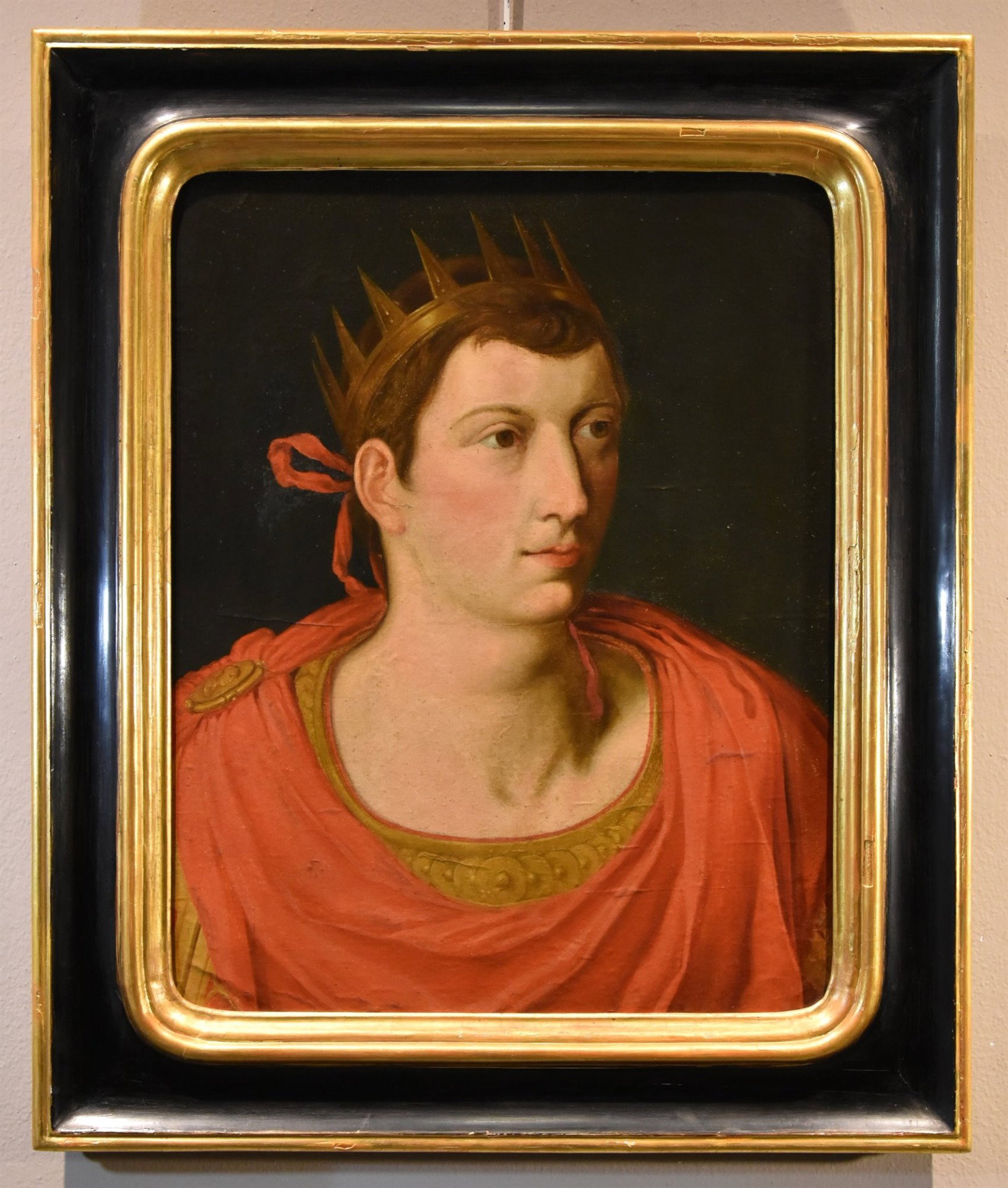
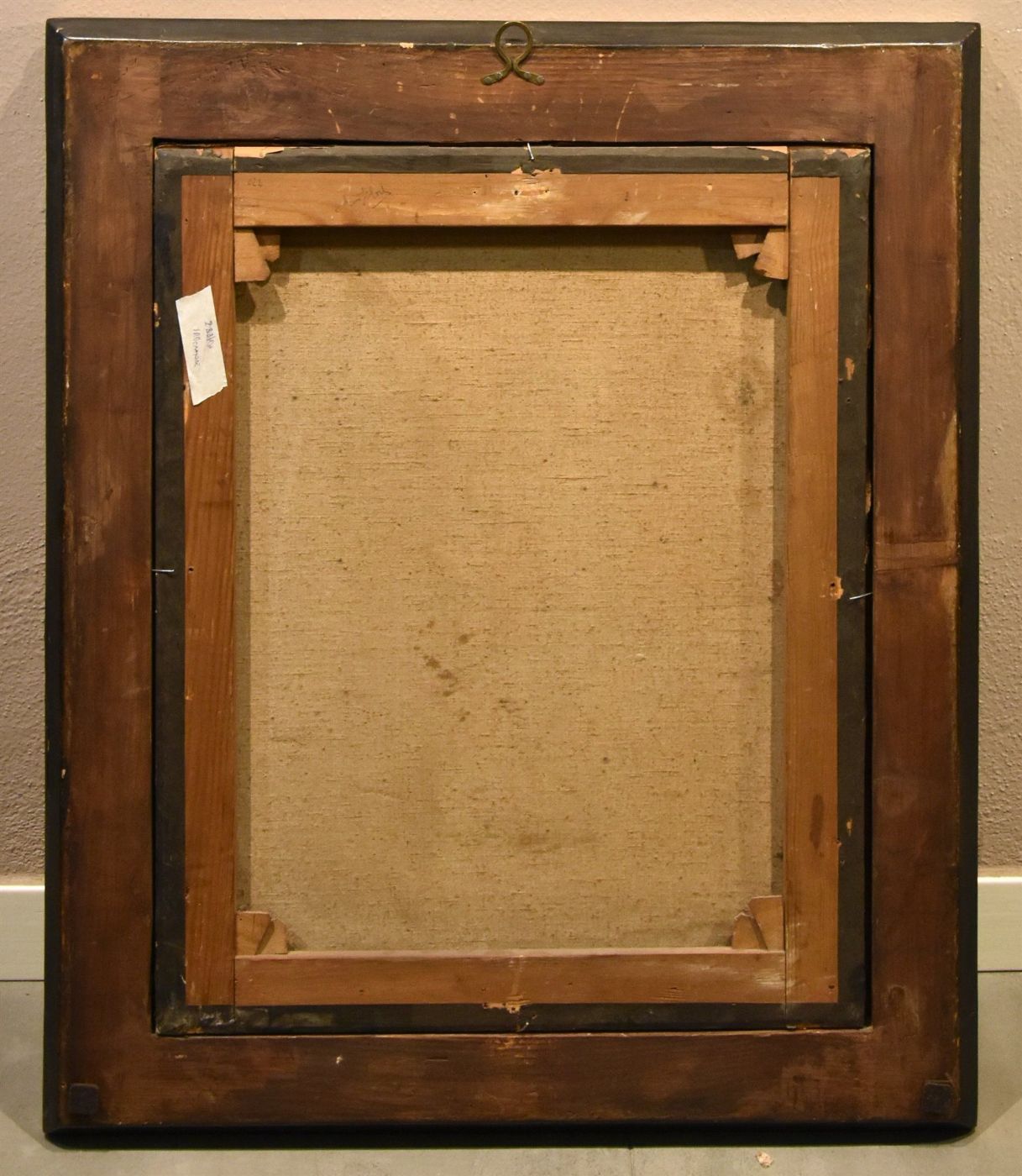
Flemish painter of the 17th/18th century
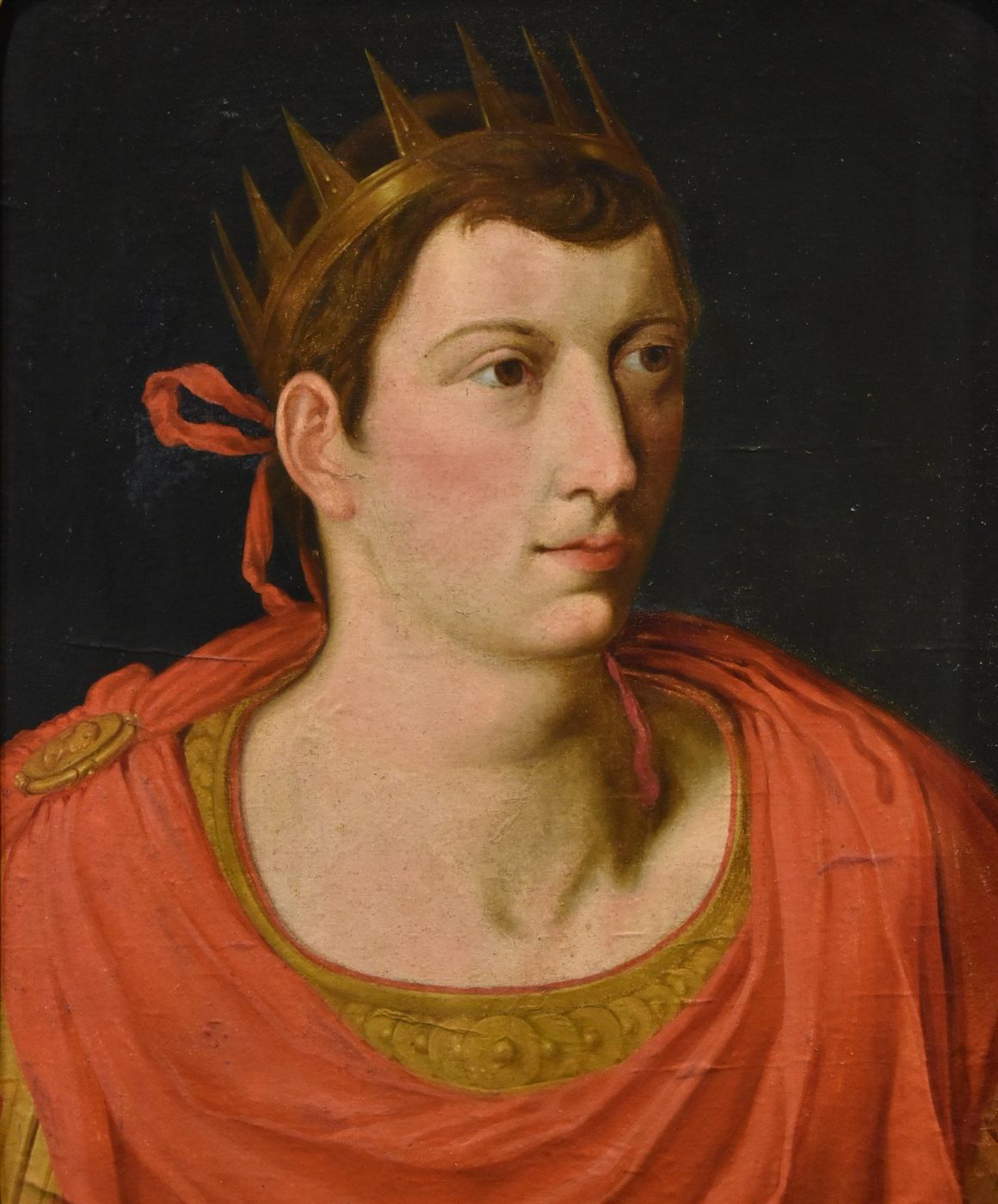
Portrait of Augustus, first Roman Emperor
Oil on canvas (61 x 49 cm - in frame 77.5 x 65 cm)
Complete details of the painting (click HERE)
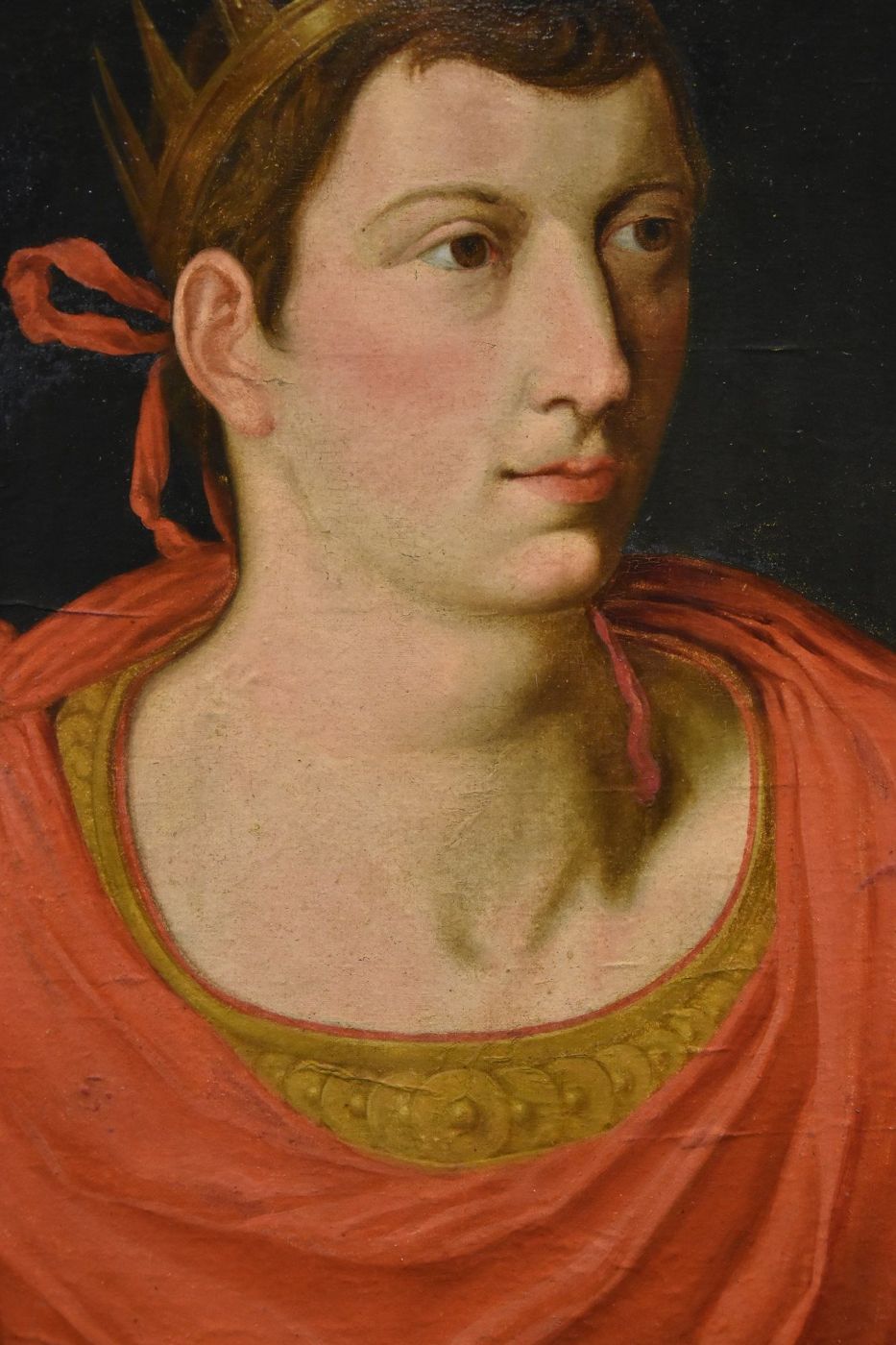
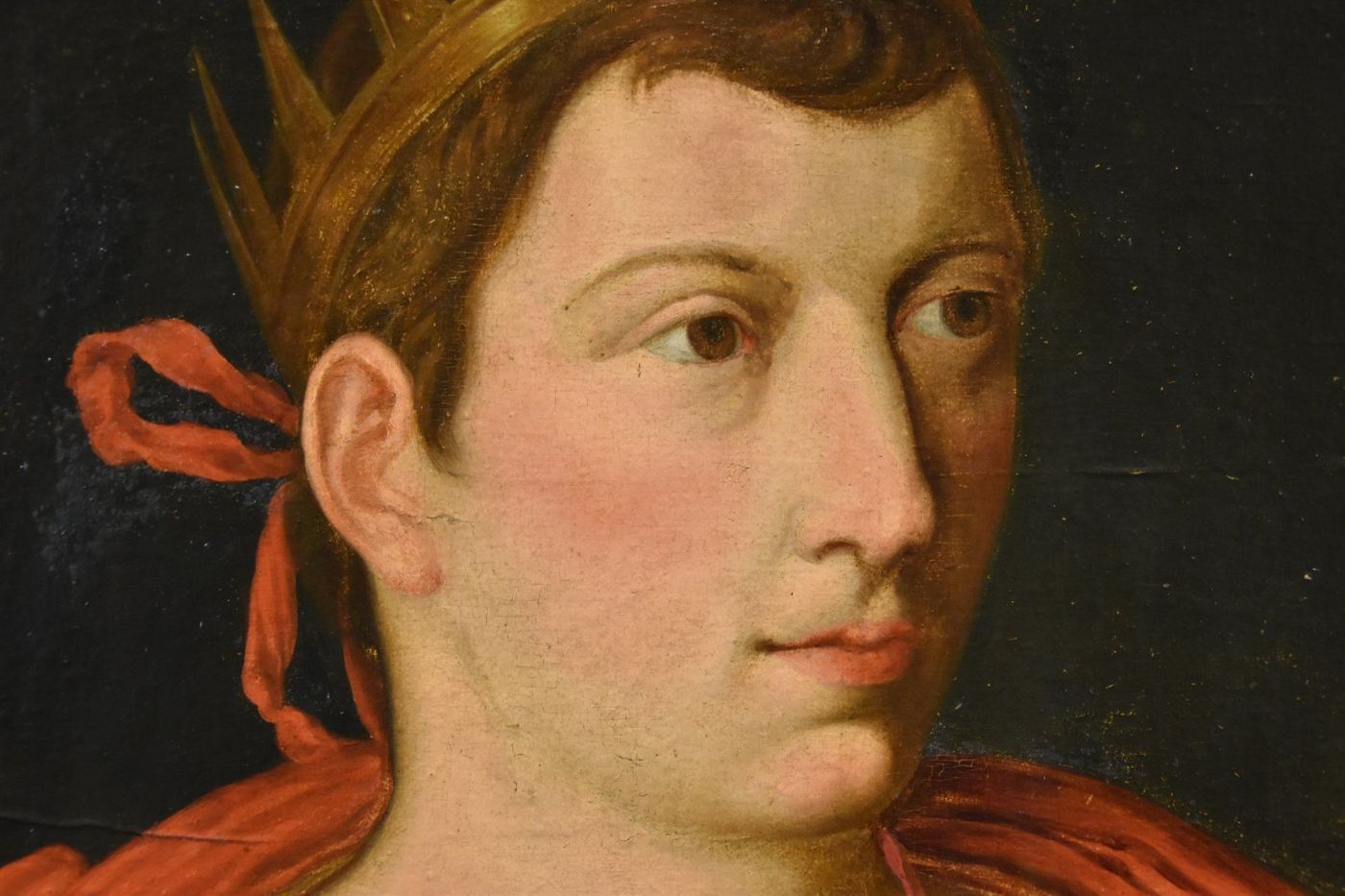
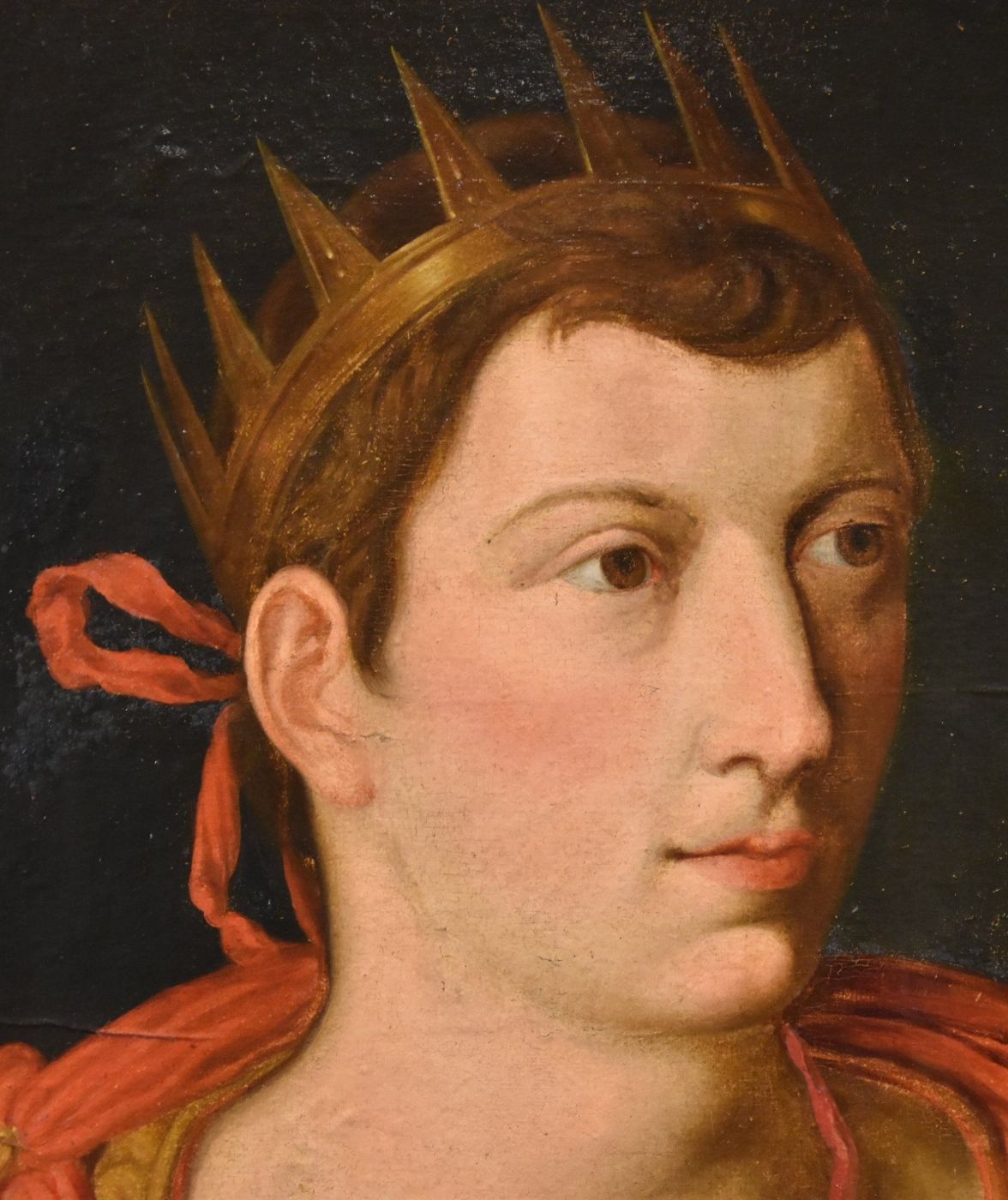
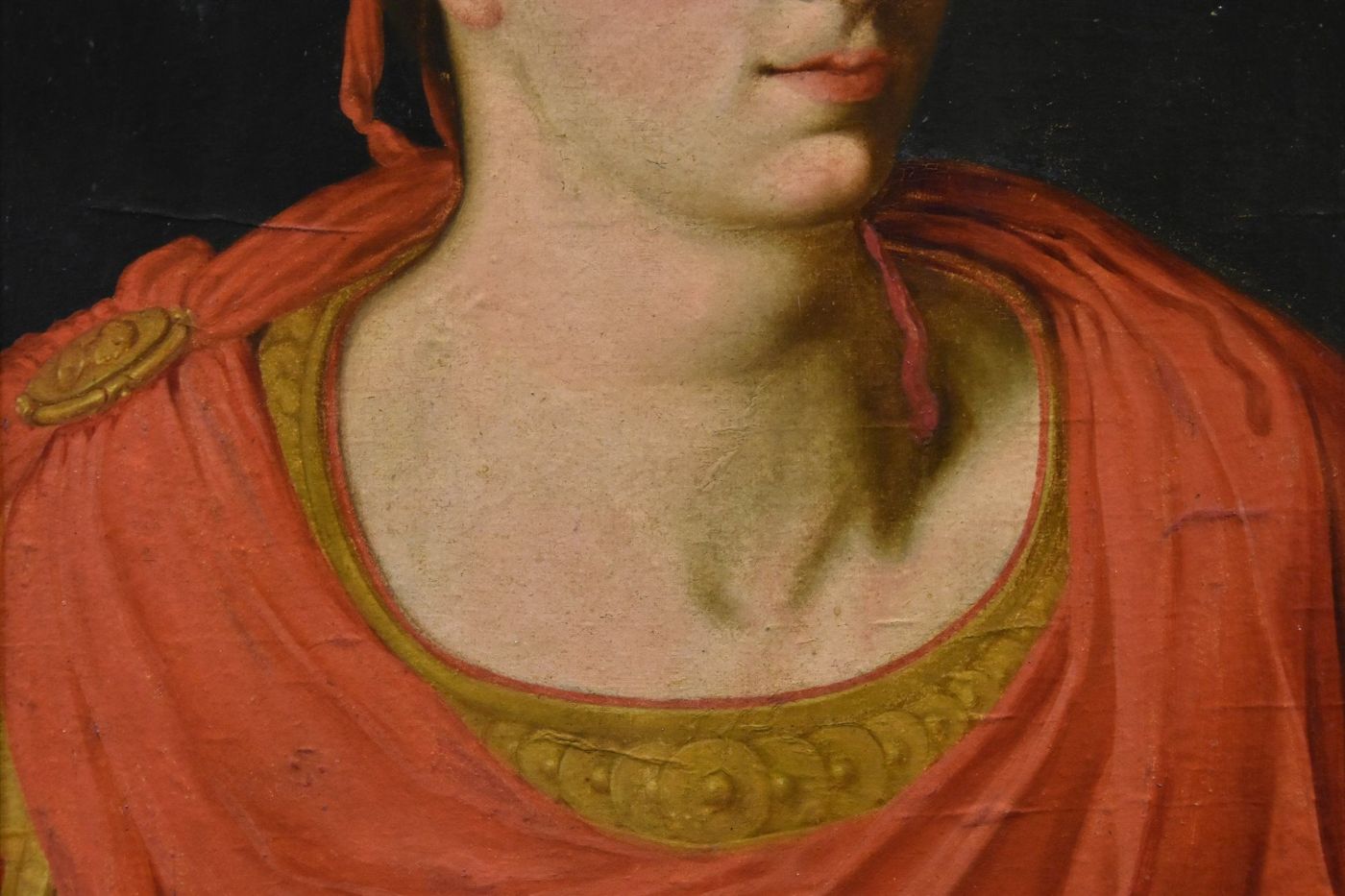
The portrait depicts Augustus, founder and first emperor of the Roman Empire, as indicated by the radiate crown symbolizing his divinity: his birth name, Gaius Octavius, was indeed given the title "Augustus" by the Senate, meaning "venerable" or "protected by the gods," an appellation later adopted by all his successors.
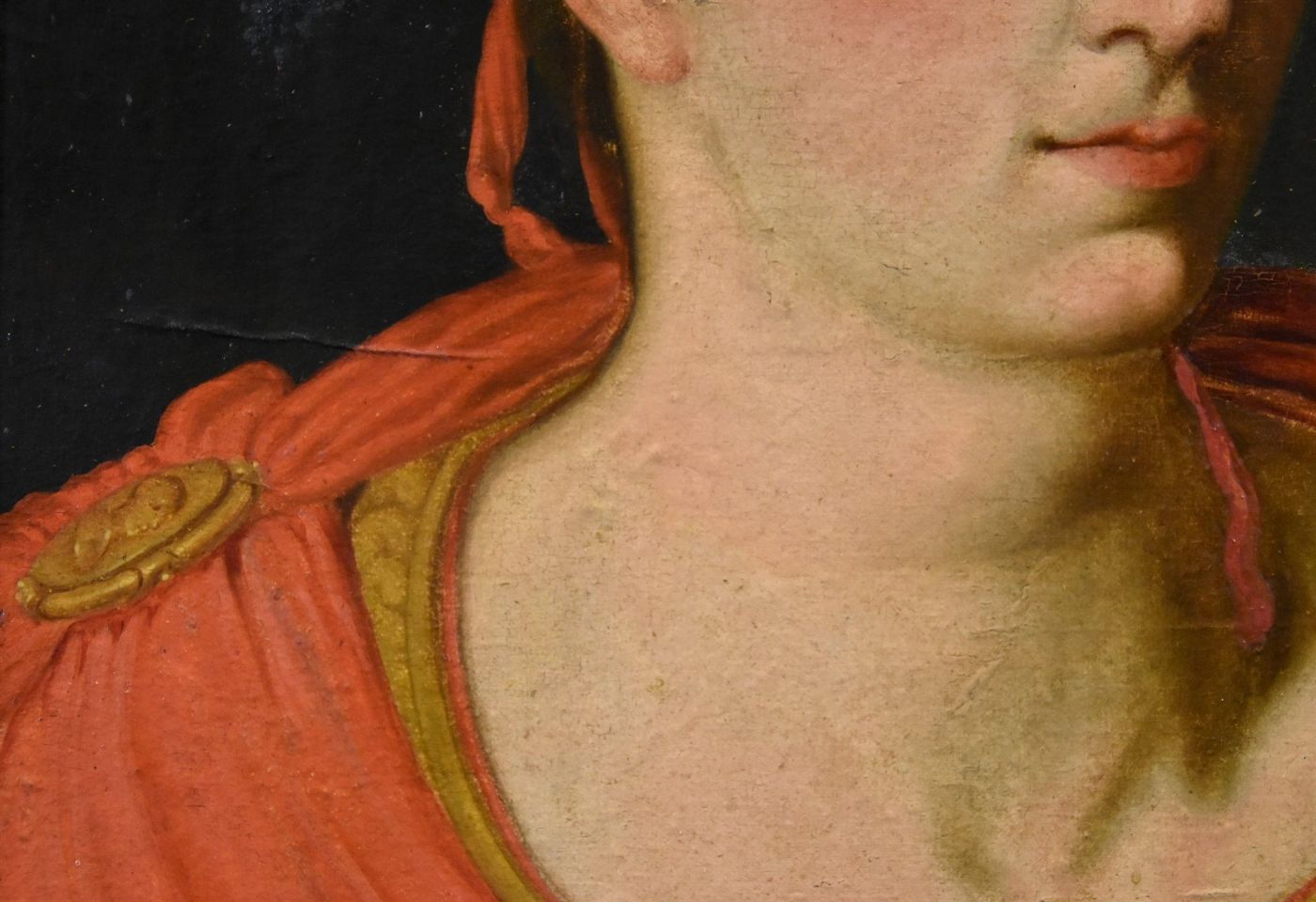
The portrait shows him with an idealized and youthful face, with the intention of conveying an essence of eternal youth. The facial features, inspired by contemporary sculptures dedicated to him, such as the shape of his chin and nose, combine the realism of Republican portraiture with the idealized forms of classical tradition.
Founder of the Roman Empire, he ruled from 27 BC until his death in 14 AD and is considered by antonomasia one of the most influential figures in history, having transformed the Roman Republic into a principality.
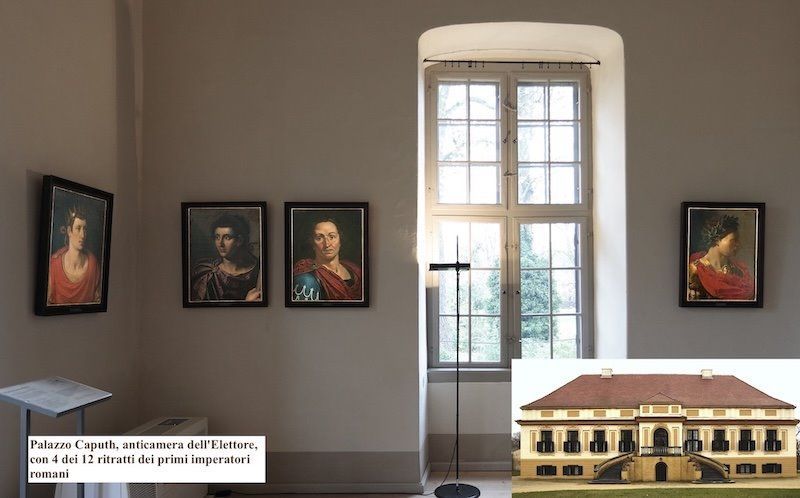
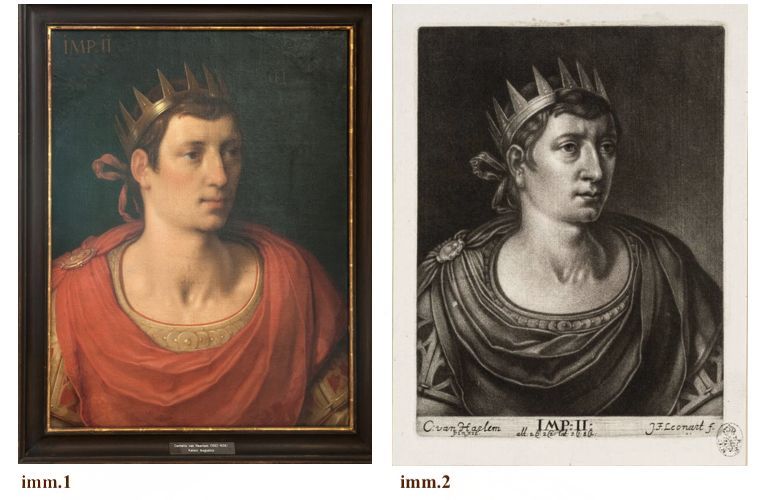
The proposed portrait is derived from a painting created by the Flemish painter Cornelis van Haarlem in 1622, now housed in the collection of Caputh Castle (https://www.spsg.de/en/palaces-gardens/object/caputh-house), near Potsdam, which was the summer residence of the Electors of Brandenburg from the late 16th to the late 17th century. The painting also became famous through the diffusion of a print by Johann Friedrich Leonard (1633-1680), an example of which is now in the 'Staatliche Kunstsammlungen' in Dresden.
Image 1 - Cornelis van Haarlem (1562-1638), Portrait of Emperor Augustus, Caputh Castle Collection (Source: Zeri Foundation Catalogue: https://rkd.nl/images/778).
Image 2 - Engraving of Emperor Augustus, by Johann Friedrich Leonard (1633-1680), Staatliche Kunstsammlungen Dresden (Source: https://skd-online-collection.skd.museum/Details/Index/969560).
This is a painting that is part of a series of portraits dedicated to Roman emperors, originally commissioned by Prince Maurice of Orange, Stadtholder of the Netherlands, and then in 1680 came into the possession of the Great Elector. These works, specifically the first twelve Roman Caesars, were created between 1616 and 1625 by various Dutch and Flemish painters, including Rubens, Hendrick ter Brugghen, Michiel van Mierevelt, and Dirck van Baburen (see image in the room details of the Castle where the collection of Caesars is kept).
ADDITIONAL INFORMATION:
The work is sold complete with a gilded wooden frame and is accompanied by a certificate of authenticity and an iconographic descriptive sheet.
We handle and organize the transport of purchased artworks, both to Italy and abroad, through professional and insured carriers.
In case of purchase of the work by non-Italian clients, it will be necessary to obtain an export permit, which requires approximately 10/20 days. Our gallery will handle the entire process until its issuance. All costs for this procedure are included.
It is also possible to view the painting in our gallery in Riva del Garda. We will be happy to welcome you to show you our collection of works.
Contact us, without obligation, for any additional information.
Follow us also on:
INSTAGRAM https://www.instagram.com/galleriacastelbarco/?hl=it
FACEBOOK https://www.facebook.com/galleriacastelbarco/