Giovanni Bonomi (Venice, active in the second half of the 19th century)
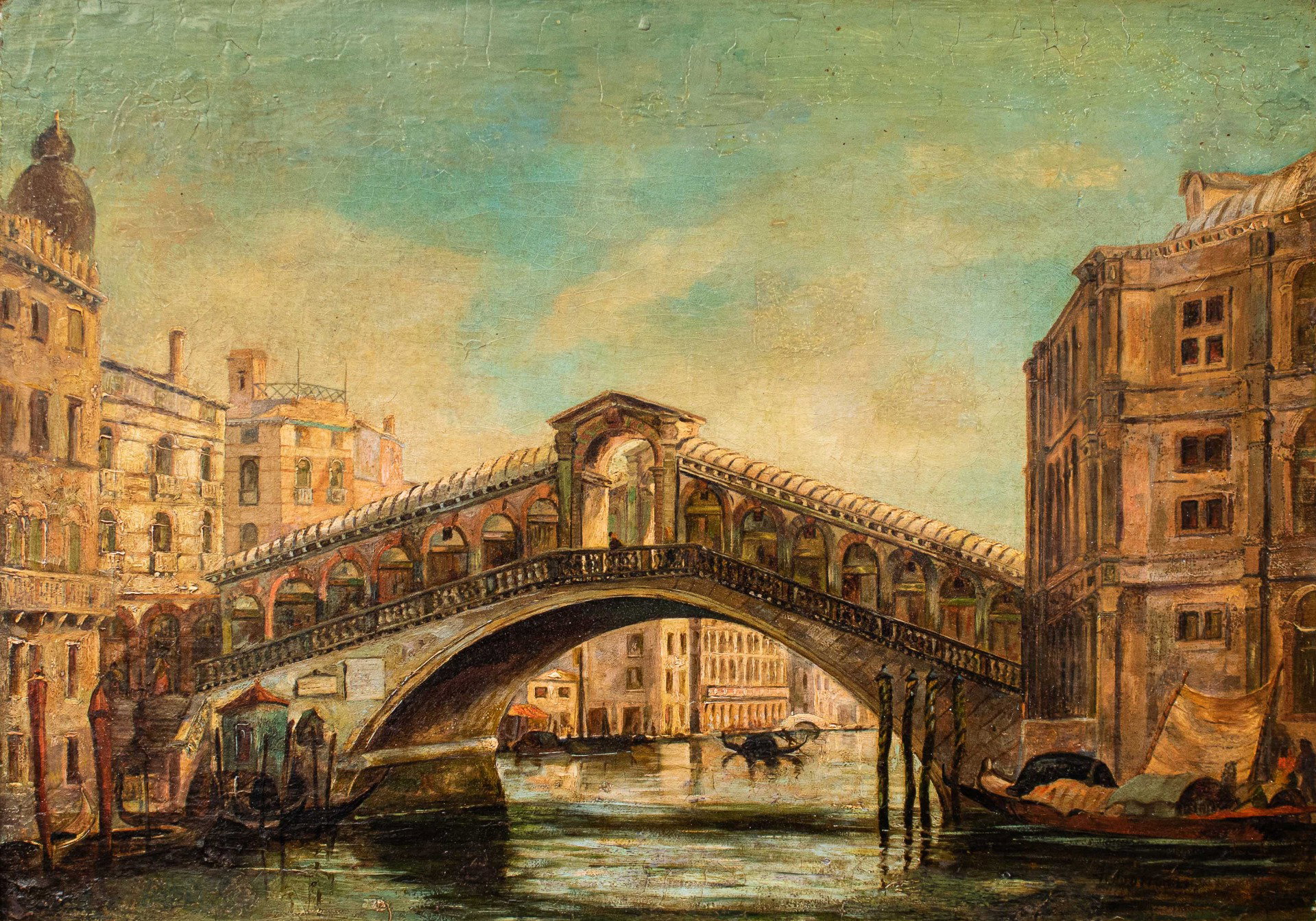
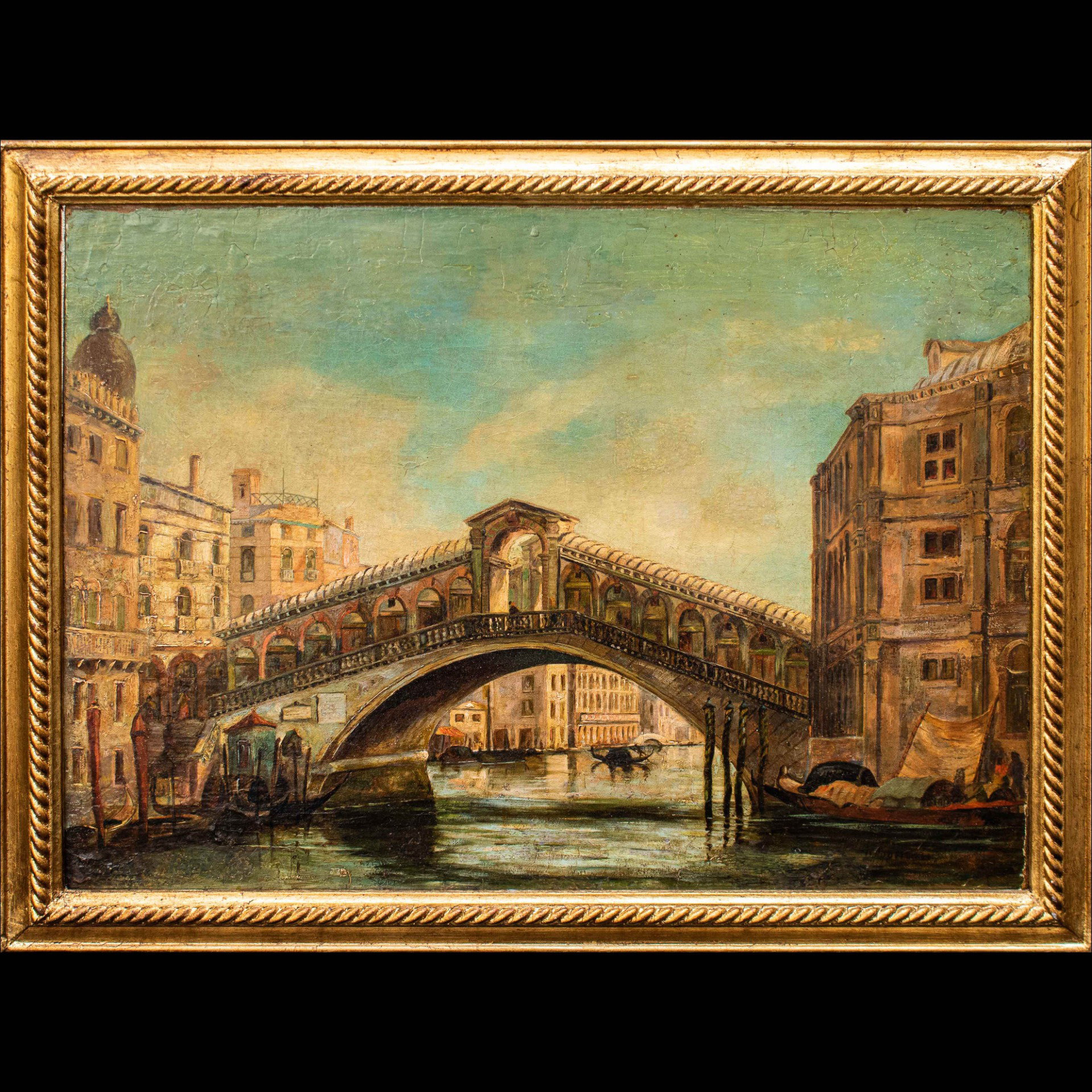
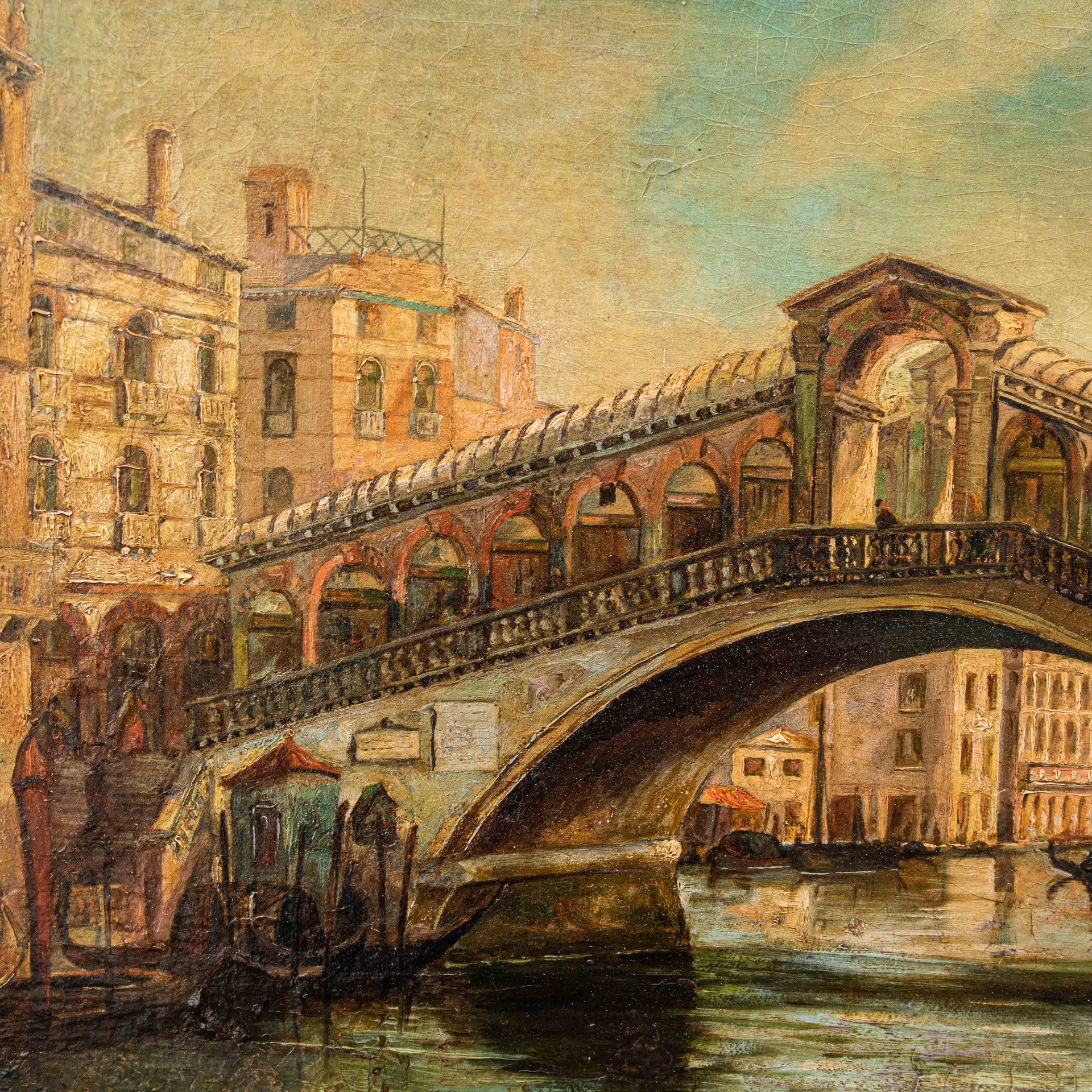
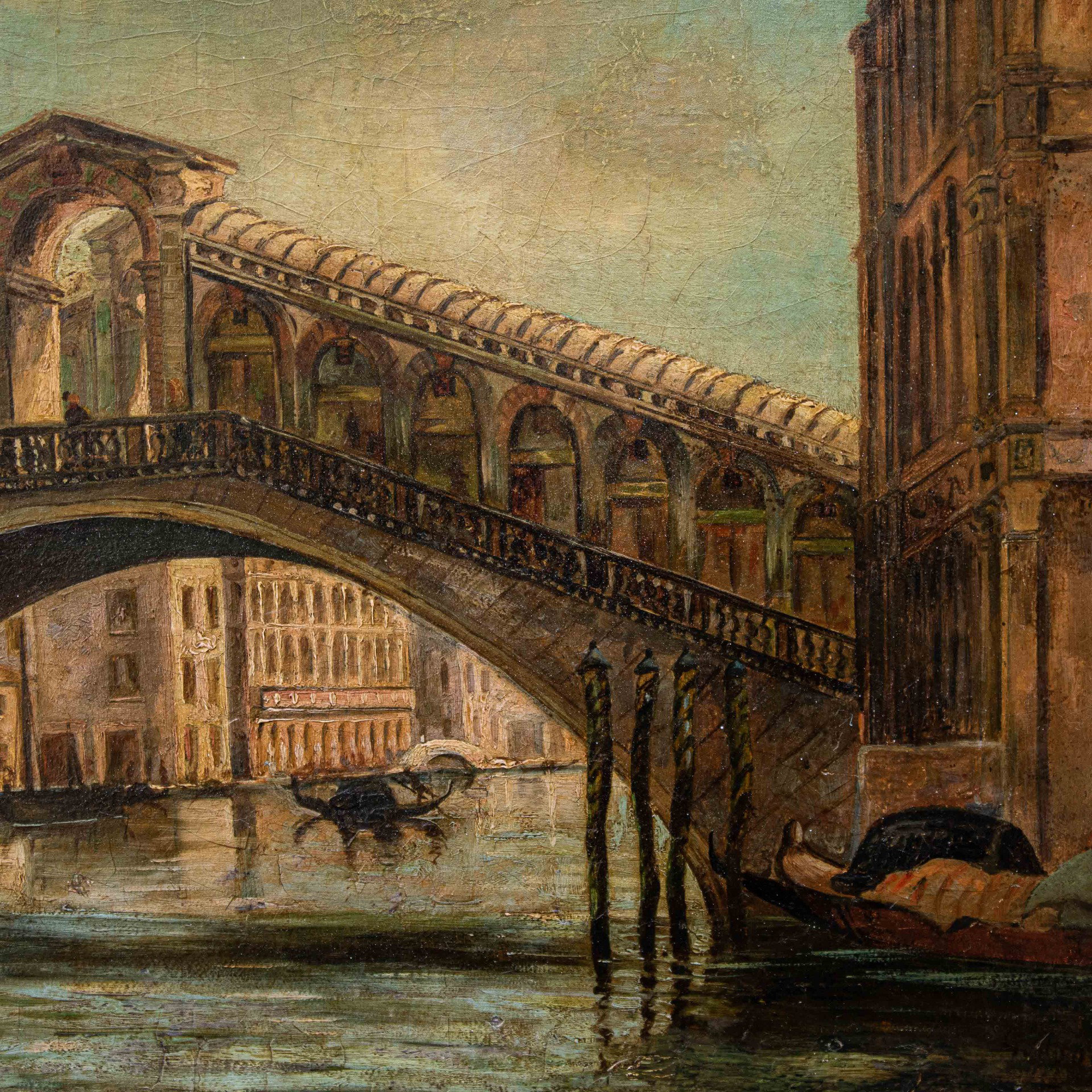
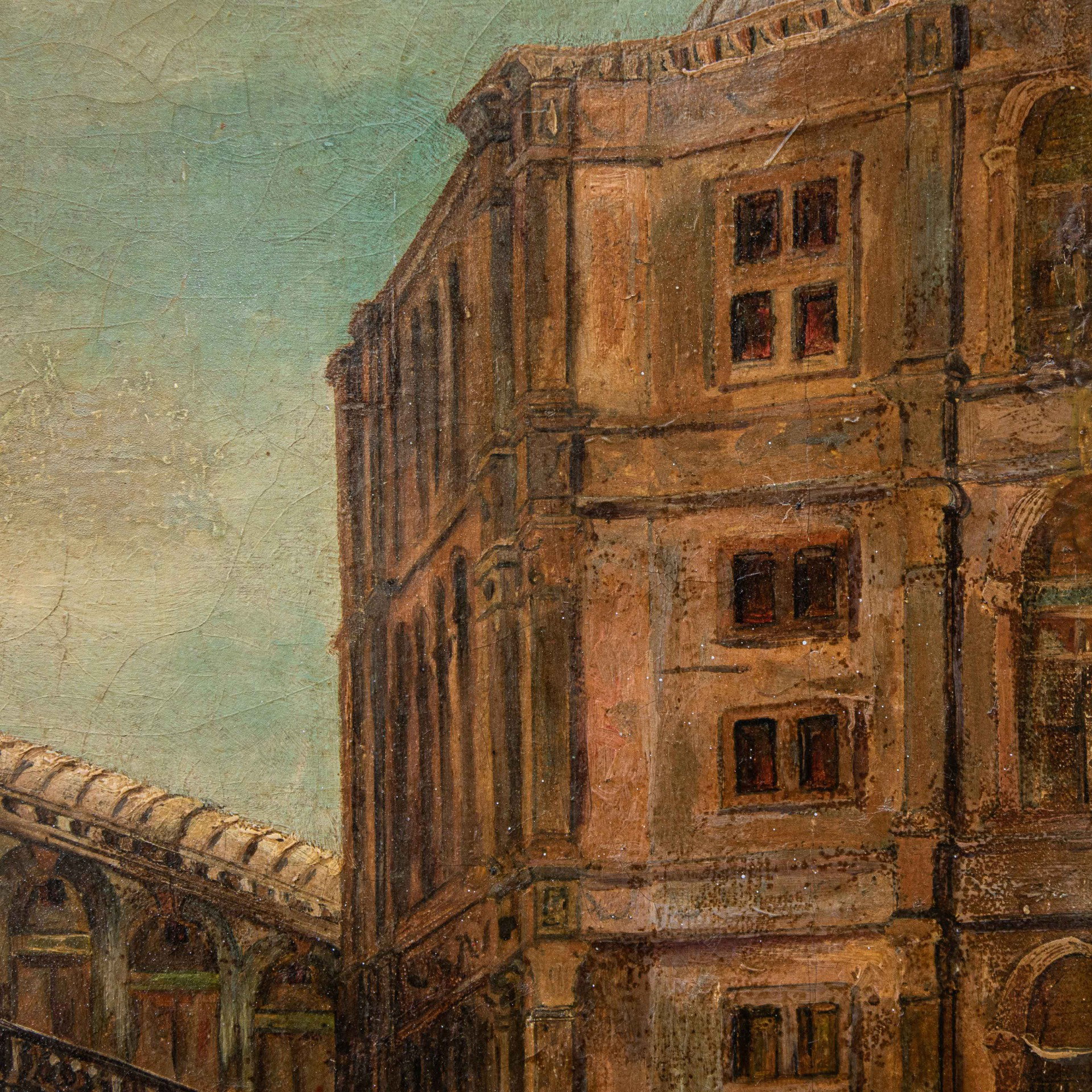
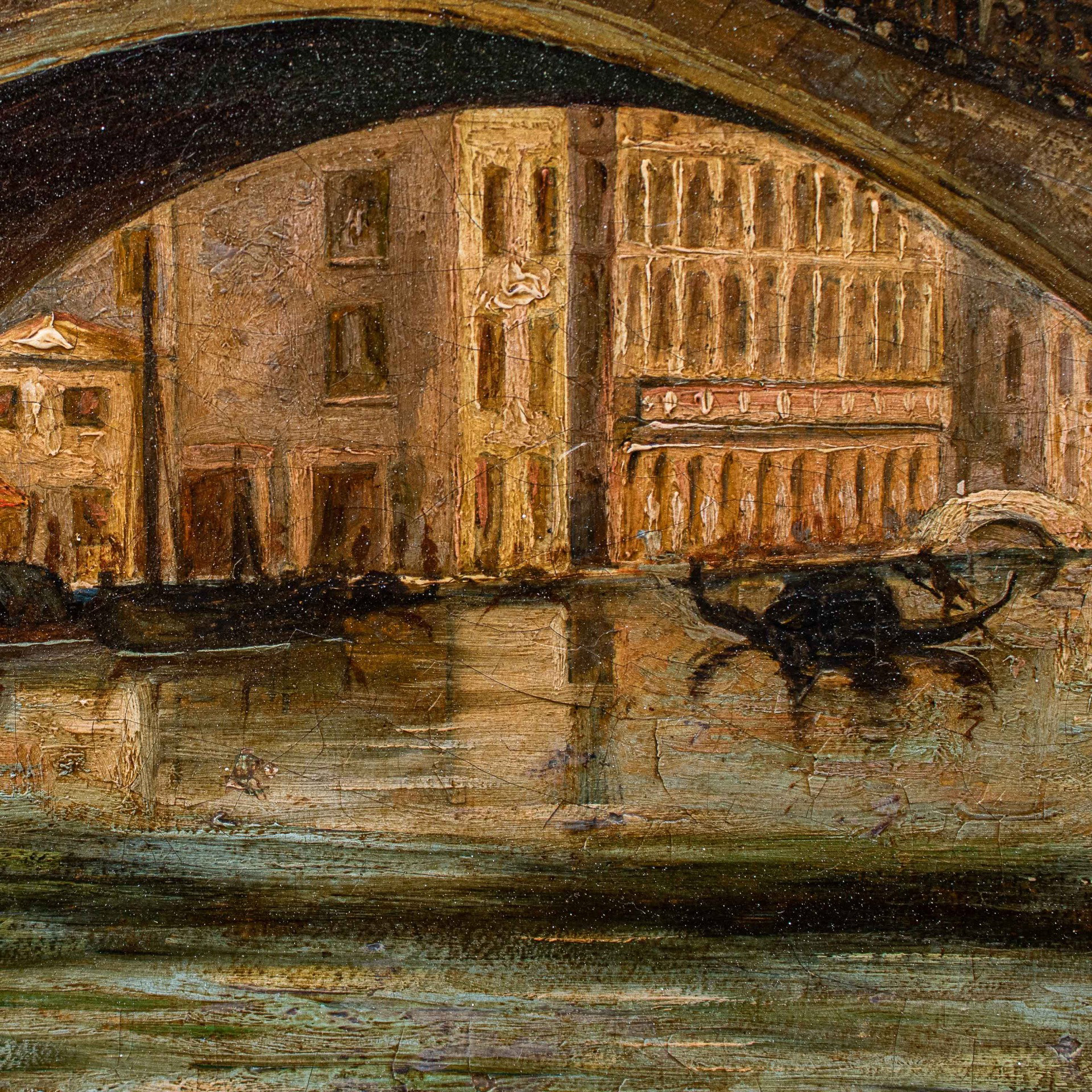
View with the Rialto Bridge
Oil on canvas, 37 x 49 cm
With frame 43 x 56 cm
Signed “G. Bonomi” lower right
The genre of Venetian vedutism developed in the early eighteenth century, coinciding with the increasing influx of those, among scholars and foreign artists, who wished to take home a souvenir of the lagoon's wonders. The pioneering production of Canaletto first and the affirmation of the positive use of scientific tools such as the camera obscura produced a solid affirmation of Venetian panoramas, which began to become popular throughout Italy. In the nineteenth century, various artistic currents reflecting romanticism, vedutism and historicism that began in the previous century also supported the preferential role to be granted to paintings of lagoon subjects.
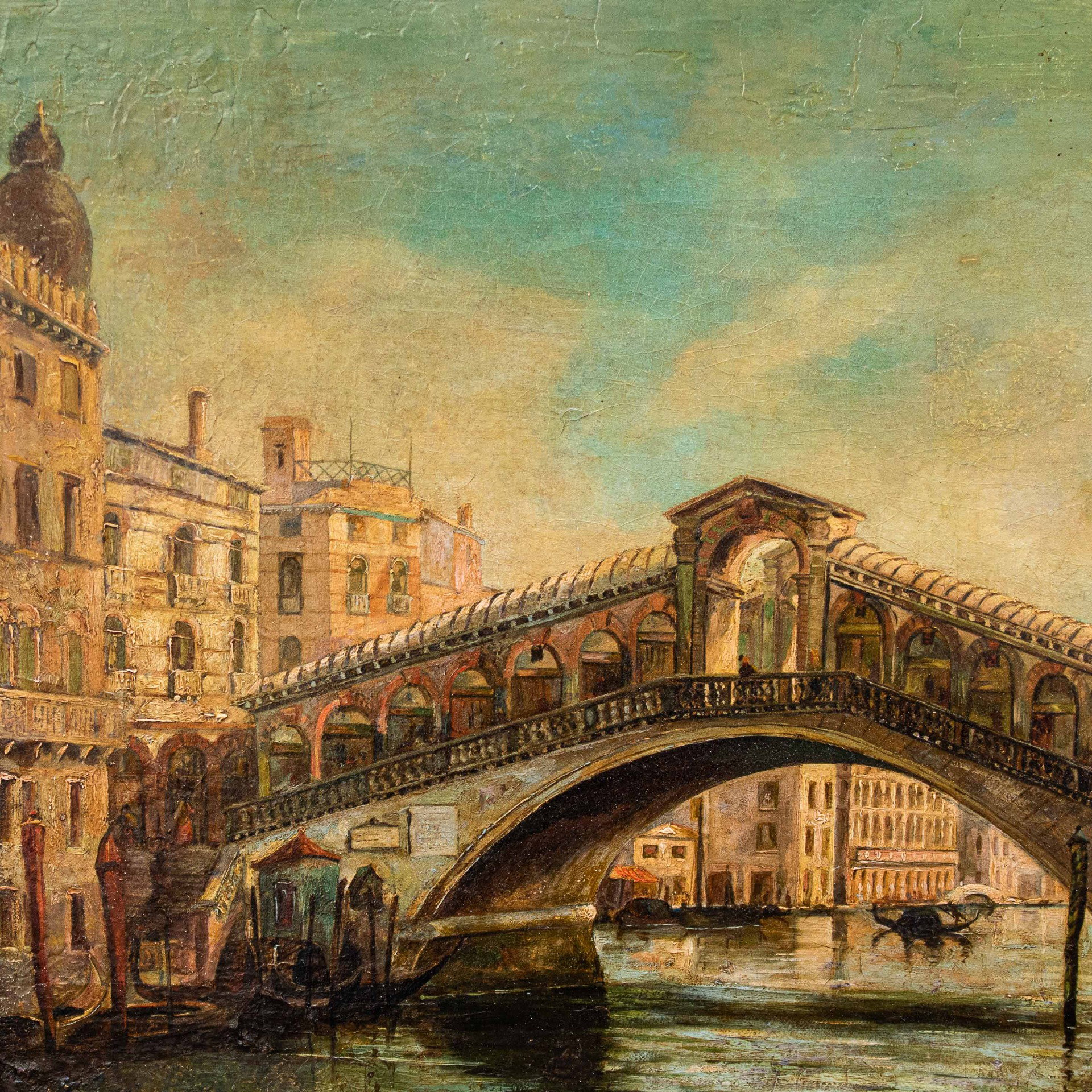
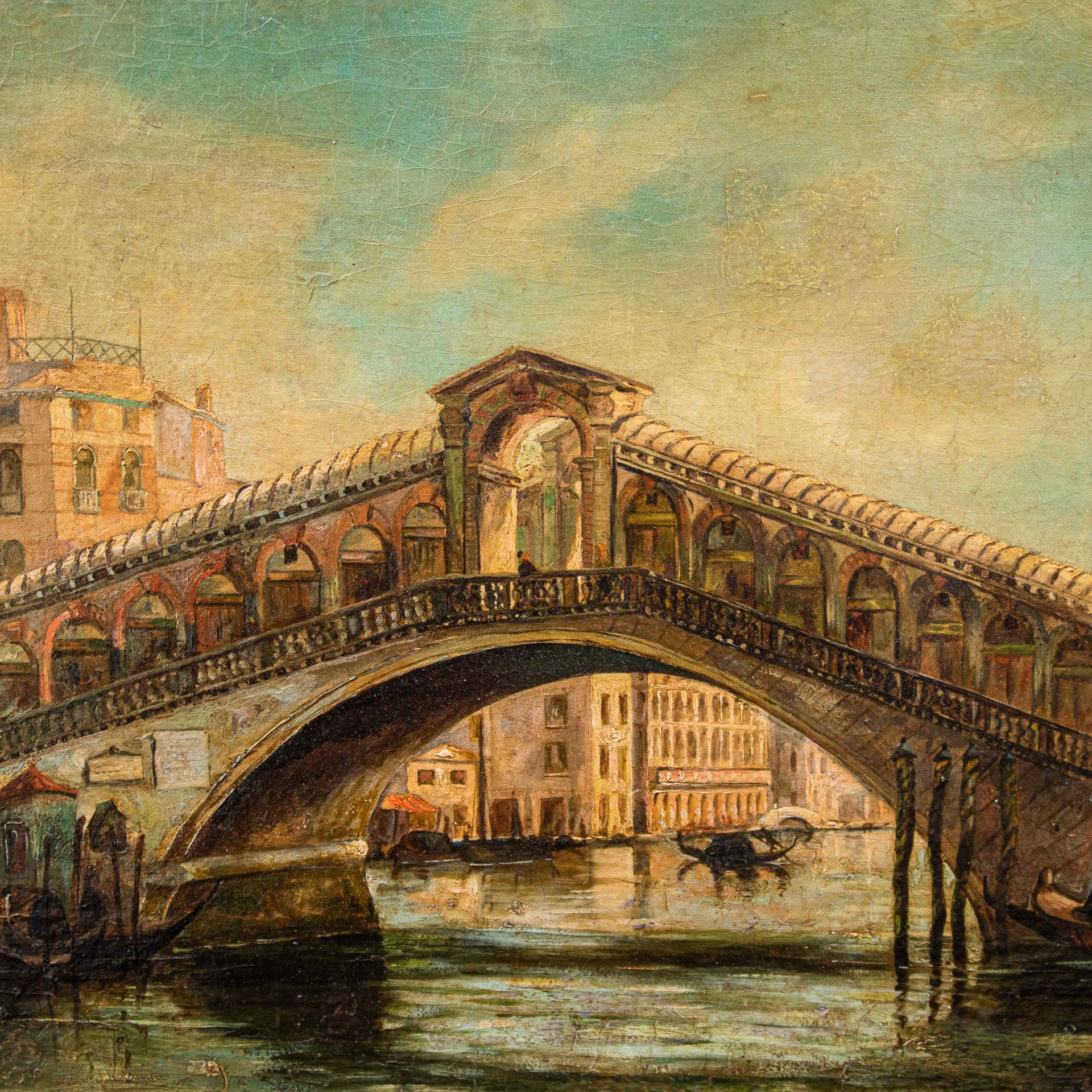
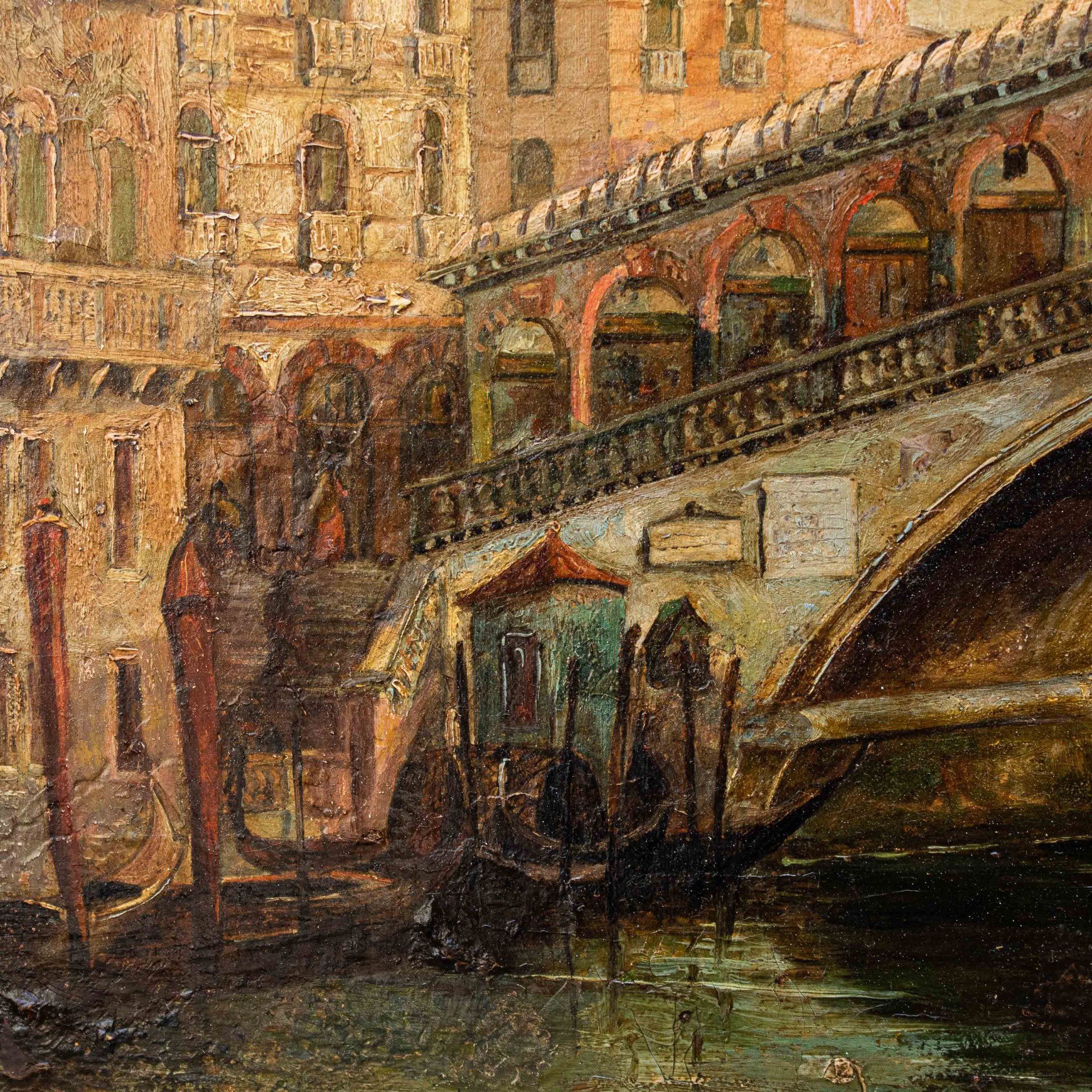
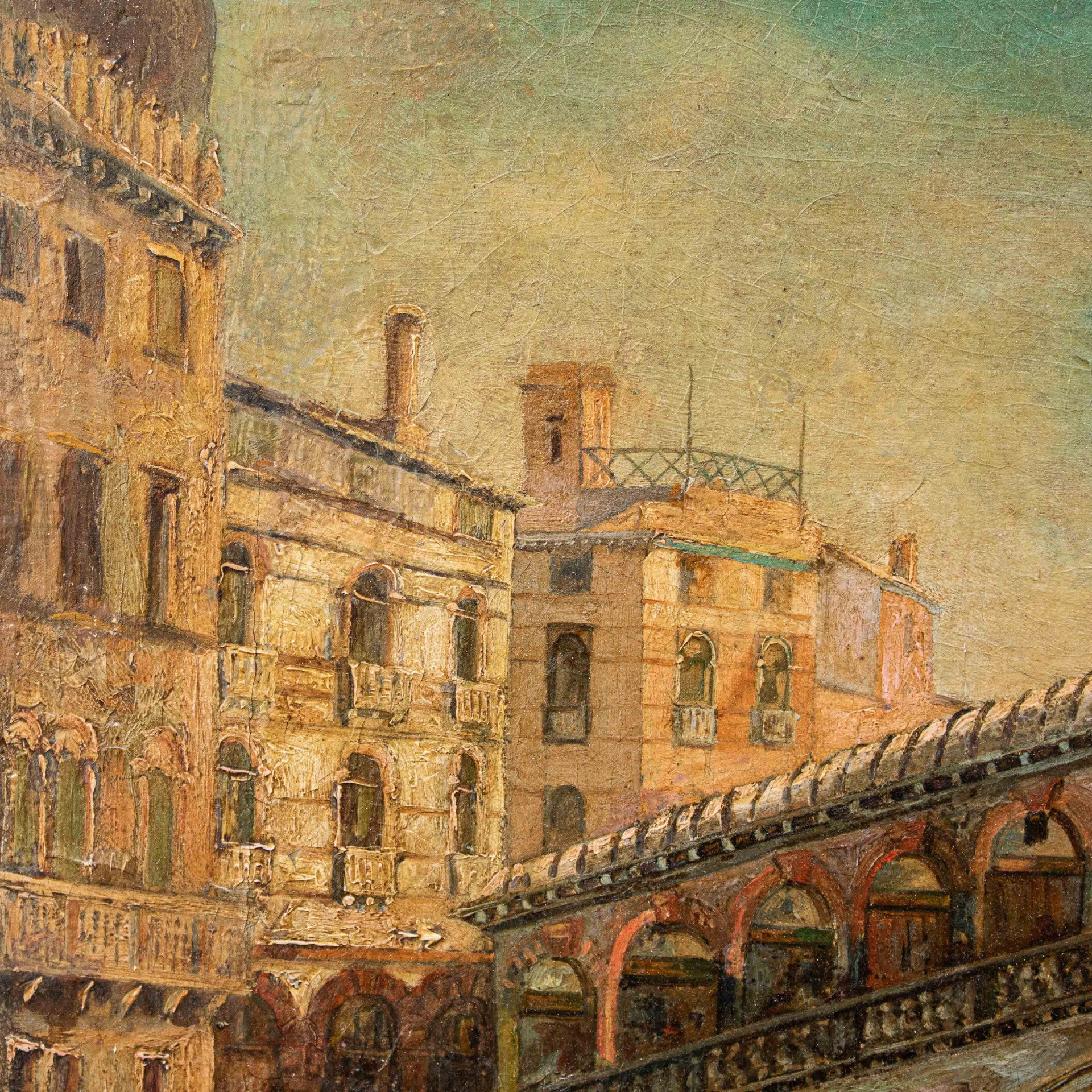
This offers a romantic view of the Grand Canal with the Rialto Bridge, captured in the tranquility of a quiet Venetian evening. The construction of the bridge dates back, in the design conception, to the Middle Ages: as reported by Lorenzetti (Guida di Venezia) since 1172 the doge Sebastiano Ziani proposed the idea of ??uniting the two opposite banks of the canal by a bridge of boats; Nicolò Baratieri fulfilled this desire in 1181, with the so-called Quartarolo bridge, named after the coin that collected toll, or of the coin, due to the relative proximity to the Mint premises. The aleatory nature of the bridge of boats was replaced in the 13th century by a solid wooden structure, rebuilt several times during the following centuries; The Miracle of the Cross at the Rialto Bridge by Vittore Carpaccio (Venice, Gallerie dell’Accademia, circa 1496) offers meticulous testimony of this. The bridge subsequently took its name from the Rivoalto market that took place there. The urgency of continuous maintenance of the wooden skeleton, however, prompted the Council to issue a call for tenders for the design and construction of a stone substitute: Giacomo Barozzi da Vignola, Palladio and Sansovino took part in the competition, announced in 1554. The realization of the project of the Venetian Antonio da Ponte was ordered: the construction, begun in 1588, was completed in 1592.
Giovanni Bonomi, artist of this painting, dedicated himself mainly to genre painting and to the more coloristically lively Venetian vedutism, as happens here. Originally from the lagoon city, Bonomi met national favor by exhibiting in Rome in 1883 with Costumi del 1700; the exhibition experience was then reiterated in 1887 at the Venetian national exhibition with Abbazia, Cattiverie di guerra and San Marco.