Adolf Northen (Münden, November 6, 1828 – Düsseldorf, May 28, 1876)
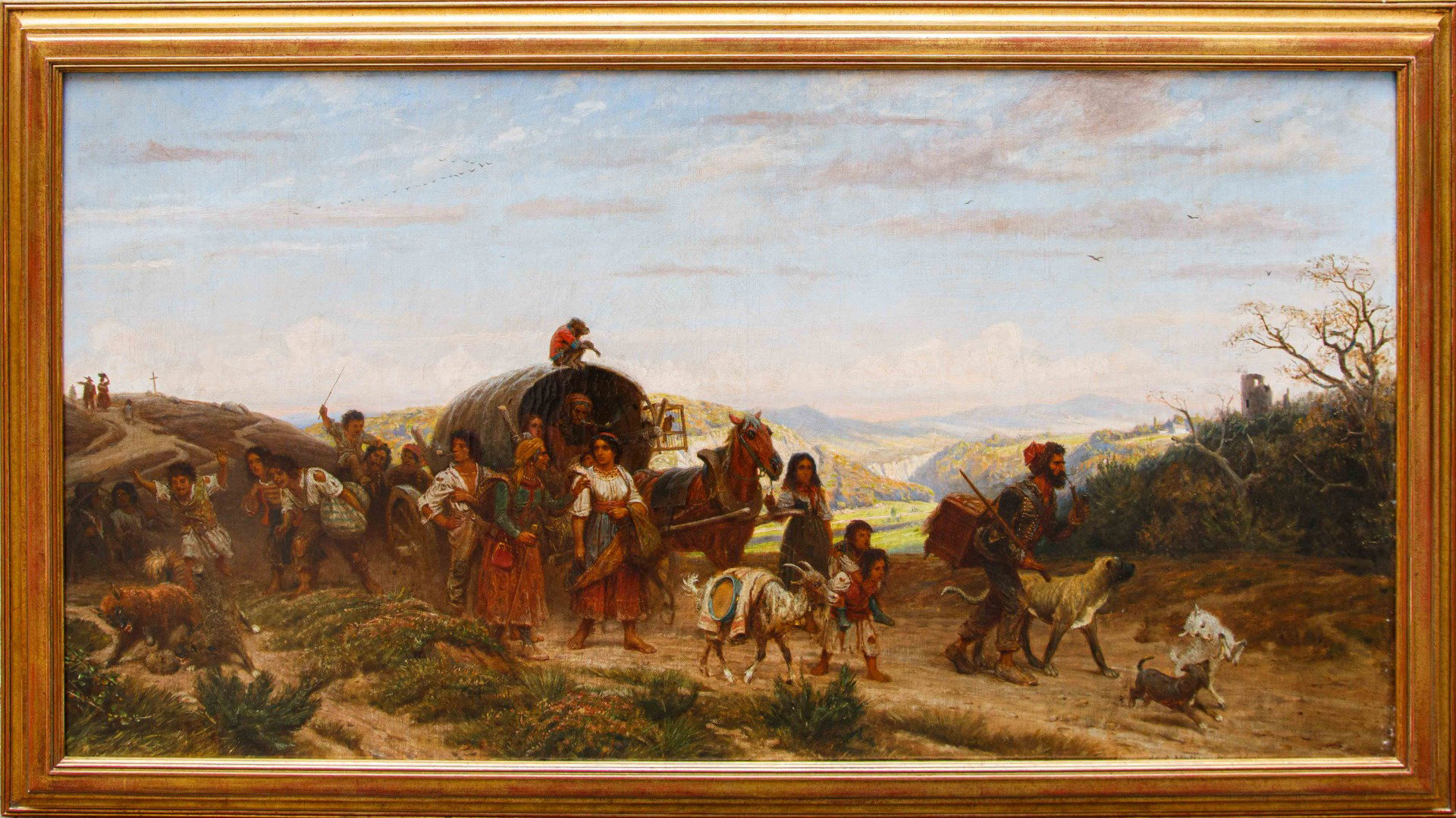
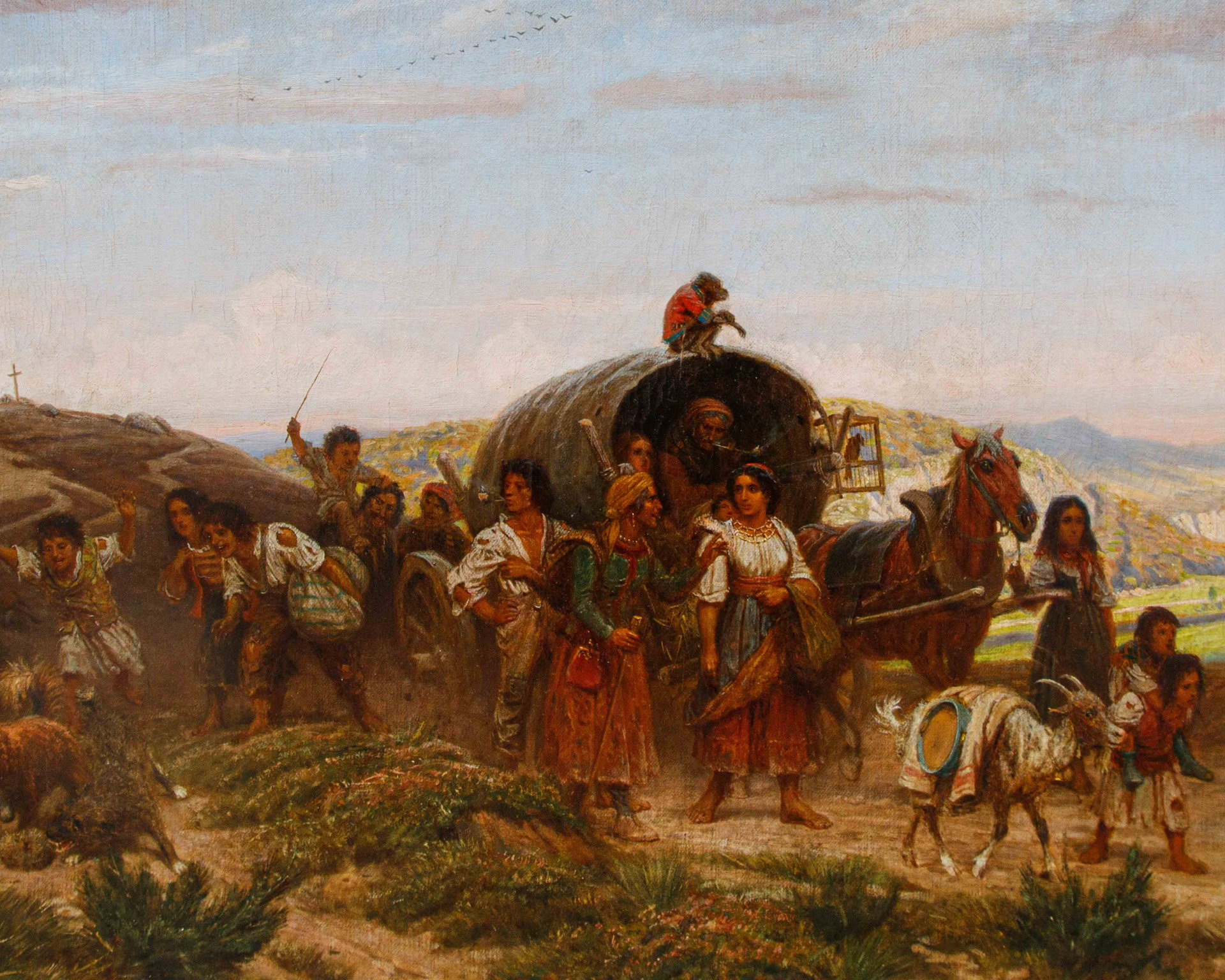
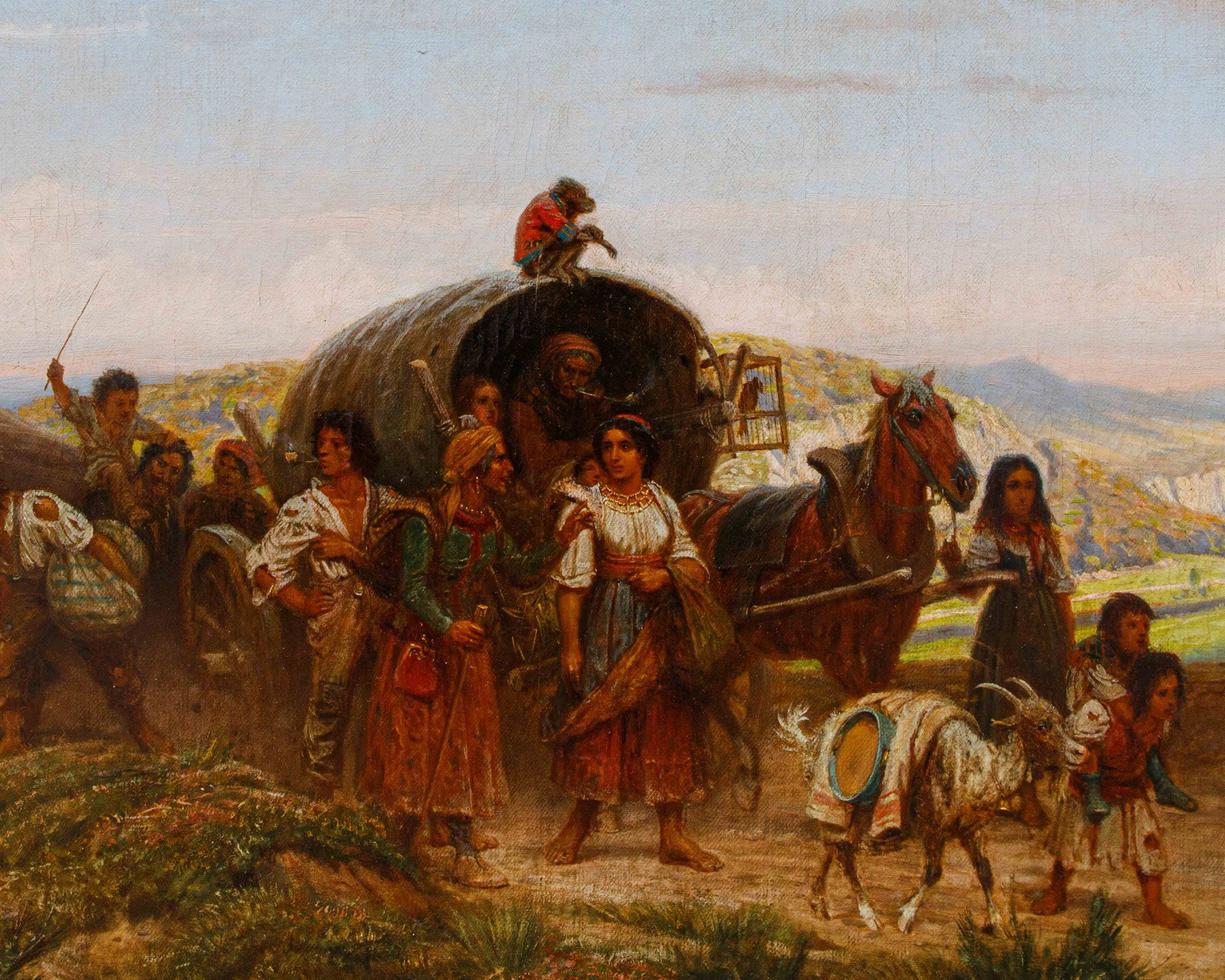
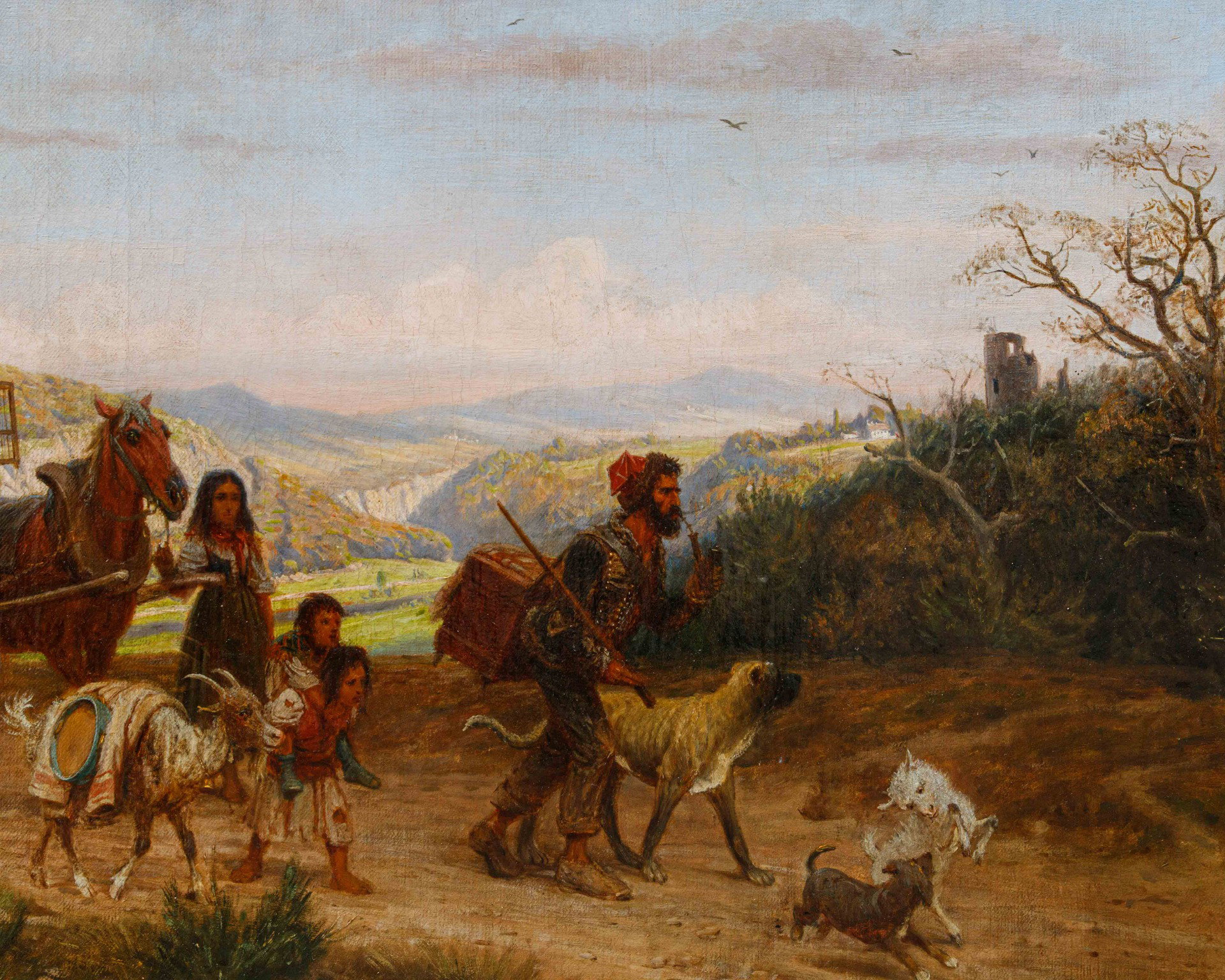
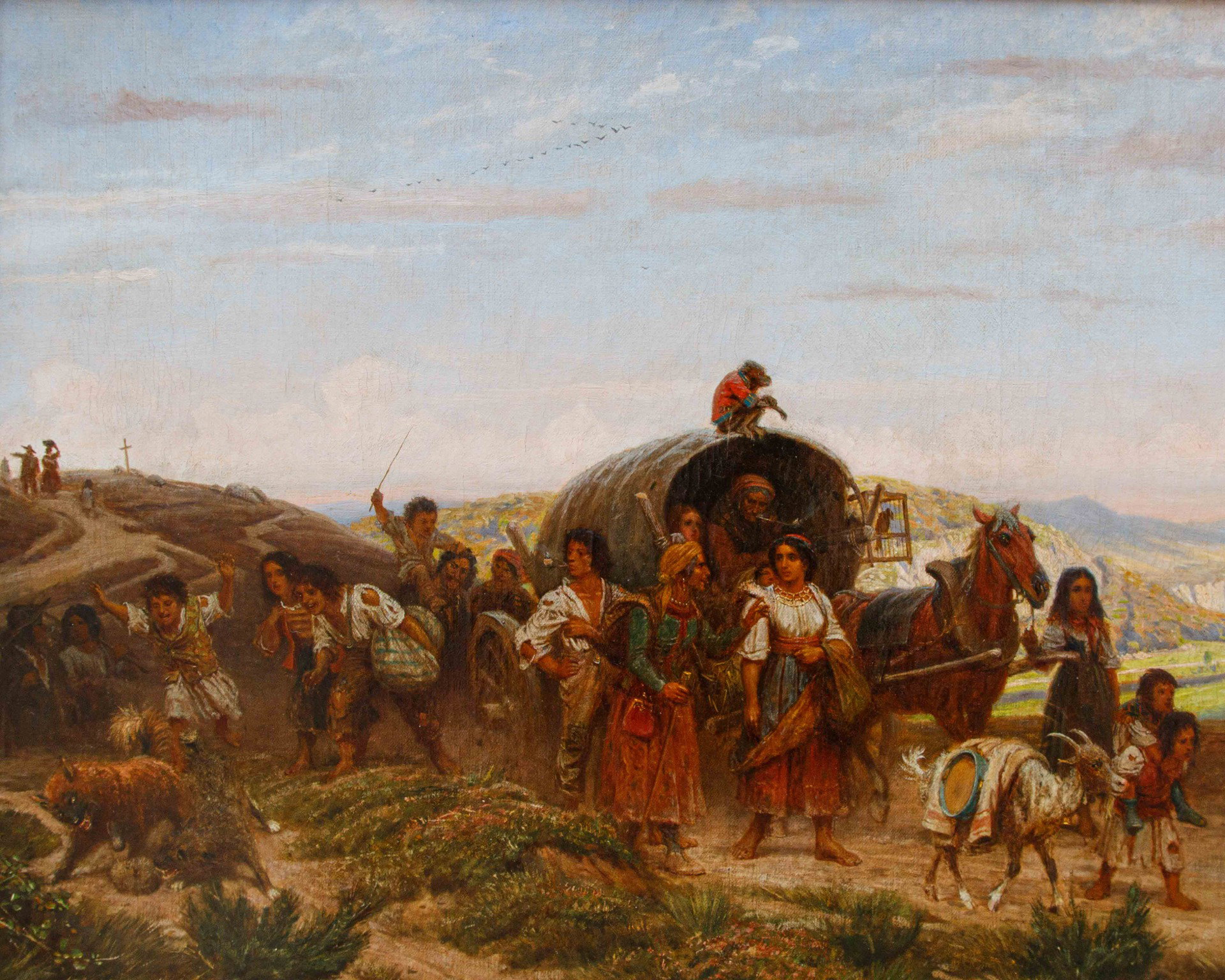
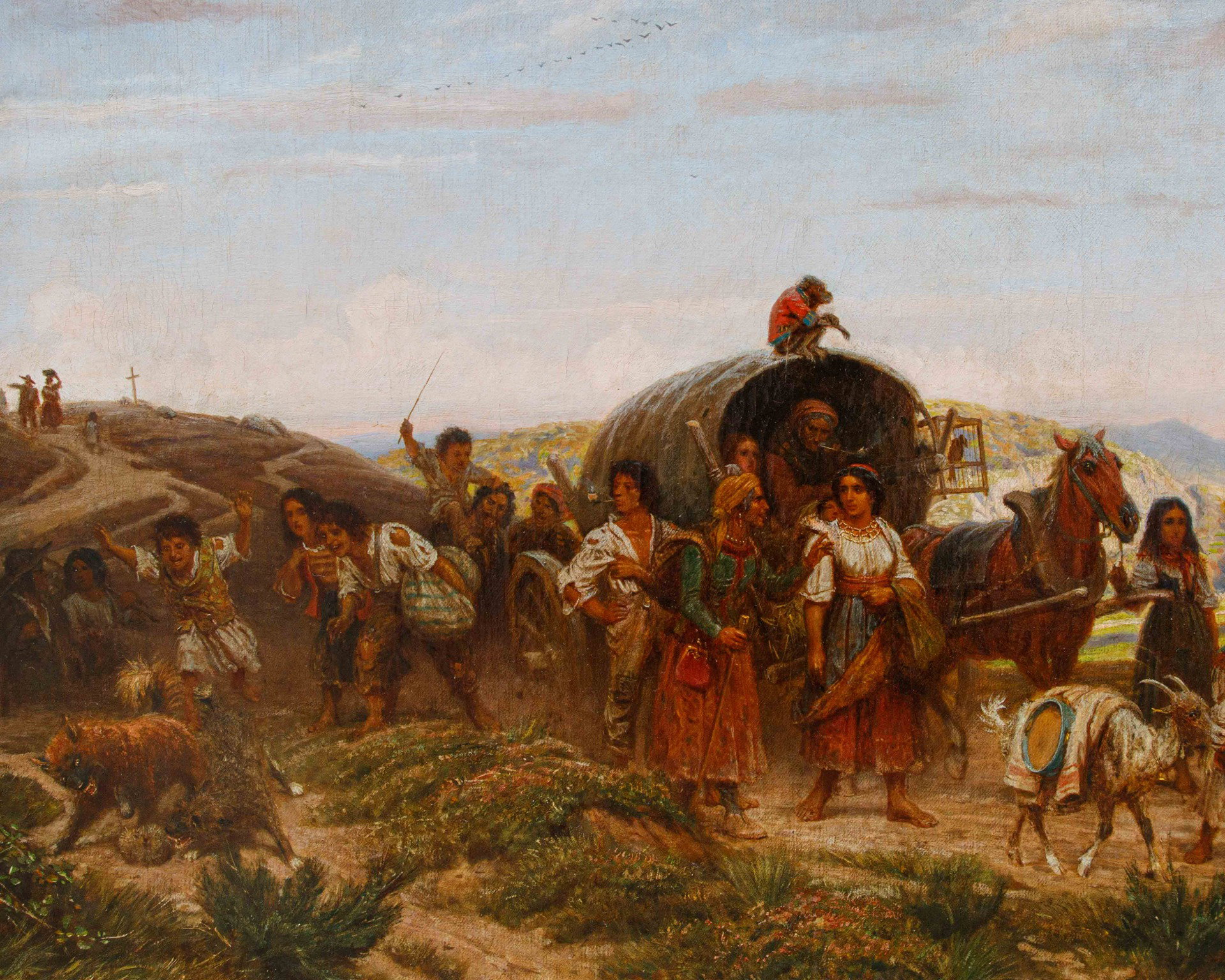
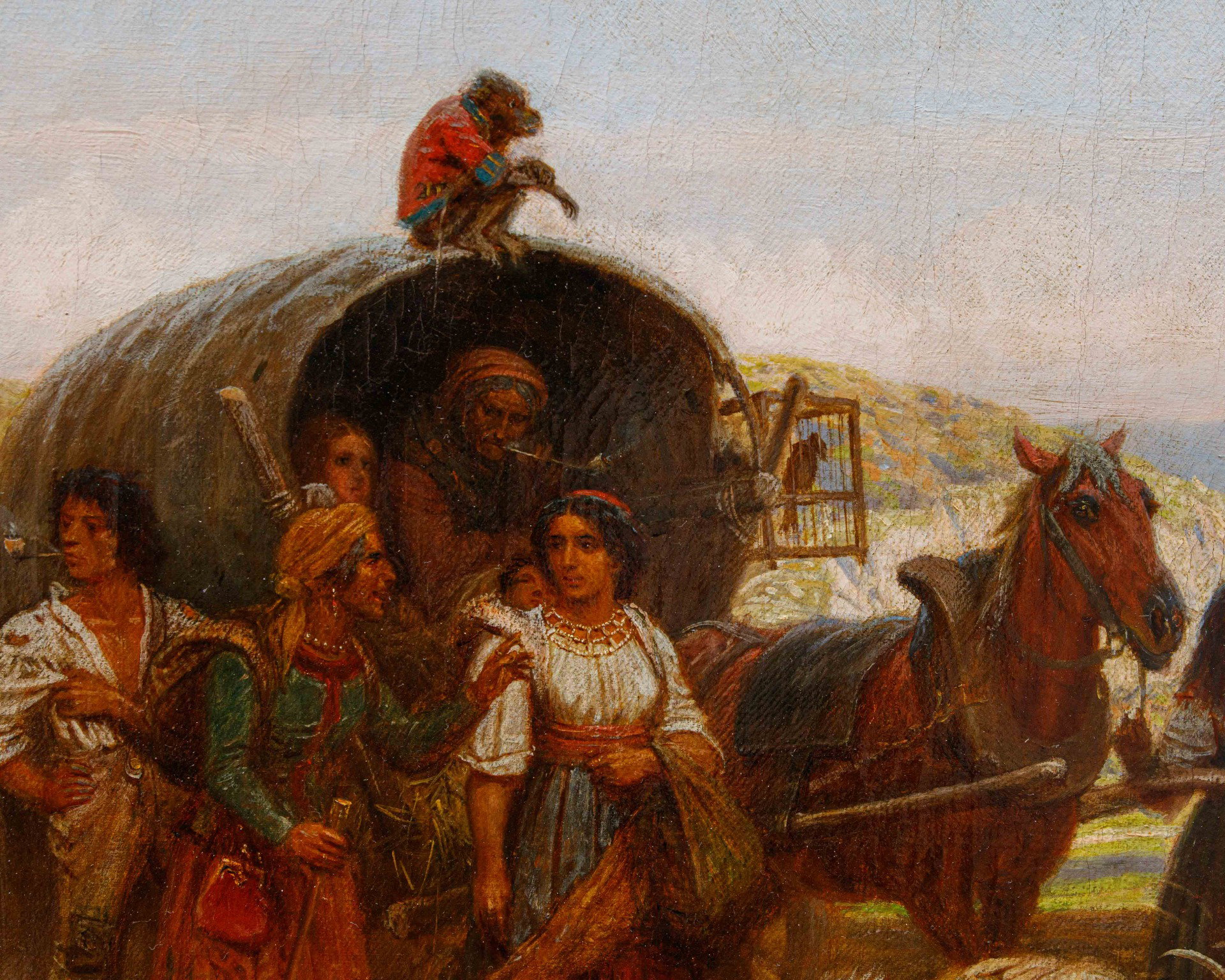
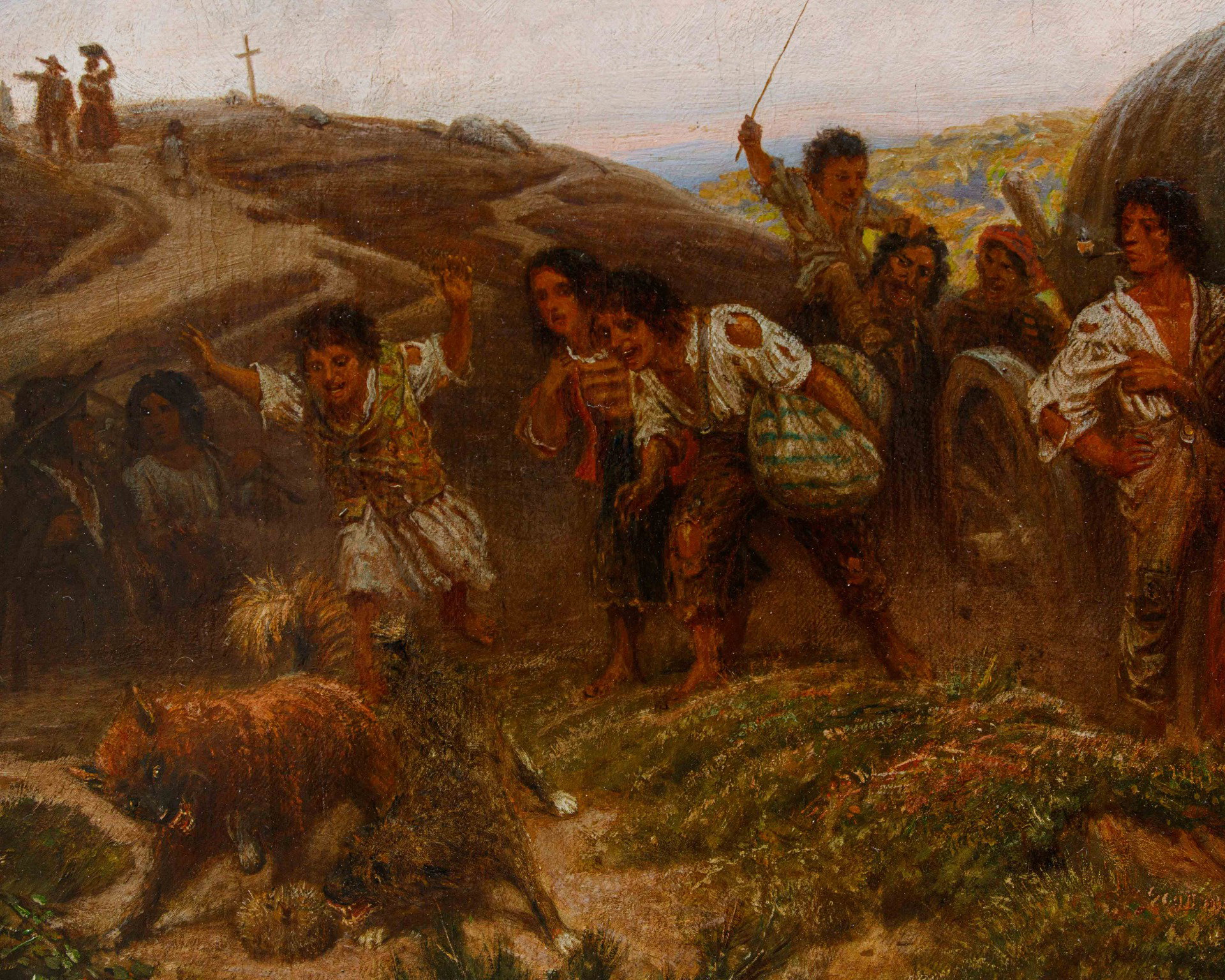
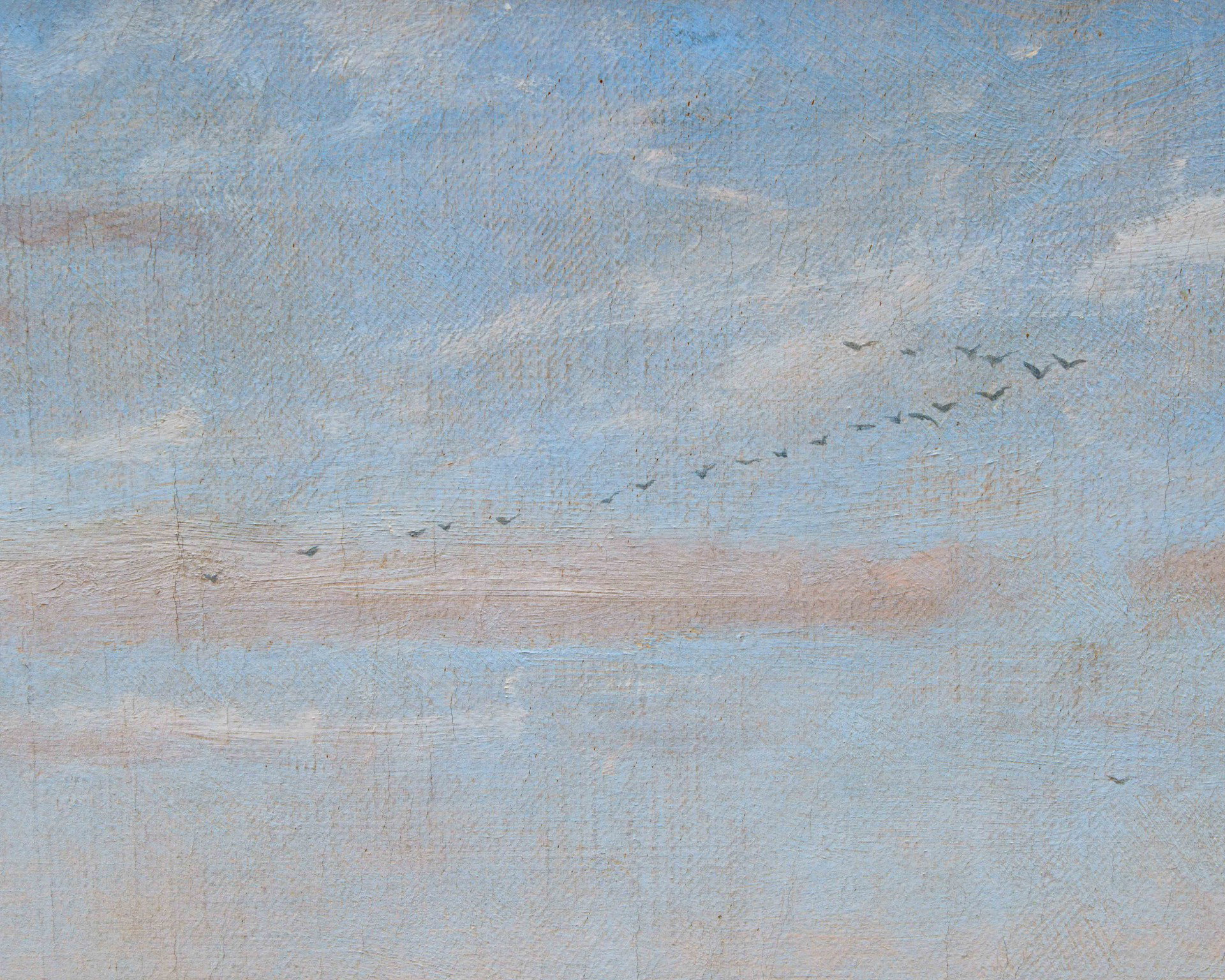
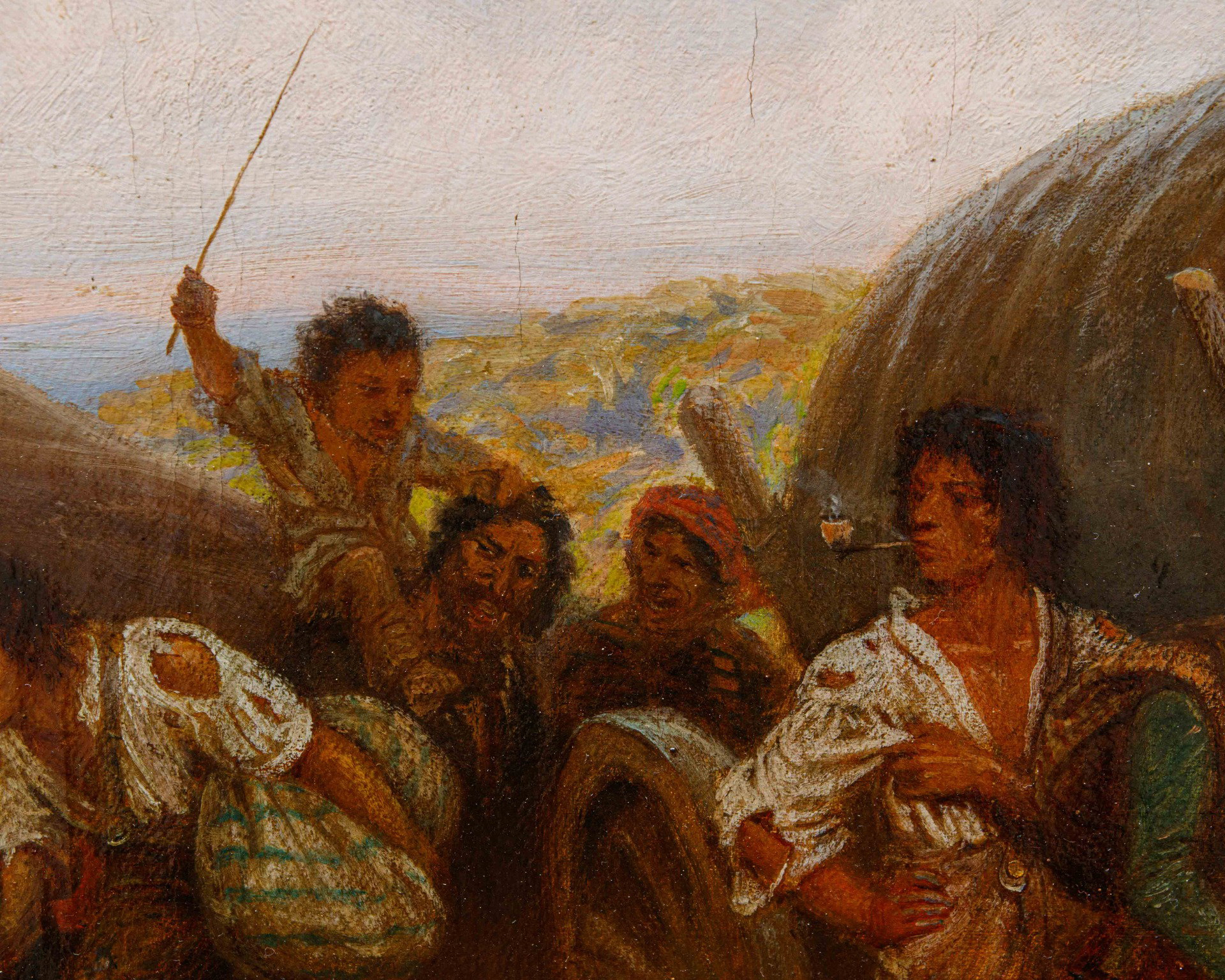
Caravan on a journey
Oil on canvas, 70 x 124 cm
Framed, cm 80 x 138
Signed "Adolf Northen Düsseldorf."
Adolph Northen, born in 1828 in Münden, Germany, was a painter whose art predominantly immortalized vibrant battle scenes, treacherous journeys of large caravans, and evocative winter landscapes, often animated by human figures rendered with great skill and technical expertise. His artistic career unfolded mainly in Düsseldorf, an important center for 19th-century German art, where he passed away in 1876. Despite the relative scarcity of detailed biographical information about his personal life, his work speaks eloquently of his technical ability and his predilection for specific themes. Northen was particularly known for his military genre paintings, which often depicted episodes from the Napoleonic Wars. These works are distinguished by their attention to detail, dynamic composition, and ability to convey the turmoil and drama of conflict. His portrayal of battles was not merely documentary, but imbued with a sense of narration and pathos, capable of capturing emotions and perfectly describing the actions of soldiers in crucial moments of contemporary history. Alongside battle scenes, Northen dedicated himself with equal mastery to winter landscapes. These paintings reveal a different sensitivity, focusing on the quietness and beauty of nature covered in snow. He often included small human figures in these scenes, which added a sense of scale and narration, suggesting daily life and activities carried out in a frigid but fascinating environment. His ability to render the dim light of winter and the texture of snow demonstrates a remarkable mastery of color and perspective. Another subject that catalyzed the attention of the German artist is that of gypsy caravans in motion. The representation of gypsies is actually very common north of the Alps throughout the 19th century: In the 19th century, the representation of Roma and Sinti in painting was profoundly influenced by Romanticism and Orientalism, two movements that shaped the European imagination of the time. These peoples, perceived as nomadic, mysterious, and distant from social conventions, became fascinating subjects for artists seeking the exotic, the picturesque, and the "different." Often, Gypsies were depicted in scenes that emphasized their presumed "wild" and "free" life: camped in the open, presented as involved in fiery dances or traveling in caravans. Artists focused on their colorful clothes, faces with strong features, and intense expressions, often idealizing an "exotic" and sensual beauty, especially in female figures. However, these representations were rarely based on a deep knowledge or an authentic interaction with Gypsy communities. They were, rather, the product of stereotypes and prejudices rooted in society. Gypsies were seen as intrinsically connected to nature, music, and magic, but also associated with concepts of deviance, marginality, and a presumed lack of morality or industriousness. Artists like Eugène Delacroix, with his fascination for the East and "other" cultures, included figures that recalled Gypsies in their landscapes and genre scenes, although not always explicitly identified as such. In Italy, and in other European countries, the interest in folklore and local traditions led to paintings that portrayed Gypsies as part of a rural landscape or costume scenes, often with a more folkloric than documentary tone. In this case, the artist chooses to represent a fundamental trait in Roma and Sinti culture, that of travel, perceived as the very essence of a life in perpetual change.
Adolph Northen's works can be found in several museum collections, testifying to his recognition in the artistic landscape of his time. His extensive production offers a significant snapshot of 19th-century German genre and landscape painting, ensuring him a prominent place among the painters of his era.