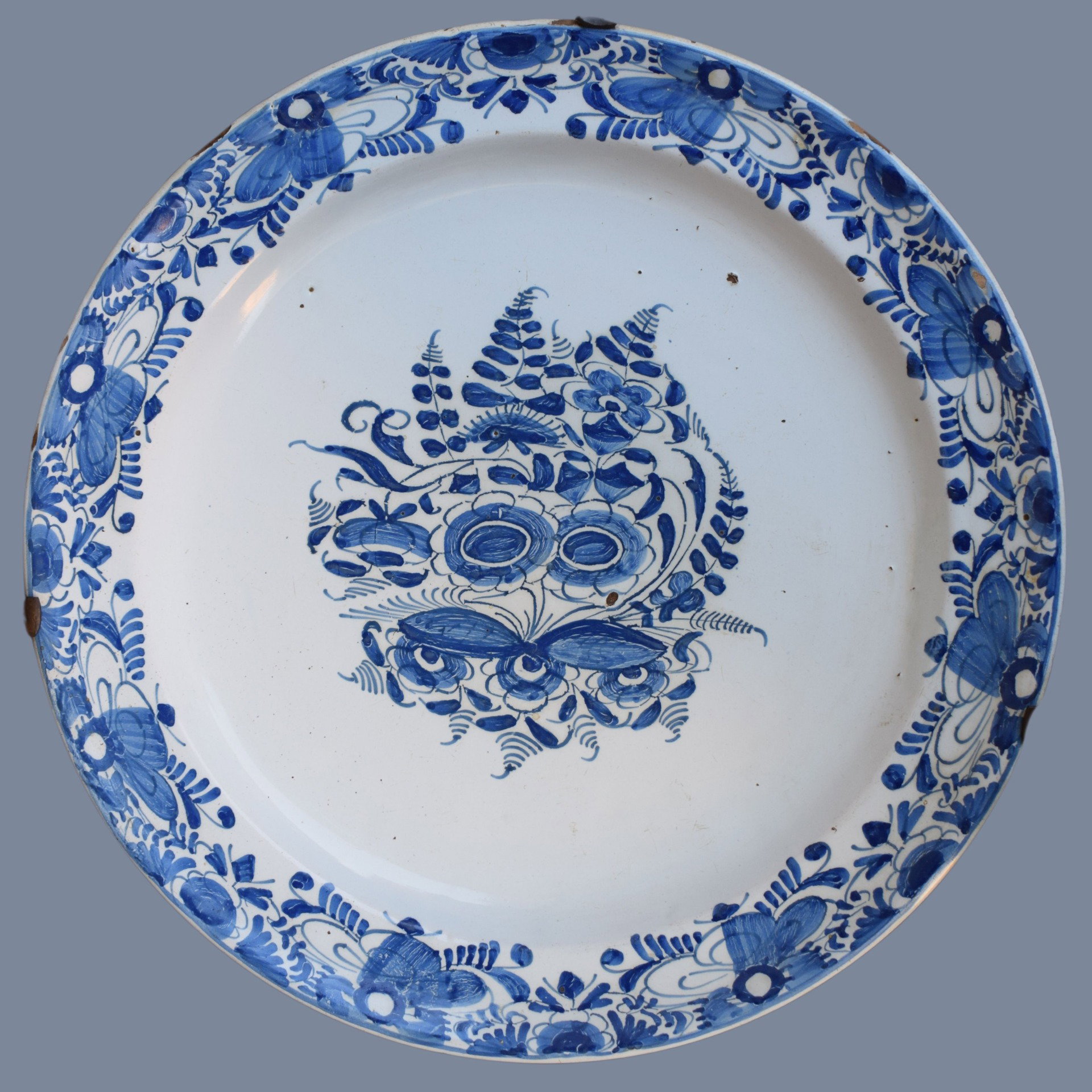
? Antonibon Manufacture, First half of the 18th century
? Parade plate
? Majolica, diameter 40 cm
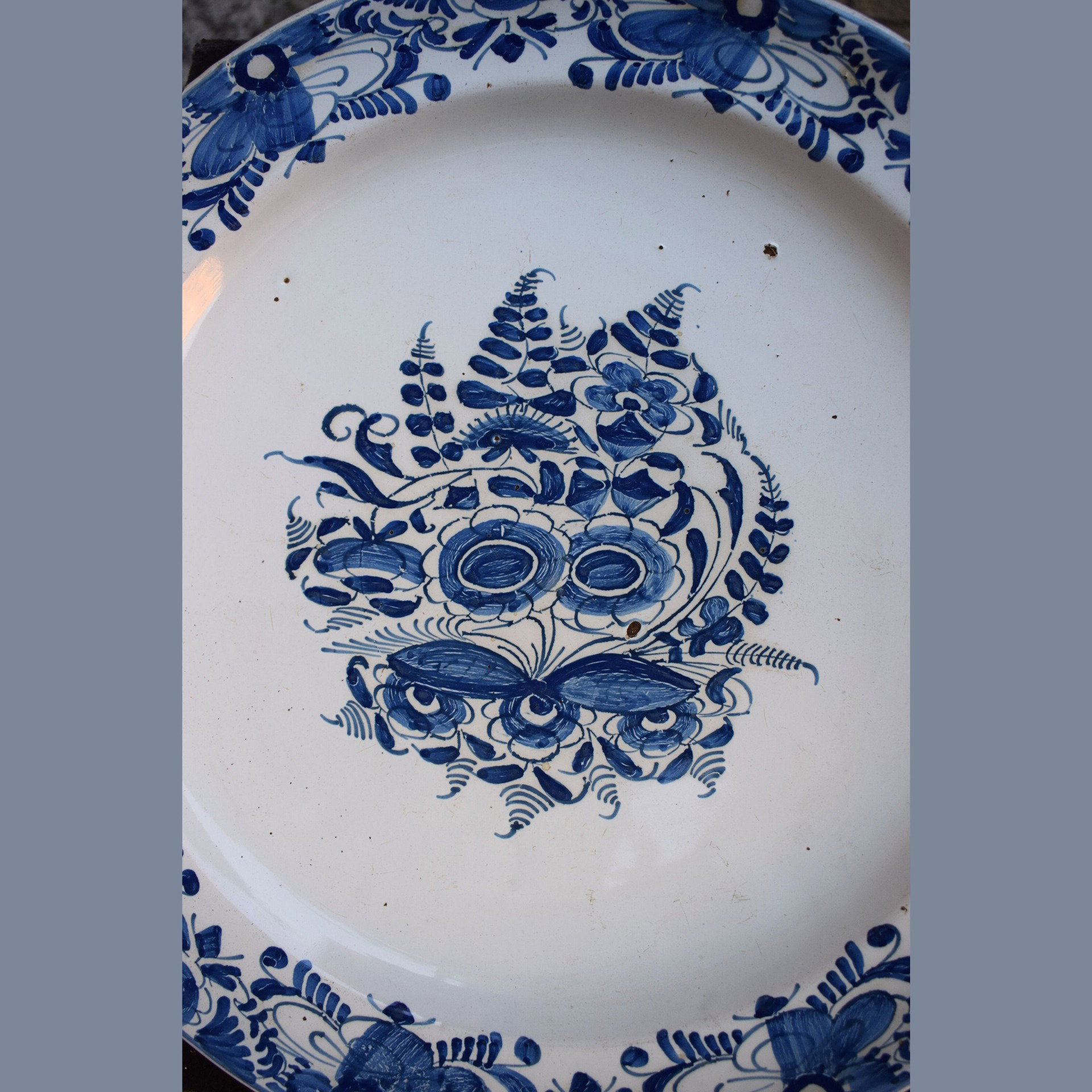
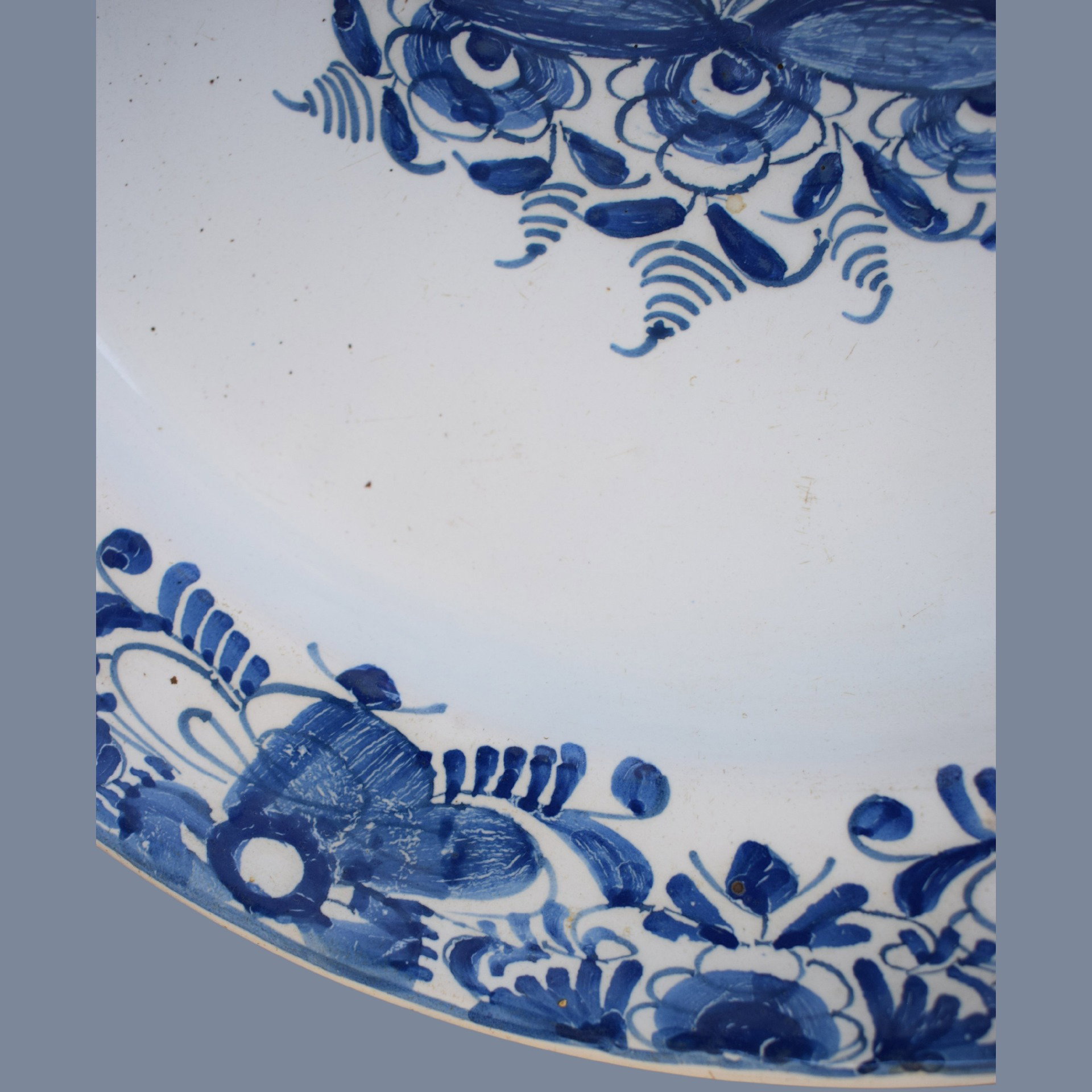
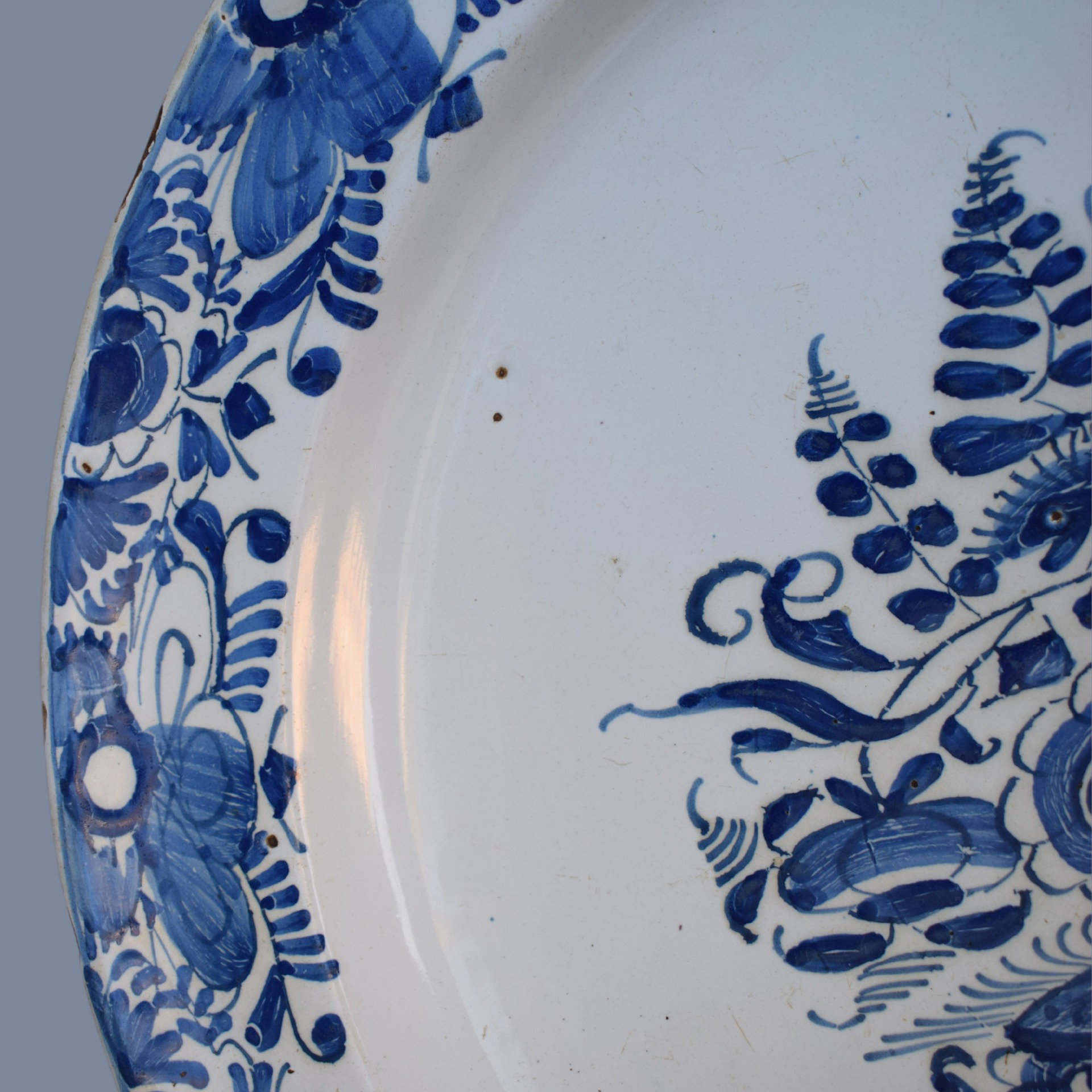
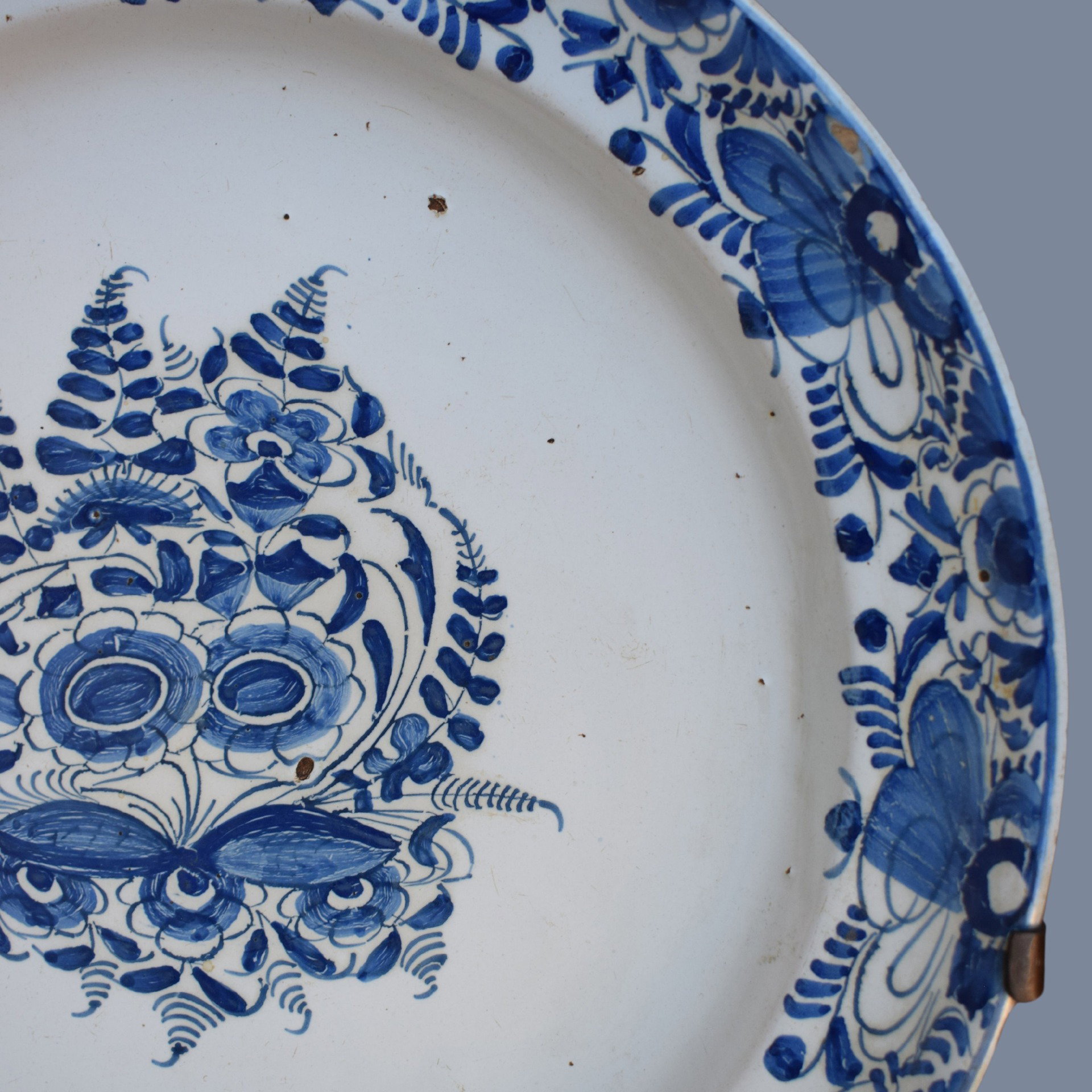
The parade plate in question is a representative example of the production of the Antonibon family's furnace in Nove di Bassano (Bassano del Grappa); it was made between 1728 and 1738, years in which Gian Battista Antonibon favored a decoration that looked to the Dutch tradition of Delft with a blue decorative motif.
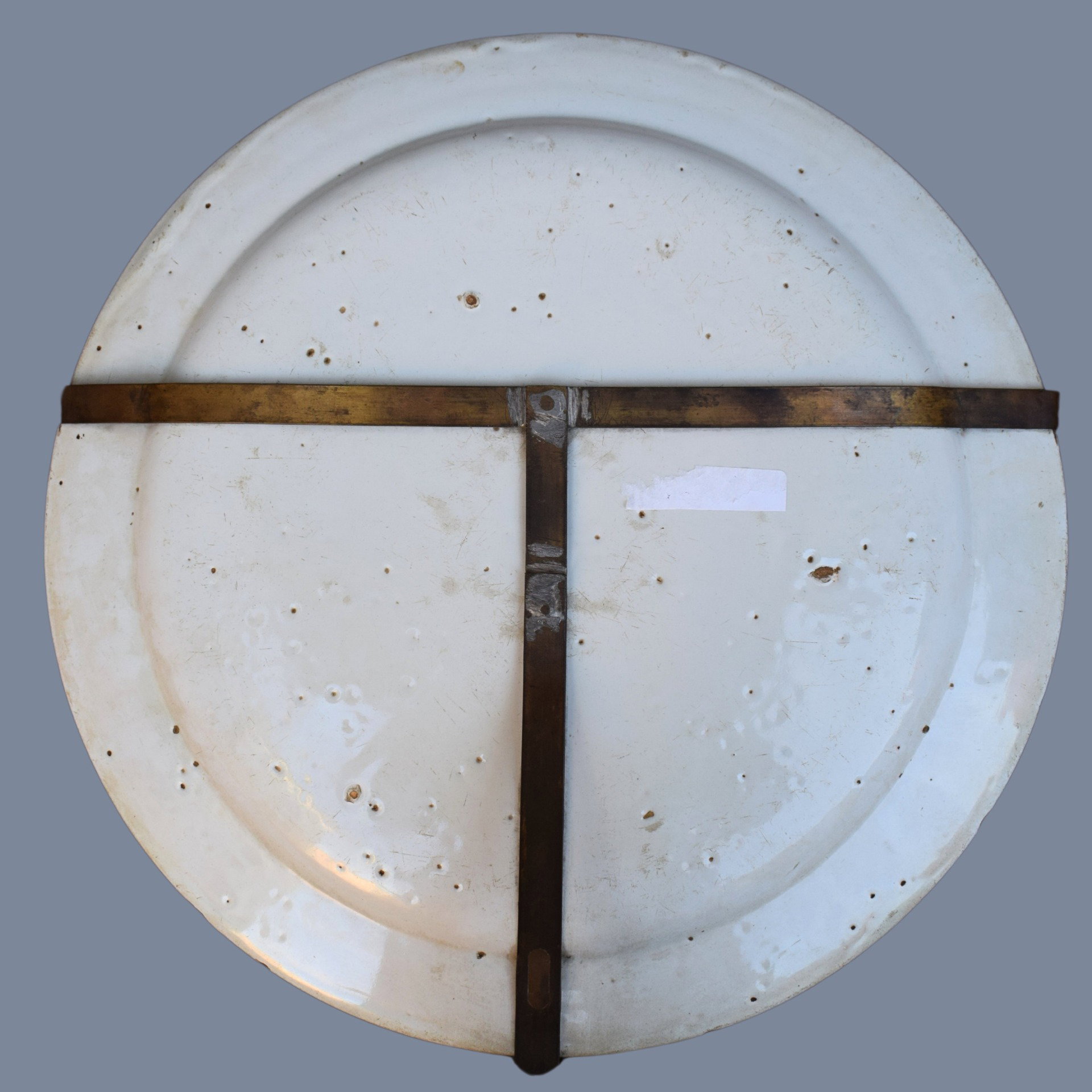
Of round shape with a slightly concave rim and raised edge, the back is smooth without a support ring, shaped on the lathe.
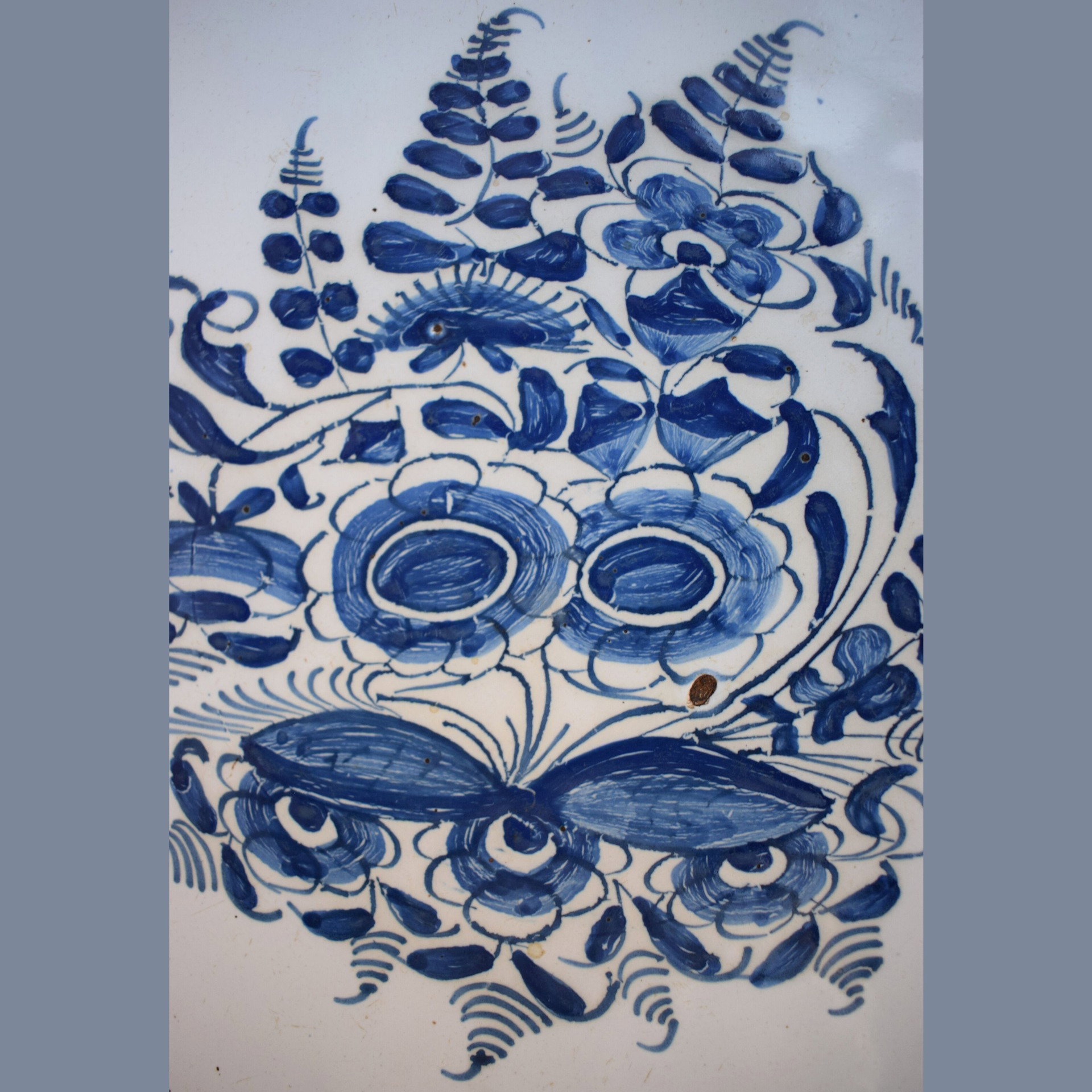
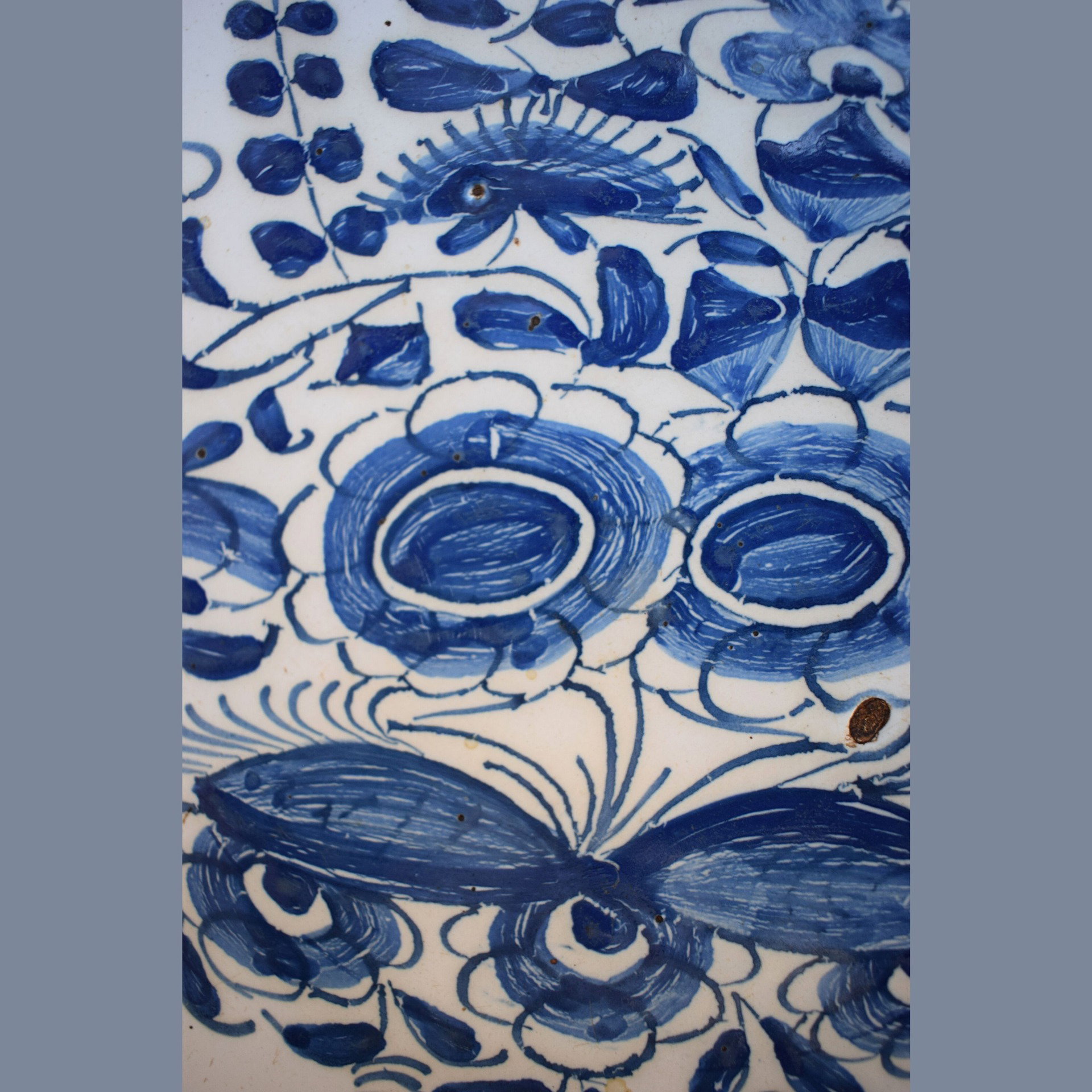
The decoration is in monochrome "in the Delft style" in "zaffera" blue, traditionally called "bull's-eye", characterized by flowers supported and surrounded by leaves, petals, and long stems. Along the rim, the band is decorated with flowers and branches with leaves arranged neatly in a comb. The glaze is very bright with a high tin content, milky white.
The historical origins of Nove ceramics date back to the mid-18th century, when the bodies in charge of the economic management by the Serenissima Republic encouraged and promoted the creation of manufacturing companies in the sector to counter the import of ceramics from other centers, especially Lodi, Faenza, and Genoa.
Thus was born the first manufacturing company specializing in ceramics belonging to the Manardi family of Bassano del Grappa. In Rivarotta, between Angarano and Nove, in 1719 the partnership agreement was signed between Giovanni Battista Antonibon and Giovanni Maria Moretto, in order to organize a "crystal business" and use its mills in Rivarotta.
Of fundamental importance was the work carried out by the Antonibon family of ceramists, a manufacturing company active between the late 17th century and the second half of the 19th century. The ancestor was probably Pasquale who in 1670 founded, in Nove di Bassano, an initial earthenware factory. Over time they specialized in the production of common tableware until in 1728, Gian Battista Antonibon obtained from the Serenissima the "privilege" for the manufacture of majolica. Having obtained the definitive recognition of the factory, he managed to open a workshop in Venice and to obtain other concessions in Nove, becoming the most important ceramic factory in the Venetian Republic.
? Professional packaging and insured shipping to guarantee maximum safety during transport.
? For further information, please do not hesitate to contact us +39 3335747733 –
[email protected]
Possibility of VIDEO CALLS and direct viewings by appointment in MILAN and OMEGNA (Vb).