18th-century Sicilian sculptor
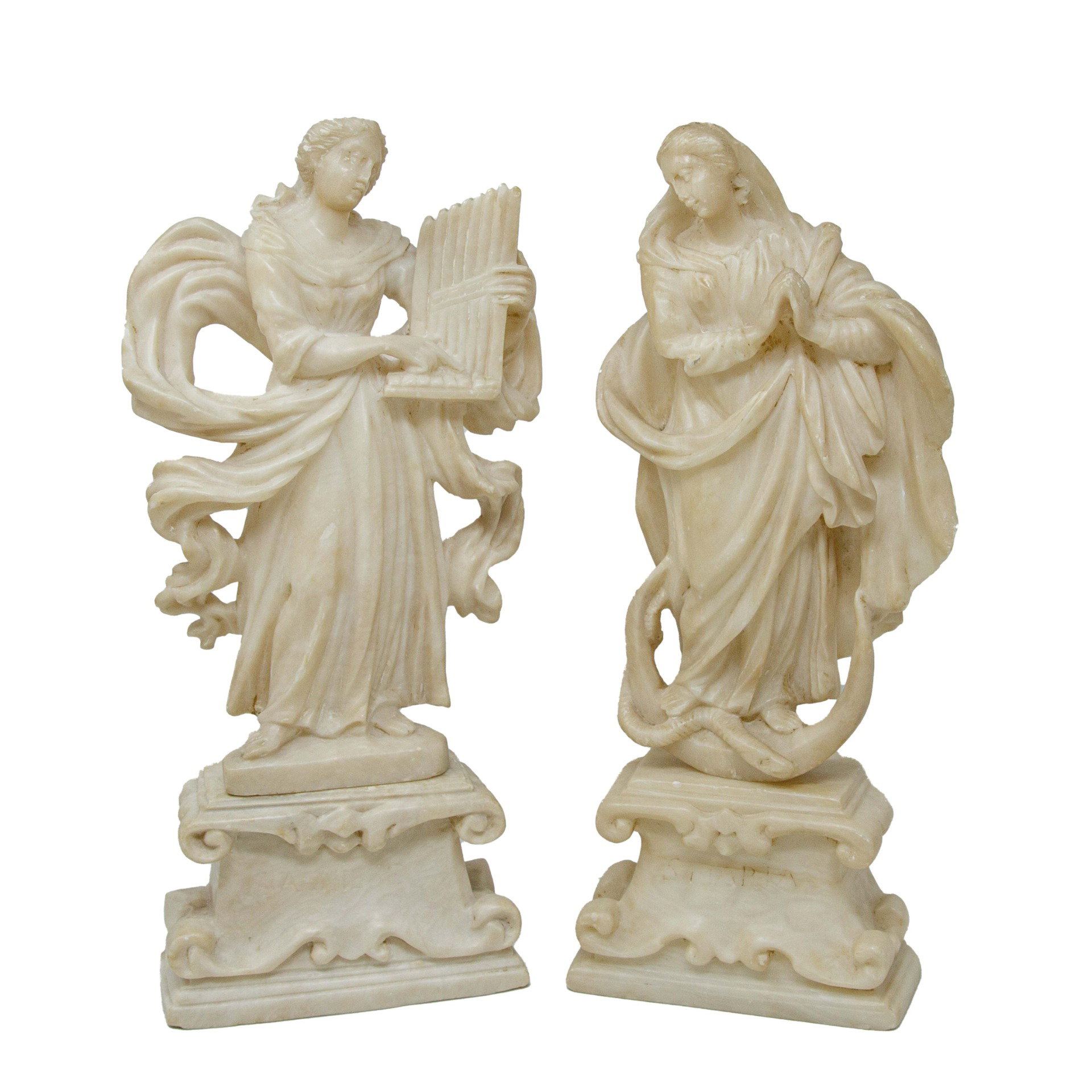
Saint Mary and Cecilia
Alabaster, 35 x 14 x 6 cm
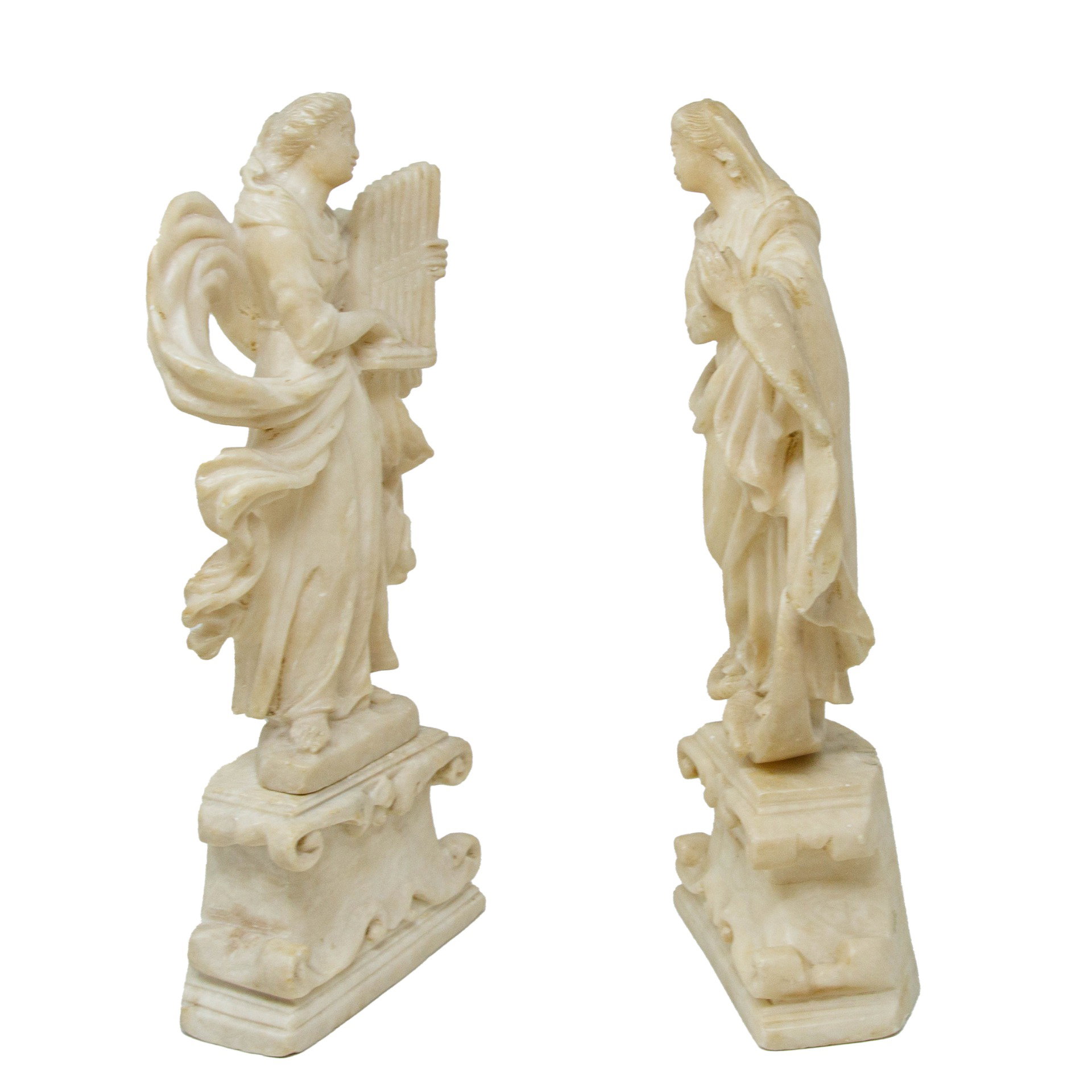
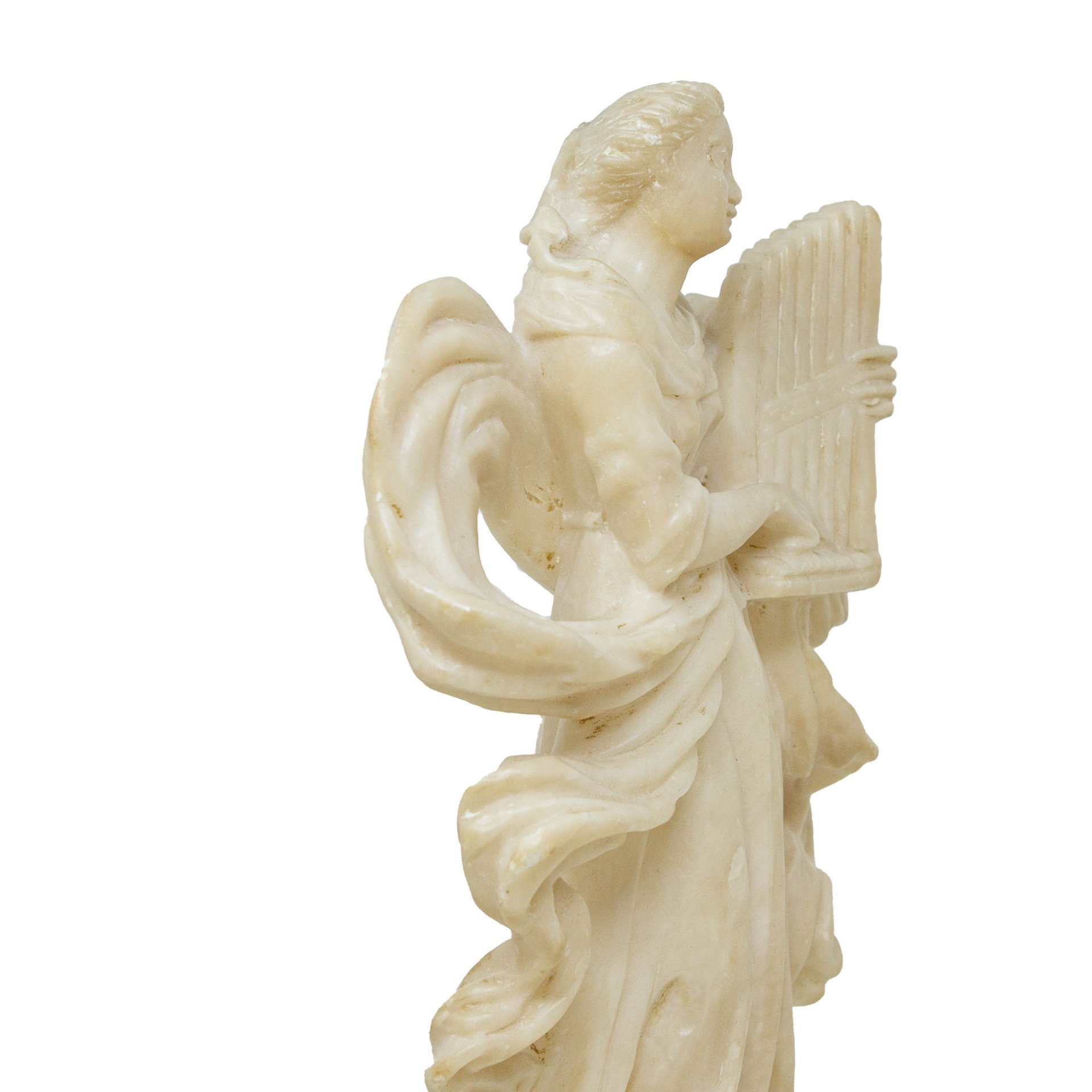
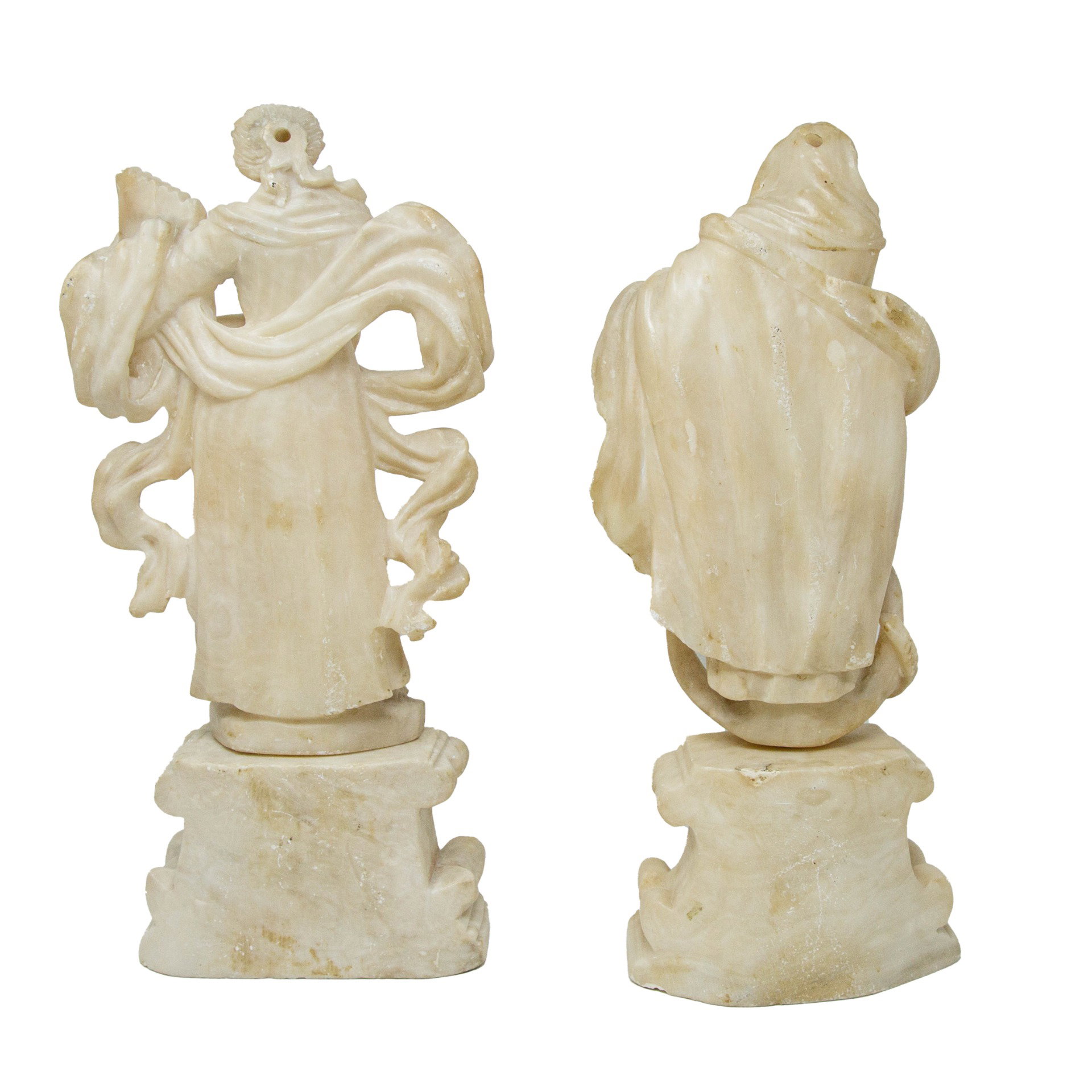
The two alabaster statues are accompanied by two mixtilinear architectural bases upon which two female sculptures are depicted: Saint Cecilia and Saint Mary. The pair belongs to the sculptural production of 18th-century Sicily, which, in the field of decorative arts, appropriates the Rococo language, thus aligning itself with international styles. On the island, starting in the 1740s, there was an innovation of decorative modules, now projected towards the acquisition of models from beyond the Alps, a condition that would remain for the entire half, and beyond, of the century. The works take on articulated forms, the material rises from the base and, winding in a spiral, expands with soft undulations of the surface. But as happens with every imported reality, one must reckon with the deep-rooted local tradition, and this results in a hybridization of formulas that graft onto the persistence of 17th-century syntax. The intersection between the old and the new generates an original compositional language, defined as 'barochetto' (little Baroque), made of Borrominian memories and new friezes, flourishes, and volutes. This stylistic renewal in Sicily invests all the arts, including sculpture of every material and dimension; among the most famous sculptors are the members of the Serpotta family, also working in Rome and known for their stucco works, Ignazio Marabitti (1719-1797) and Gioacchino Vitagliano (1669-1739). Returning to the subject, the Virgin follows the iconography of the Immaculate Conception, derived from the description made in the Apocalypse of John: the woman who tramples the serpent would allude precisely to the Madonna who triumphs over evil, that is, the serpent, while the crescent moon would symbolize her purity, perhaps borrowed from some goddesses of antiquity, depicted with the lunar crescent. On the other side we find Saint Cecilia, a Roman noblewoman converted to Christianity during the 3rd century AD and considered the patron saint of music; for this reason, she is often depicted with musical instruments, the organ in this case, or musical scores. Both appear in motion thanks to the dynamic and swirling drapery of the clothes that twist around the slender figures with sinuous lines.