Déco sculptor, 20th century
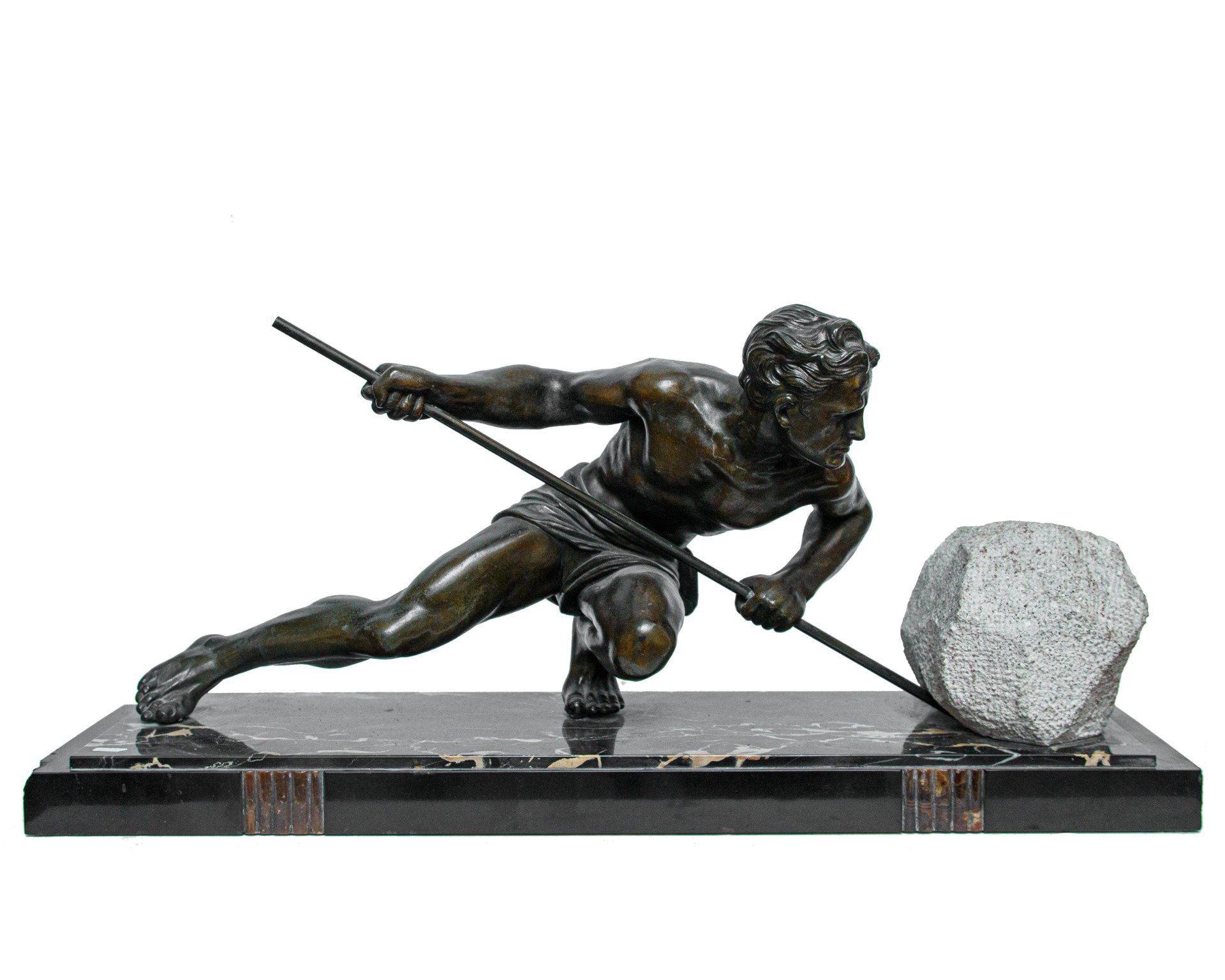
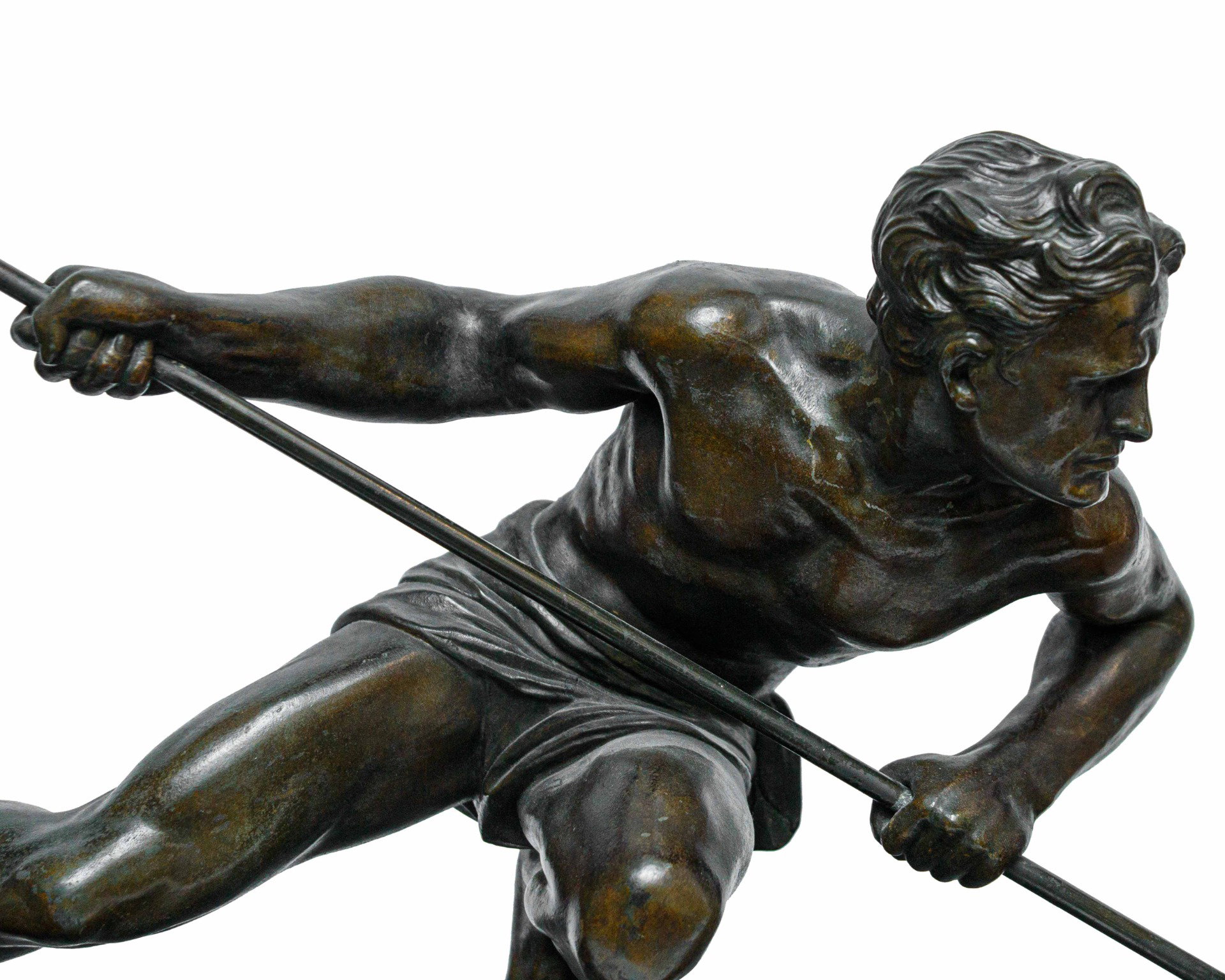
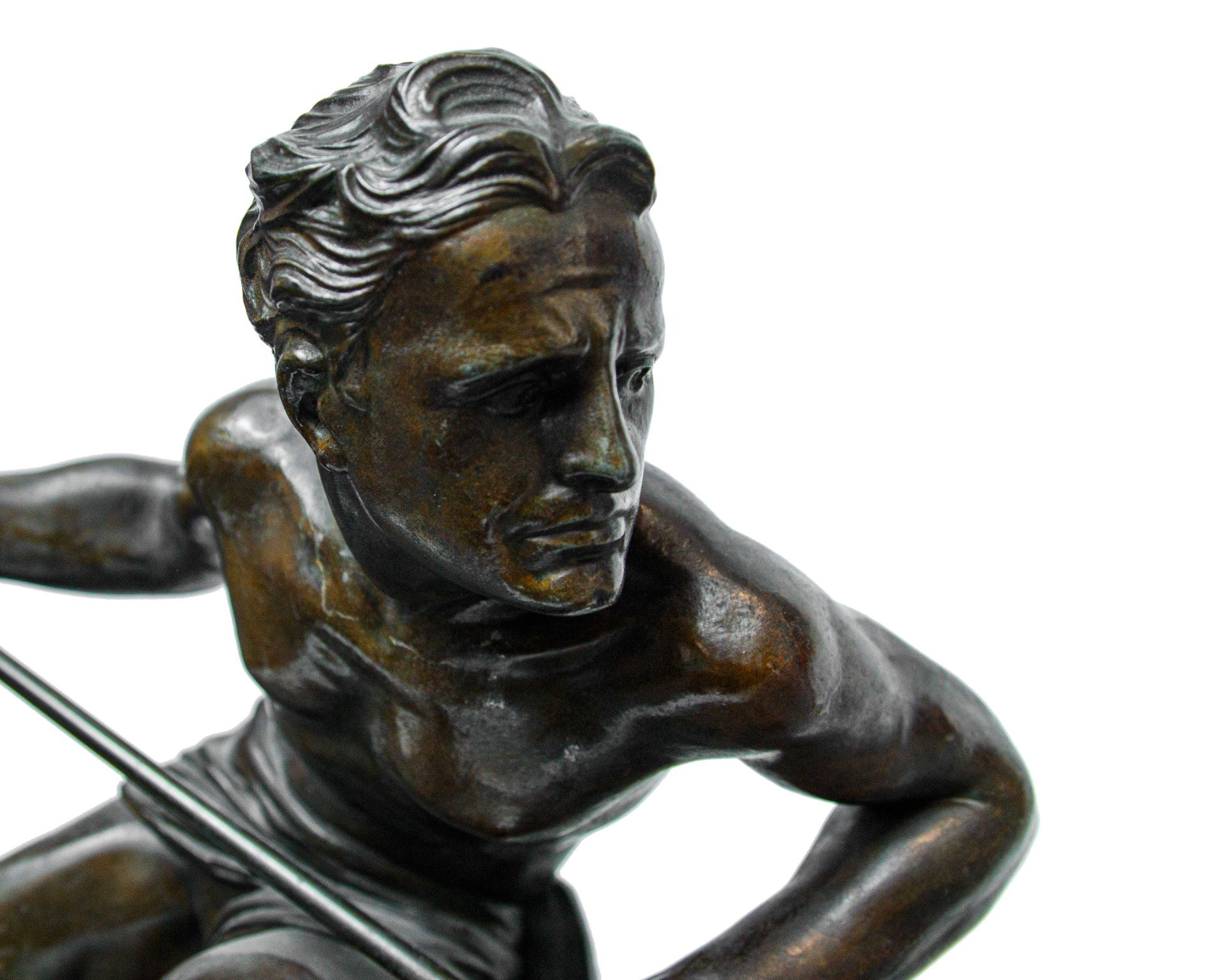
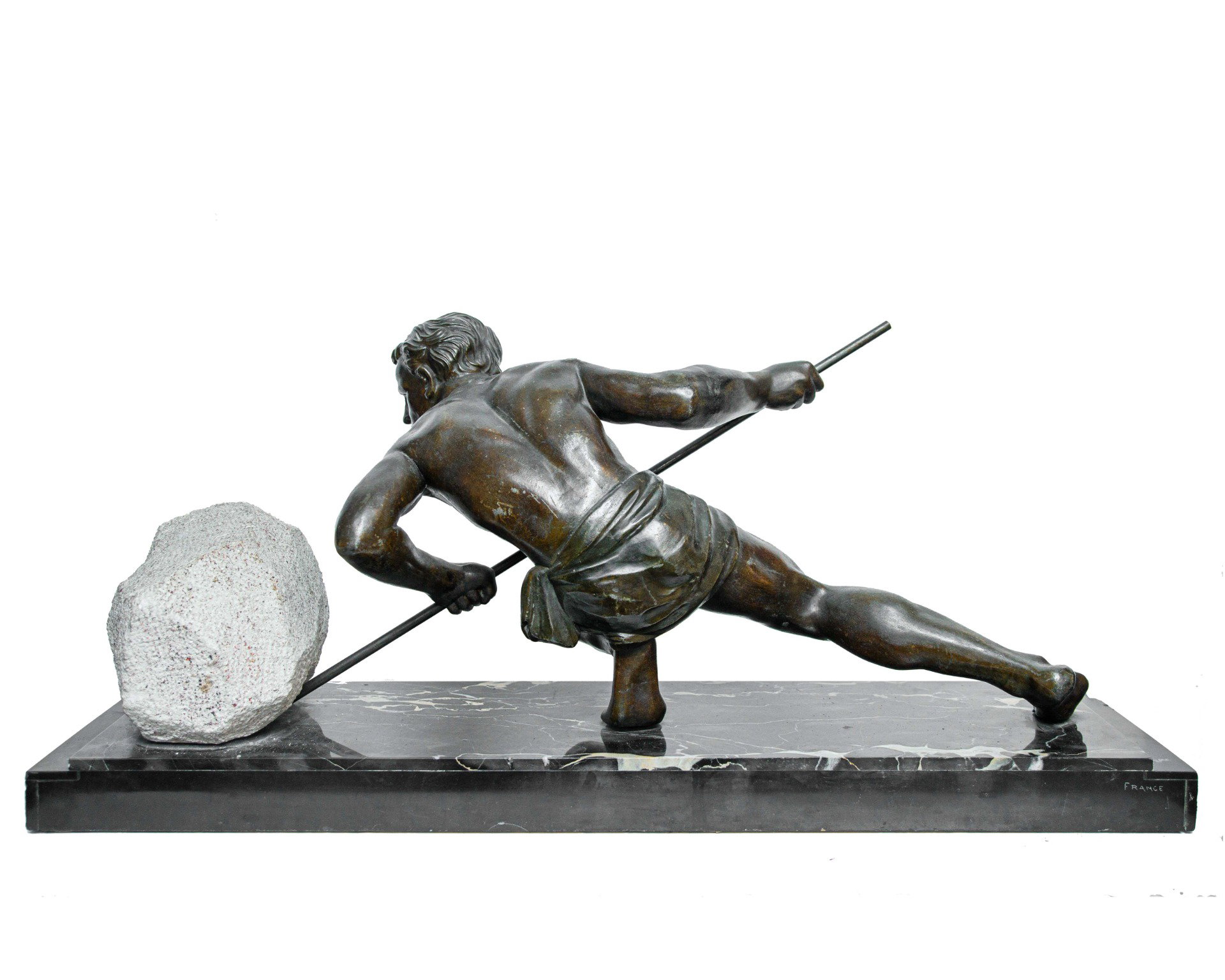
Strength
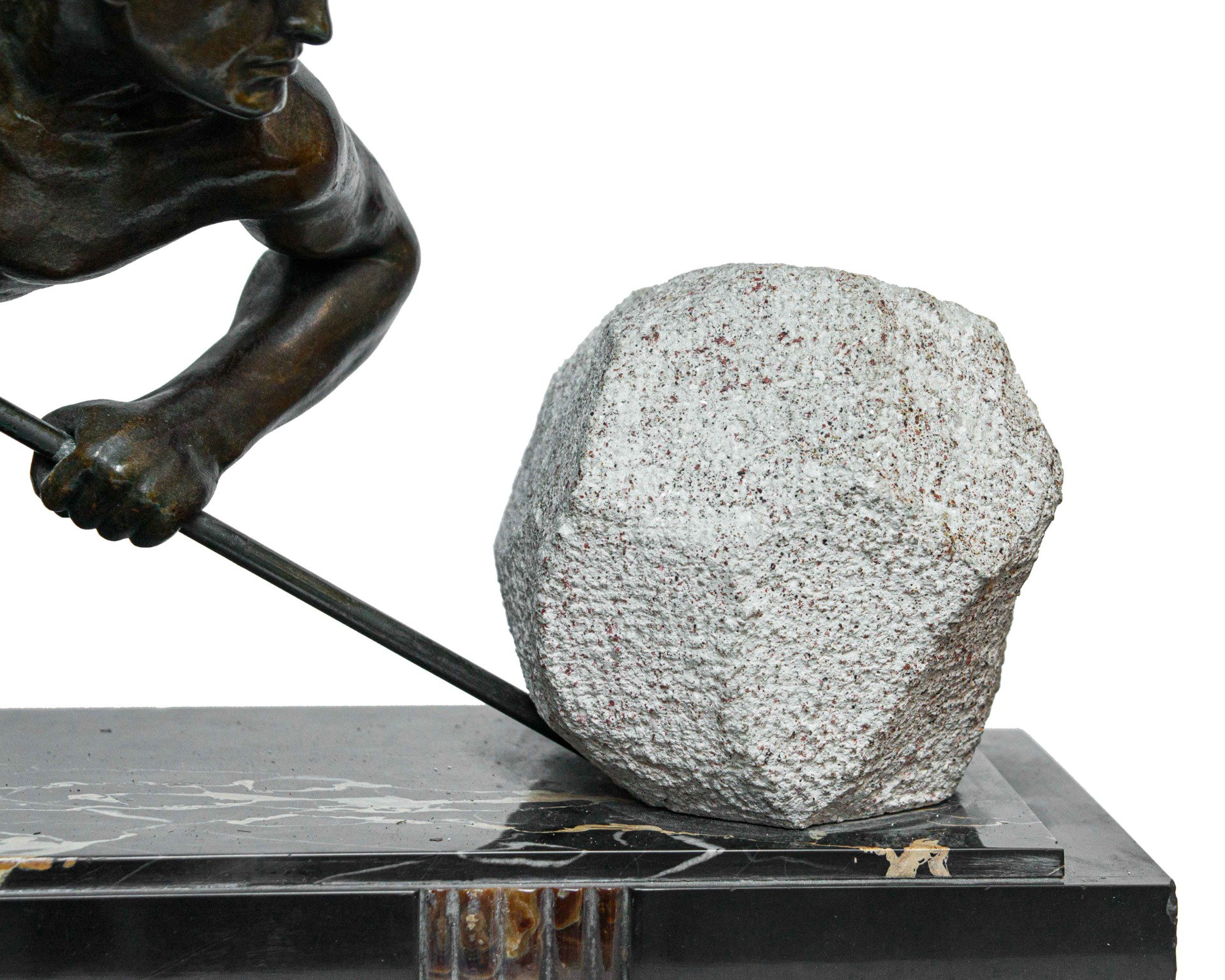
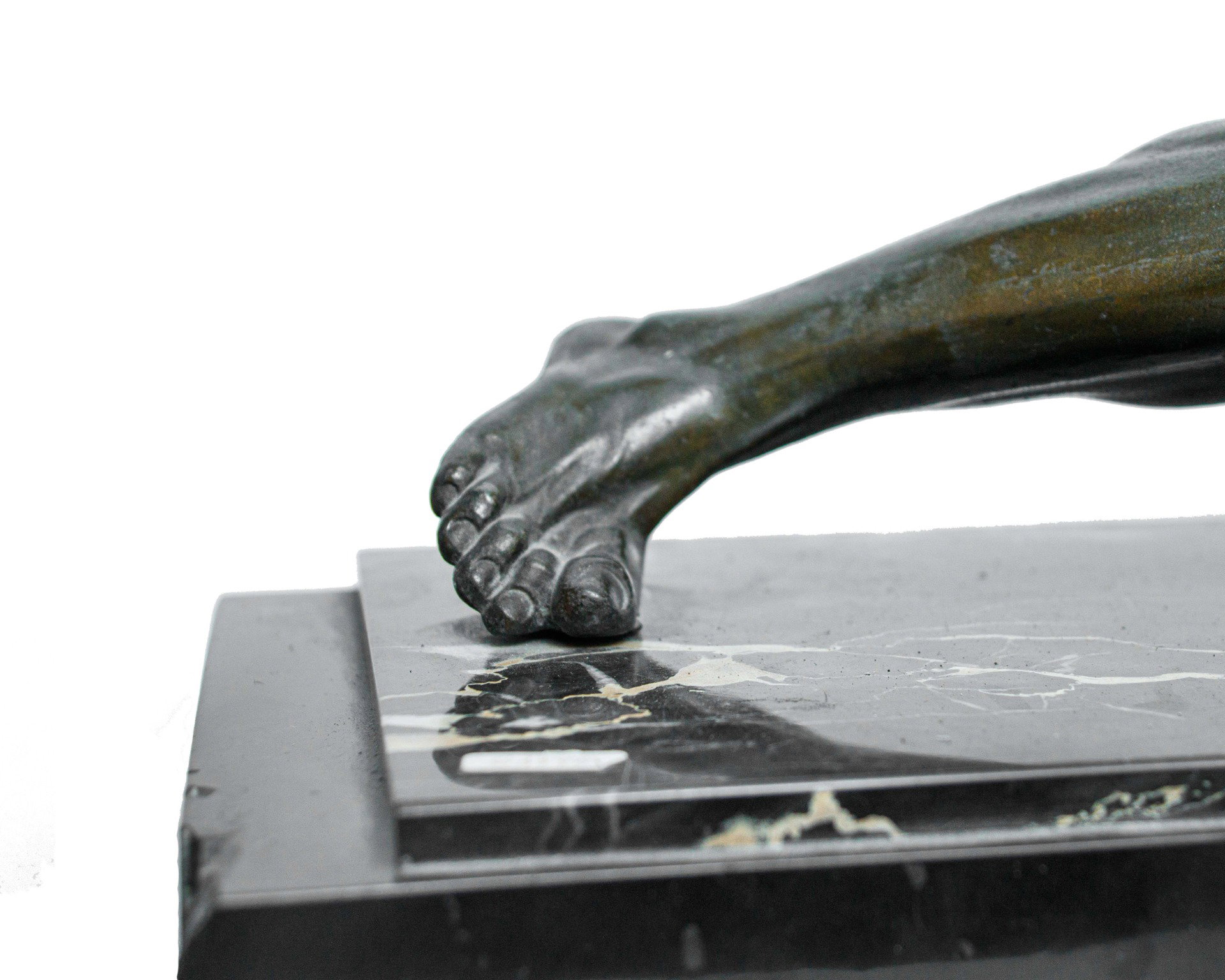
Bronze and stone resting on a base in Portoro marble and profiled black marble, cm 34 x 75
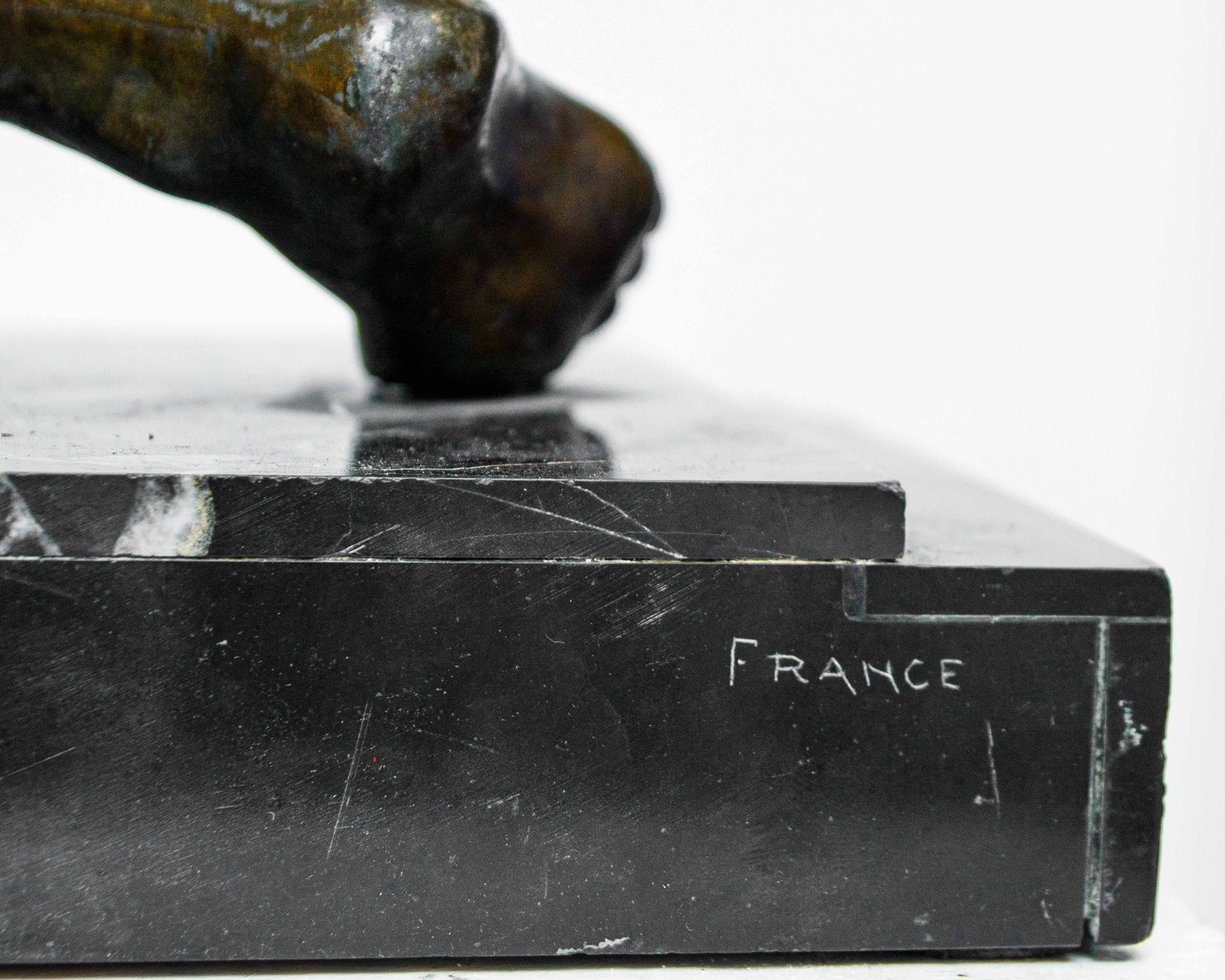
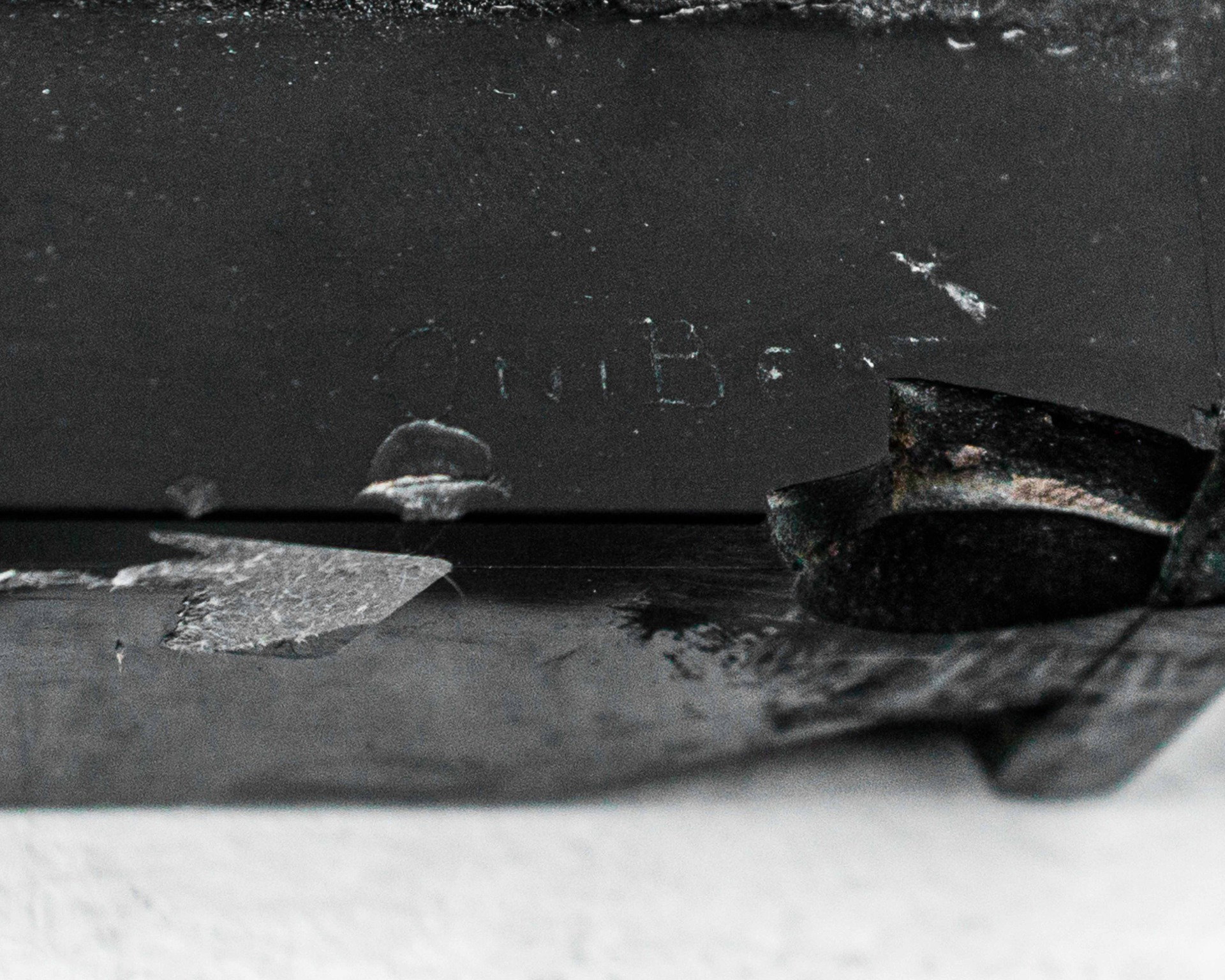
Has traces of signature on the base
Art Deco is the daughter of the post-war period of the First World War and expresses the desire to move beyond the tragic recent past and to live life with dissipation, immersing oneself in luxury and frivolity. Its iconographic and visual sources are diverse and related to different fields: from the ancient Egyptian civilization to jazz music, which was very popular at that time. This new artistic current encompasses the concept of "modernity" also inspired by the technological and architectural innovations of that historical period, such as electric lights, skyscrapers and ocean liners. The hub of the development of the Art Deco style is certainly France: with the international exhibition in Paris in 1925, the style reached its maximum popularity and the dictates of Deco crept into the visual imagination of all European artists. The model of this bronze is probably of French derivation: the iconography in question was proposed for the first time, around the mid-1920s, by the Swiss artist naturalized French Edwin Boucher (1879-1968): the allegorical figure, intent on lifting a heavy boulder using a rod for leverage, conveys a strong sense of dynamism and vitalism, fully in line with the ideals of post-war Europe, ready to free itself energetically from the burden of the conflict. Boucher's model fascinated various artists of his generation, who re-proposed it in a series of beautiful polymateric compositions, of which the one in question constitutes one of the most successful examples.