ACHILLE ALBERTI
(Milan, 1860 - Camnago, 1943)
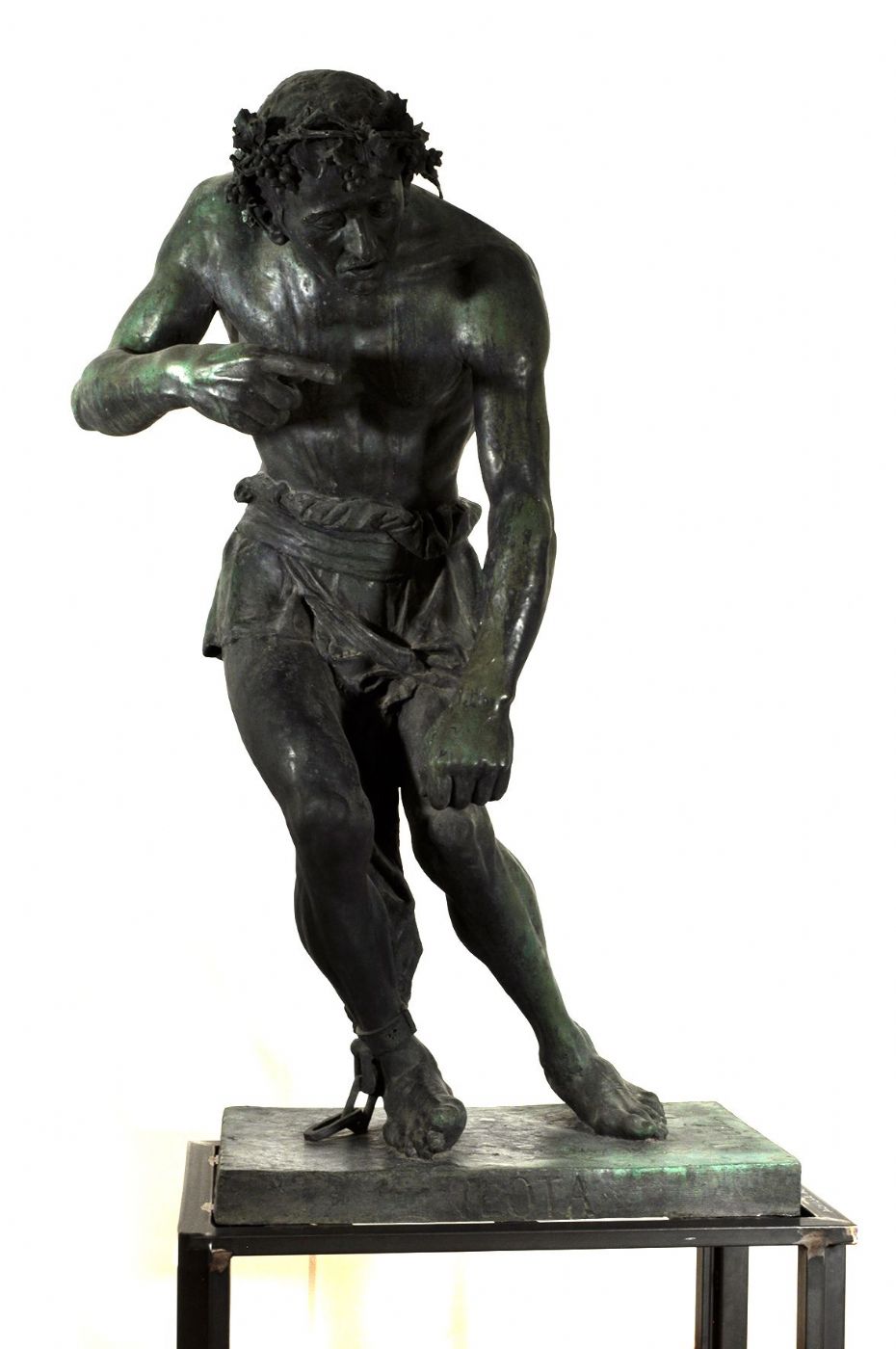
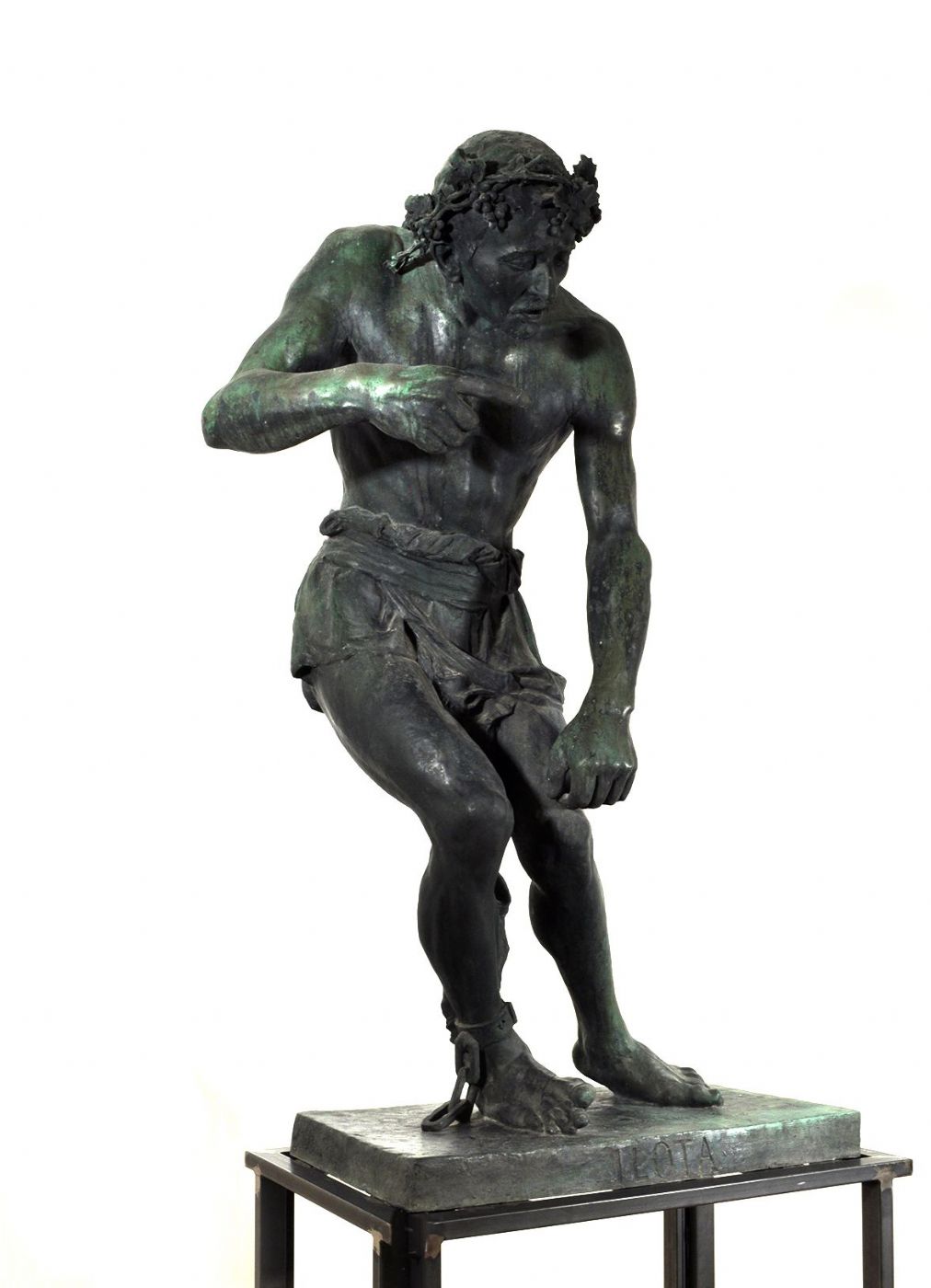
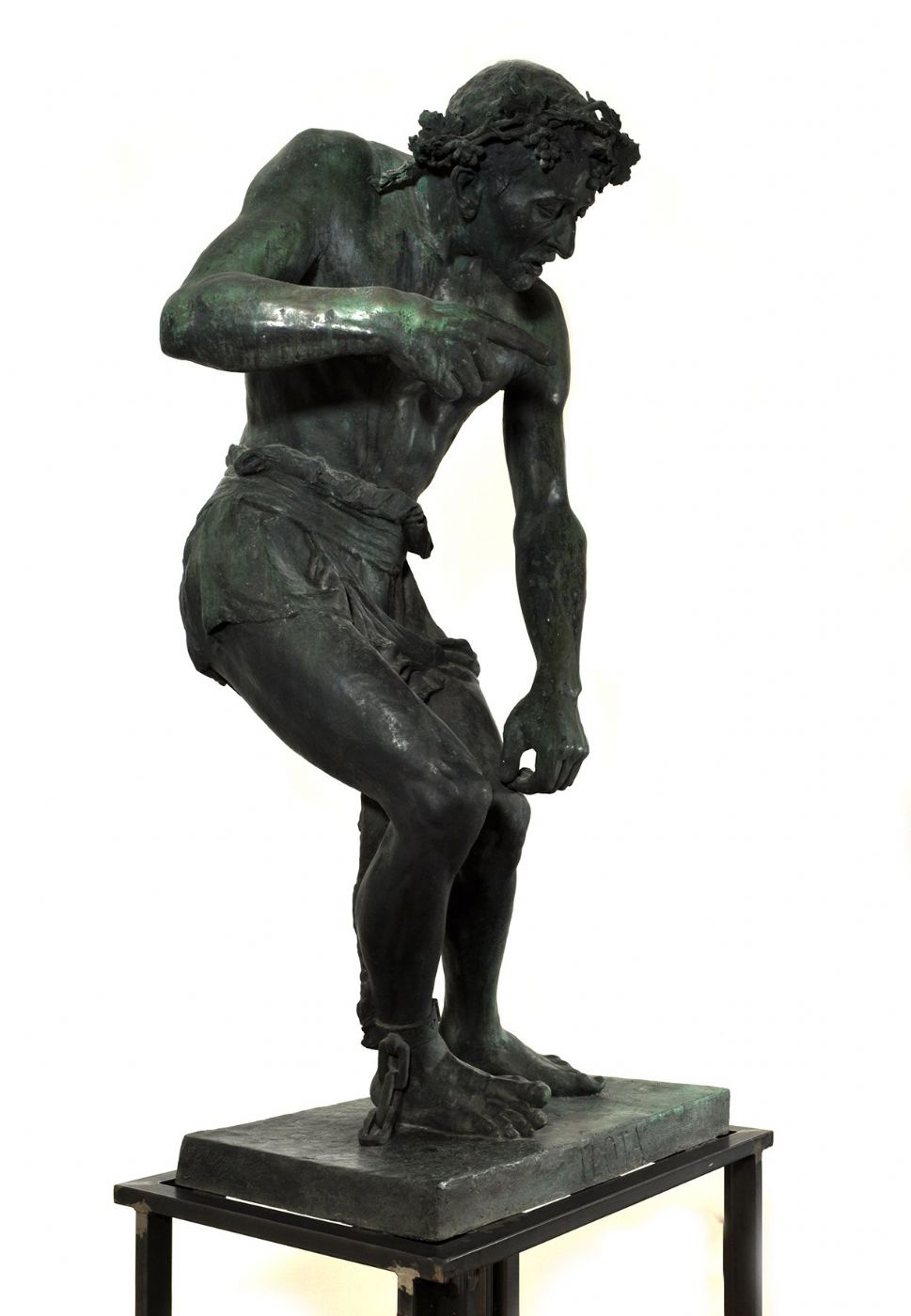
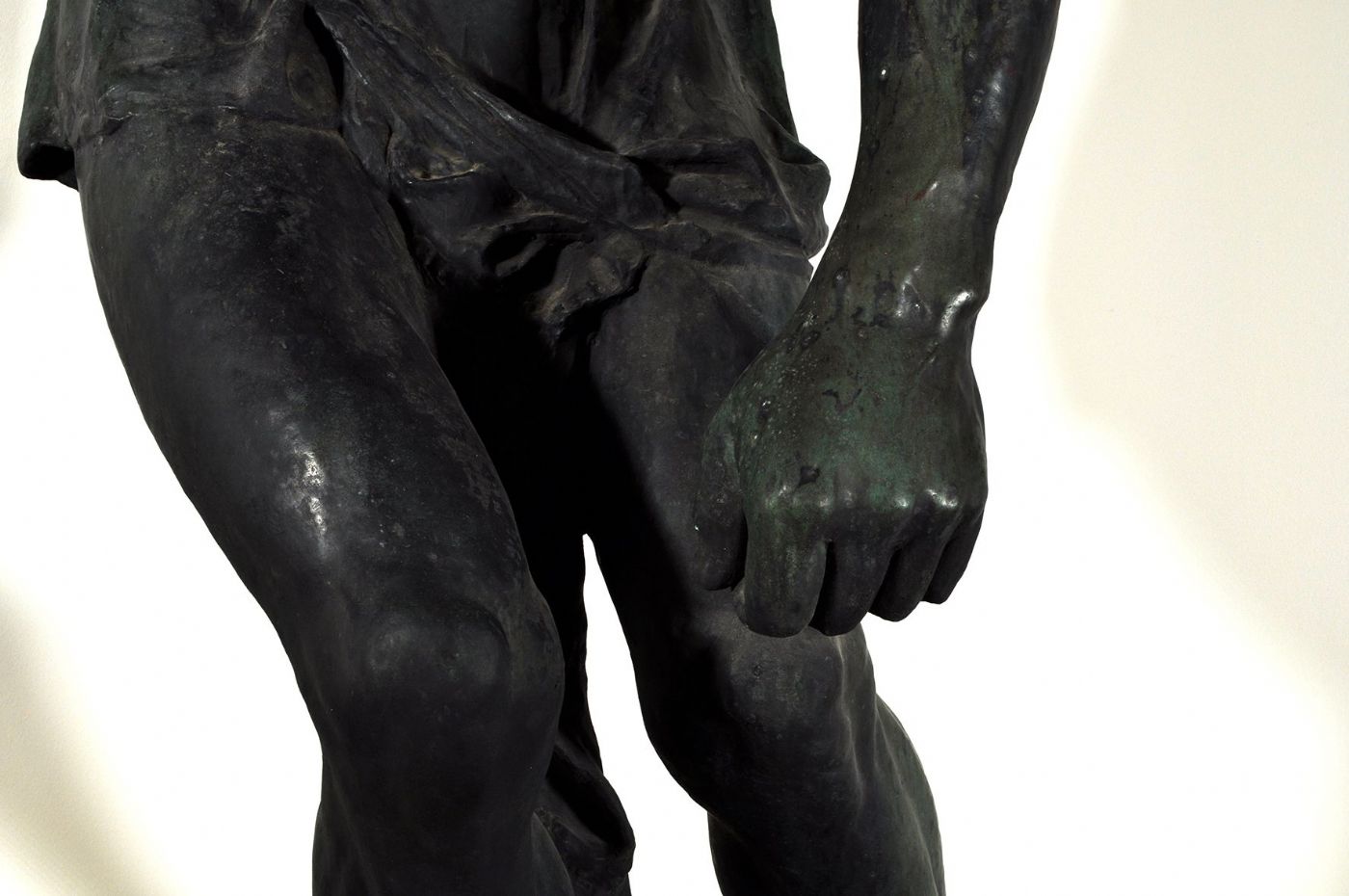
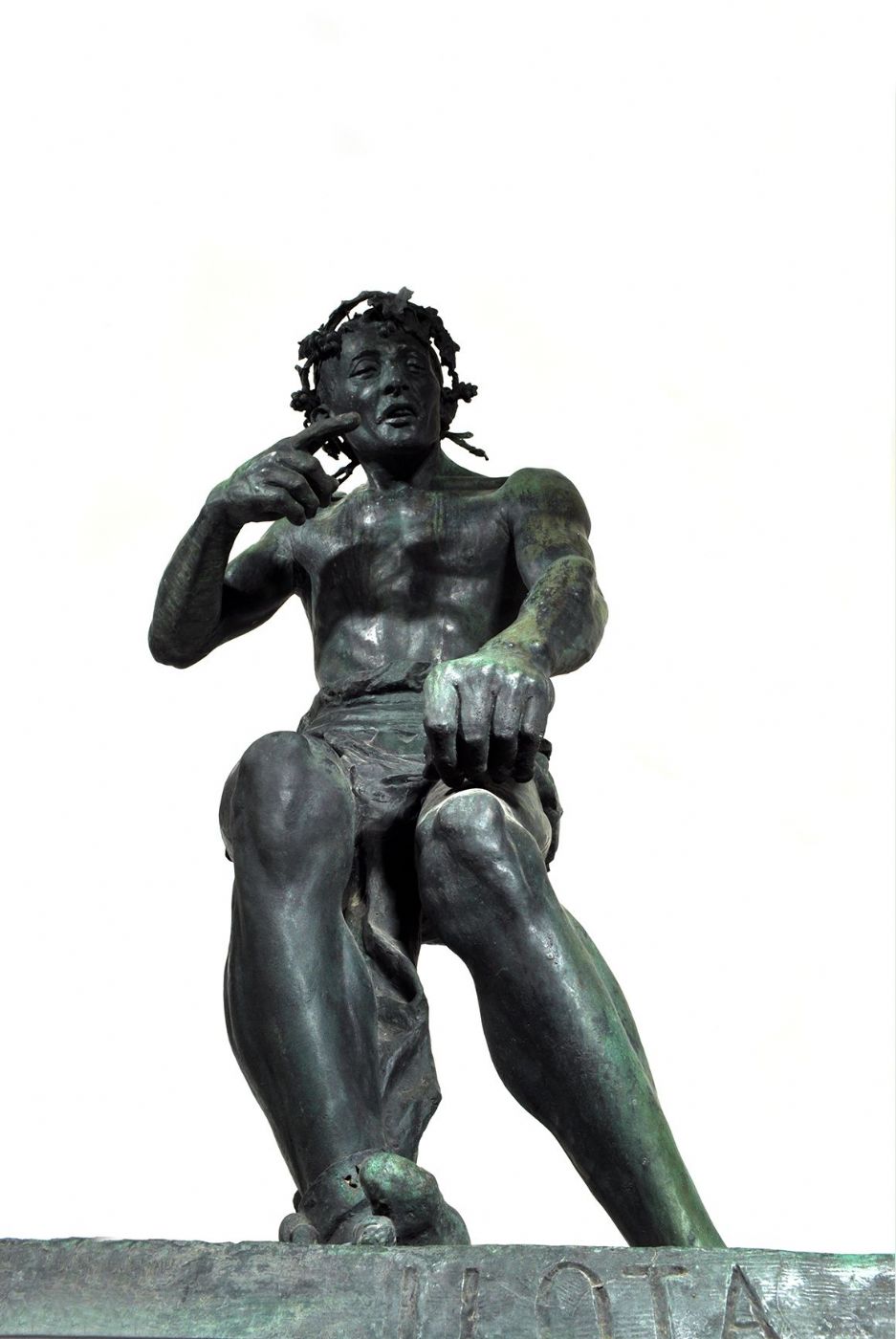
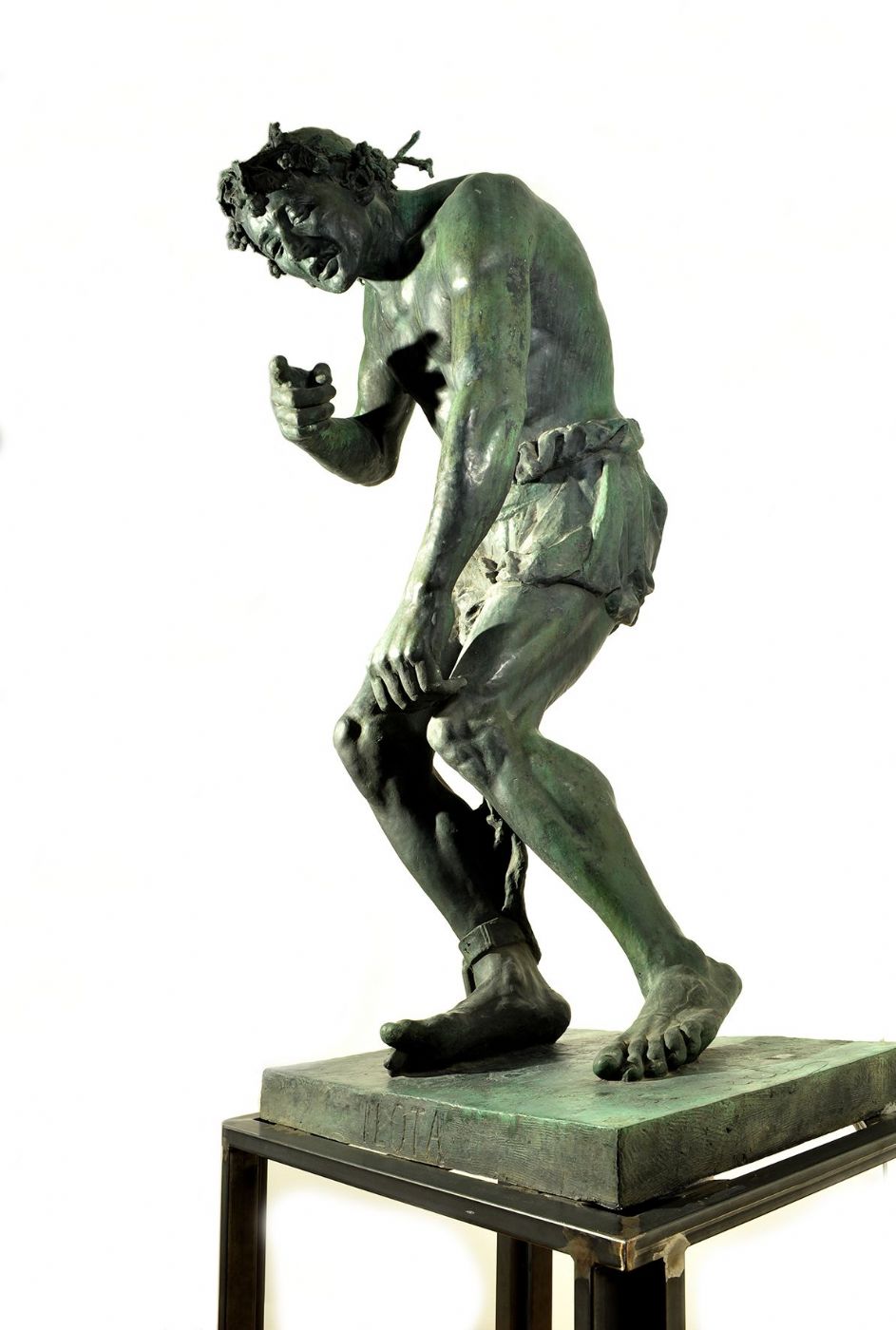
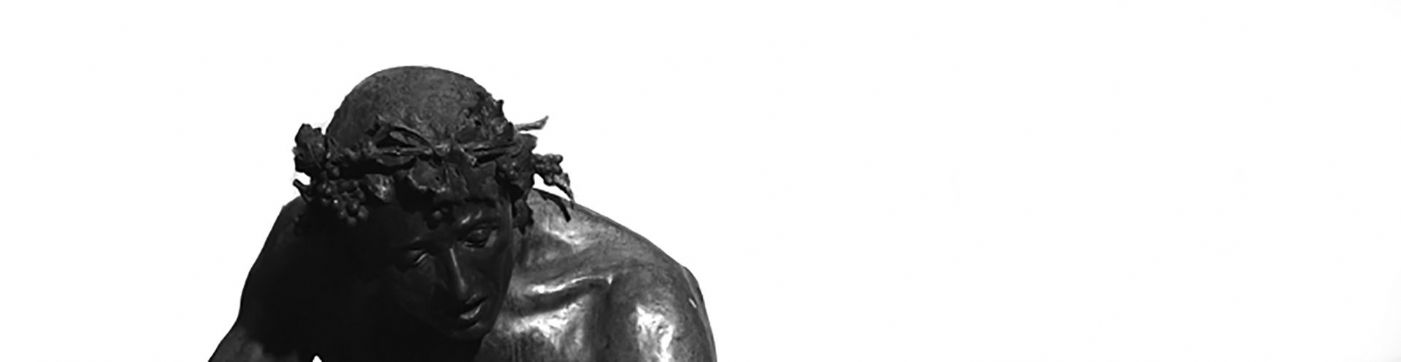
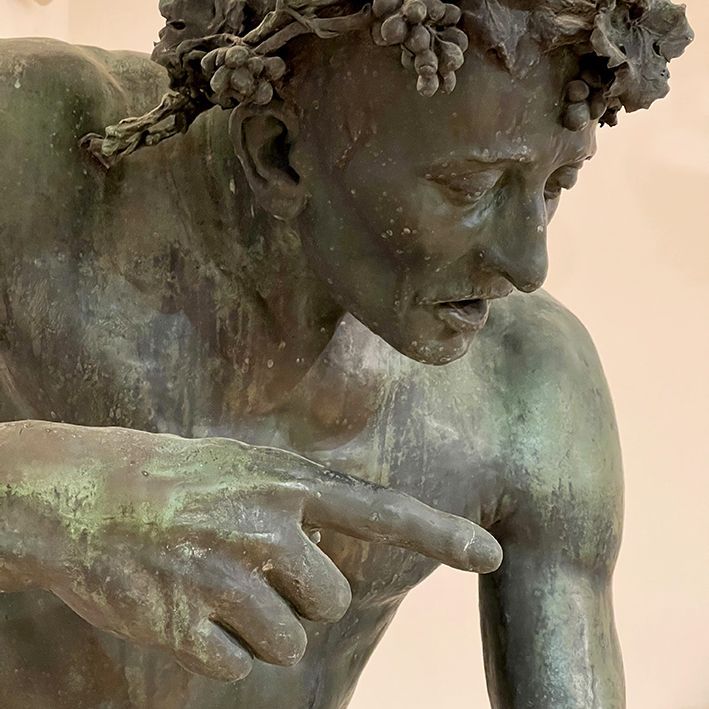
Ilota, 1885
Bronze casting, height 170 cm
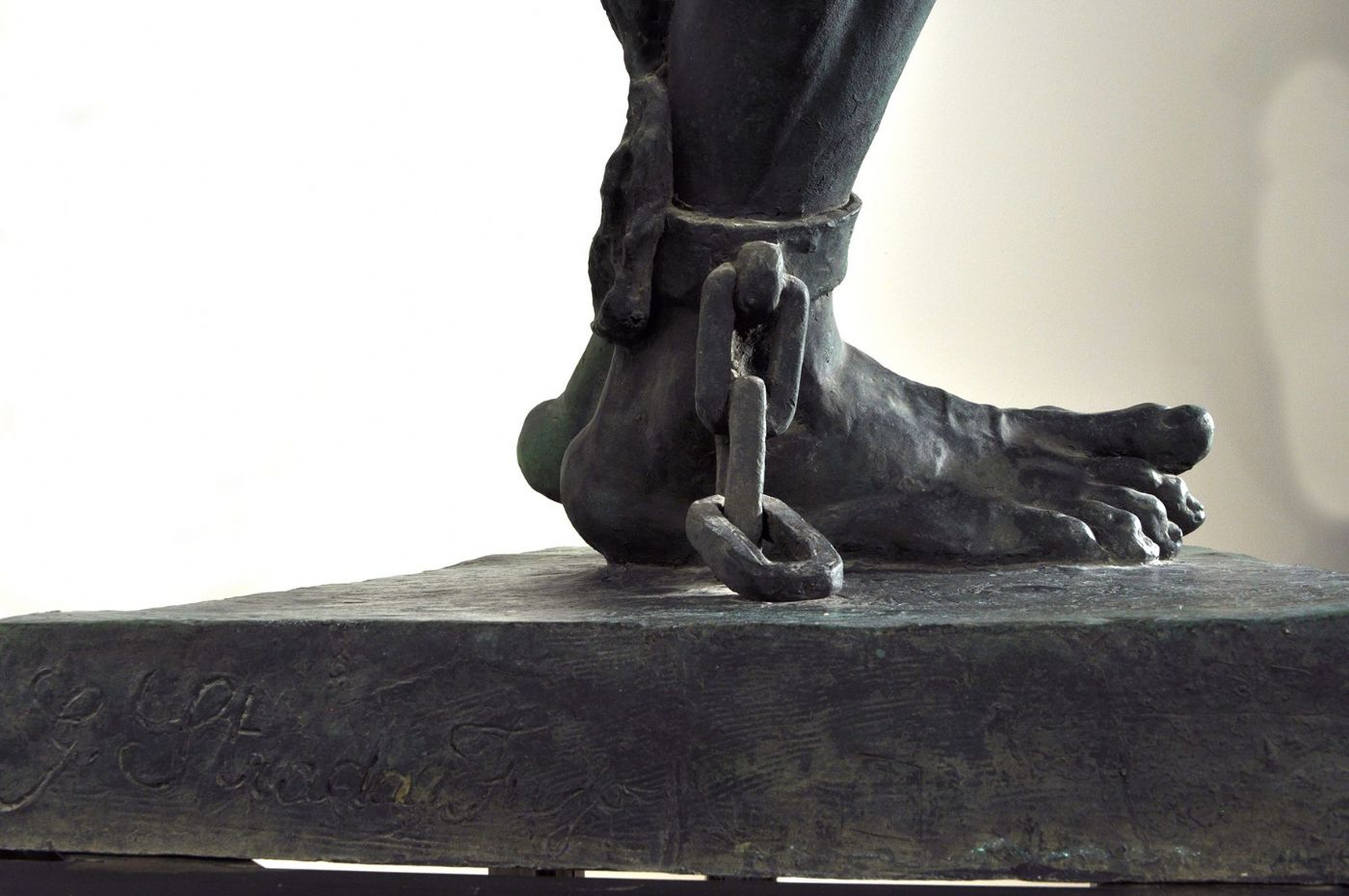
Signed at the base "Alberti"
Bibliography:
Achille Alberti sculptor (Officine grafiche Esperia, Milan, 1930, Plate I)
Achille Alberti - For the light of the obscure (Ed. L'impronta, Turin, 1932, p. 61)
Exhibitions: Brera Exhibition, Milan, 1886; 1st National Artistic Exhibition, Venice 1887; Italo-American Exhibition, Genoa, 1892
This significant sculpture was presented by Achille Alberti in Milan, Brera, in 1886 and at the first Venice Biennale in 1887.
In the book "For the light of the obscure" the author narrates the vicissitudes that the then young Alberti had to overcome to transport the sculpture to the island where the exhibition was held, since he had no money to afford a case in which to contain the work, which traveled through the lagoon practically "naked".
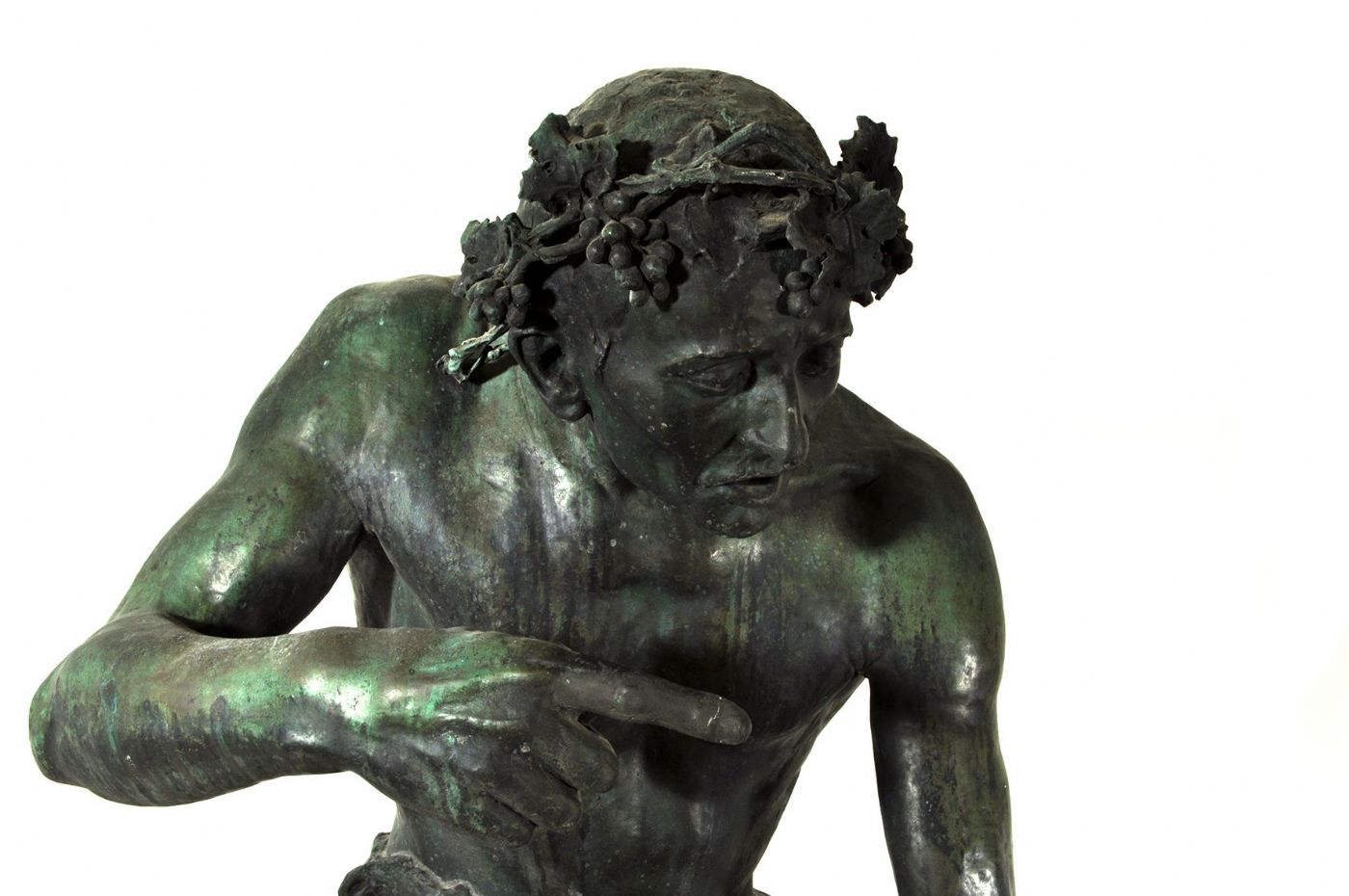
The sculpture, which demonstrates Alberti's technical and engineering virtuosity, allegorically represented the drama of the Helots, slaves of ancient Greece, forced to get drunk to show young people the terrible effects of alcohol.
A modern demonstrative transposition of the tragedy of this psychic state and the slavery that is suffered from it.
The bronze was judged by the press in a flattering way, because in it the sculptor had abandoned all academic conventionalism to be inspired by the truth.
The critic Marescotti considered the Helot the first and irrefutable proof of Alberti's artistic ability for the "unquestionable audacity" demonstrated in reproducing the physical and psychological condition of a drunken servant.
In 1904 a copy was purchased by the Ottolini family of Busto Arsizio; in 1918 it was exhibited at the Galleria Pesaro in Milan, as can be deduced from the archival documentation and purchased by the Ca' Granda of Milan in 1936.
To date, three versions are known.