VITTORIO DI COLBERTALDO
(Forlì 1902- Verona 1979)
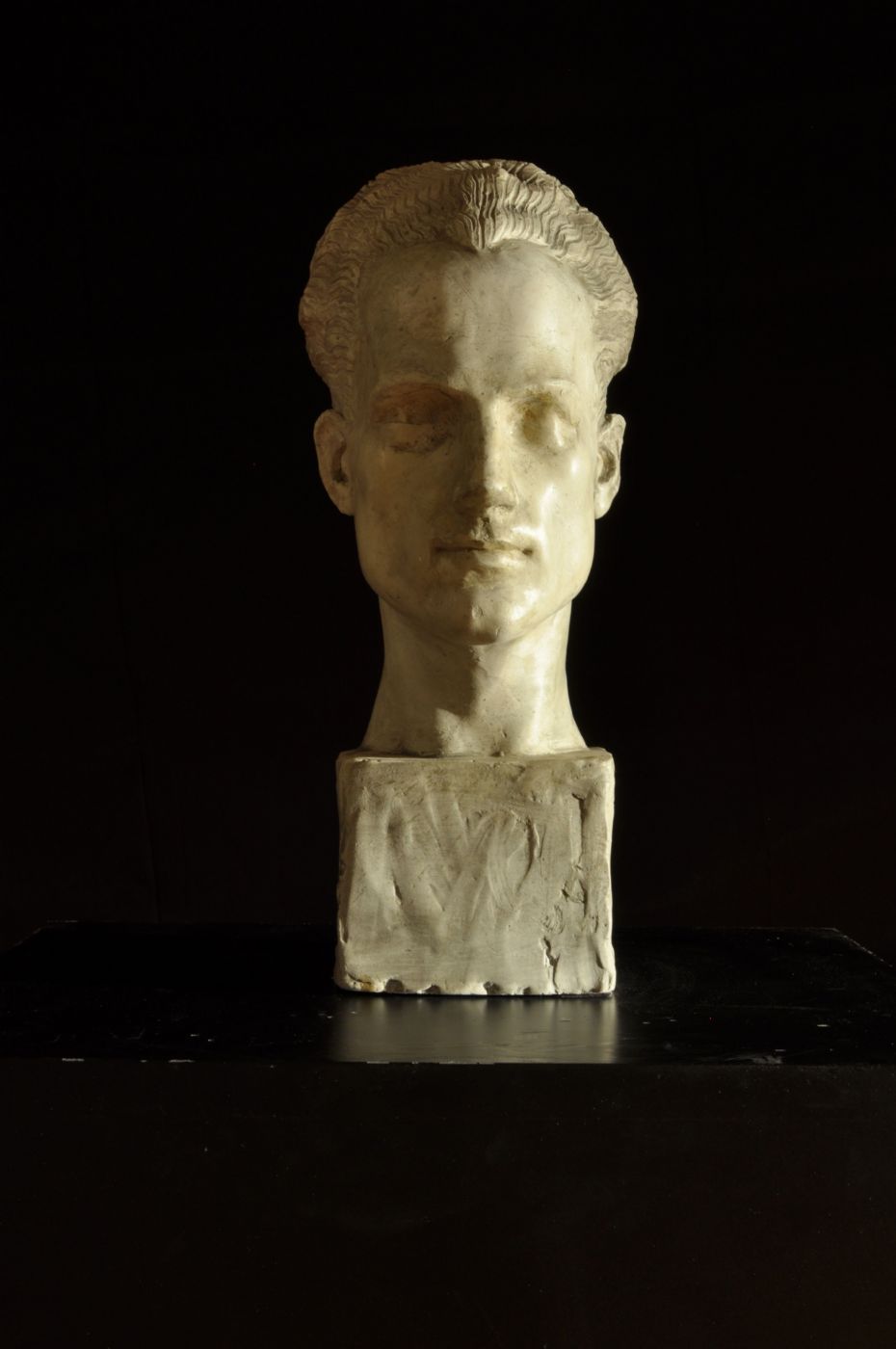
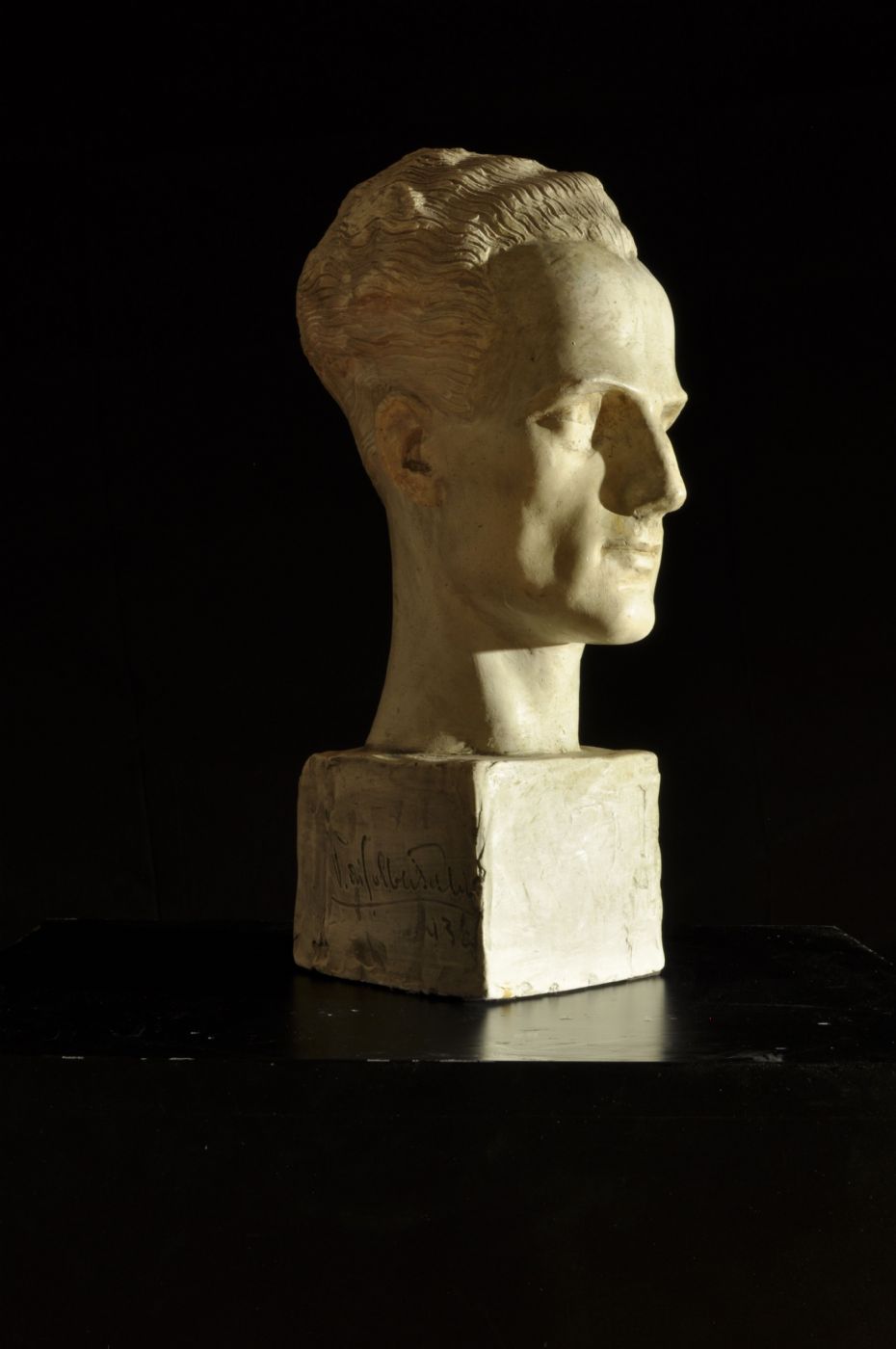
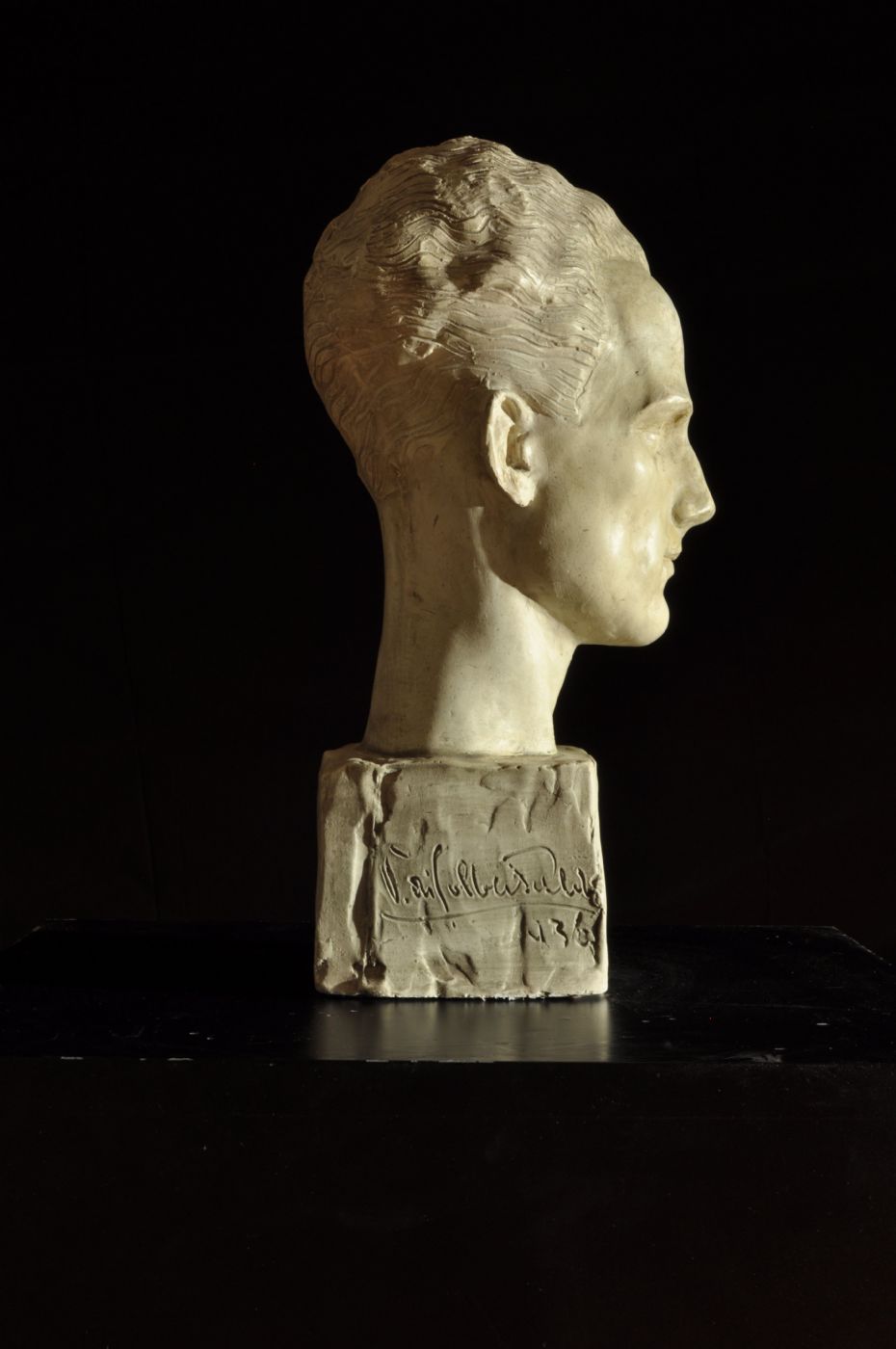
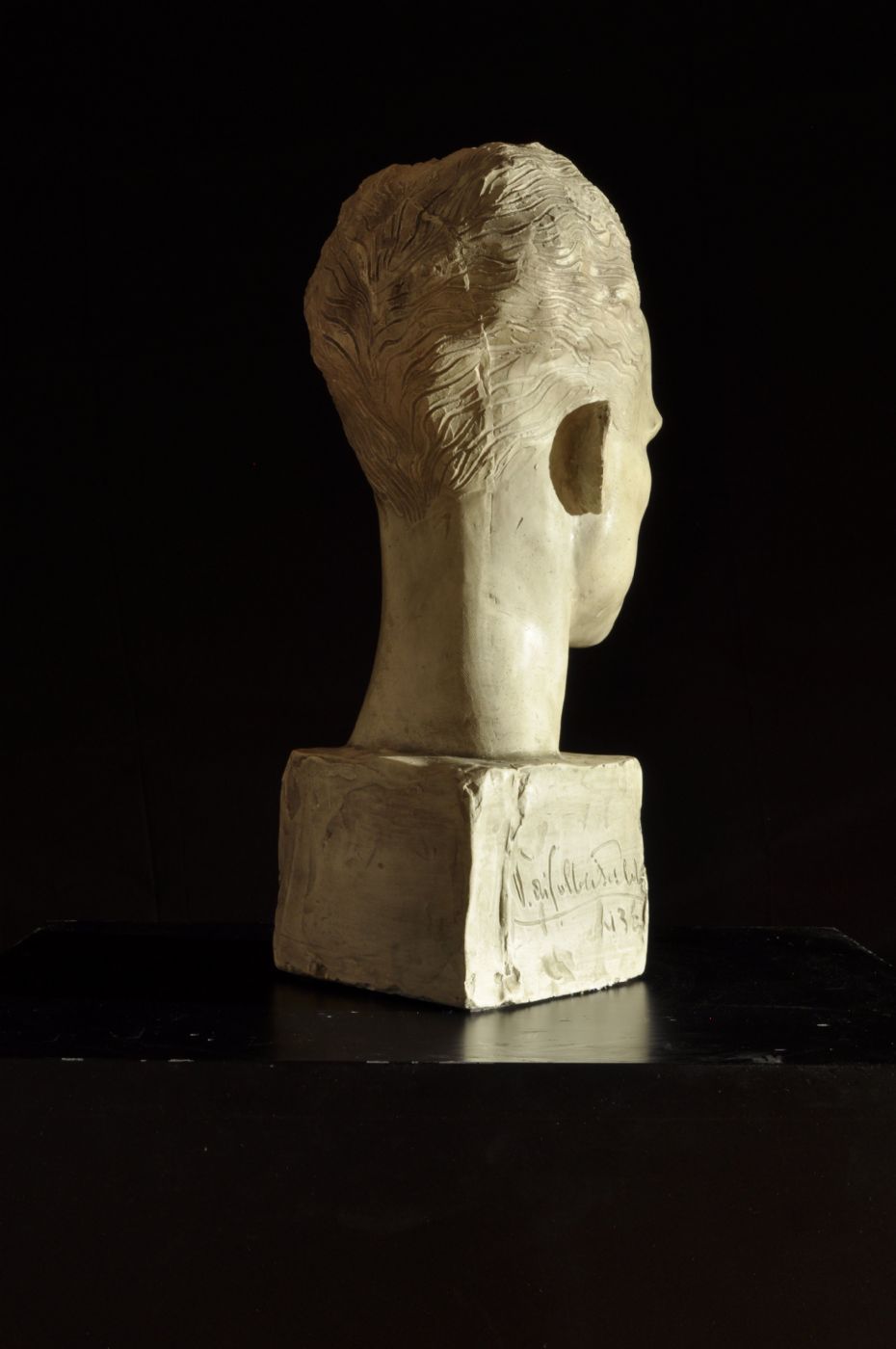
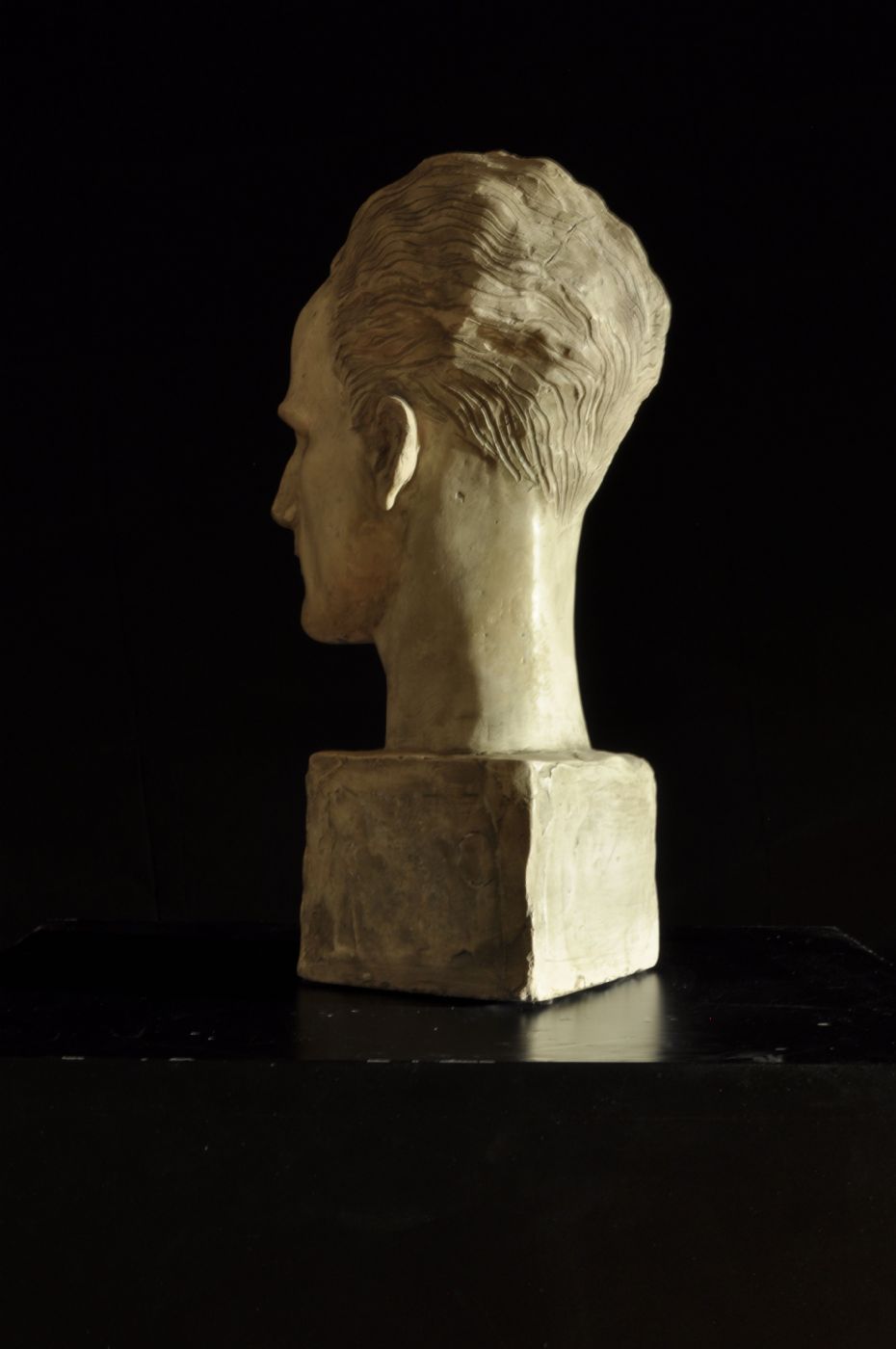
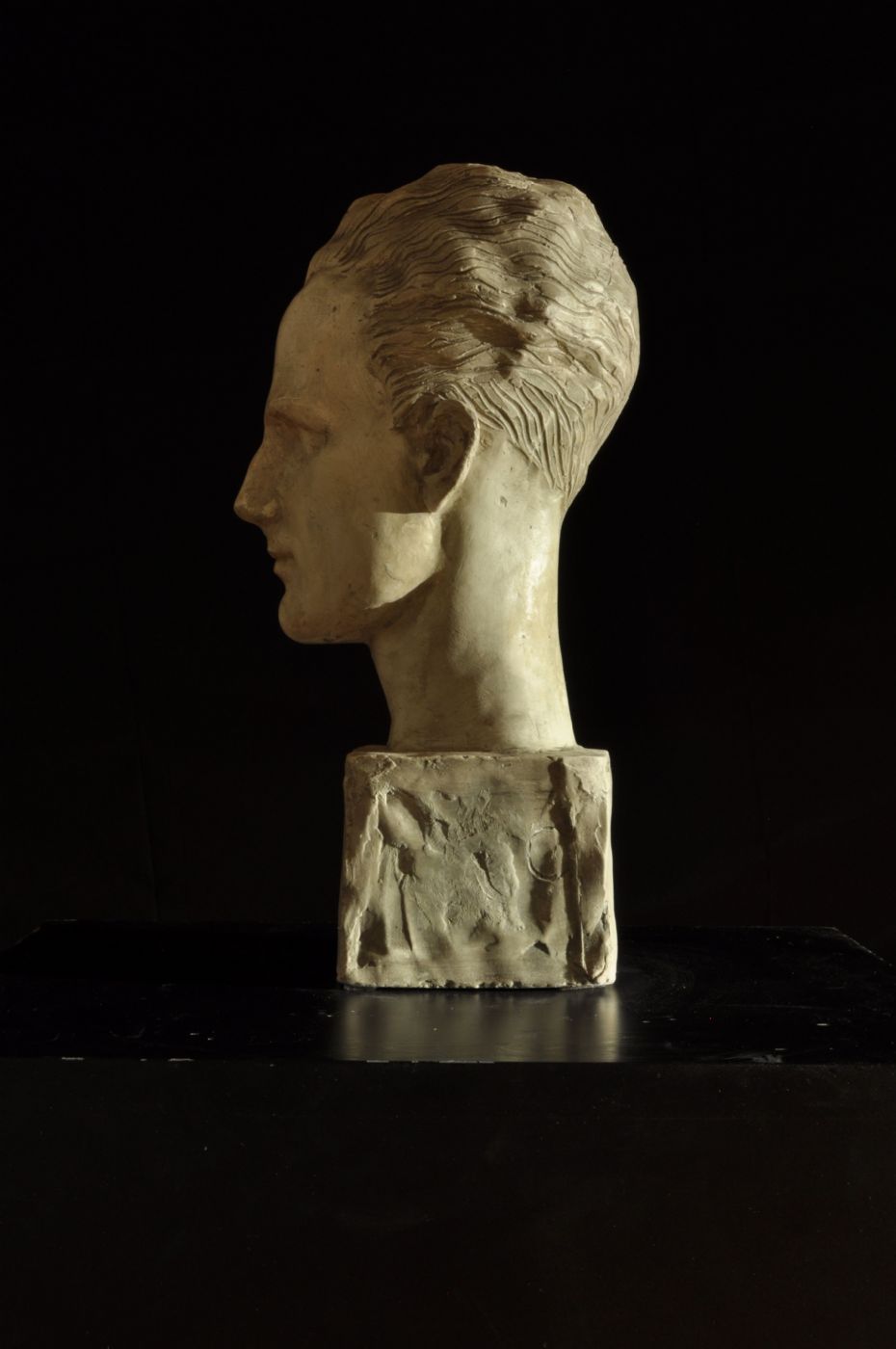
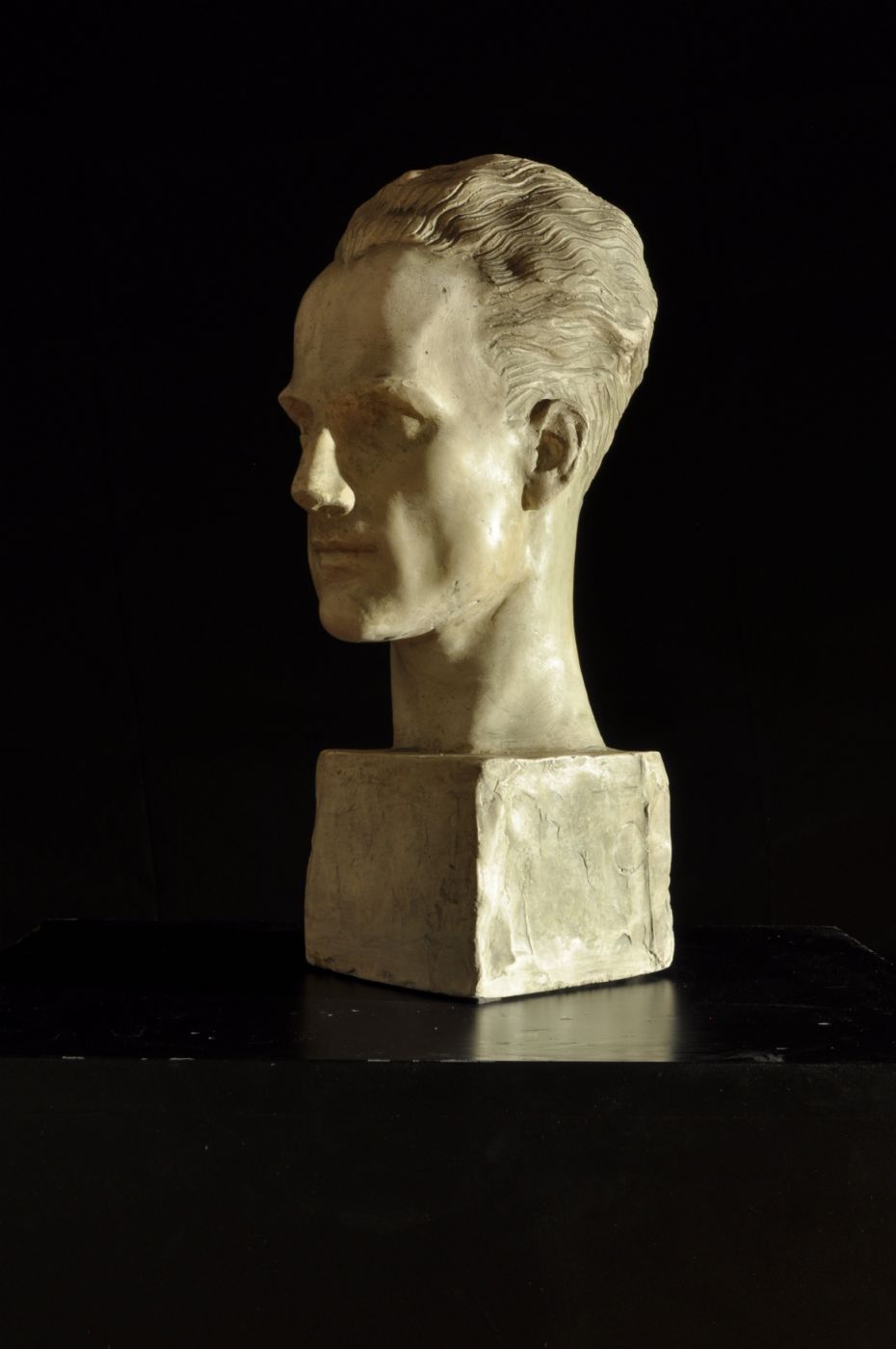
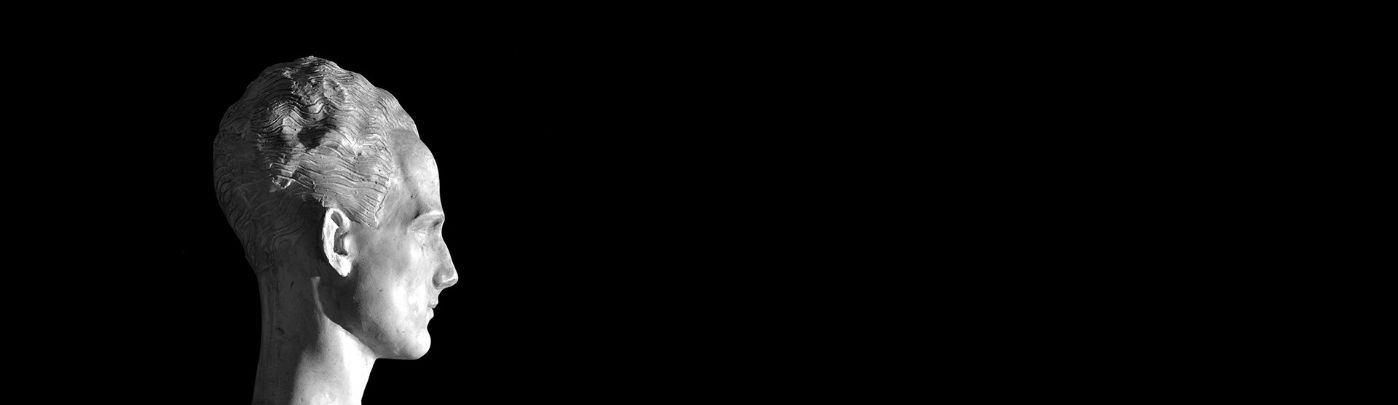
Portrait of the jumper Luz Long, circa 1936
Plaster, height 50 cm
Signed and dated on the left of the base "V. di Colbertaldo/936"
Carl Ludwig Hermann Long was born on April 27, 1913. He studied law at the University of Leipzig, where in 1936 he joined the Leipziger Sport Club. After graduating, he practiced as a lawyer in Hamburg, while continuing to be interested in sports. At the age of 21, in 1934, he came third in the long jump at the European Athletics Championships in Turin, becoming the darling of the German nation.
At the Berlin Olympics in 1936, wanted by Hitler to demonstrate the supremacy of the Aryan race, Luz Long corresponded to the stereotypical image of the Aryan man: tall, blond, handsome, fair-skinned, blue-eyed. He challenged Jesse Owens, an American athlete, in the long jump. The latter had already failed two jumps and risked elimination. The German instead went to his opponent and suggested that he anticipate the take-off. Comforted by Long's loyalty, who unexpectedly became a new friend, the American regained the right psychological balance and, following the suggestion, managed to perform correctly and win his fourth Olympic laurel - thanks to the last jump of 8.06 meters with which he had surpassed Long, stopped at 7.87 meters. The German athlete immediately ran to Owens to congratulate him, embracing him amicably. The photographers present immortalized the event in a photo, which would become simultaneously the immortal icon of those Olympics and of brotherhood between peoples.
The friendship between Jesse and Luz continued to be expressed through letters. The latter successfully continued his career, so much so that a year later, in 1937, he improved his personal and national record, and then began to try his hand at the triple jump. In the meantime, he managed to finish his law studies, becoming a lawyer in 1939, he married in '41, and became a father shortly after. However, the war was starting to go badly for the Reich and the military commands, needing to replace the fallen, at the end of 1942 sent Long the call-up card, mobilizing him in the infantry with the rank of sergeant major. In 1943, he was sent to Sicily. Four days after the landing, on July 14, 1943, seriously wounded, he was captured by the Allies and transported to an English field hospital in San Pietro Clarenza, where the military doctors could only ascertain his death. Only in 1950, the Red Cross found his remains in the war cemetery of Ponte Olivo, near Gela, and then transferred them to that of Motta Sant'Anastasia, where they still are.
In 1942, Luz wrote to Jesse from the front: "Where I am it seems that there is nothing but sand and blood. I am not afraid for myself, but for my wife and my child, who has never really known his father. My heart tells me that this could be the last letter I write to you. If so, I ask you this: when the war is over, go to Germany to find my son and tell him also that not even the war managed to break our friendship. Your brother Luz".
On March 14, 2019 he was included in the Virtual Garden with this motivation: German athlete who embodied the stereotype of the Aryan race, did not hesitate, despite the sporting competition, to suggest the winning strategy to Jesse Owens during the 1936 Berlin Olympics, embracing the American athlete after his victory. For this gesture, Hitler sent Long to the front in Sicily where he died in 1943. A clear example of sportsmanship and brotherhood.
visit the website www.studiolo.it