Giuseppe Bonito
(Castellammare di Stabia, 1707 – Naples, 1789)
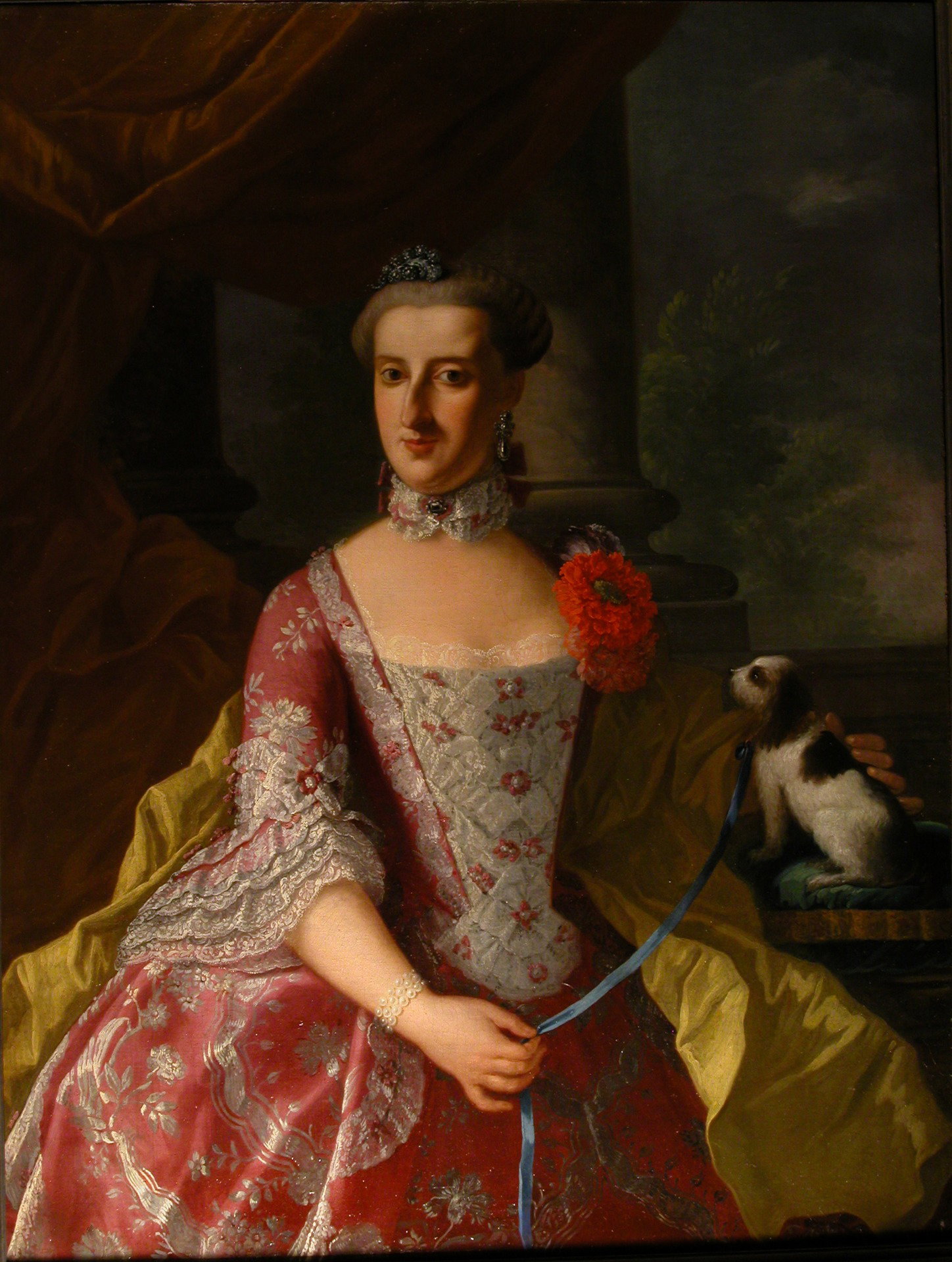
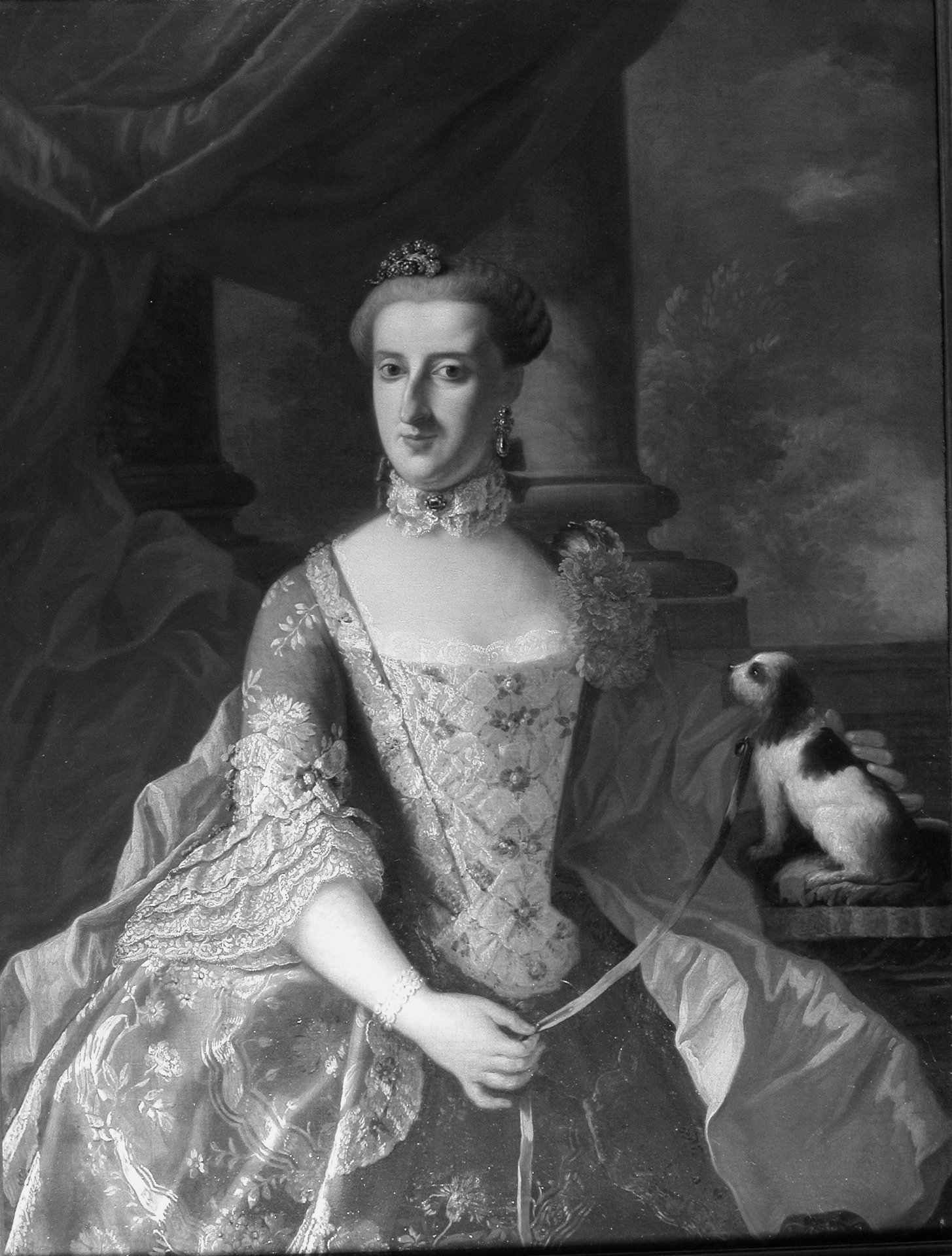
Portrait of Maria Antonia of Bourbon with dog
Oil on canvas, 120x90 cm
Giuseppe Bonito
Castellammare di Stabia, 1707 – Naples, May 19, 1789) was an Italian painter of the Rococo period.
He was one of the major Neapolitan genre painters; his numerous canvases of popular character make him one of the best representatives of the genre, perhaps the most important in Southern Italy of the 18th century. He was very successful, so much so that some paintings by other contemporary painters from the same region were attributed to him for a long time. The most striking case was that of the Neapolitan Gaspare Traversi, to whom only in the twentieth century, thanks to the studies of the art historian Roberto Longhi, was the paternity of his entire work, previously attributed to Bonito, recognized. He was a student of Francesco Solimena, a late Baroque painter of large altarpieces; Bonito learned from his master the use of chiaroscuro, which he applied in a personal way to both large paintings of religious themes and small paintings of popular genre. Bonito represented his city, even in its most folkloristic and obvious aspects, with the presence of "scugnizzi" (street urchins) and the inevitable Pulcinella, but his painting was not moralizing or with obscure meanings; rather, a portrait, sometimes sweetened, sometimes ruthless, of his city and his time. Between 1736 and 1742, Bonito worked for the Bourbons on the fresco decoration of the Royal Palace of Portici. As a portraitist, he was much sought after by the Neapolitan nobility; the portrait of Maria Amalia of Saxony, wife of King Charles VII of Naples, is famous. One of his last works: The Immaculate Conception of 1789 was painted by Bonito for the Palatine Chapel of the Royal Palace of Caserta.