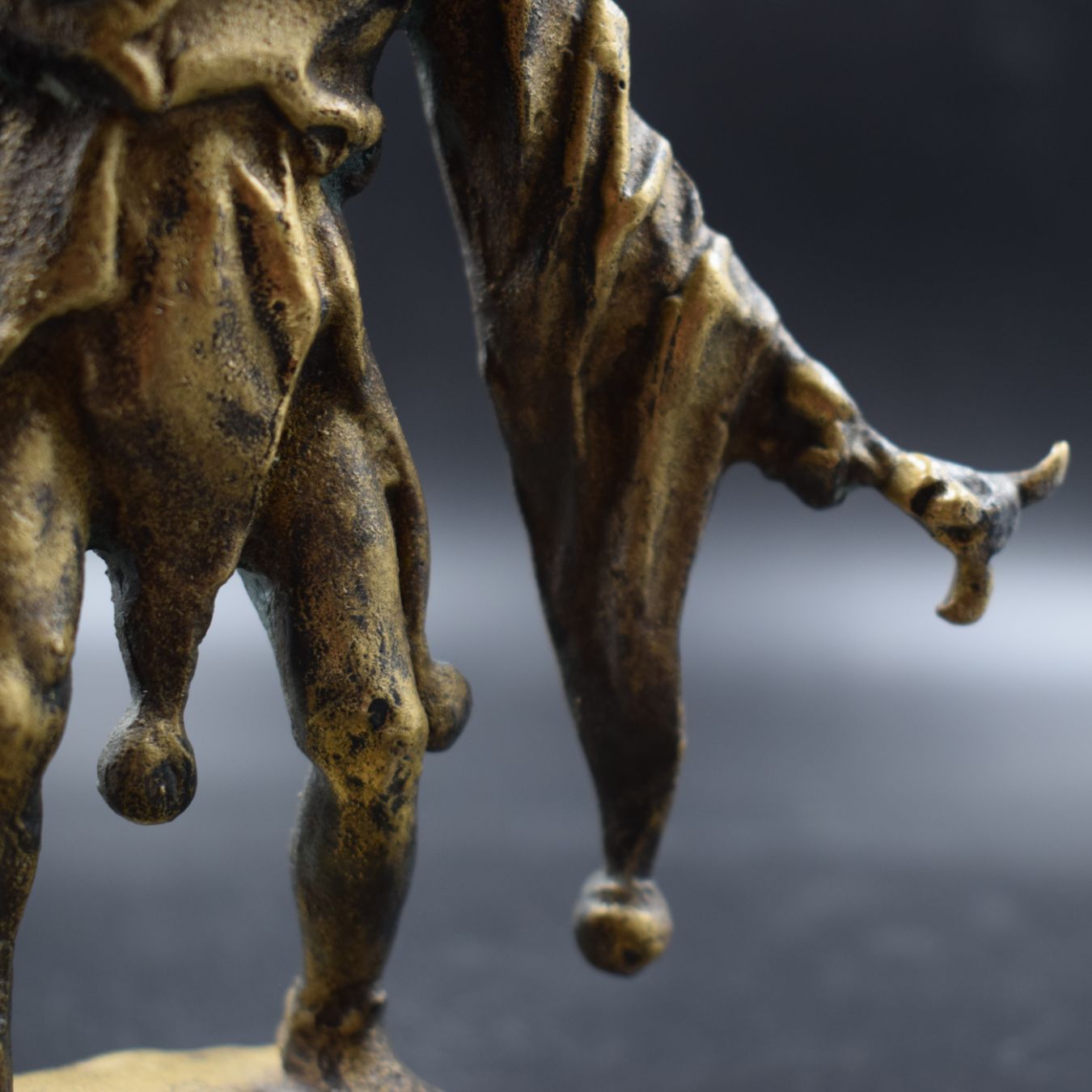
RIGOLETTO
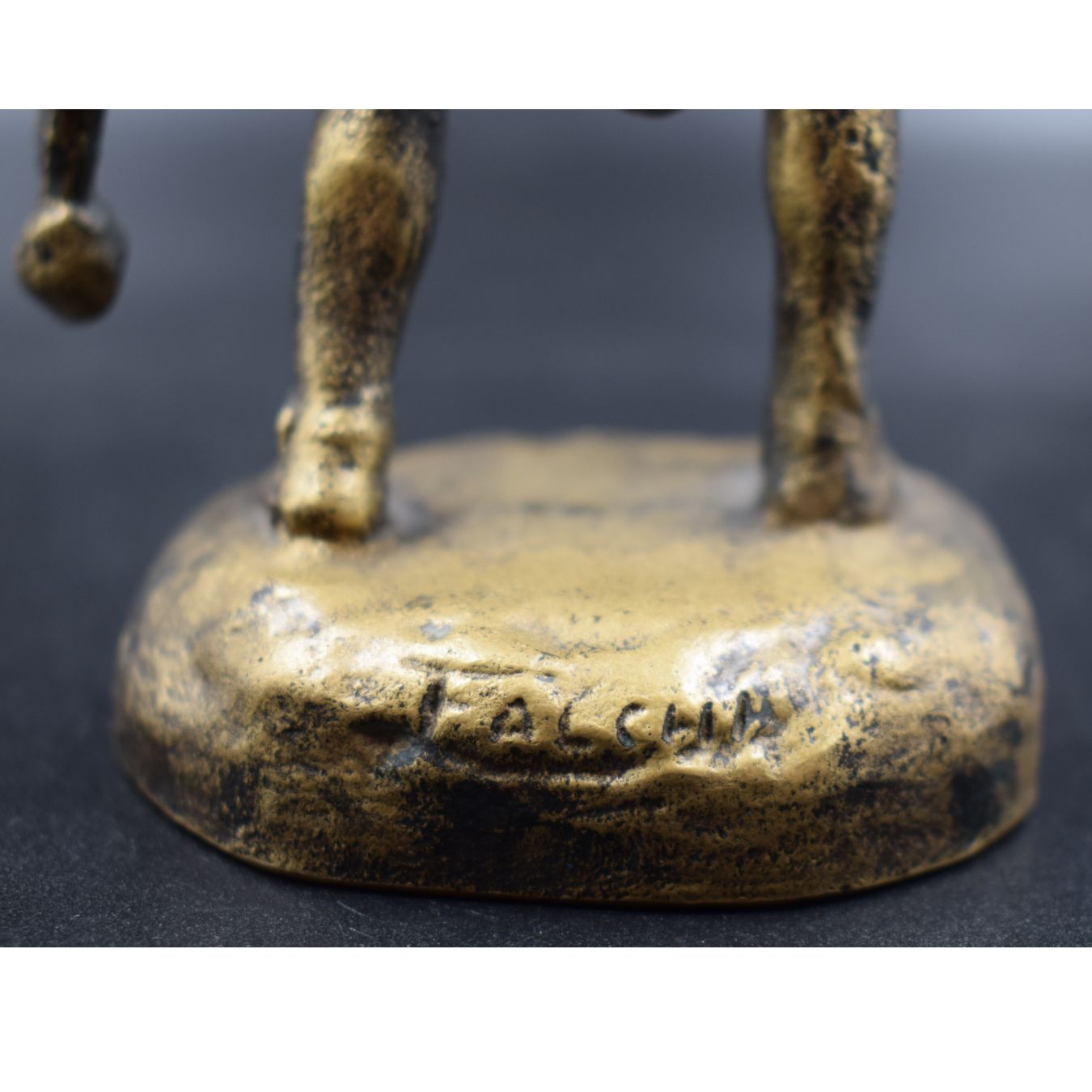
From the original 1978 model by Aldo Falchi (Sabbioneta, 1935 - Mantua, 2019)
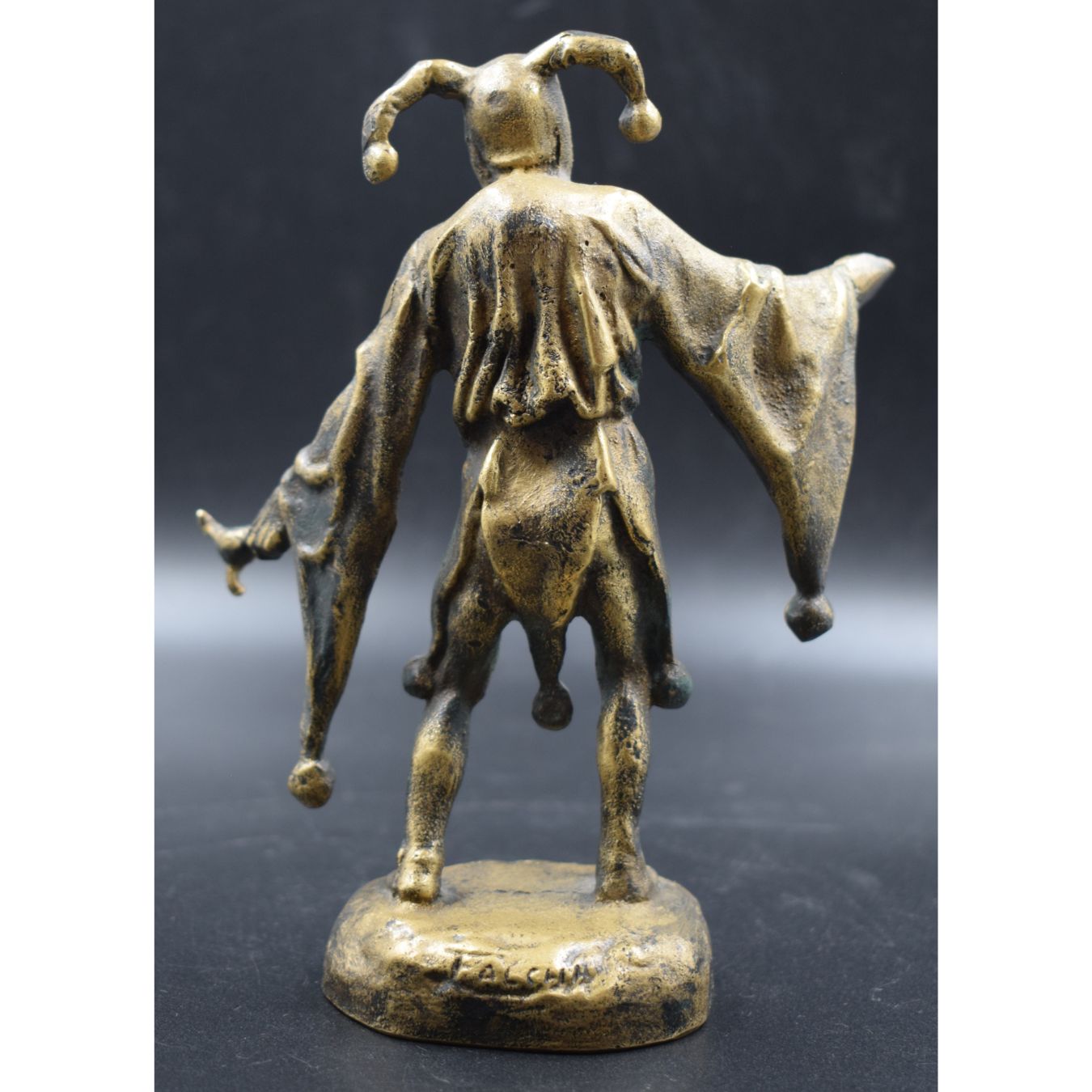
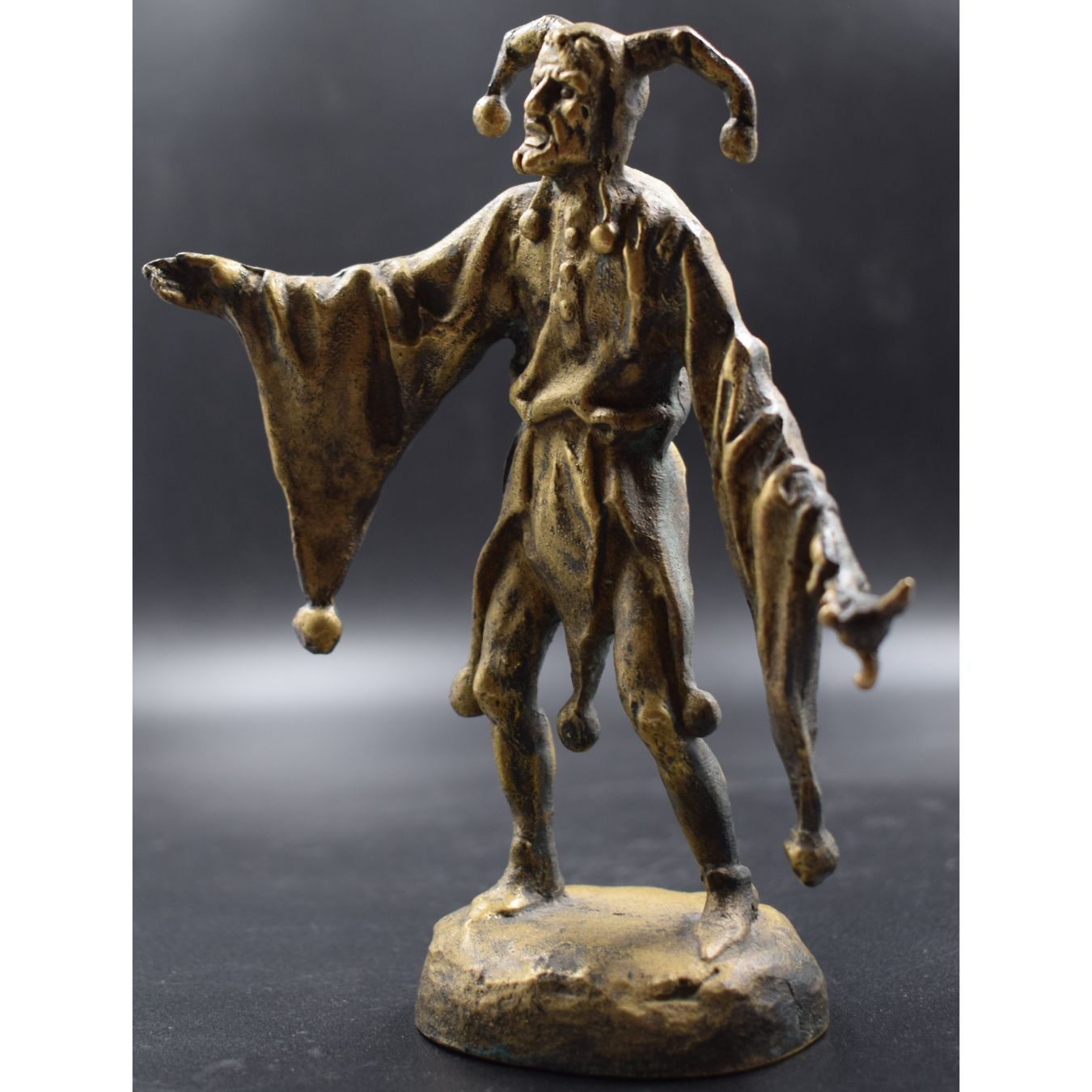
Bronze, H 17.5 cm
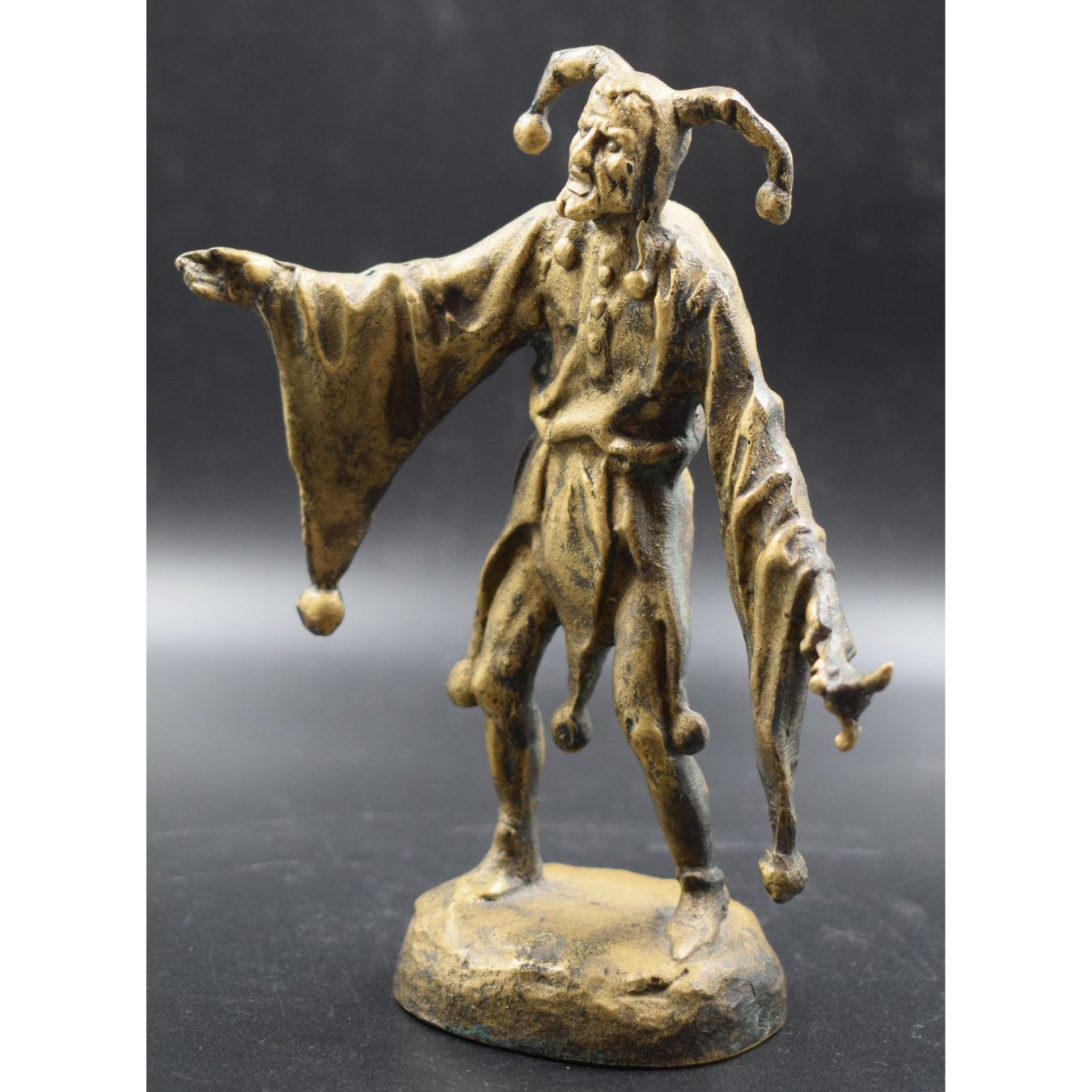
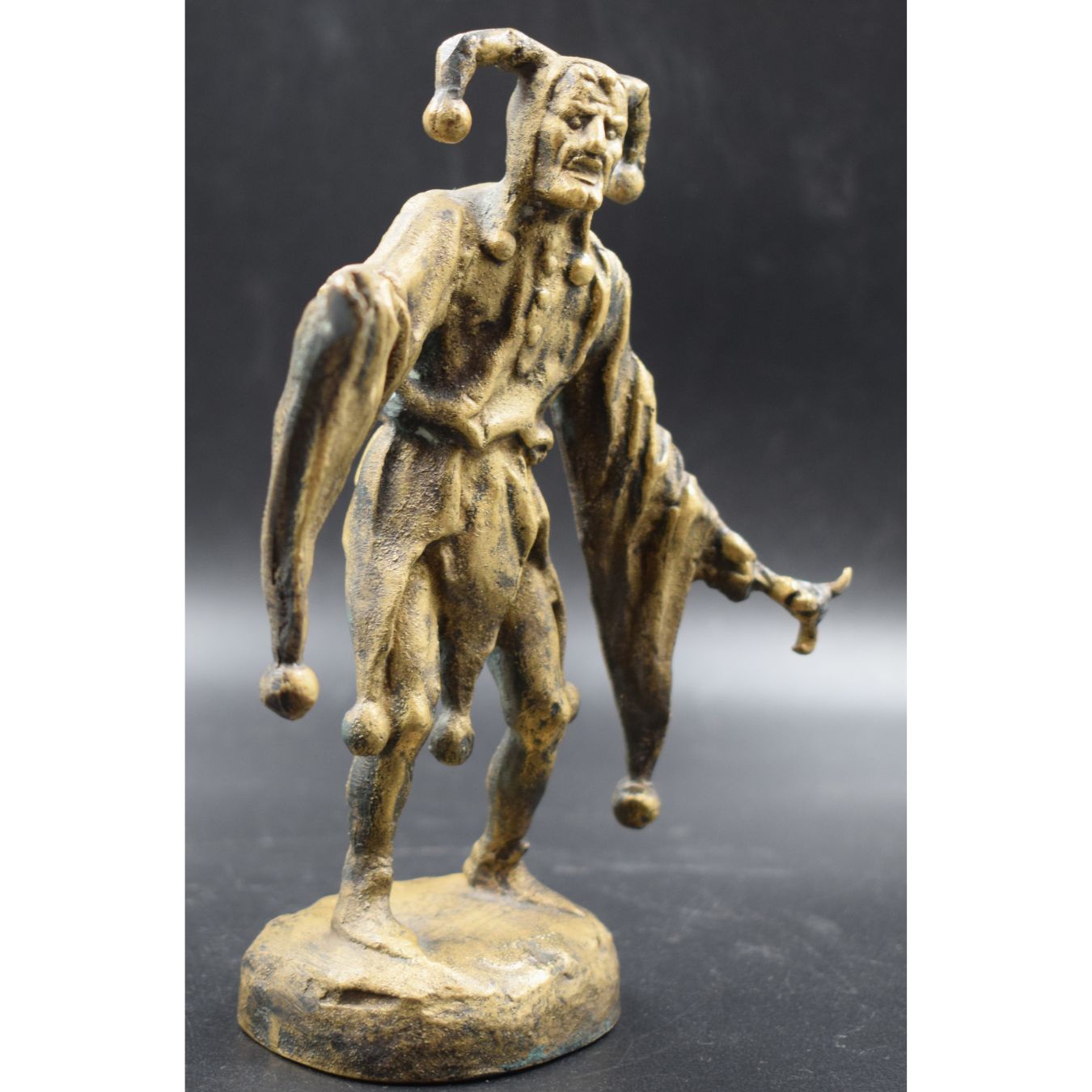
Valuable small-format bronze casting from the famous Rigoletto model created by the Mantuan sculptor Aldo Falchi (1935-2019) for the "Casa di Rigoletto" in Mantua, where the monument was placed in 1978 and still constitutes one of the city's iconic symbols. The work faithfully reproduces the artist's plastic invention, synthesizing its narrative power into a refined collectible version.
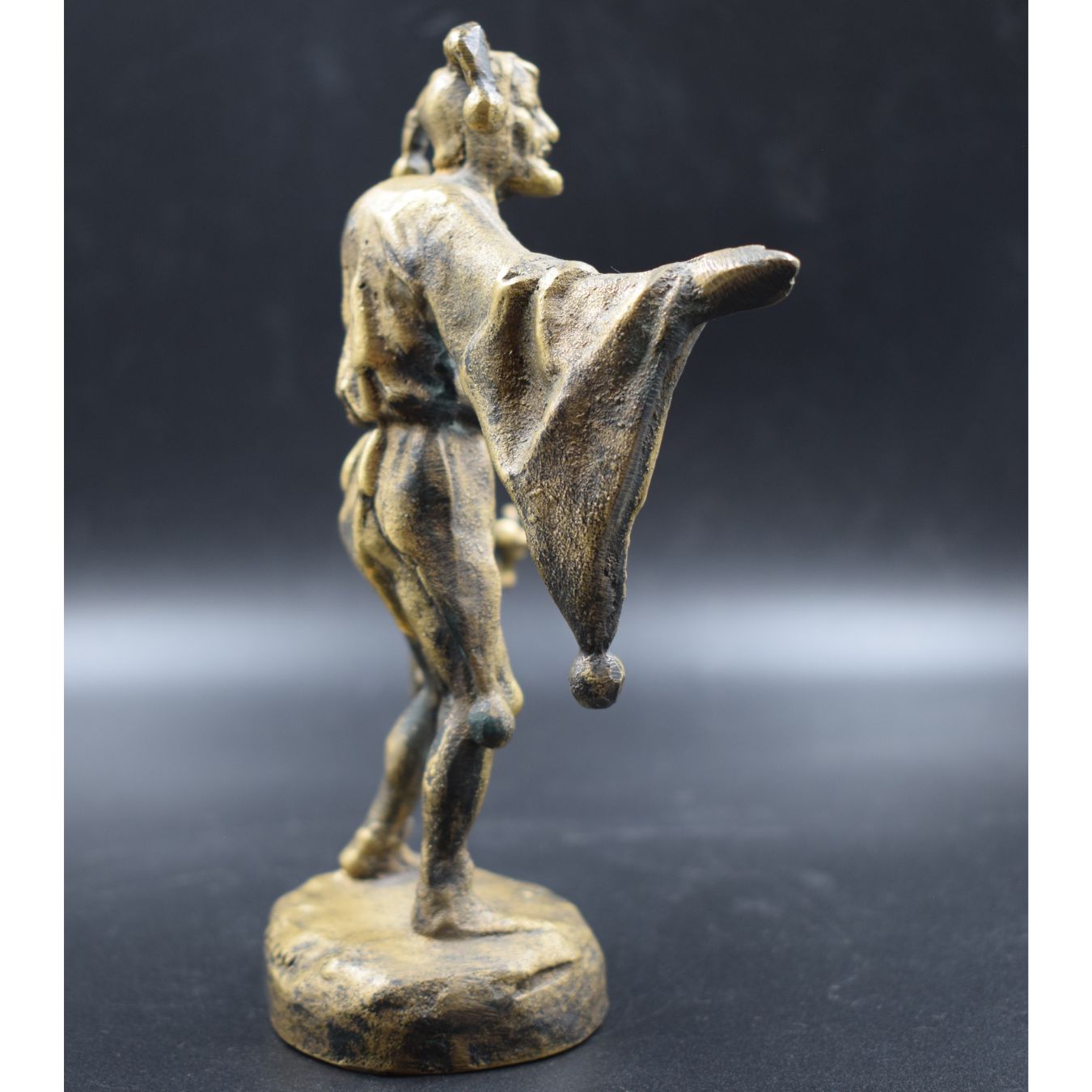
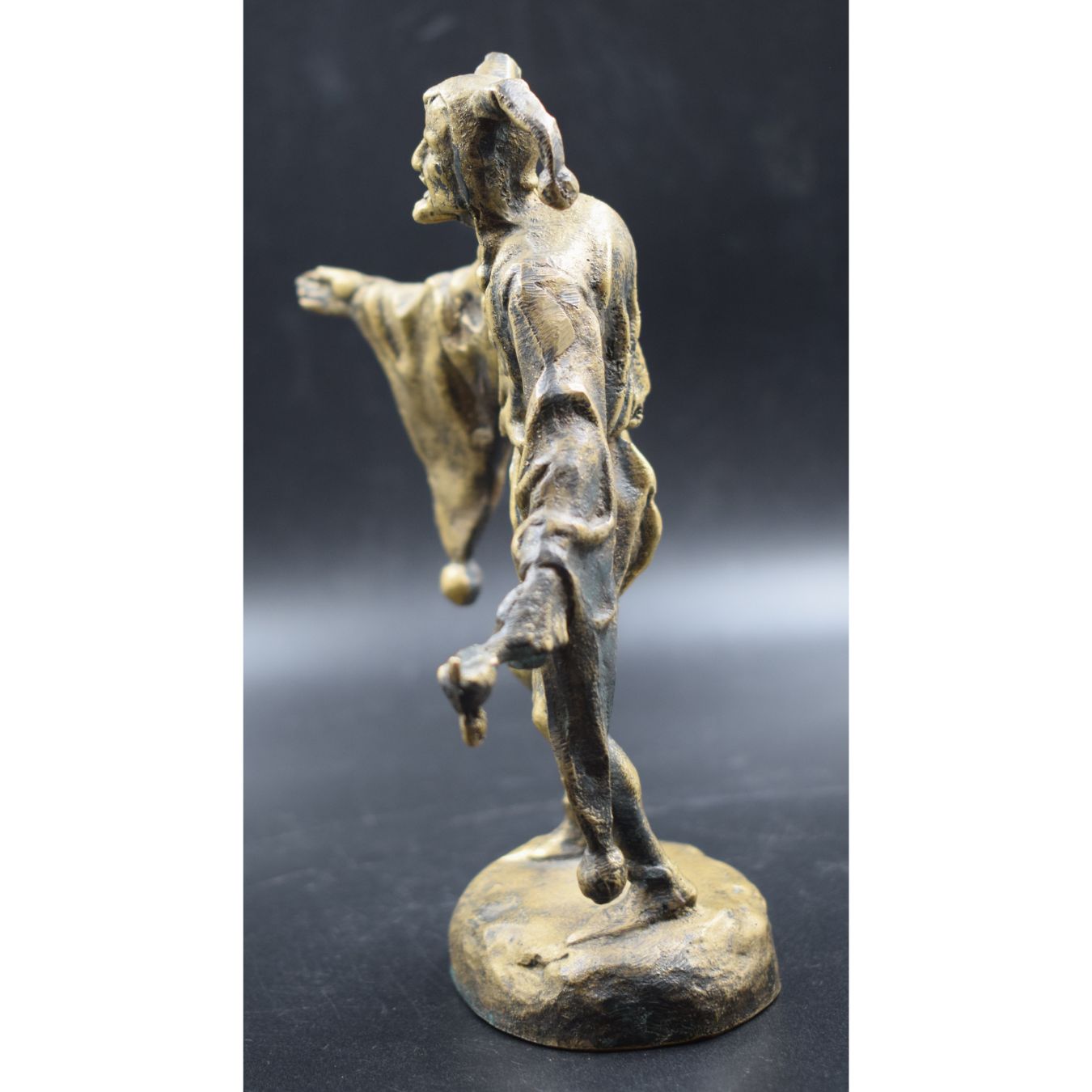
The figure is represented at the height of dramatic tension: the court jester advances with a theatrical gesture, the torso inclined and the left arm extended into space, while the wide, jangling costume comes to life in a succession of deep folds that amplify the sense of movement. The expression on the face, deliberately deformed and marked by a strong expressionistic component, conveys the psychological conflict of Verdi's protagonist, suspended between irony, pain, and tragic destiny.
From a stylistic point of view, Falchi combines a solid figurative training with a modern language, characterized by vibrant surfaces, energetic modeling, and accentuated theatricality. His research always remains firmly anchored to the human figure, interpreted through a plastic synthesis that avoids all academic descriptiveness without renouncing narrative legibility. Critics have repeatedly highlighted how his work manages to blend the artisanal skill of the modeler with a personal expressive sensibility, often oriented towards caricatured and expressionistic accents.
The subject derives from the famous character in Giuseppe Verdi's opera Rigoletto, first performed in 1851 with a libretto by Francesco Maria Piave, based on Victor Hugo's play Le Roi s'amuse. Set in the Gonzaga's Renaissance Mantua, the opera decisively contributed to linking the city with the figure of the court jester in the collective imagination, leading to the creation of the tradition of the so-called "Casa di Rigoletto" (Rigoletto's House), in whose garden Falchi's monument is located.
The iconography developed by the sculptor moves away from a simple theatrical representation of the character to transform him into a universal figure of the human condition. The two-pointed hood with bells, the very wide sleeves, and the jester's costume are the traditional attributes of the medieval and Renaissance jester; however, the physiognomic deformation and the dynamic posture allude above all to the protagonist's inner drama, making him an emblem of human fragility in the face of destiny.
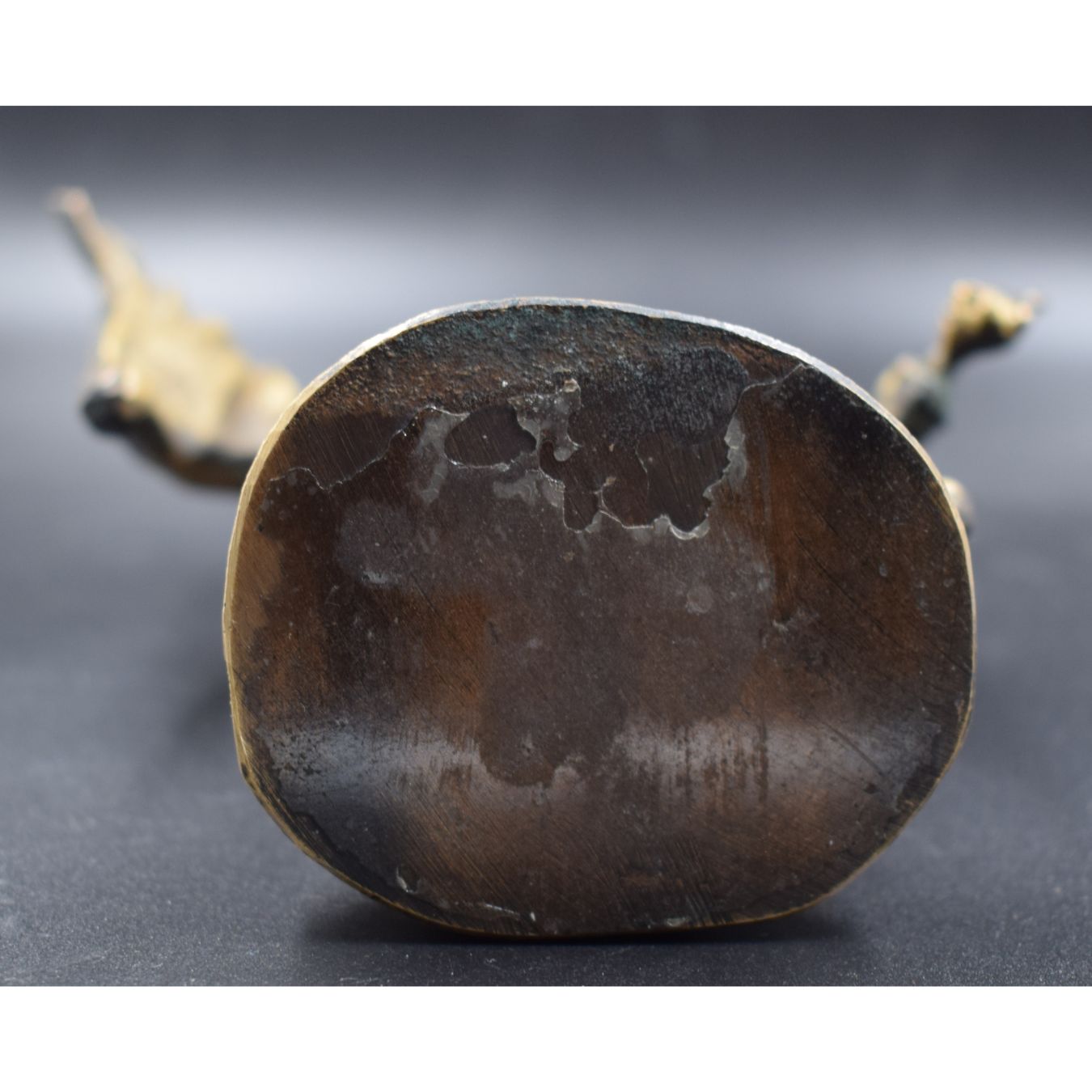
The success of the monumental work led to the production of a limited number of derivative castings, intended for collectors, institutions, and admirers of Falchi's work. These examples fully preserve the plastic quality of the original model, and today represent the most sought-after testimonies of his sculptural activity. The sculpture's fame is further enhanced by the fact that it is one of the most recognizable images of Verdi's Mantua.
Aldo Falchi (1935-2019), born in Sabbioneta, was one of the main interpreters of Mantuan sculpture in the second half of the 20th century. Trained as a modeler and figurine maker, he developed a personal research focused on the human figure, characterized by intense narrative strength and a refined technical mastery of bronze casting. His monumental works are preserved in Italian and international public spaces; among these, the Rigoletto in Mantua is undoubtedly his most famous and iconic work.
All our works are accompanied by a detailed certificate of authenticity.
Professional packaging and insured shipping to ensure maximum safety during transport.
For further information, do not hesitate to contact us +39 329 319 4887 –
[email protected]
Possibility of VIDEO CALLS and direct viewings by appointment in MILAN and BORGOMANERO (NO).
Further information and photographs: www.dequart.com IG - FB @dequ.art