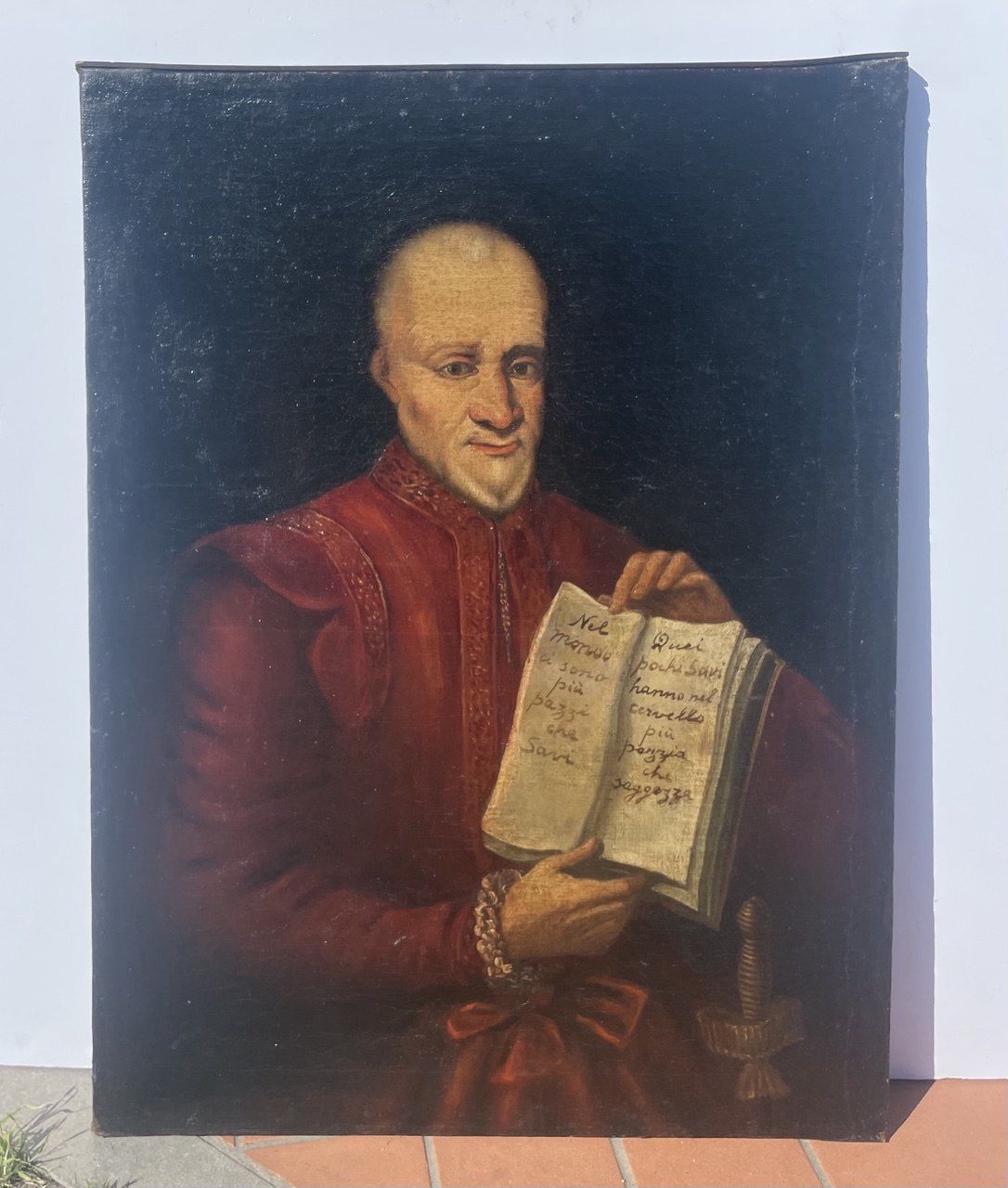
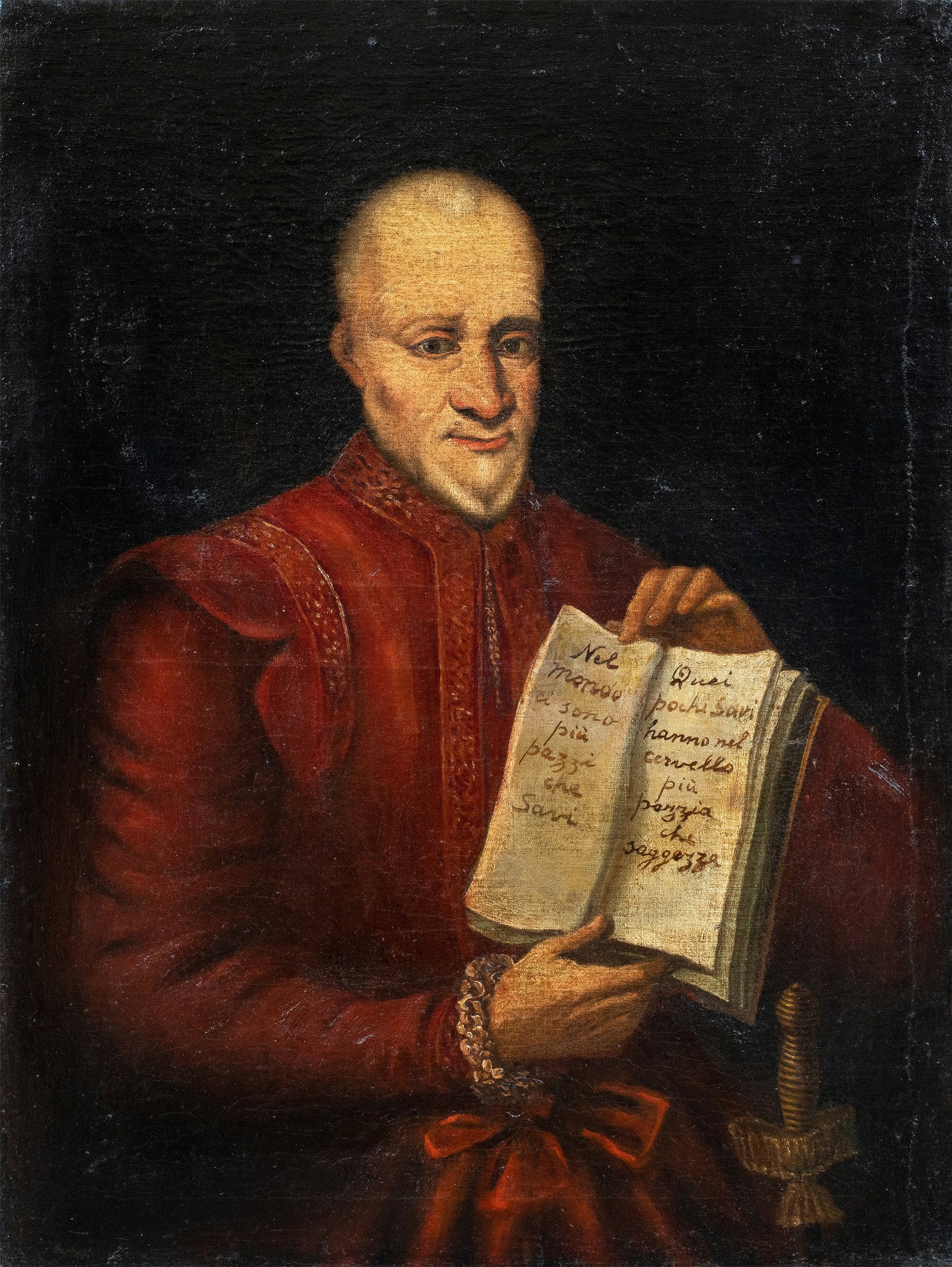
Italian painter (second half of the 18th century) - Portrait of an old man with an aphorism.
92 x 68 cm.
Oil on canvas, unframed.
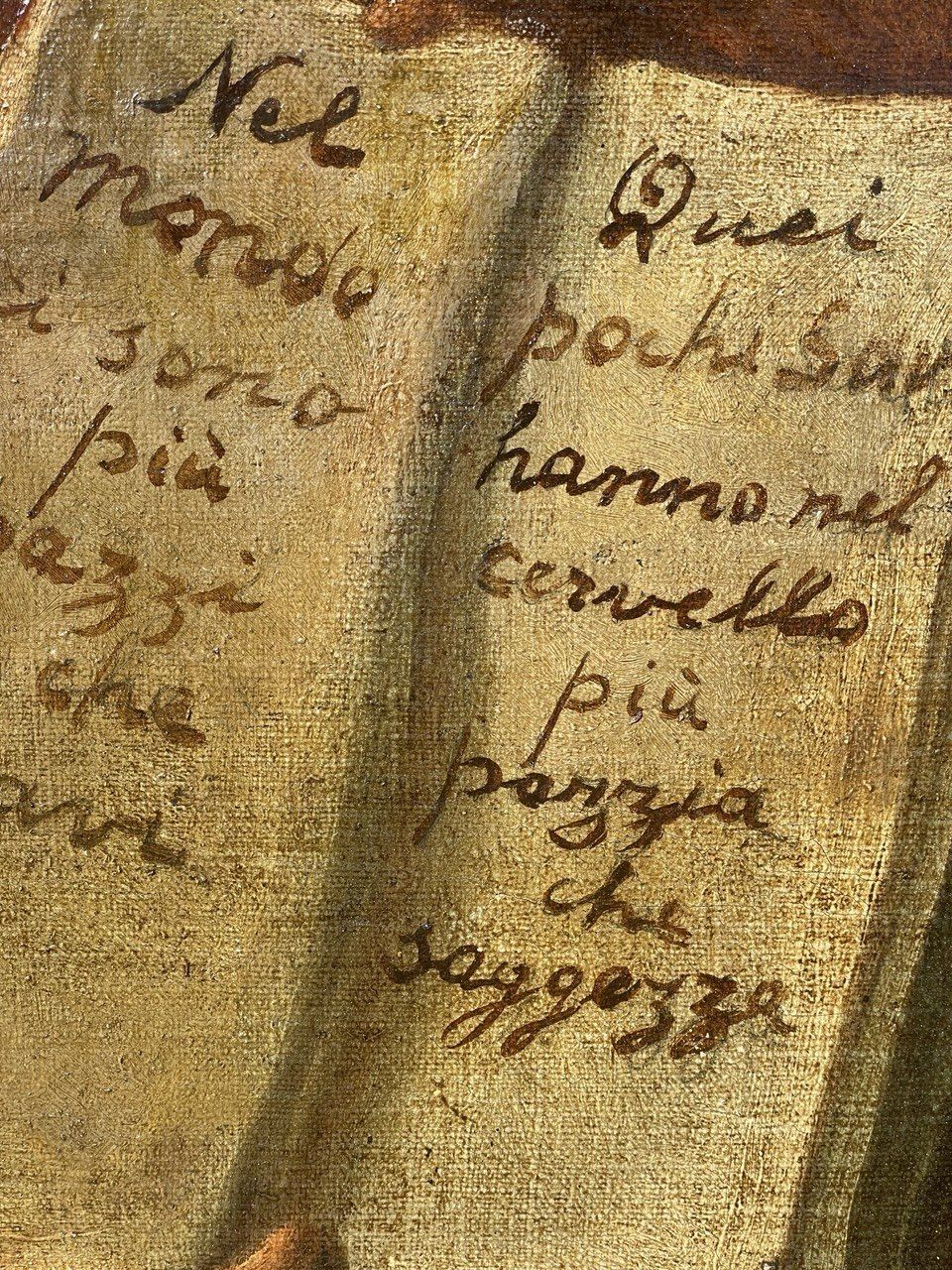
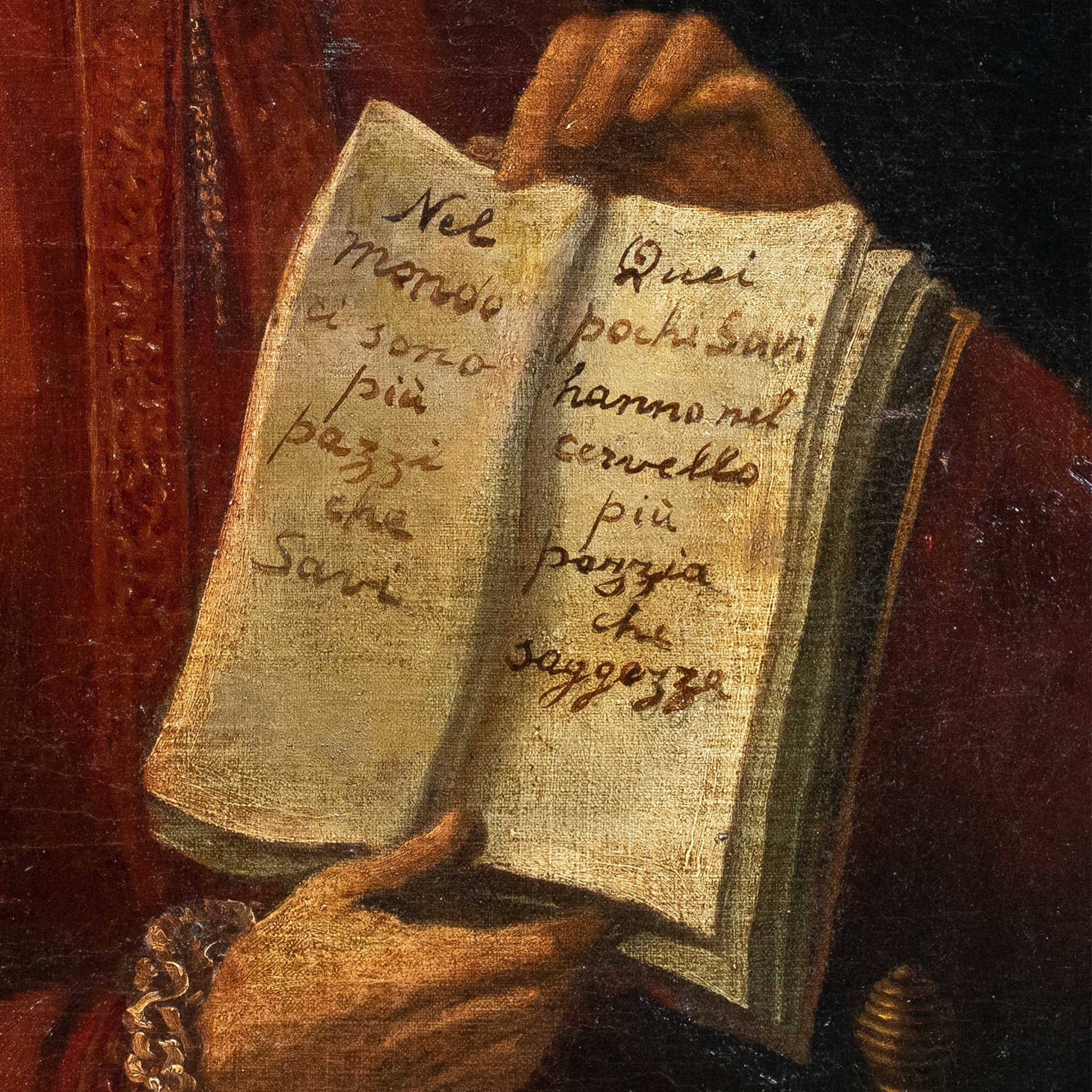
Work bearing an inscription on the open book: "There are more fools in the world than wise men, the few wise men have more madness than wisdom in their heads."
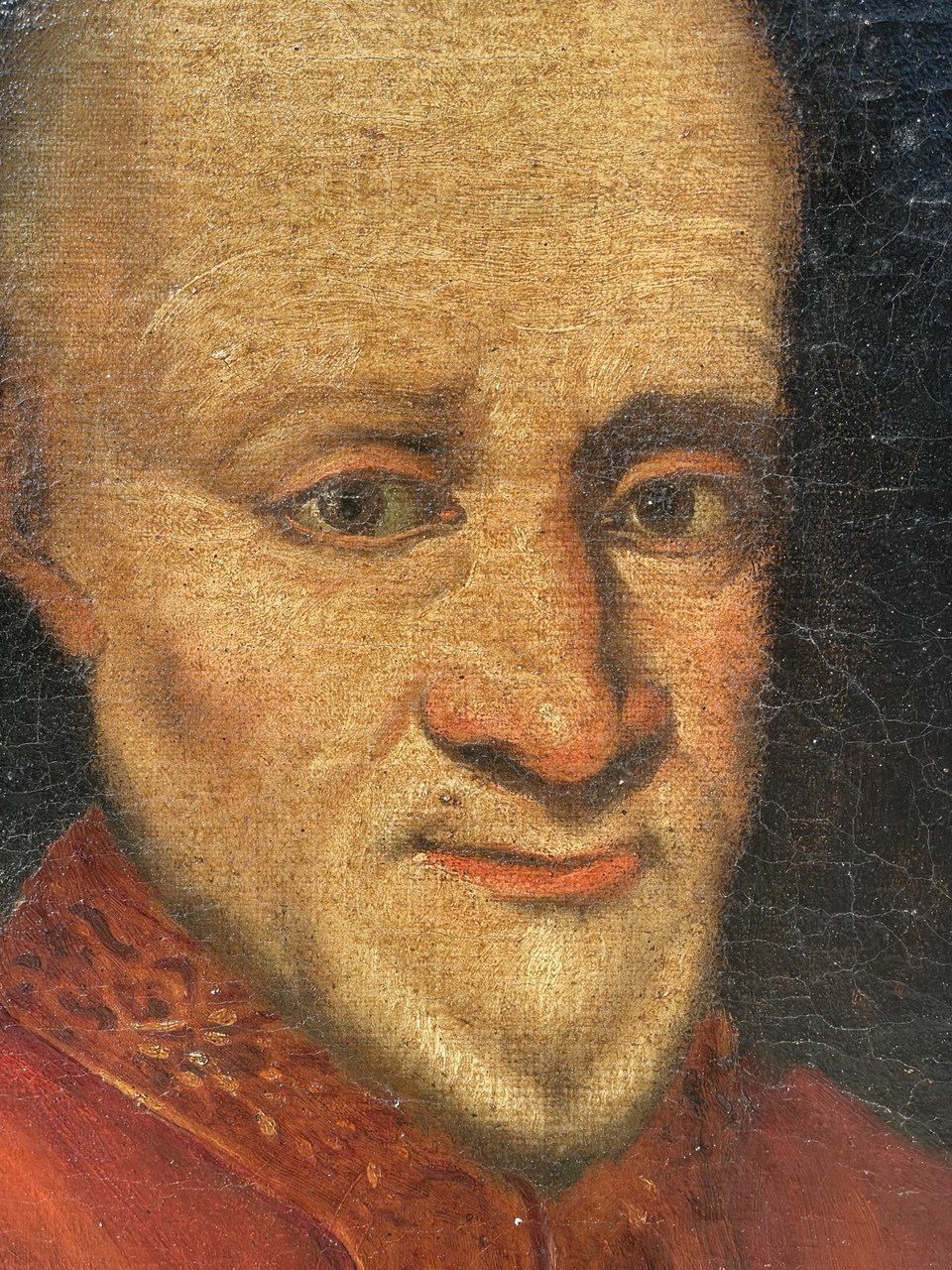
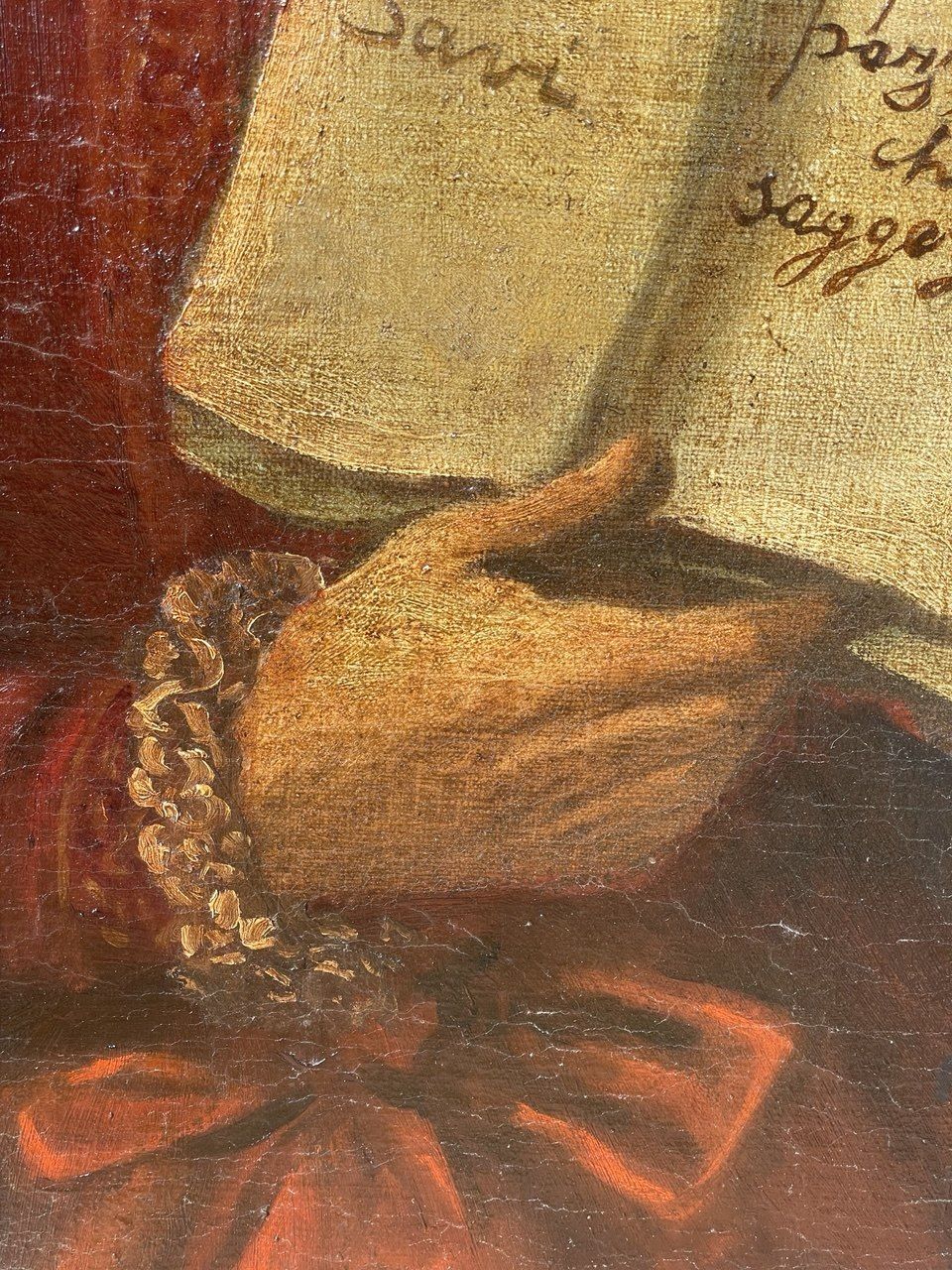
The painting depicts a half-length elderly man, dressed in a red-trimmed garment, holding an open book with both hands bearing the legible inscription. The subject looks at the viewer with a slightly ironic expression. The clothing and the presence of an inkwell on the table suggest a person of rank, probably a scholar or an official. The aphorism is traditionally associated with Nicolas Chamfort (1741–1794), a French moralist known for his satirical vein. The pictorial execution, with the flat application of red on the garment and the summary rendering of the dark background, is reminiscent of Venetian portraiture of the late 18th century.
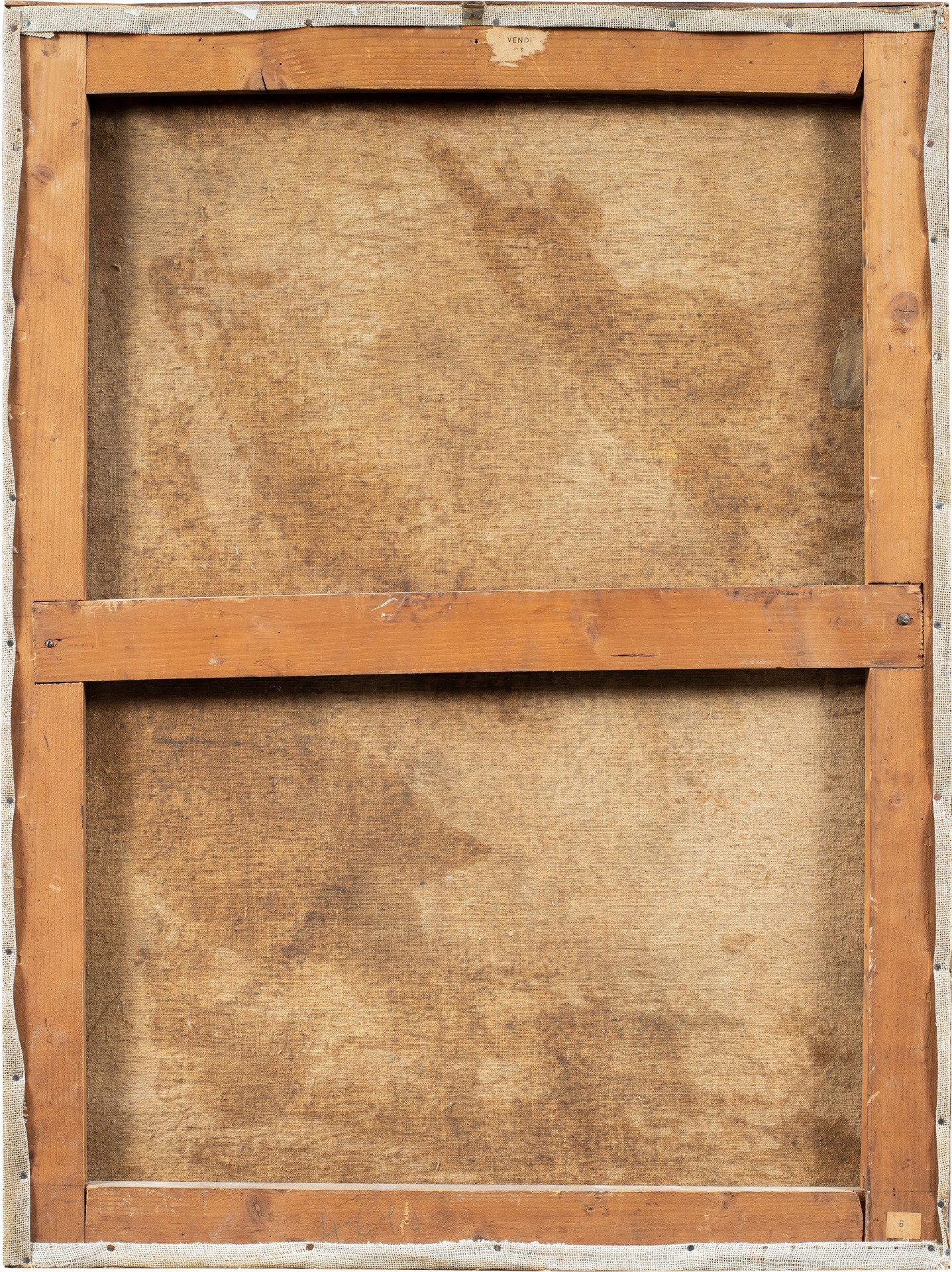
Condition report: Lined canvas. Good condition of the pictorial surface, with varnish oxidation.
All shipments within the EU are free and professionally packed.
This item is sold with a legally valid certificate of authenticity.
Further details on the condition report are available upon request.
Viezzi Arte guarantees quality and professionalism at competitive prices, contact us at
[email protected] or via WhatsApp at +39 3402841279.
Message to non-Italian buyers: This work has not yet obtained the certificate of free export from Italy, issued by the Superintendence of Cultural Heritage, which attests that the work does not belong to Italian cultural heritage and can therefore be freely exported. The regulations in force since 2026 provide for reduced times for works with a declared value of less than €50,000, established at the discretion of the expert commission: an average of 2-3 weeks from the submission of the request. All costs related to this procedure are included in the price.
Disclaimer Rendering: The setting images are generated by AI for illustrative purposes and may not respect the real proportions of the work.

.jpg)