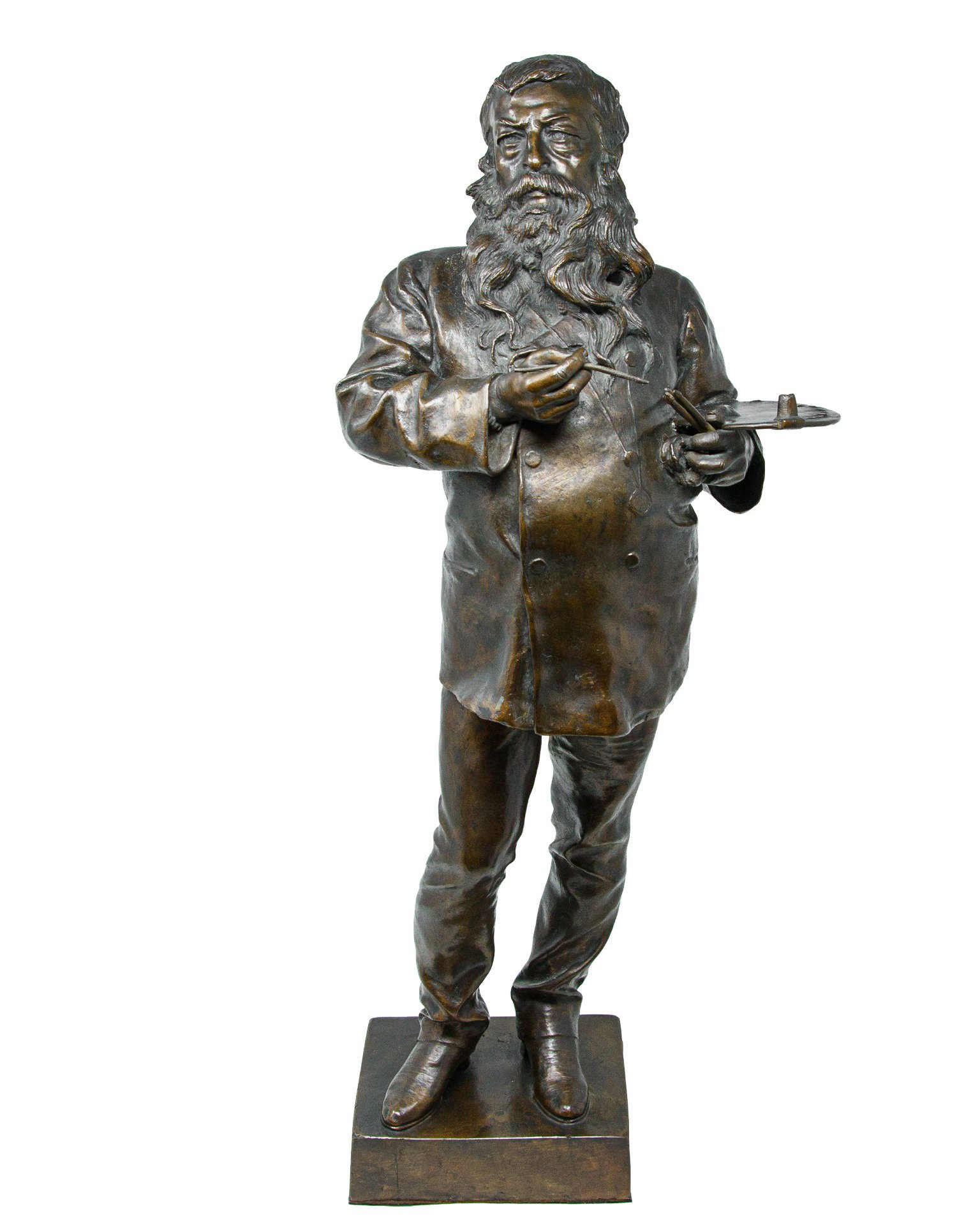
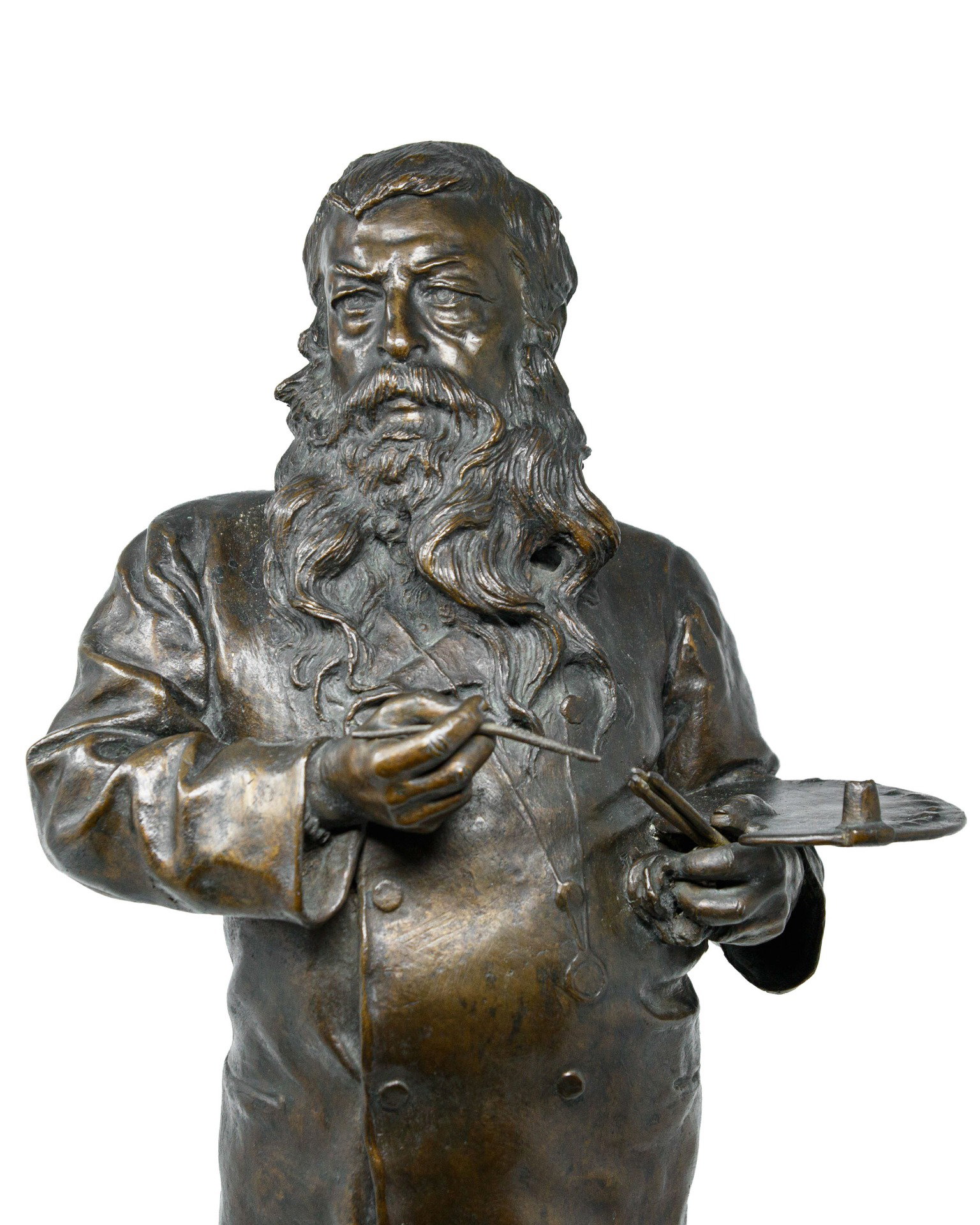
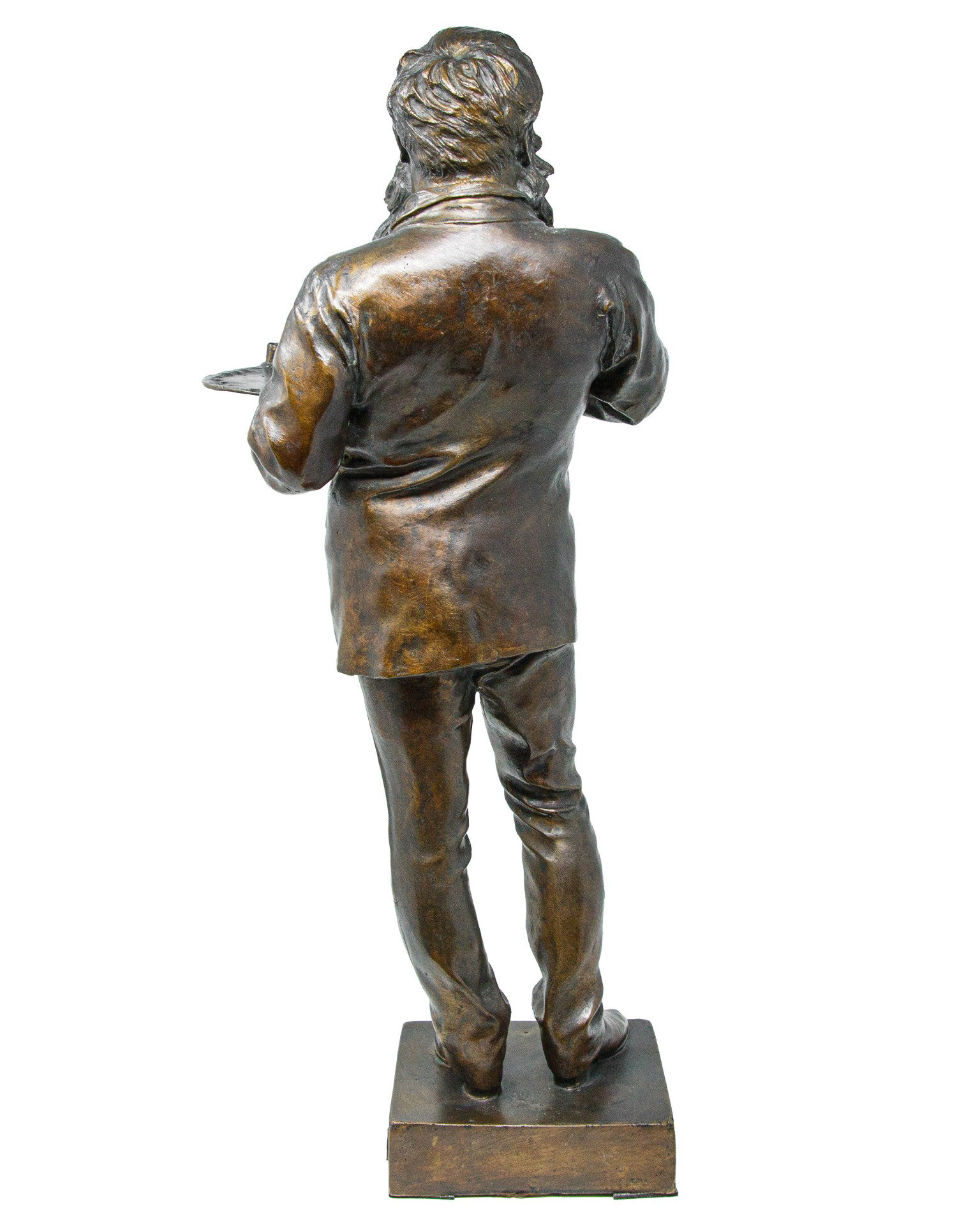
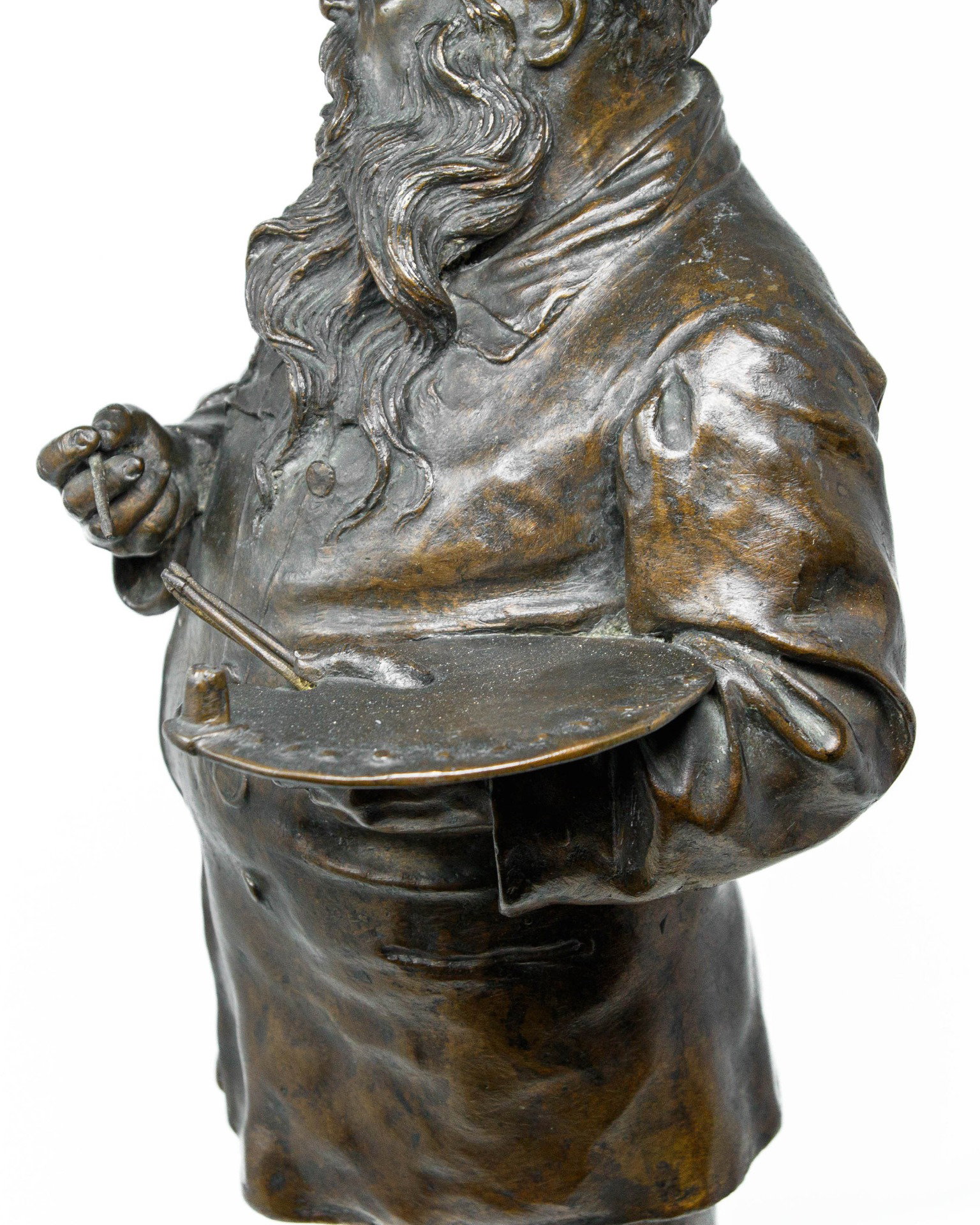
Vincenzo Gemito (Naples, 1852 – 1929), Portrait of Ernest Meissonier
Description:
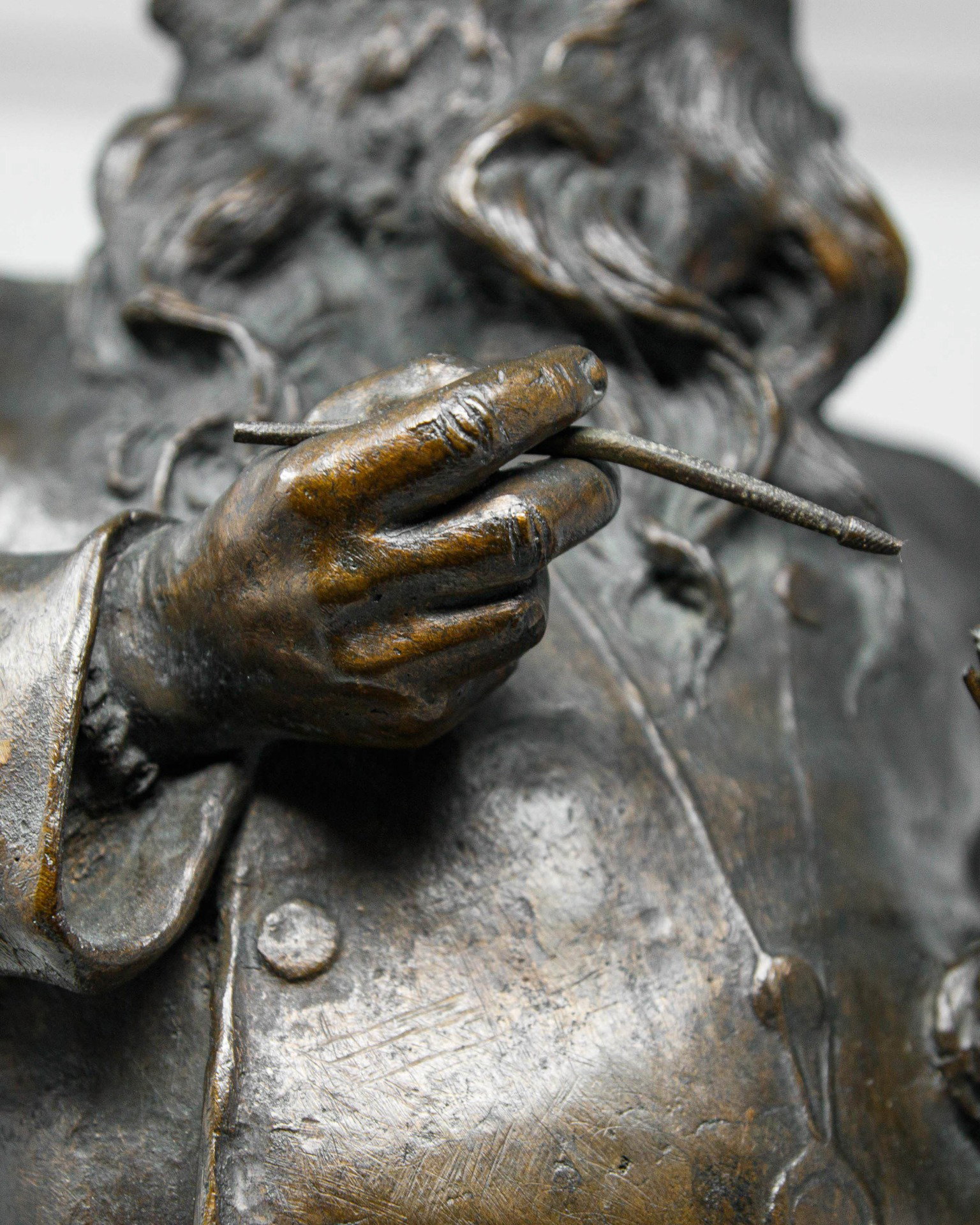
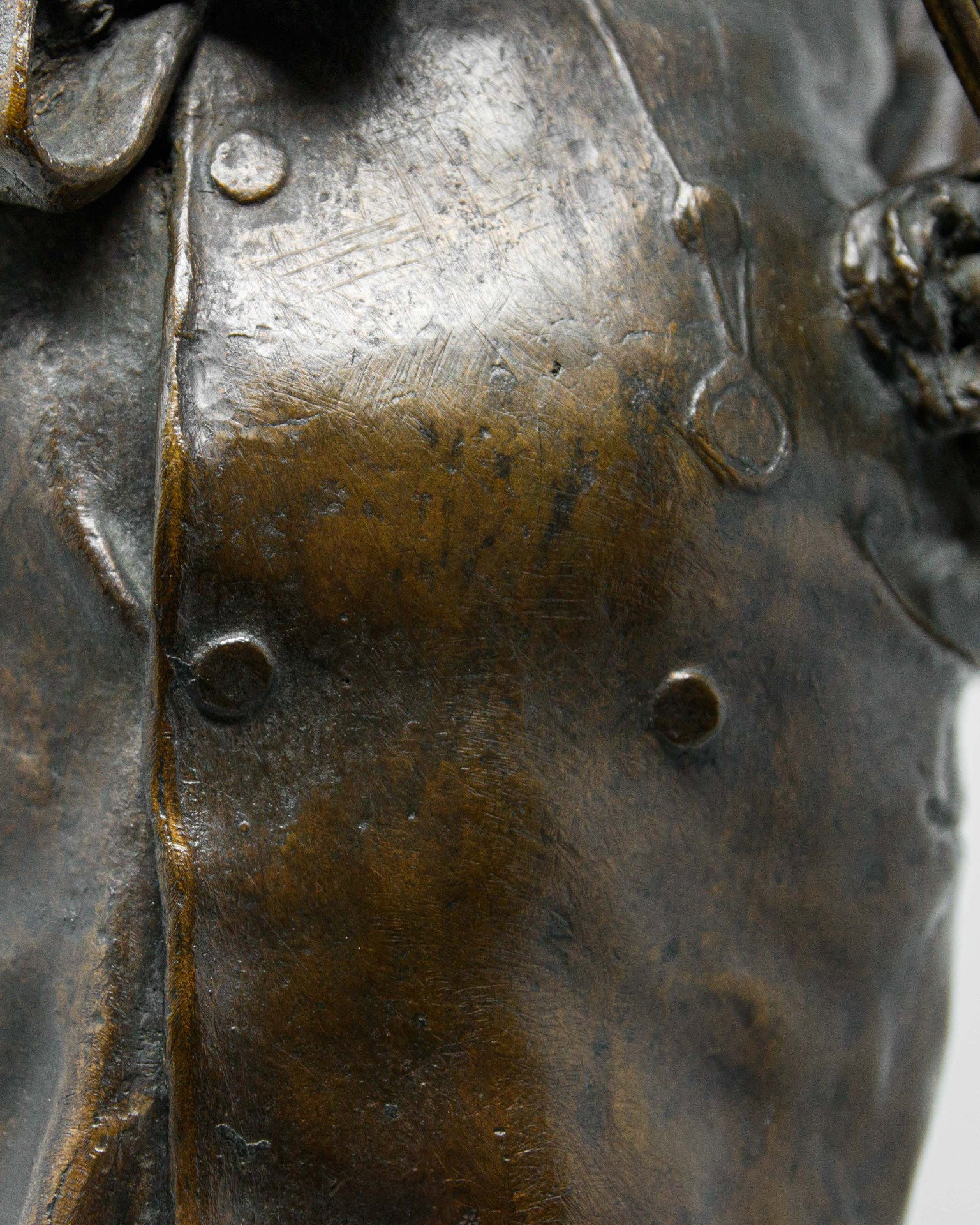
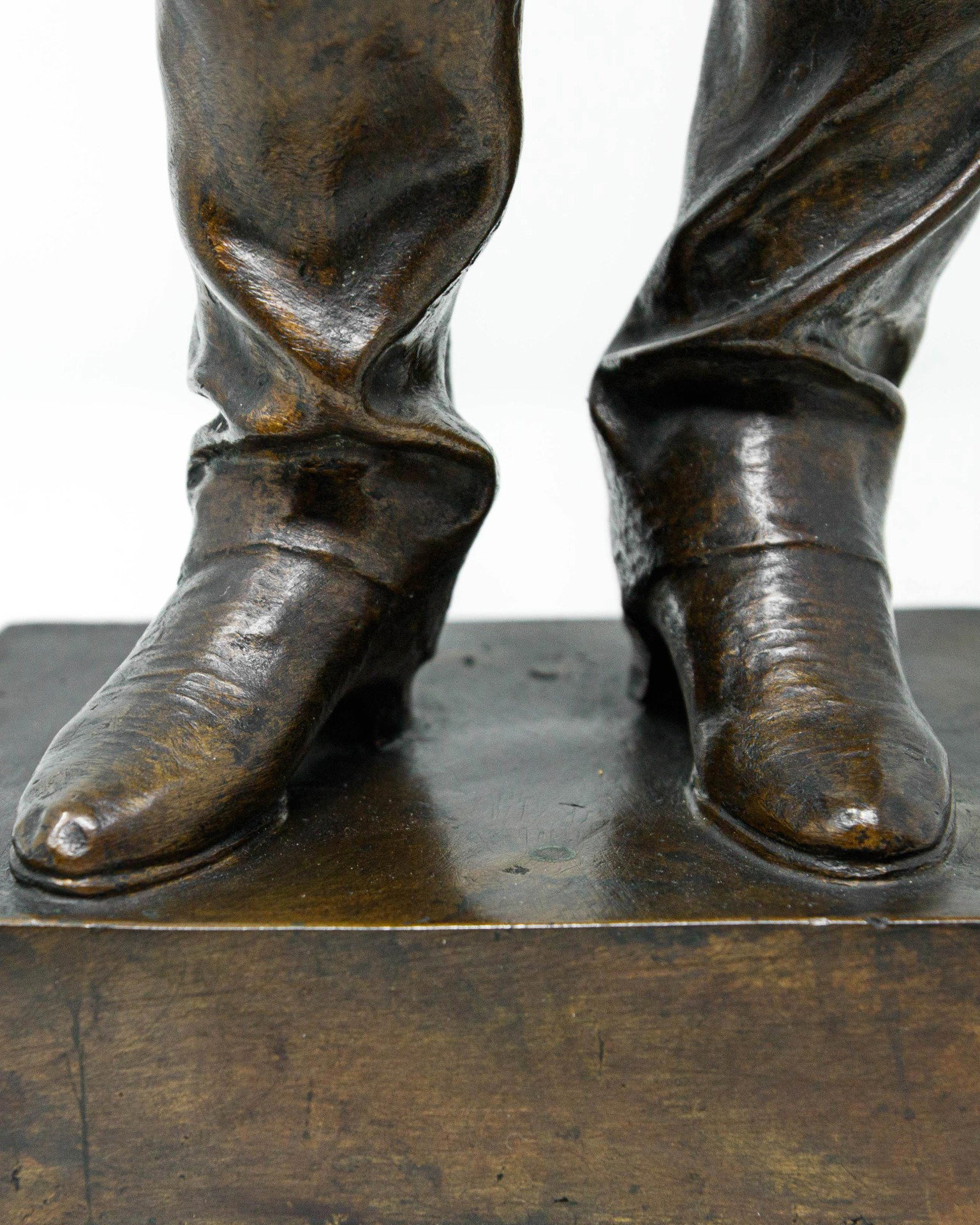
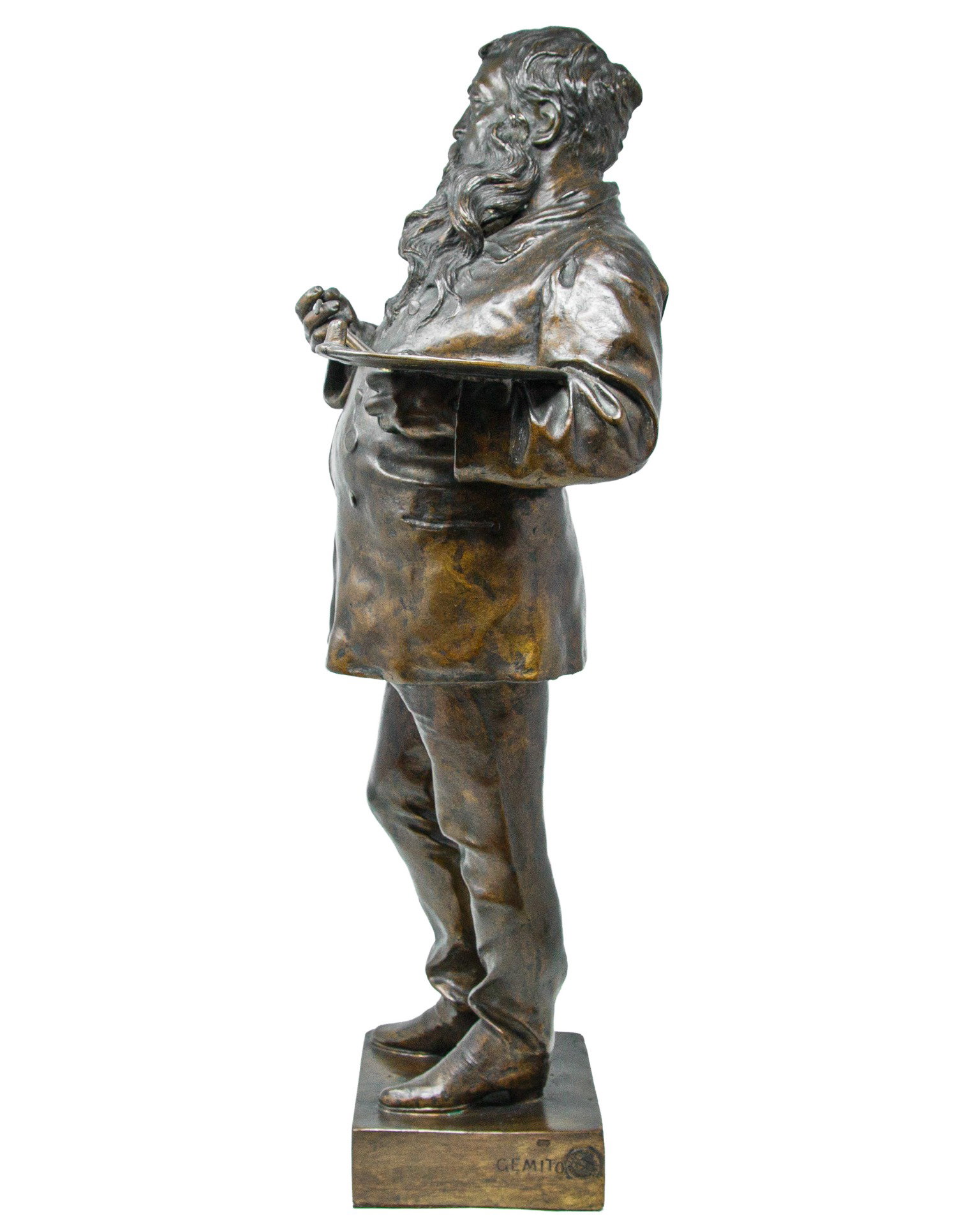
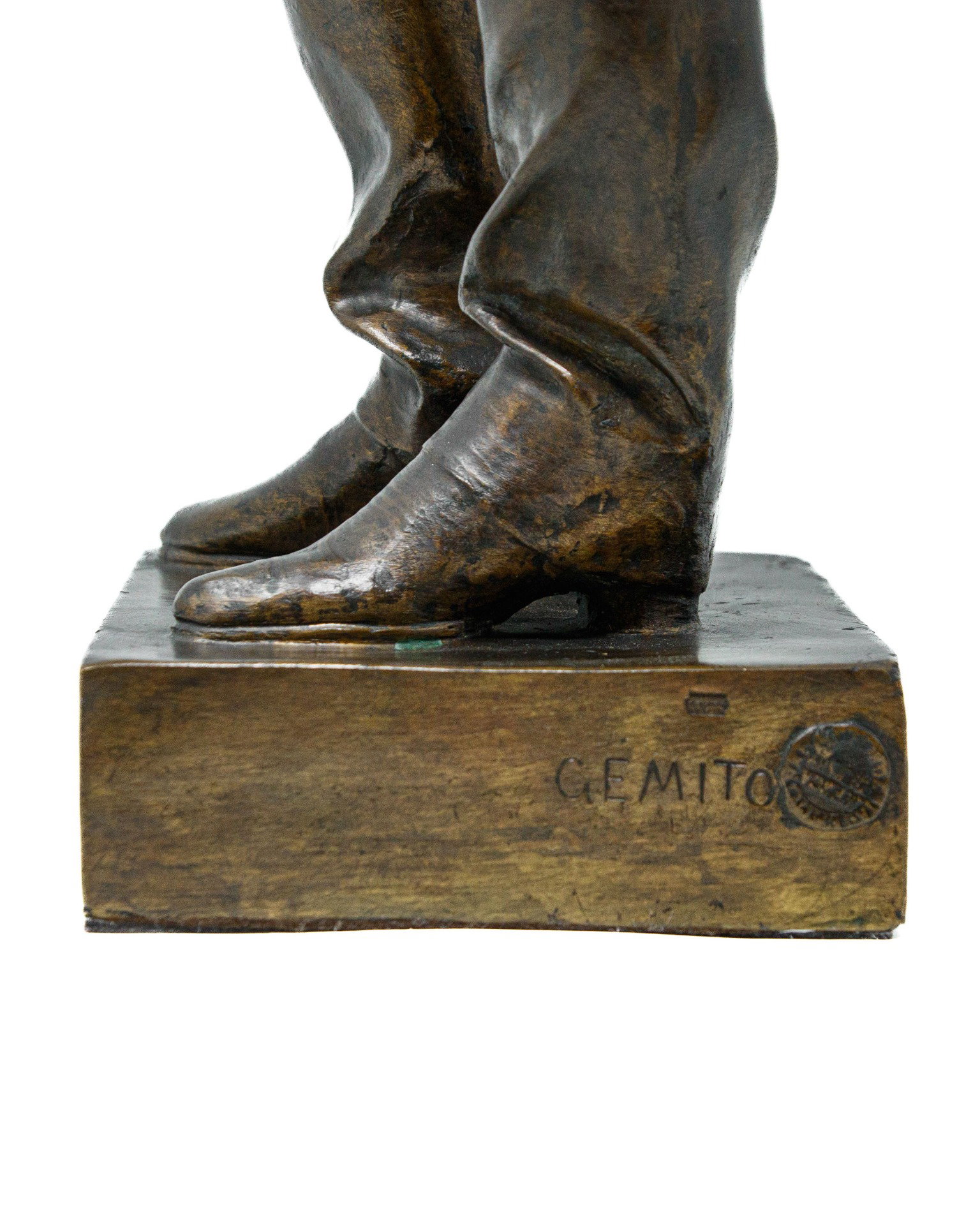
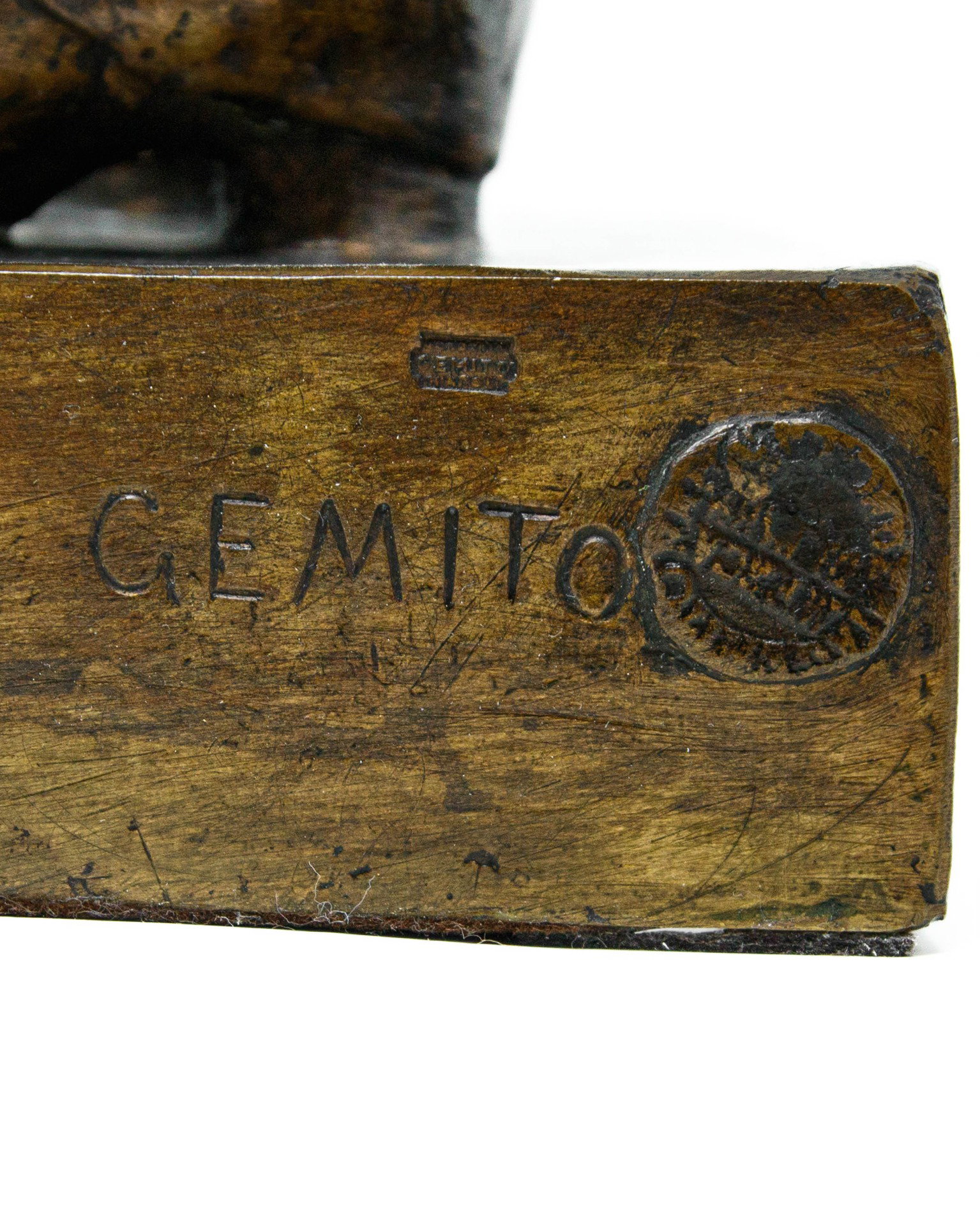
Vincenzo Gemito (Naples, 1852 – 1929) Portrait of Ernest Meissonier Bronze, 56 x 24 x 13 cm Signed and stamped by the foundry on the base GEMITO Created after the Parisian meeting of 1878, the Portrait of Ernest Meissonier represents a significant testimony to the international relationships forged by Vincenzo Gemito during the years of his full artistic maturity. The first version of the sculpture, presented at the Promotrice di Torino in 1880, depicts the famous French painter standing, holding a brush and supporting a palette, thus captured in the very act of creative exercise. The bronze masterfully conveys the personality of the subject: the confident posture, the concentrated gaze, the long beard, and the meticulously described clothing all contribute to defining the image of an accomplished artist, aware of his own prestige. Ernest Meissonier, among the most celebrated painters of 19th-century France, was internationally renowned for his historical and genre scenes, often set in the 18th century and characterized by meticulous attention to detail. The work stems from the friendship that developed between Meissonier and Gemito during the Universal Exposition of Paris in 1878. In those years, the young Neapolitan sculptor was gaining increasing success abroad, and the encounter with the French master helped broaden his cultural horizons. Indeed, the portrait reveals a clear stylistic change compared to his earlier work: the material is no longer modeled with the immediacy characteristic of Neapolitan popular figures, but becomes more controlled, refined, and analytical. Every detail of the clothing, hair, and professional tools is carefully defined, in line with the taste of the depicted artist. A comparison with the famous Fisherman, housed at the Museo del Maschio Angioino in Naples, clearly highlights this evolution. In the young boy captured in a spontaneous gesture, the energy of movement and the freshness of direct observation prevail; in the Portrait of Meissonier, the construction appears more considered and solemn, aimed at celebrating a recognized personality. Similarly, compared to the Young Fisherman at the Museo di Capodimonte, where childlike vitality is rendered through quick and vibrant modeling, the bronze dedicated to the French painter exhibits a more elegant and descriptive approach, almost an homage to the tradition of official portraiture. A further point of comparison is offered by the Bust of Giuseppe Verdi, kept at the Museo Teatrale alla Scala. In both works, Gemito demonstrates an extraordinary ability to capture the psychological character of the subject, avoiding any cold idealization. Born in Naples in 1852 and abandoned at birth, Vincenzo Gemito was entrusted to Giuseppina Baratta and trained in the workshops of Emanuele Caggiano and Stanislao Lista, while simultaneously studying portraiture at the National Museum. After his debut at the Academy of Fine Arts, success quickly followed, thanks to the innovative strength of his sculptures inspired by Neapolitan popular life. Stays in Paris, participation in Salons and major international exhibitions expanded his cultural horizons, while the founding of the Fonderia Gemito in 1883 allowed him to directly control the quality of the casts. The Portrait of Meissonier is situated at a crucial moment in this journey.