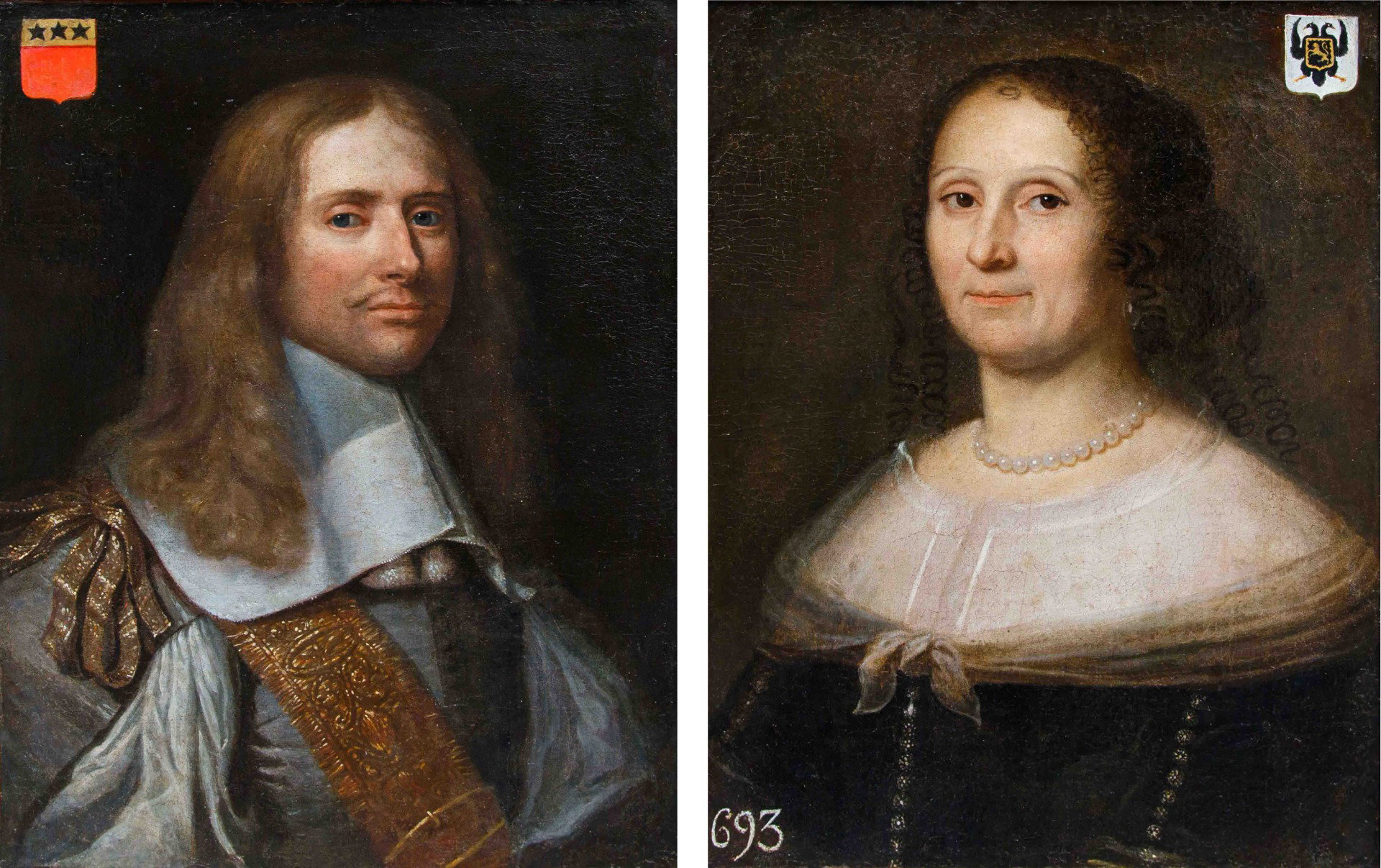
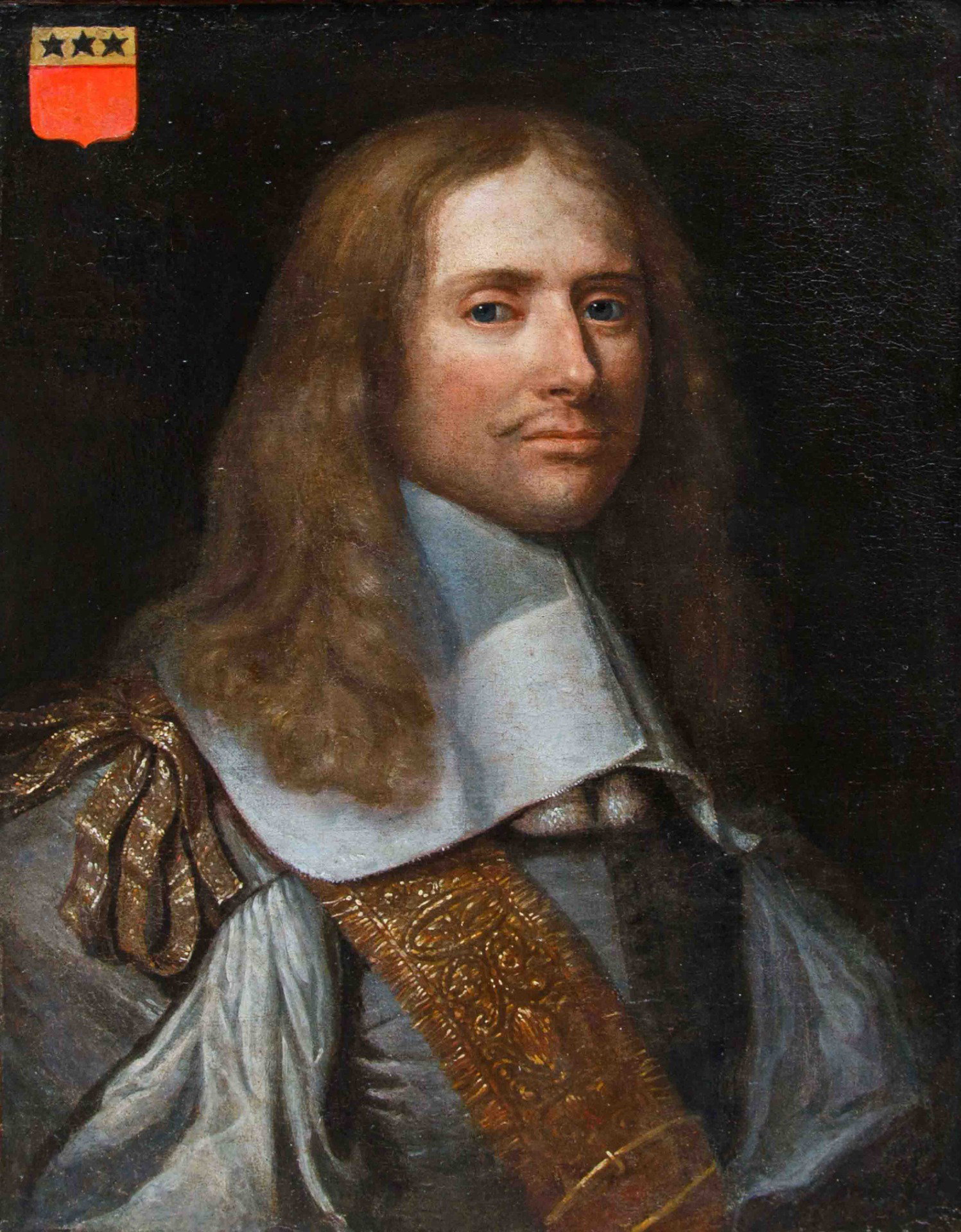
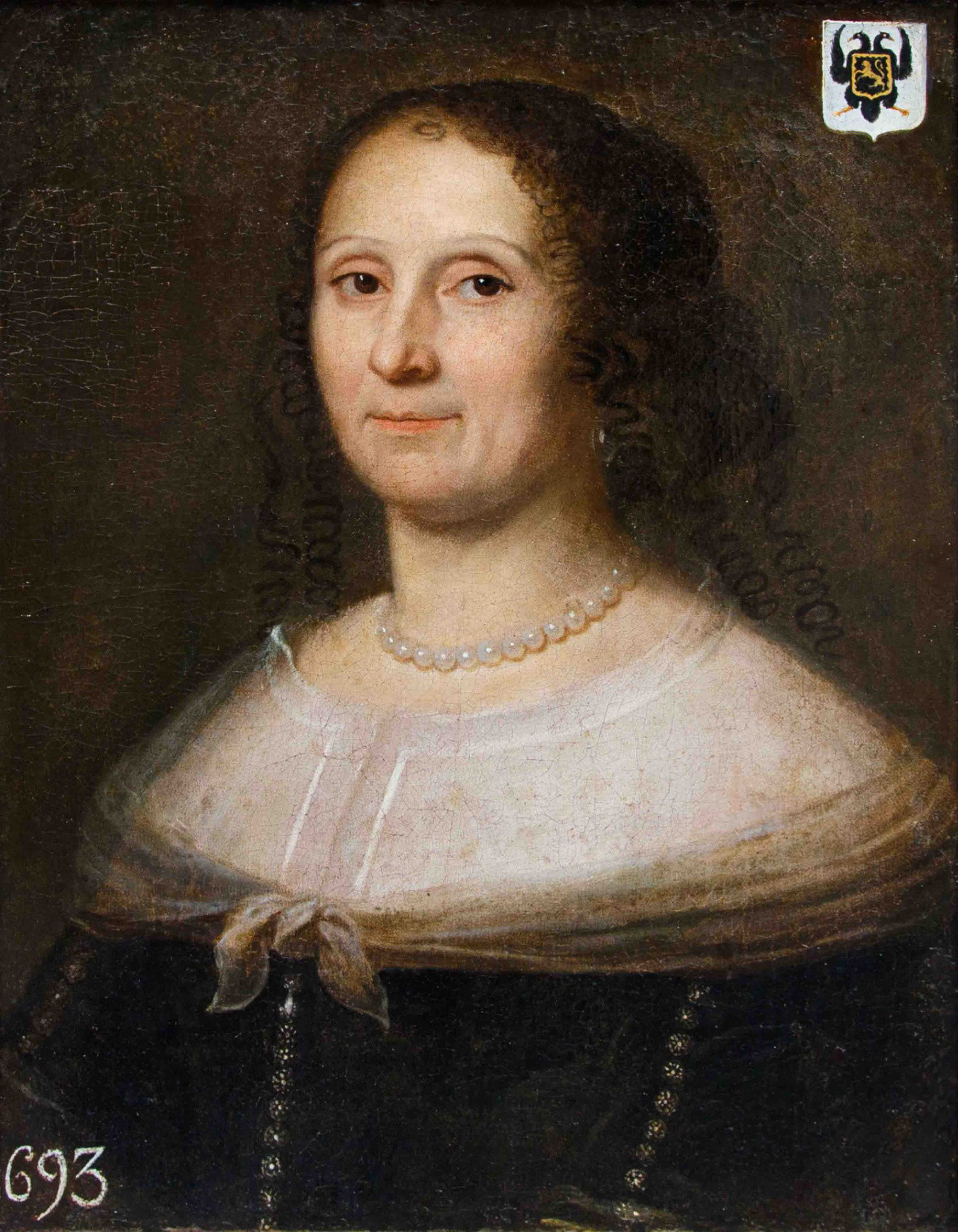
Follower of Philippe de Champaigne (Brussels, 1602 – Paris, 1674), Pair of portraits
Description:
Follower of Philippe de Champaigne (Brussels, 1602 – Paris, 1674)
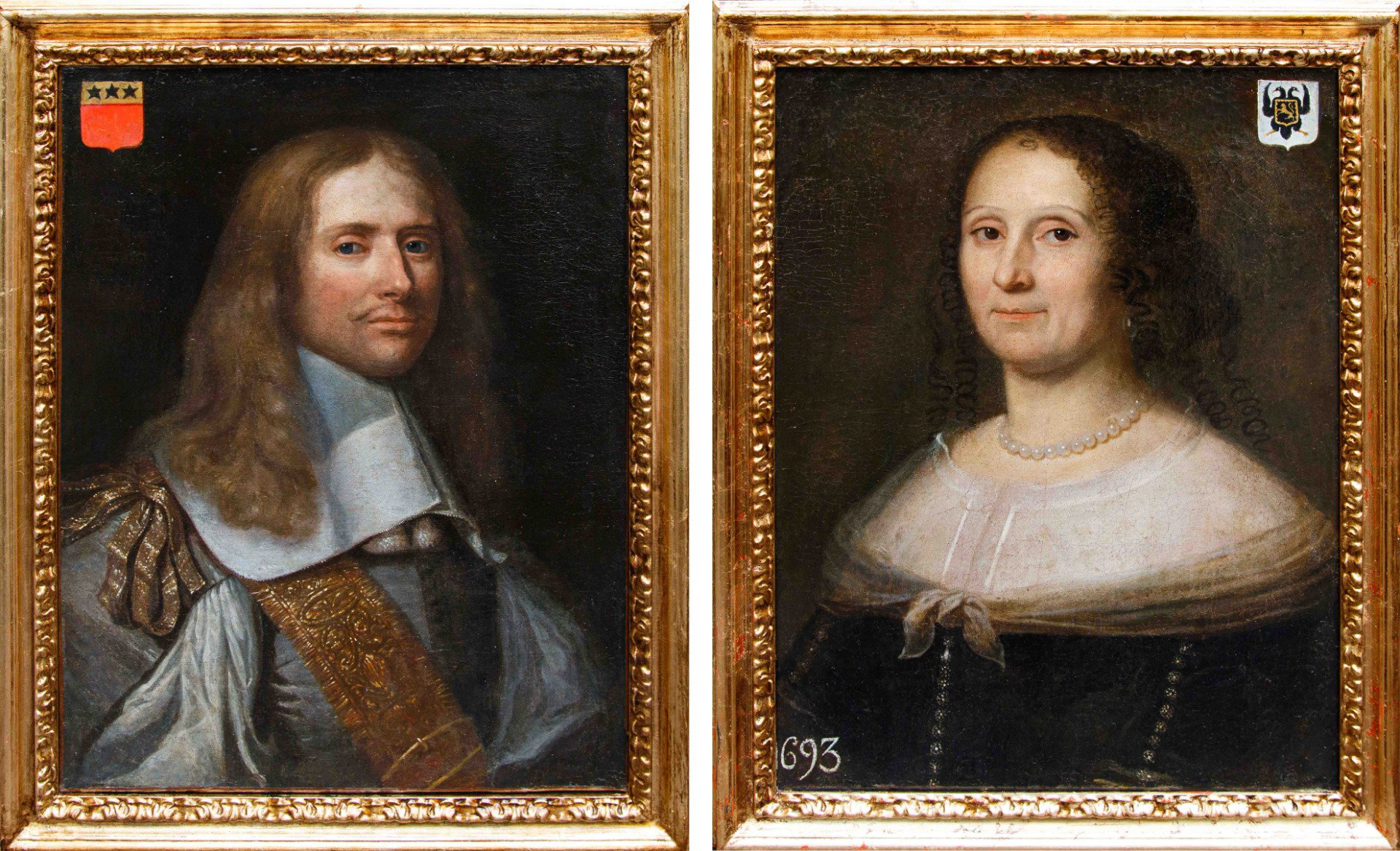
Pair of portraits
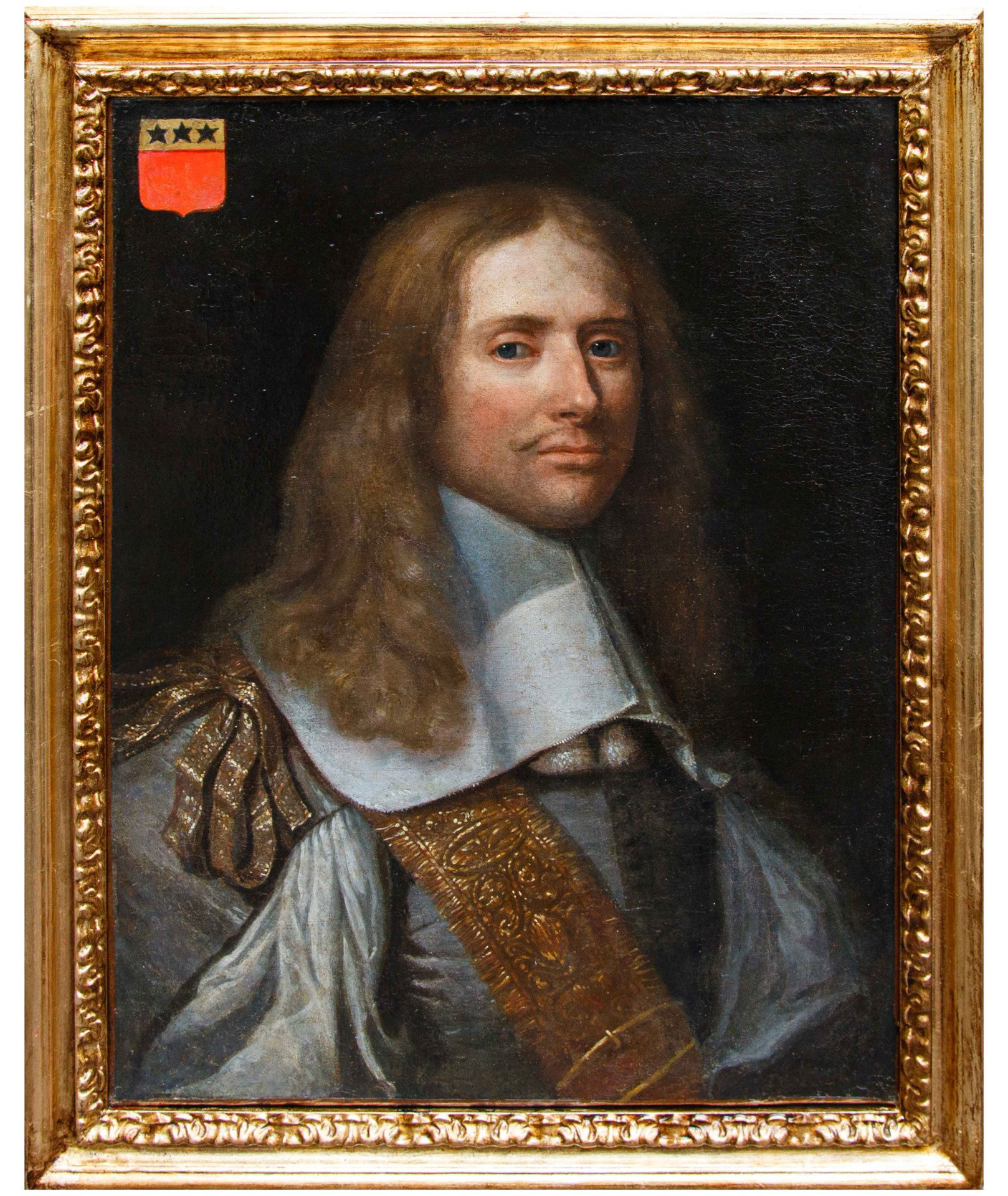
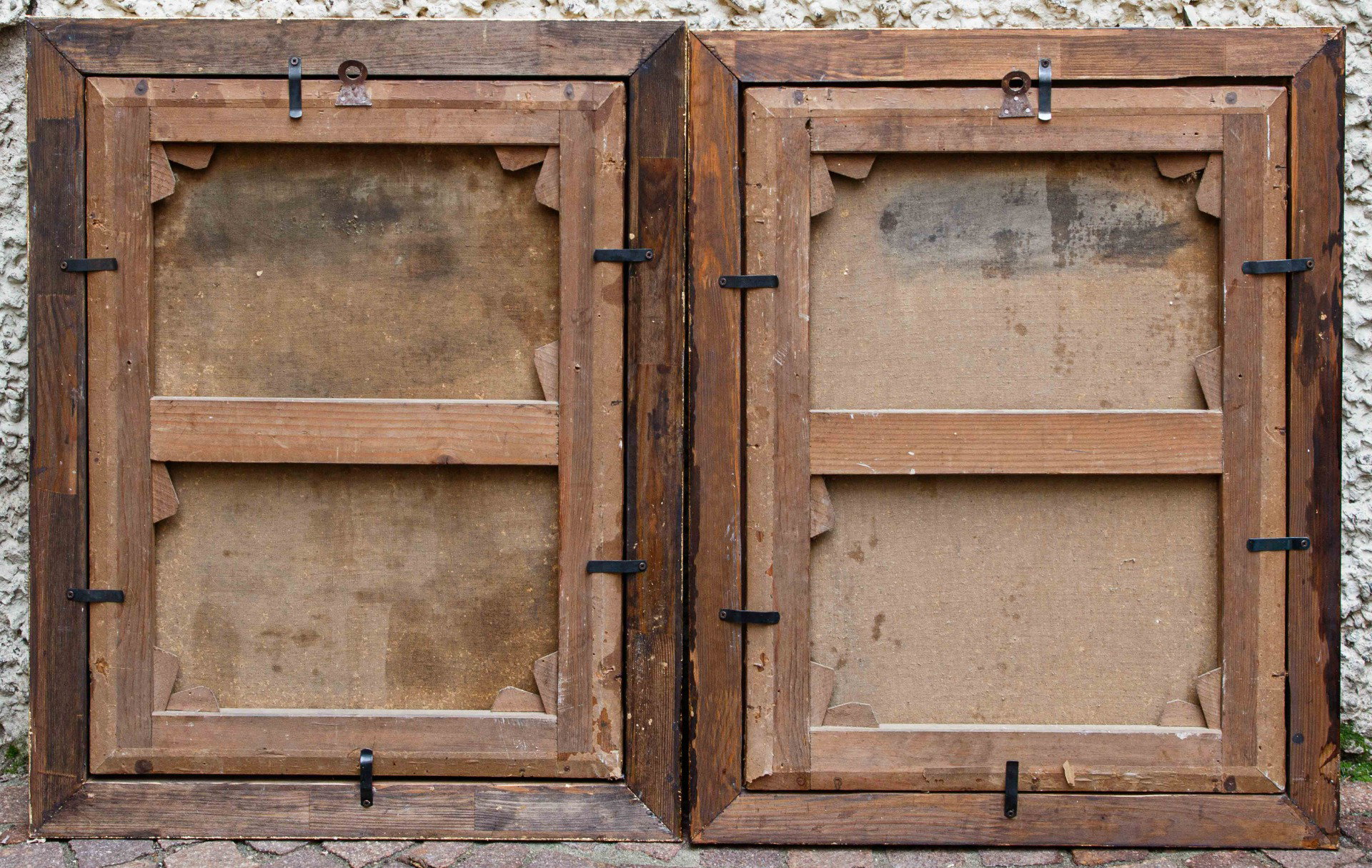
(2) Oil on canvas, 58 x 44 cm
With frame, 67 x 54 cm
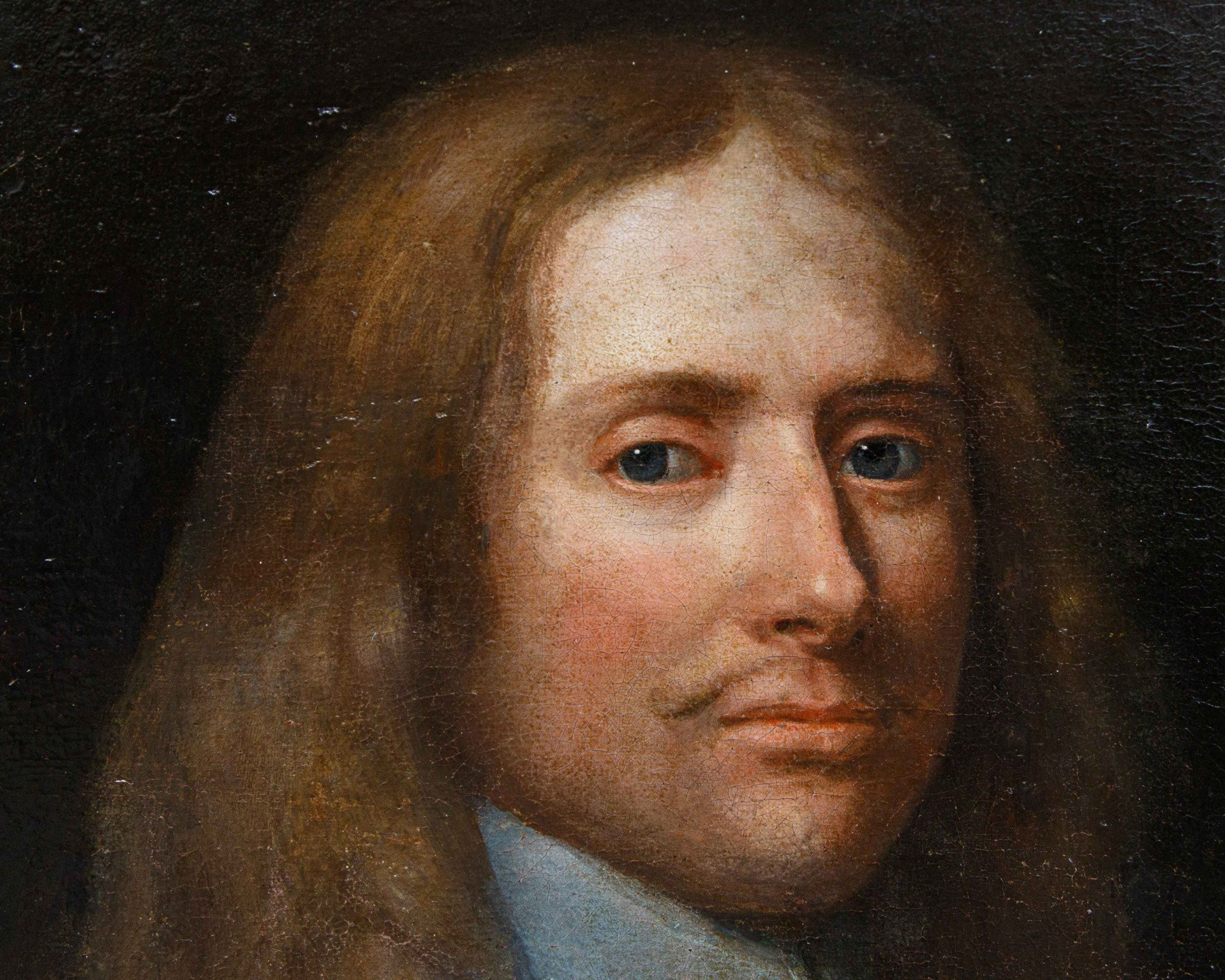
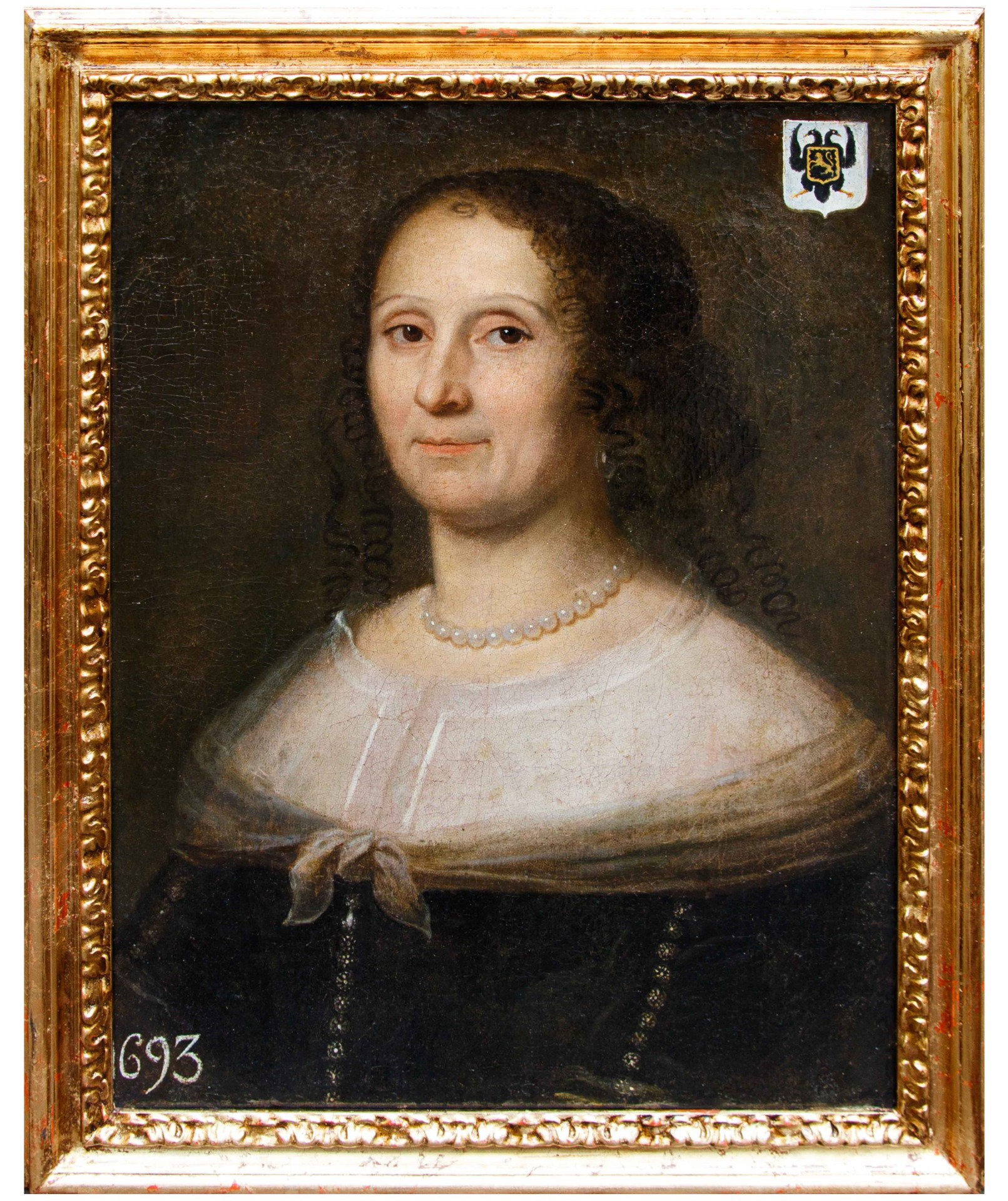
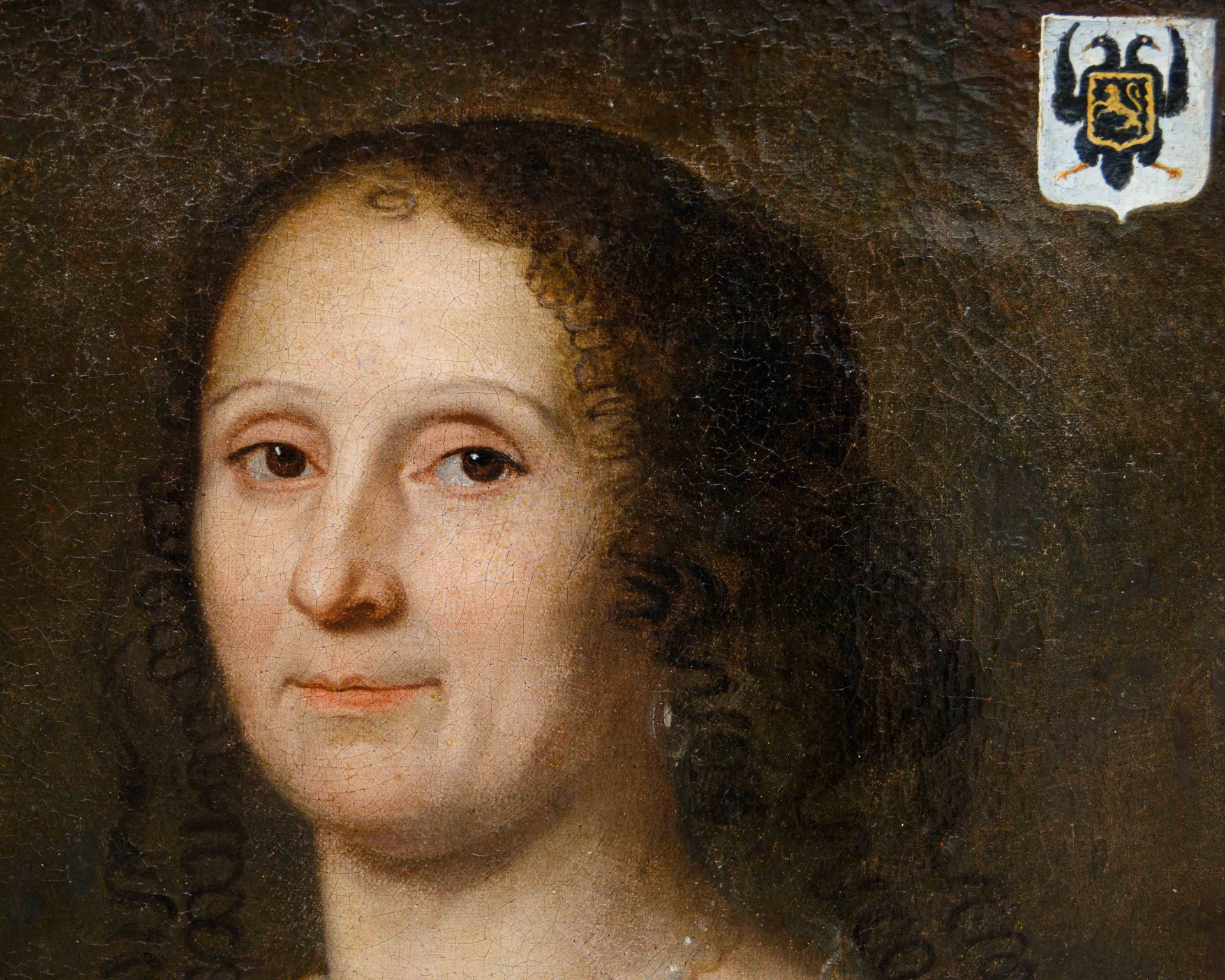
A sense of profound tranquility and intense introspection characterizes this pair of portraits depicting a noblewoman and a nobleman whose coat of arms refers to the French commune of Grand-Rullecourt, located in the Pas-de-Calais department in the Hauts-de-France region. Champaigne was a master at capturing the essence of his subjects, revealing their personality through a sober and rigorous style. His portraits are not mere physical representations but true psychological studies. The faces, often illuminated by a sharp, cold light, seem to emerge from darkness, revealing every detail, every wrinkle, every expression. There is no room for idealization or flattery. Champaigne paints the truth, with all its rawness and its beauty. The poses are composed, almost static, conveying a sense of dignity and authority. The colors are cold and sober, dominated by grays, blues, and browns, creating an atmosphere of seriousness and rigor. But beyond the austere appearance, Champaigne's portraits reveal a profound humanity. The gazes, often direct and piercing, seem to invite the viewer to reflect on life, death, and spirituality.
Philippe de Champaigne, born in Brussels and settled in Paris in 1621, was a highly successful court painter. He soon abandoned Baroque influences for a more measured and rigorous style, becoming the preferred artist of powerful figures. Champaigne was the leading French portraitist of the reign of Louis XIII. He was employed by the king and Cardinal Richelieu, for whom he executed the series of portraits for which he is primarily remembered. Champaigne was also a prolific painter of altarpieces and religious paintings, such as "The Dream of Saint Joseph." He arrived in Paris in 1621 and began his career working on the decoration of the Luxembourg Palace for the queen mother, Marie de' Medici. His style reflects his Flemish origins and the robust realism of Rubens. His handling of drapery is reminiscent of ancient Roman statues. His work is characterized by austere realism, static composition, and cool colors, with particular attention to the psychological rendering of his subjects. After the loss of his family, he became drawn to Jansenism, further influencing his style towards simplicity and spirituality.
Champaigne produced numerous sacred works and portraits of great intensity, including those of Richelieu and members of the Port-Royal community. He died in 1674, leaving an indelible mark on 17th-century French portraiture. Champaigne became a founding member of the French Academy, but under the influence of Jansenism, he withdrew increasingly from court and focused on portraits of prominent Jansenists. The style of these, and his devotional works of the time, reflect the austere religious doctrine of that movement. His portraits are windows into the soul, allowing us to glimpse the complexity and depth of the human spirit. Whether it be a powerful cardinal like Richelieu or a devout nun from Port-Royal, Champaigne manages to capture the essence of each individual, revealing their uniqueness and humanity.