THE GALLERY OFFERS
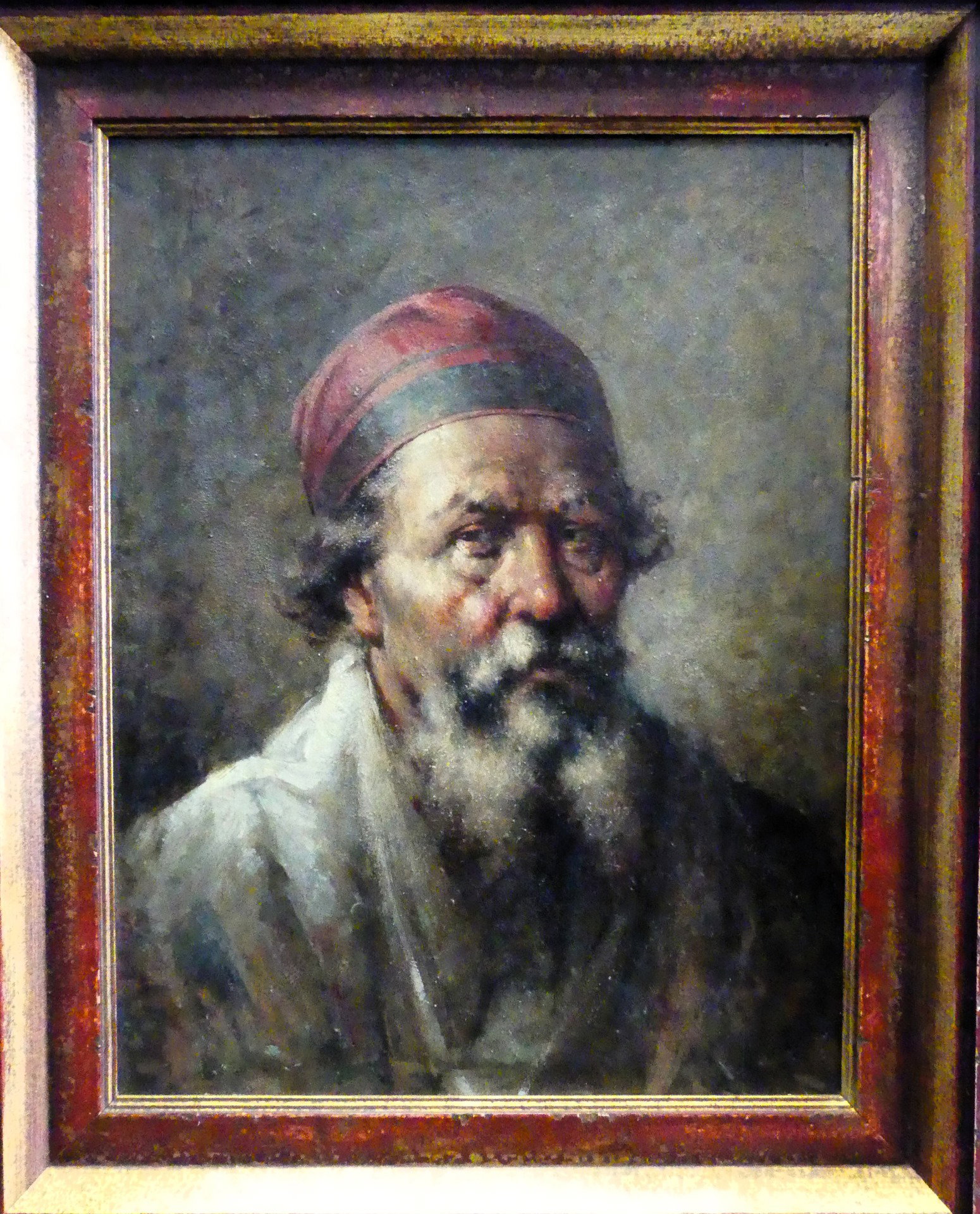
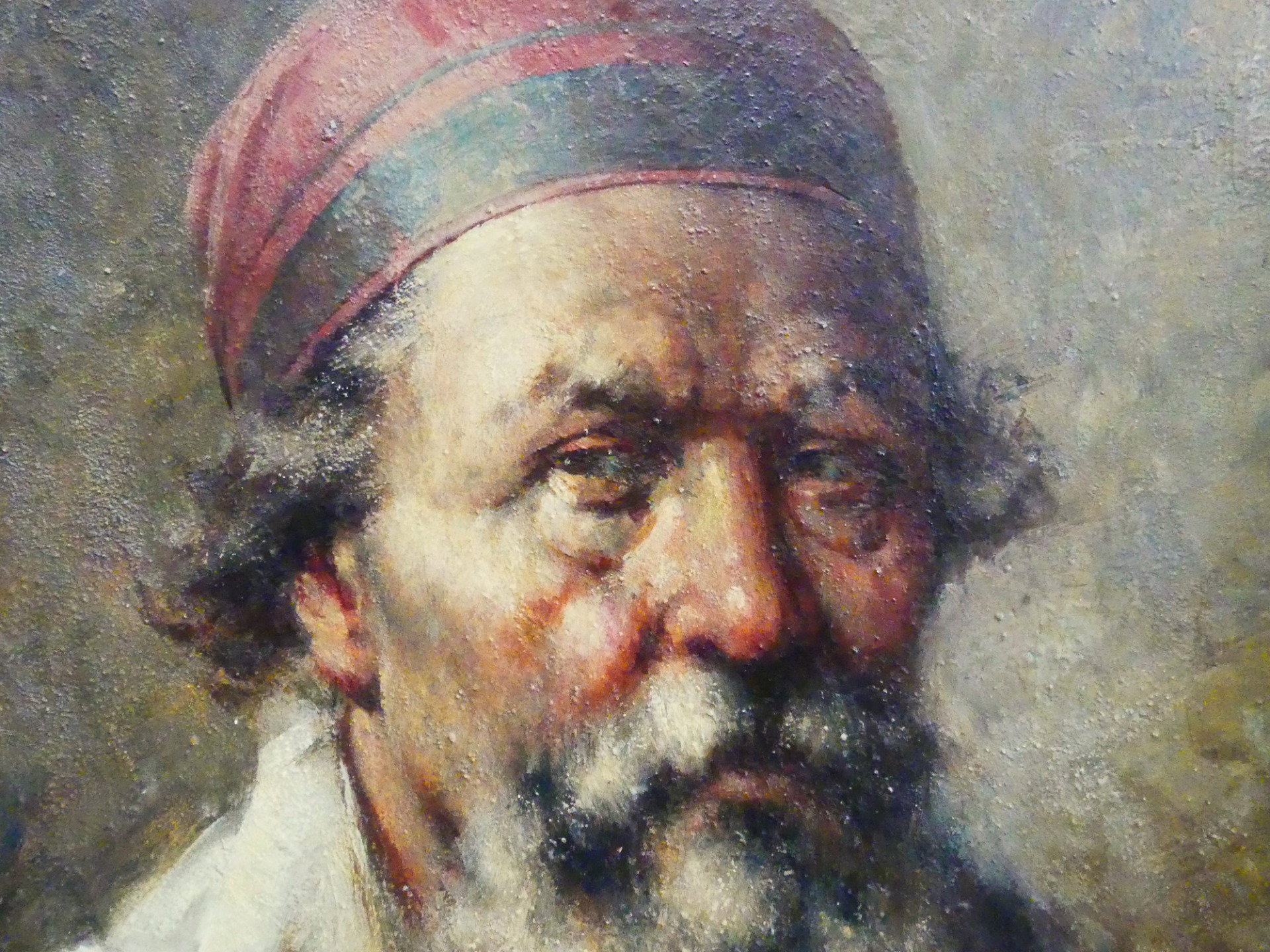
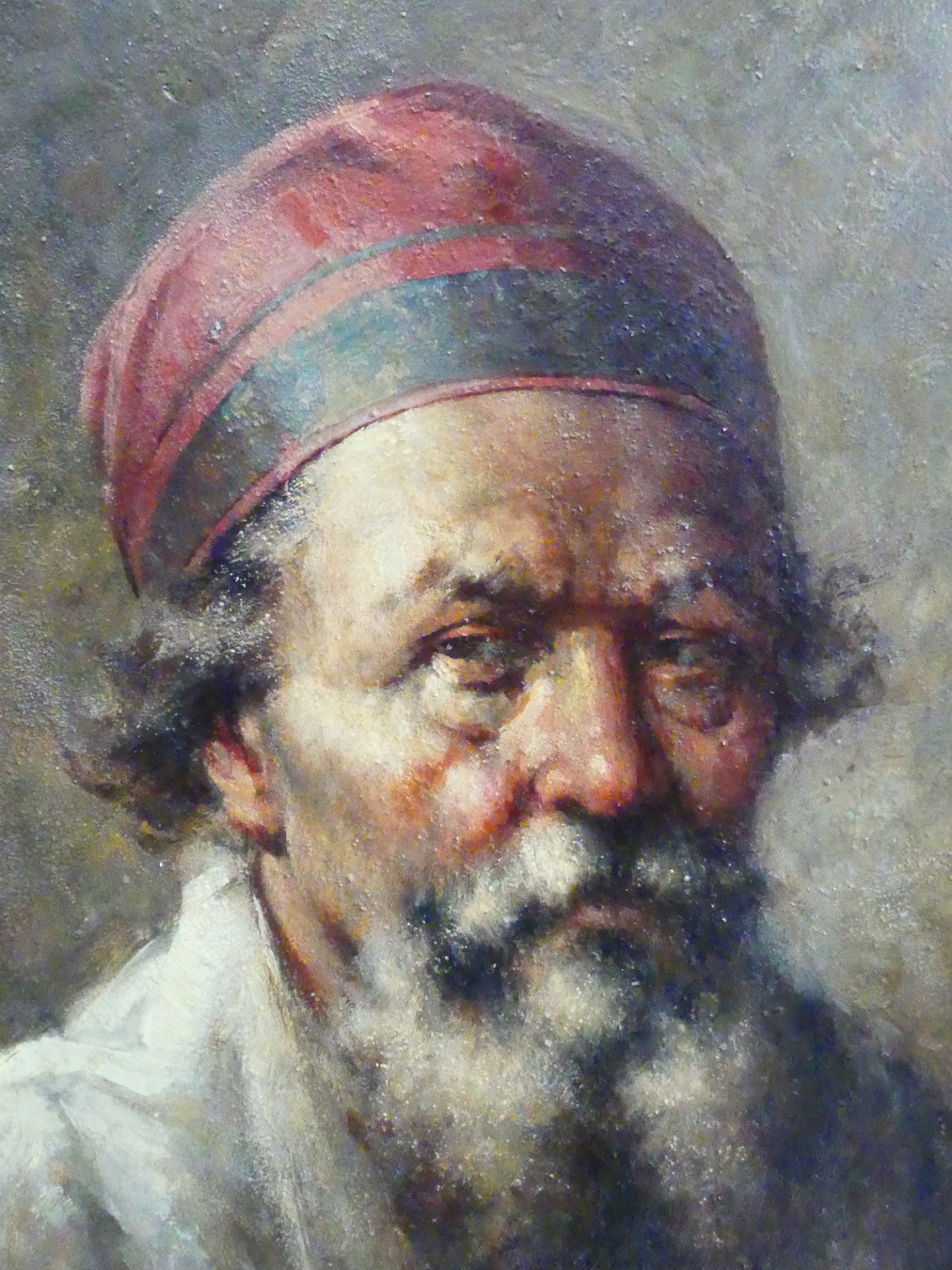
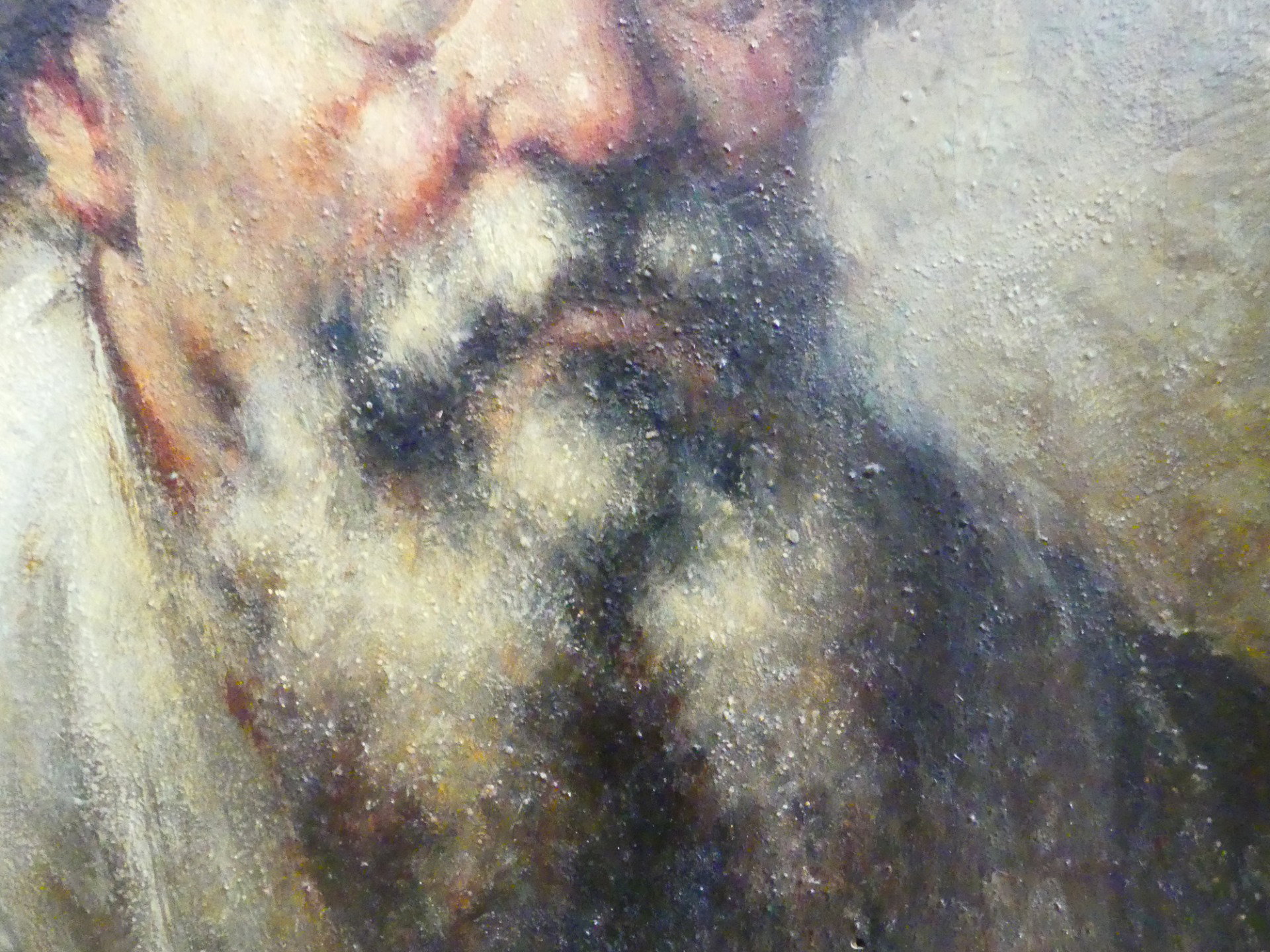
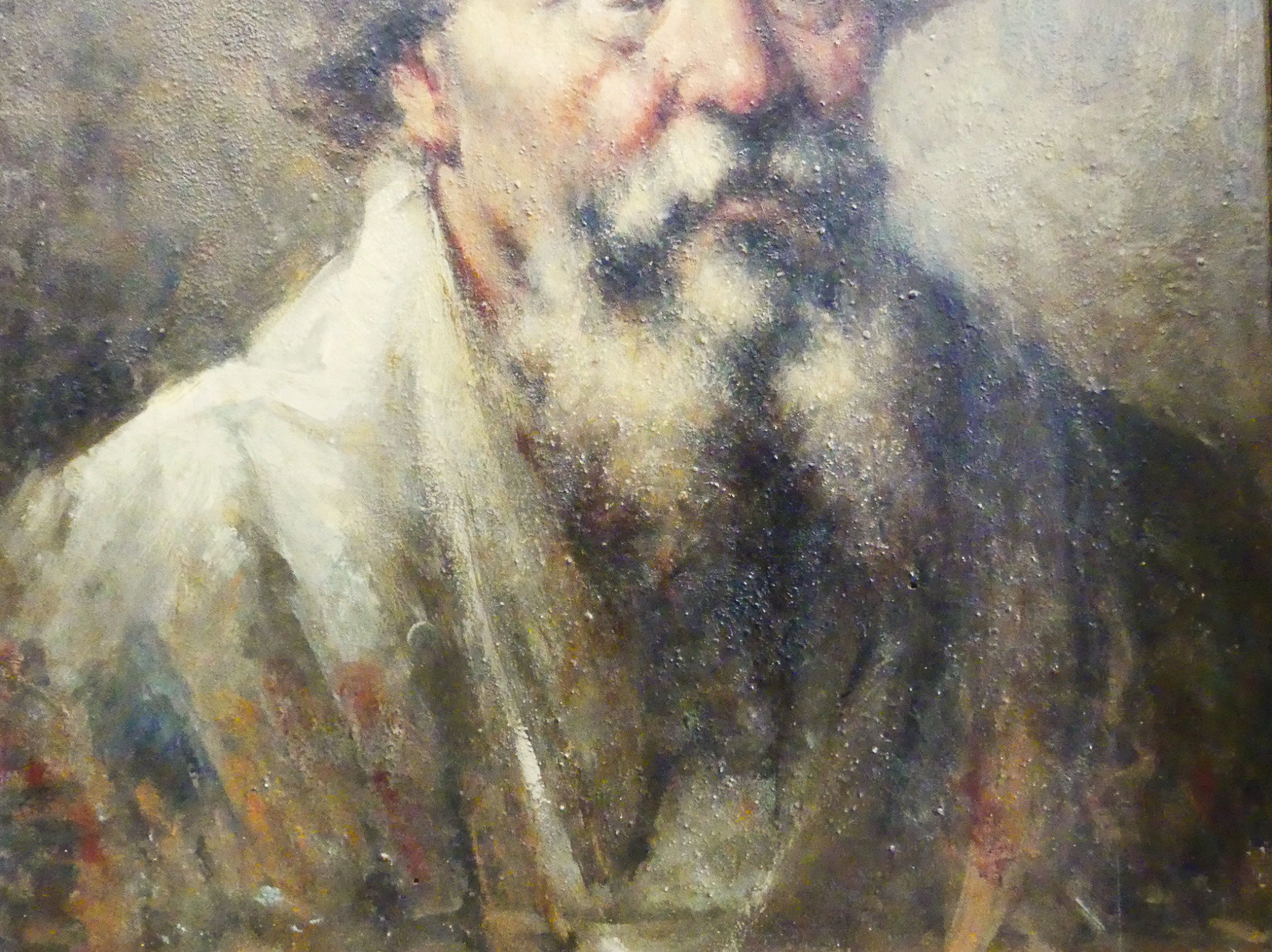
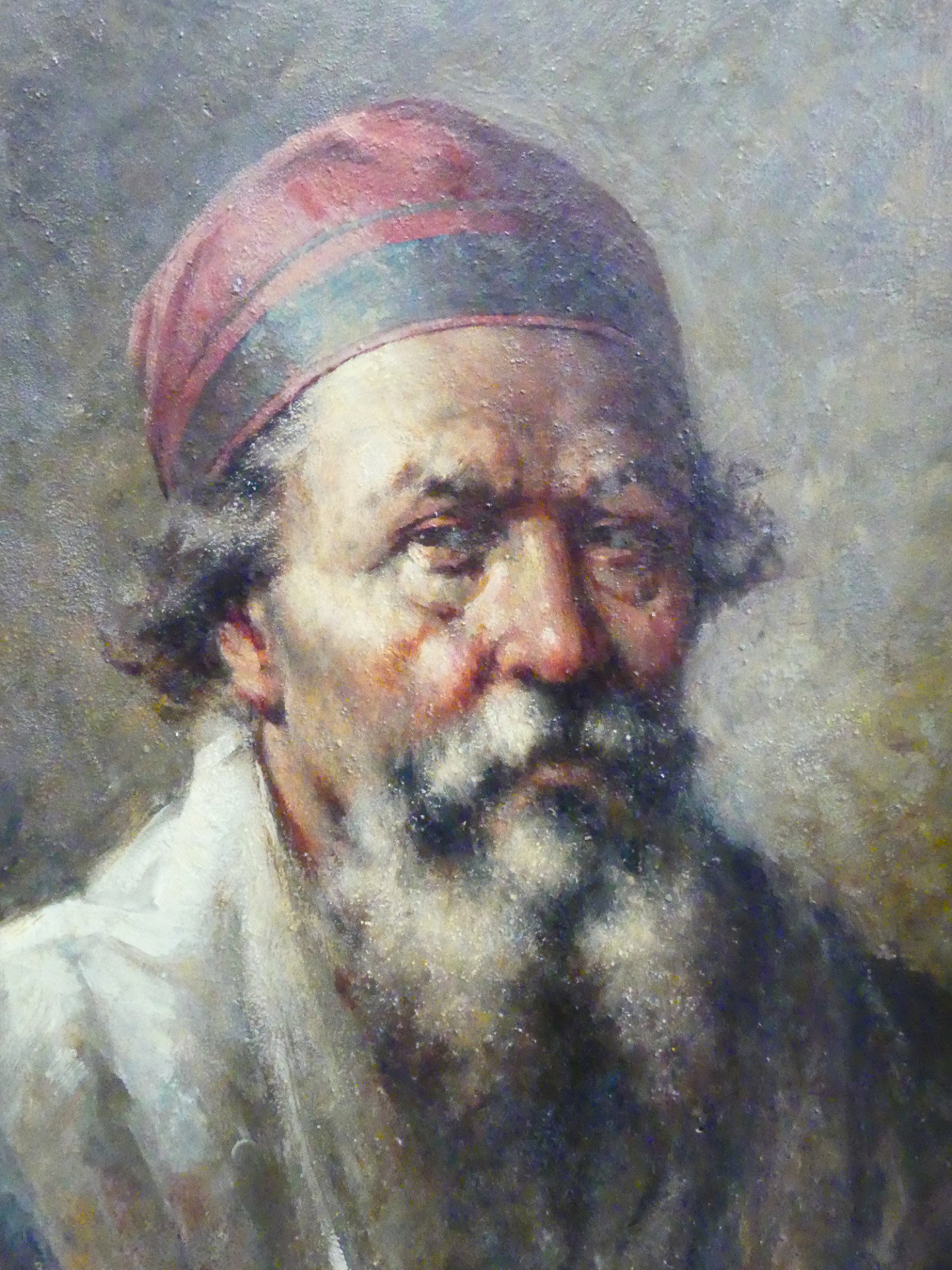
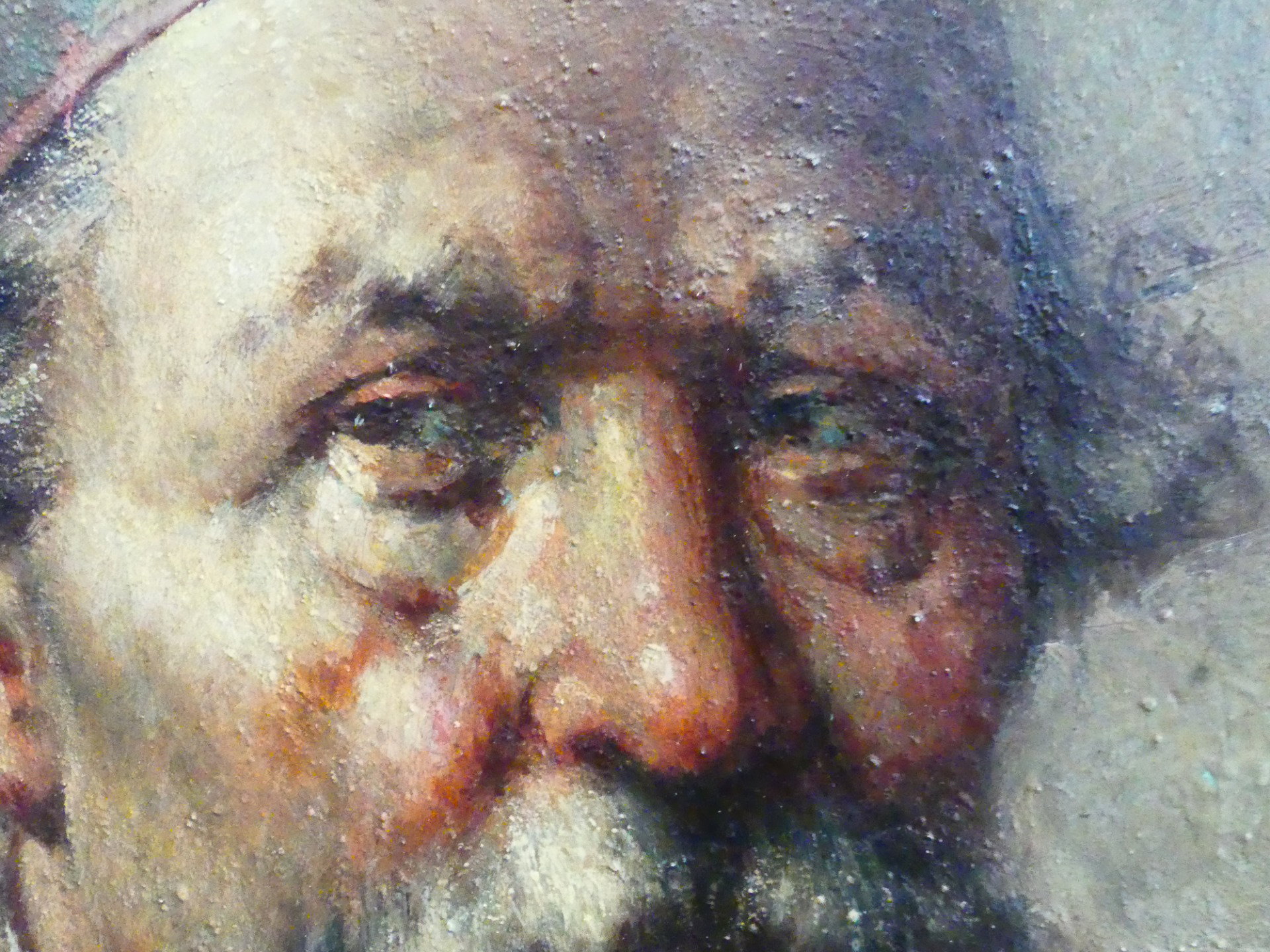
ELDERLY MAN WITH A BEARD AND HEADWEAR
OIL ON BOARD
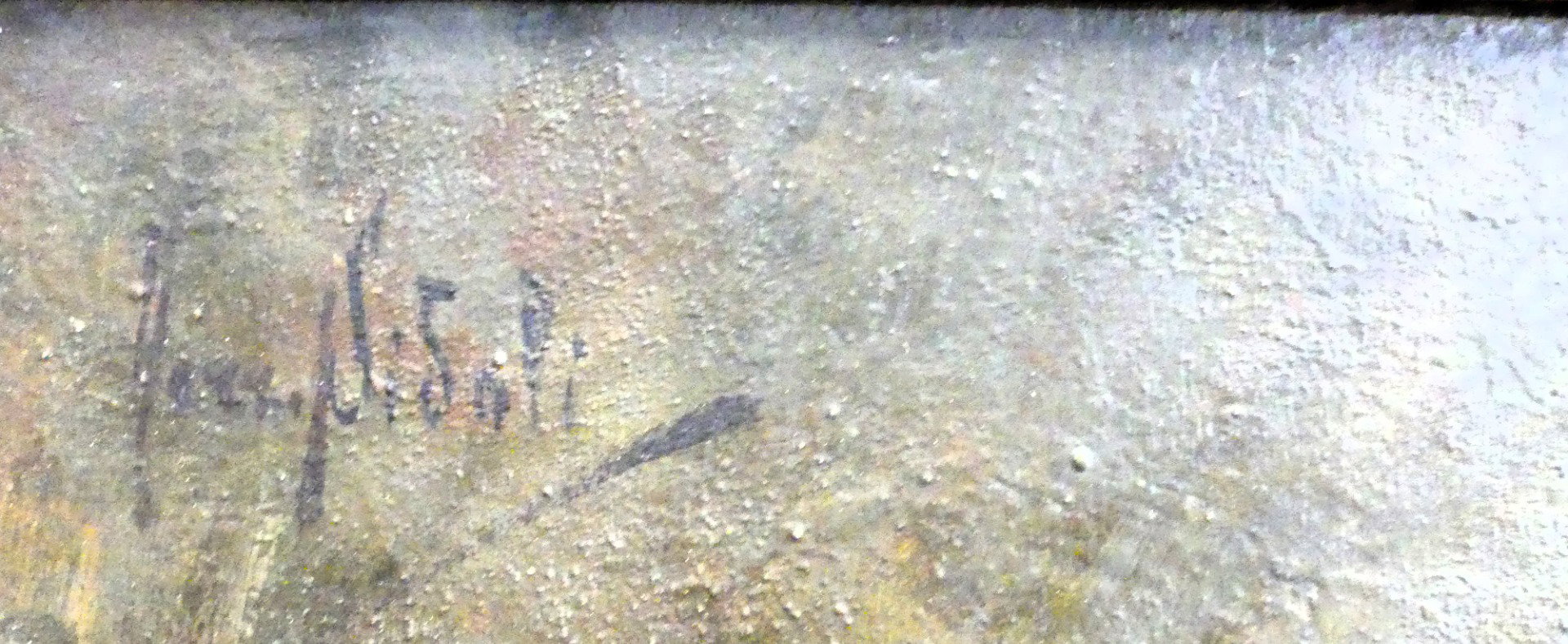
BY MASTER NAZARENO SIDOLI
DATING FROM THE EARLY 20TH CENTURY
H65CM X 50 CM without frame
INFO LUCA 3393797813
FOLLOW US ON OUR WEBSITE "WWW.LAGALLERYA.IT"
UNDER THE HEADING "Fine Rare Art & Prestigious Furnishings"
YOU WILL HAVE ACCESS TO THE COLLECTION OF OUR MOST IMPORTANT WORKS
PUBLISHED SOLELY AND EXCLUSIVELY IN THIS SECTION
LA GALLERYA snc
SALE TO TRADE OPERATORS AND PRIVATE INDIVIDUALS
LARGE SHOWROOM WITH WAREHOUSE 1000 SQM
HIGH ANTIQUES FINE ART, PAINTINGS, SCULPTURES, MARBLES,
AND OBJECTS OF ANCIENT ART
VISIT
ALL OUR OFFERINGS ARE ACCOMPANIED BY A CERTIFICATE OF AUTHENTICITY
WE ALSO RECEIVE BY APPOINTMENT
NEW ARRIVALS WEEKLY
INFO LUCA 3393797813
FOLLOW US ON OUR WEBSITE "WWW.LAGALLERYA.IT"
UNDER THE HEADING "Fine Rare Art & Prestigious Furnishings"
YOU WILL HAVE ACCESS TO THE COLLECTION OF OUR MOST IMPORTANT WORKS
PUBLISHED SOLELY AND EXCLUSIVELY IN THIS SECTION
LA GALLERYA snc
SALE TO TRADE OPERATORS AND PRIVATE INDIVIDUALS
LARGE SHOWROOM WITH WAREHOUSE 1000 SQM
HIGH ANTIQUES FINE ART, PAINTINGS, SCULPTURES, MARBLES,
AND OBJECTS OF ANCIENT ART
VISIT
ALL OUR OFFERINGS ARE ACCOMPANIED BY A CERTIFICATE OF AUTHENTICITY
WE ALSO RECEIVE BY APPOINTMENT
NEW ARRIVALS WEEKLY
Nazzareno Sidoli (Rossoreggio, July 19, 1879 – Piacenza, January 21, 1969) was an Italian painter active in the first half of the 20th century.
During his stays in Paris, he sometimes used the surname Sidoly and also, for works that did not satisfy him, the pseudonym Bedoni.
Biography
Nazzareno Sidoli was born in Rossoreggio, in the medieval tower that belonged to the Nicelli family, near Bettola, a town in the Apennines in the province of Piacenza, on July 19, 1879, to Luigi and Elisabetta Repetti, the second of three brothers. After attending primary school at the Collegio San Vincenzo in Piacenza, and having shown a strong predilection for drawing, in 1894 he enrolled at the Gazzola Institute of Art, where his teachers were first the elderly Bernardino Pollinari and then Stefano Bruzzi. Subsequently, he attended the Academies of Milan and Parma, and here in 1900 a painting of his was admitted to the Triennale; then the following year he began to exhibit in Piacenza with good success.
In 1905 he painted a pastel portrait of Buffalo Bill when he visited Piacenza with his Circus, and in 1908 an oil portrait of Giosuè Carducci. Also in this year, the nobleman Giuseppe Ricci Oddi purchased two of his paintings, "Standing Musketeer" and "Wounded Musketeer," for his art gallery, which he would later donate to the city.
He soon became interested in other forms of art as well, so in 1908 he designed the medal that, when cast in gold, was presented to King Vittorio Emanuele III on the occasion of the inauguration of the road bridge over the Po River. It, in pure Art Nouveau style, depicts two young women representing the Lombard and Emilian banks embracing, enveloped by a veil reminiscent of the river's waves; on the reverse are the coats of arms of the House of Savoy and Piacenza. This is an example of his experience with the Art Nouveau and Art Nouveau taste, which would be particularly evident during his two long stays in Paris, before and after World War I, hosted by his elder brother Pacifico, who was already living there and had achieved critical and market success. These are works full of "verve," of Mediterranean "joie de vivre," which is especially manifested when he created many covers for the magazine "Nos Loisir" and other publications. Here in Paris, he also exhibited some of his works at the Salons and was able to deepen his knowledge of the 17th-century Dutch miniaturist technique and the works of Ernest Meissonier, which he would often reference in his paintings.
This taste for life thattranspires from his French works attenuates and fades upon his return to Piacenza in 1920, where he made a fleeting foray into Symbolism with some small paintings, including "The Creation of the Universe" and "The Creation of Man," characterized by great compositional and chromatic freedom. He obtained numerous religious commissions: for the church of San Polo, for the Collegio Alberoni, to fresco (along with his brother Giuseppe) the newly completed (1936) church of Corpus Domini.
He showed greater inspiration in secular representations. Many of his works are in Piacenza: the large fresco "Triumph of Youth" in the hall of the Giacometti palace (the place where he himself had lived before moving in 1931 to the premises of the recently inaugurated Ricci Oddi Gallery, of which his brother Giuseppe had been appointed director), "The Four Seasons" in the Arata home, "Flight of Angels" in the Pizzigoni home, "Spring" in the Chiapponi home. His portraits are also found in the palace of the Counts Messina in Valletta, Malta, at the Guarini counts in Naples, the Colleoni counts in Bergamo, and the Naval Academy in Livorno. He painted Count Varolan in Paris, Count Sforza, and Duke Gallarati Scotti.
He is also appreciated for his portraits and genre paintings, which the bourgeoisie commissioned in large numbers, and where his pictorial attention to detail, almost like a miniaturist, reminiscent of Meissonier, whom he had admired in Paris, is evident. In 1926, the nobleman Ricci Oddi purchased "Seated Musketeer" for his Gallery, and at the same time, the artist donated a "Head of an Old Fisherman" to him, which also became part of the Gallery.
In 1933, at their invitation, he held a solo exhibition in Bologna in the Hall of the Municipality, and on that occasion, the painting "Musketeer in Pose" was purchased by the Modern Art Gallery of that city. Other paintings of his are in the Museums of Strasbourg and Biarritz. His "Peasant under a Portico" was donated in 1952 by the Municipality of Piacenza to the Confederation of former Prisoners of War for their Paris headquarters.
Peasant with accordion
Noteworthy is the posthumous portrait (one of the few) of the nobleman Giuseppe Ricci Oddi, full-figure, from 1947. Portraits, altarpieces, peasant genre scenes with a peasant eating a watermelon or playing the accordion while a mischievous goose pecks at the hem of his trousers, landscapes with views of Piacenza (S. Agostino, Palazzo Scotti, the Po, Porta Borghetto) or views of the valleys of the province (Morfasso, Roccapulzana, Monte Menegosa, S. Andrea Bagni) are some of the subjects of his works. He also produced etchings and lithographs but soon abandoned this technique because he was intolerant of the odors of acids.
He was a cultured man in the broadest sense of the term, having studied classical literature before attending Gazzola, he read Greek and Latin. He played piano and guitar for pleasure, and in his youth, under the pseudonym Giosuè Cardocci or L'asino di Arenzo (an anagram of his name), he had published writings and poems. He never married and died on January 21, 1969, as a consequence of an accidental fall, in his home in Piacenza at corso Vittorio Emanuele 165, attended by his brother Giuseppe and his nephews.