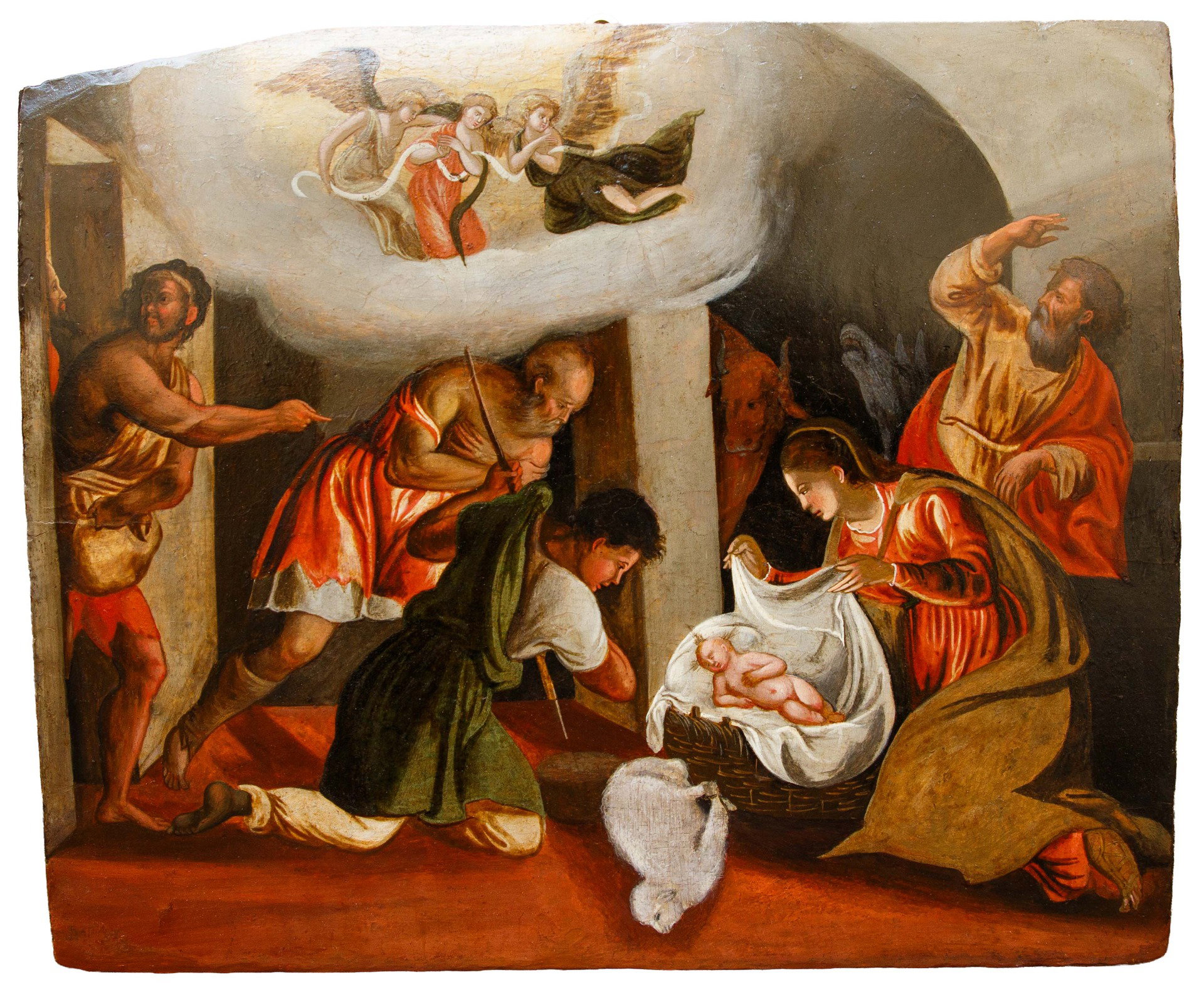
Venetian-Cretan School of the 17th century, Adoration of the Shepherds
Description:
Venetian-Cretan School of the 17th century
Adoration of the Shepherds
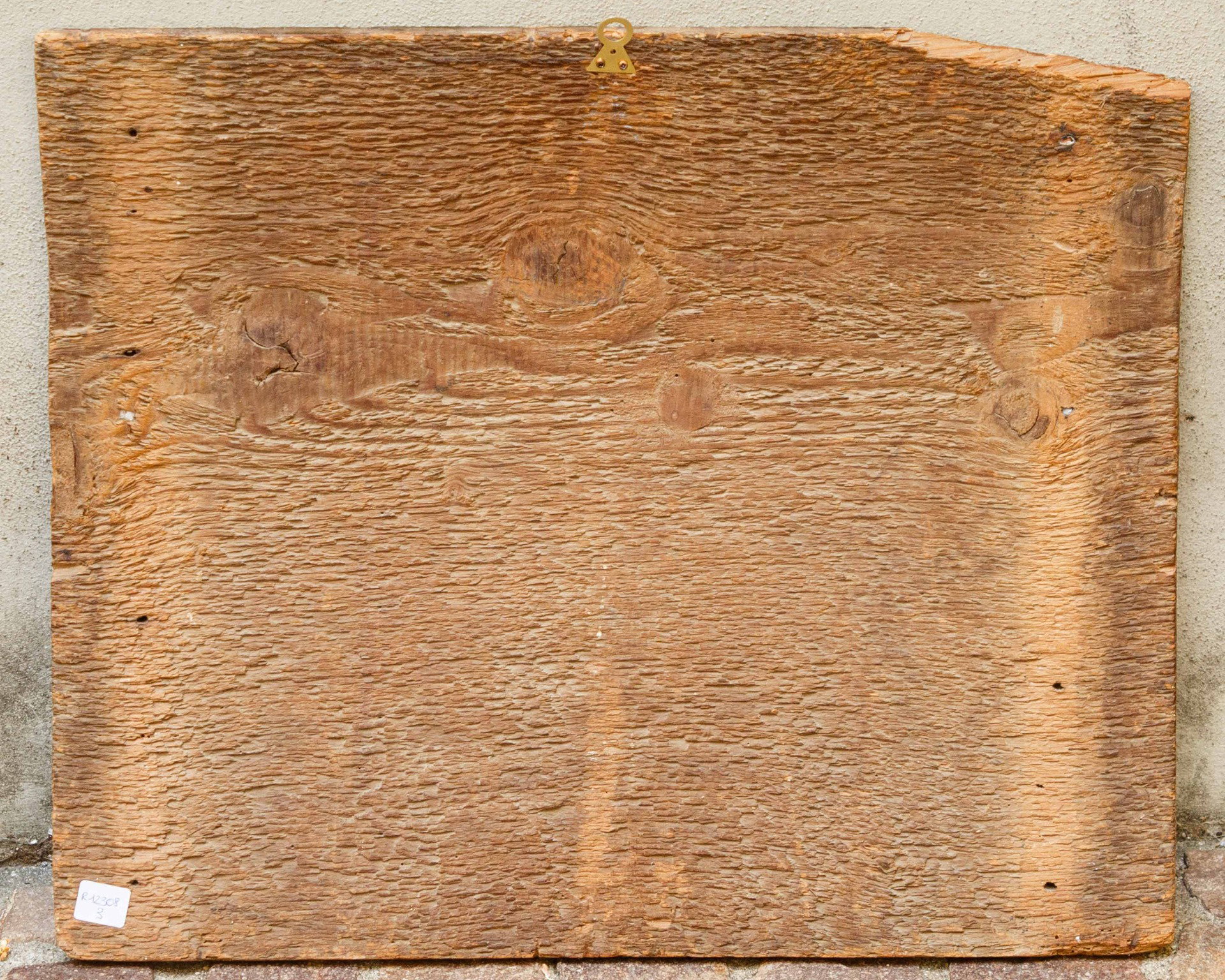
Oil on panel, 42 x 51 cm
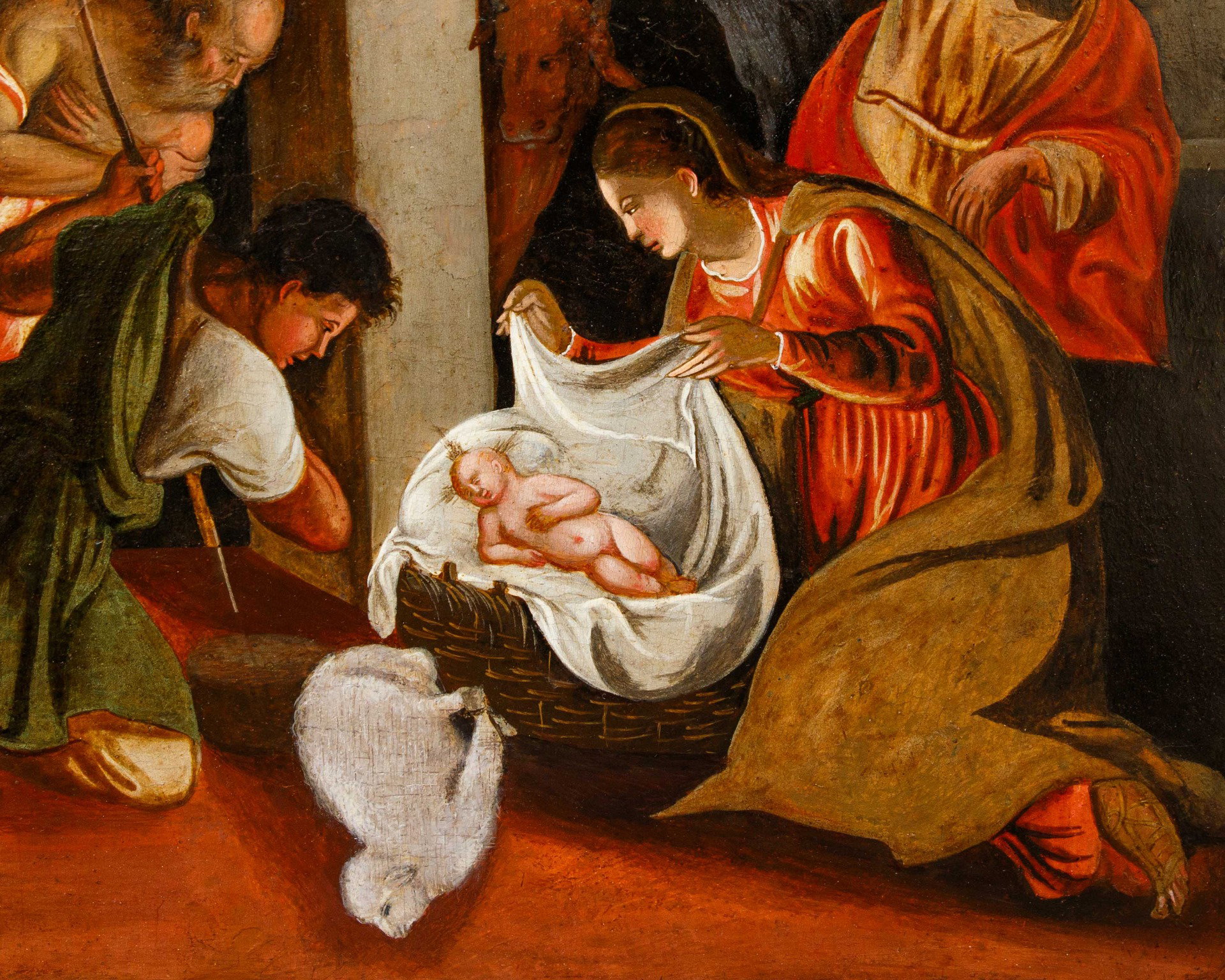
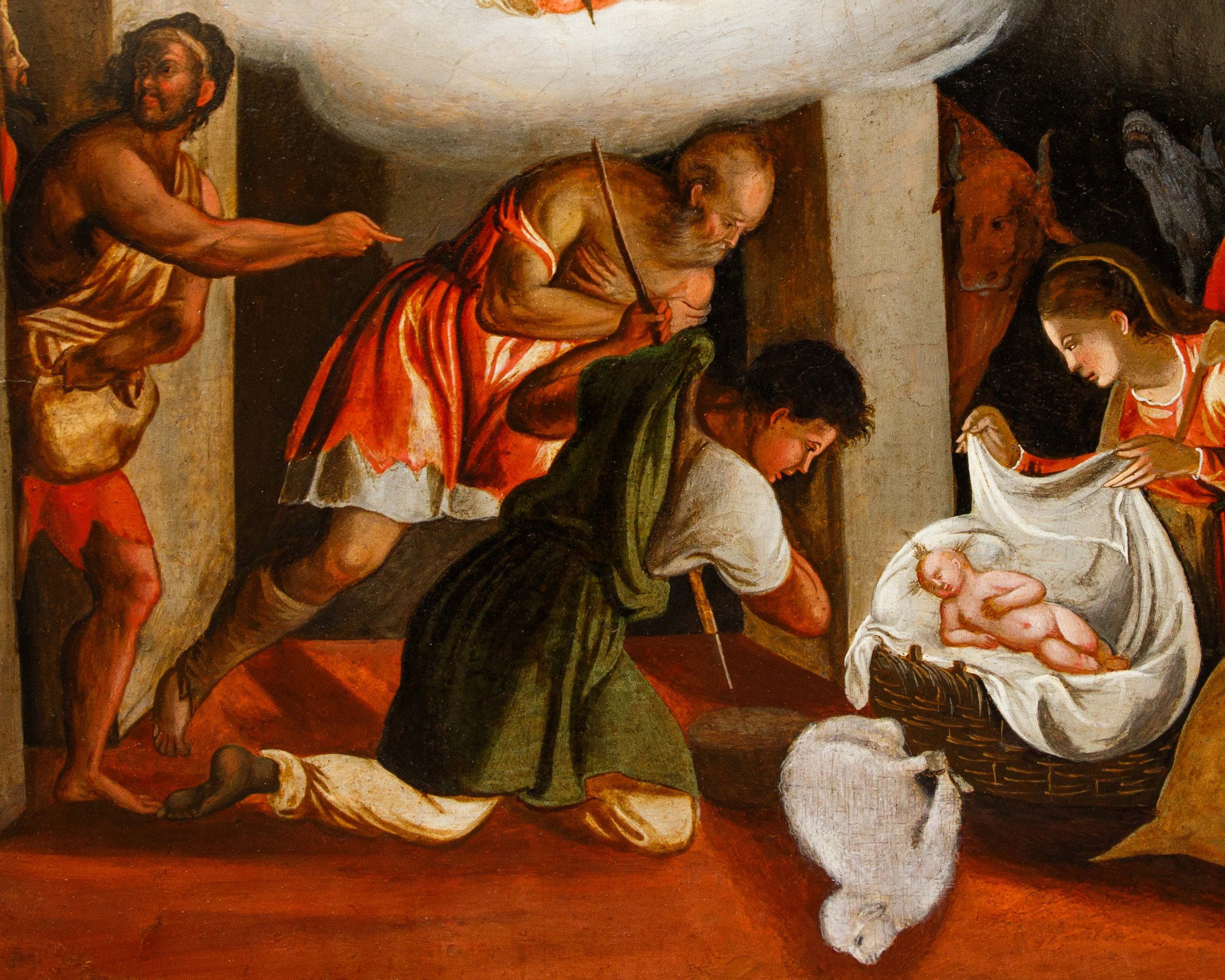
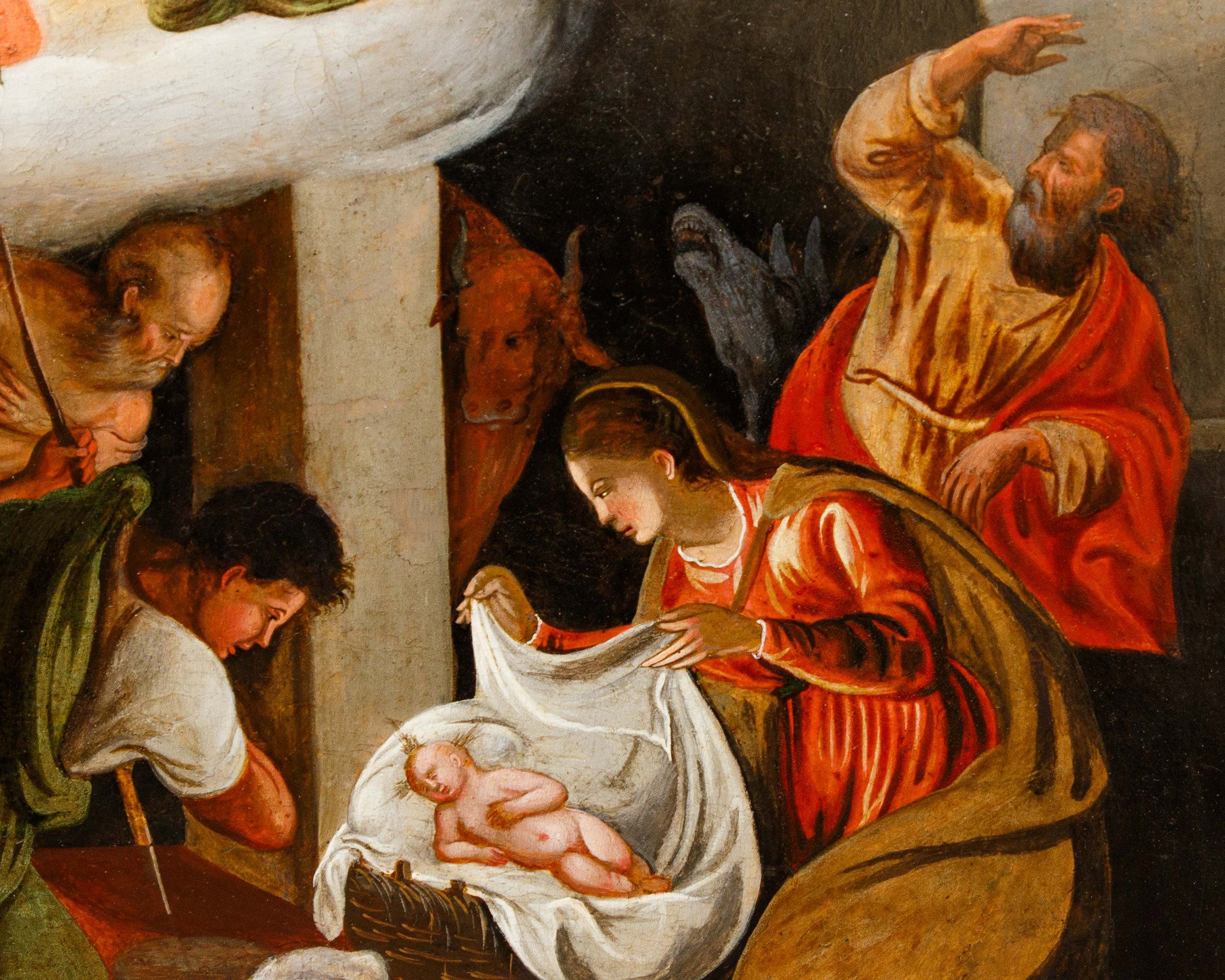
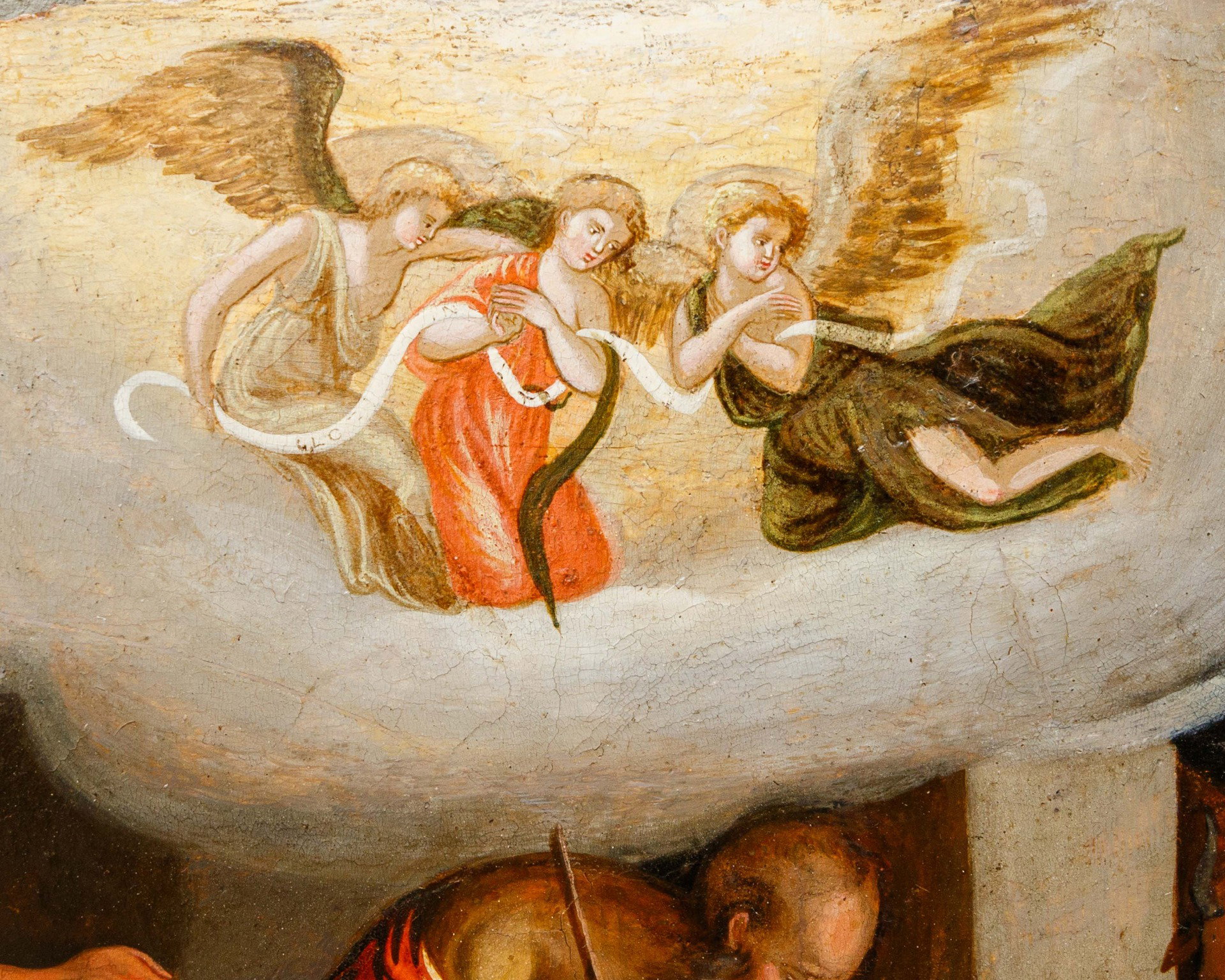
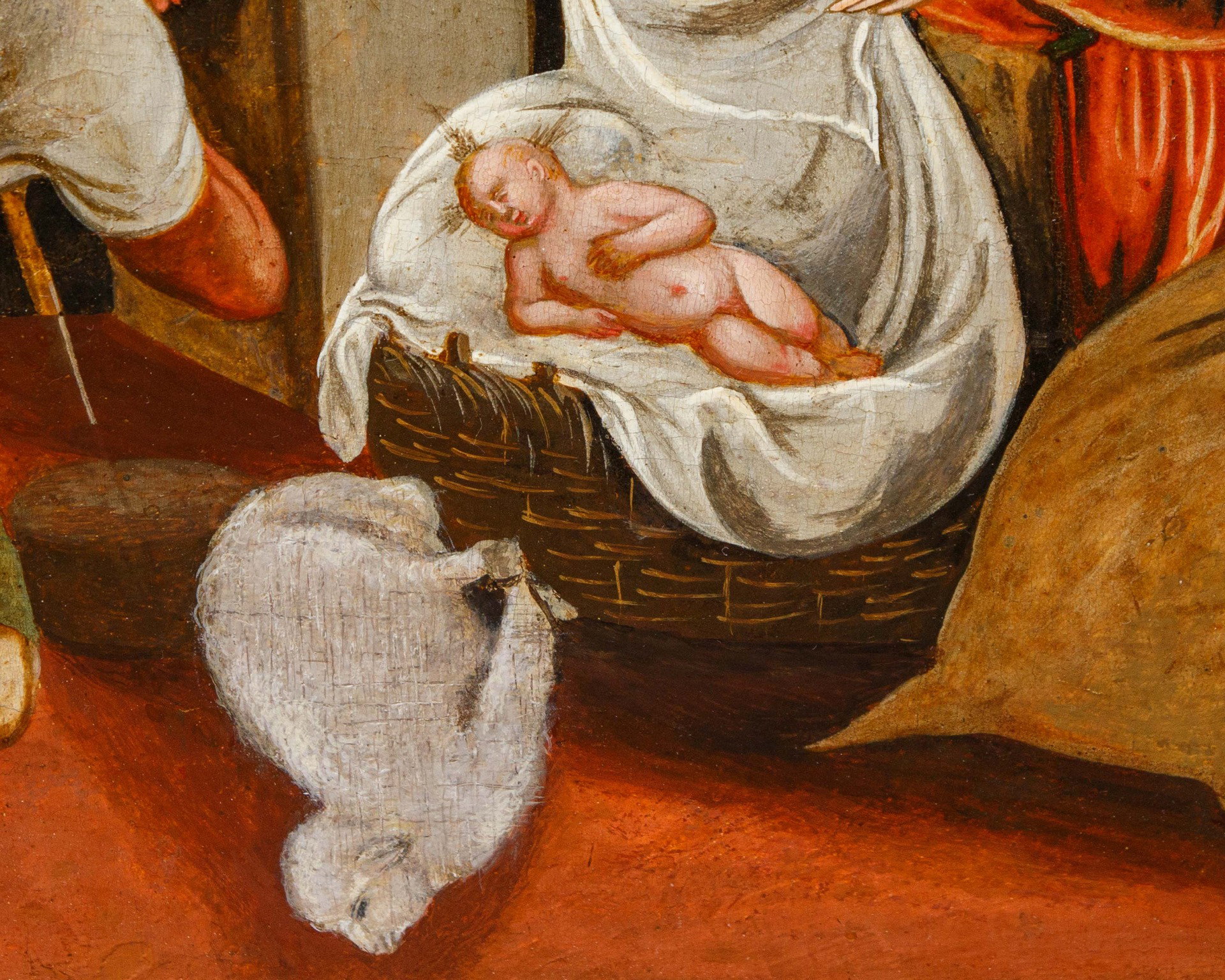
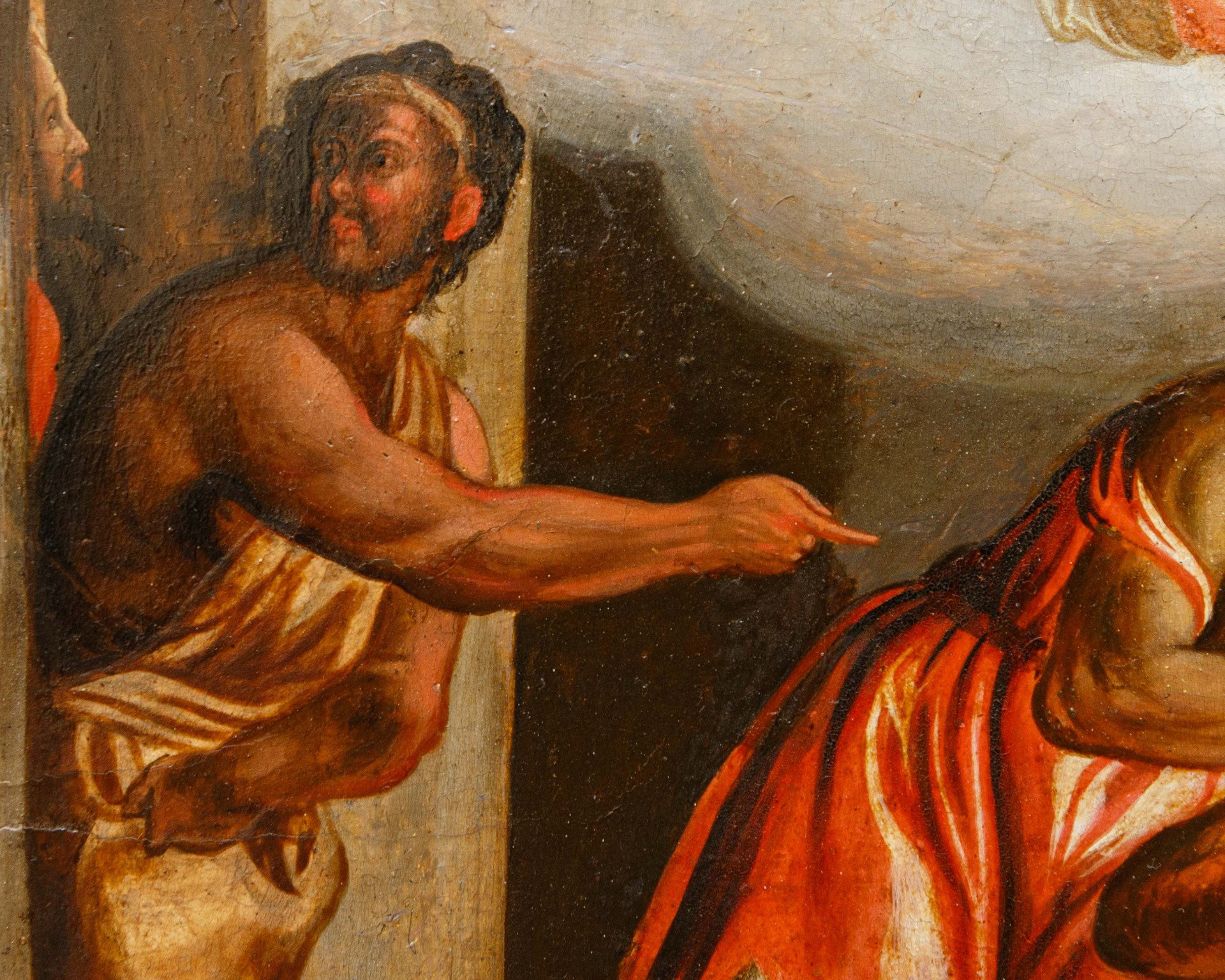
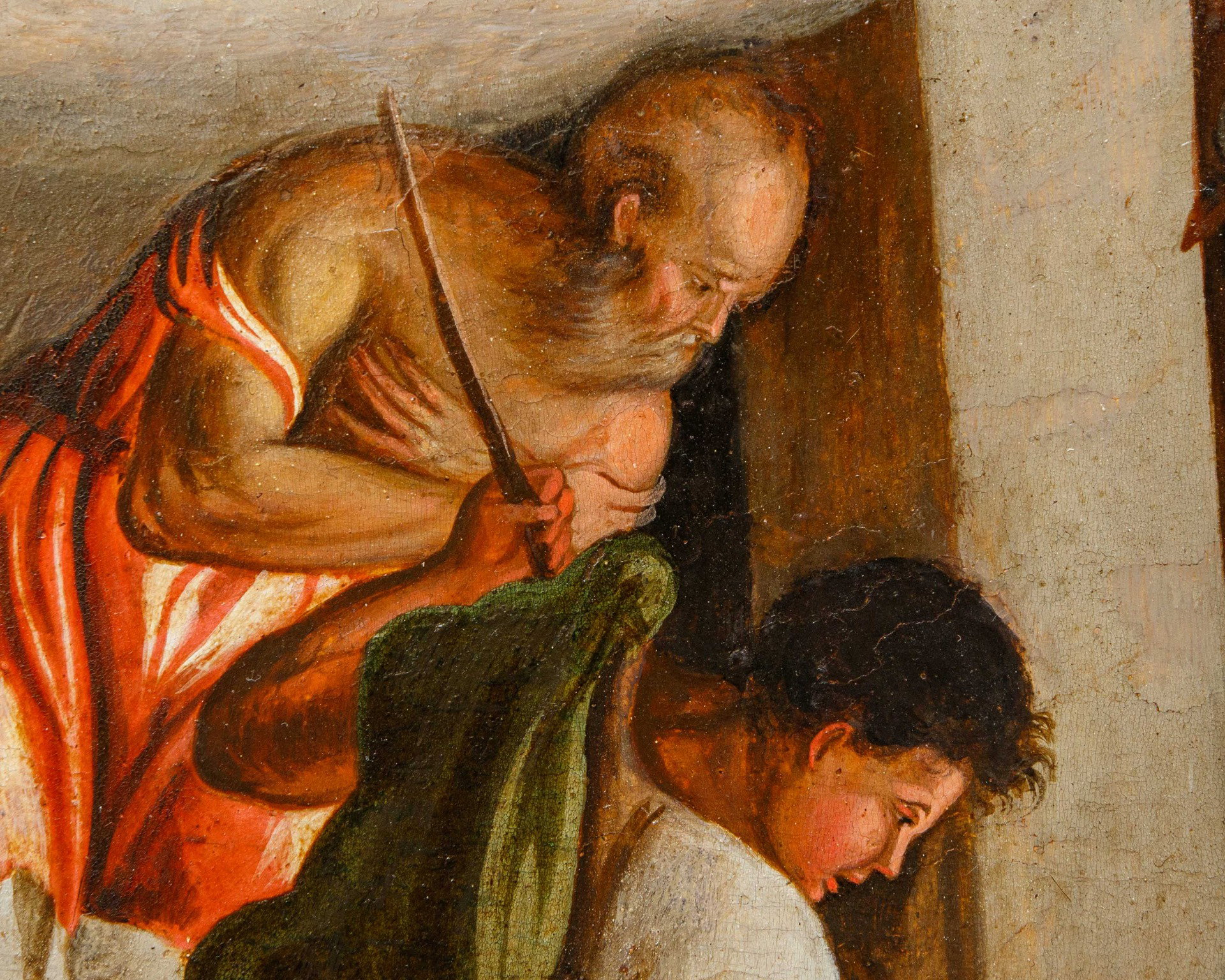
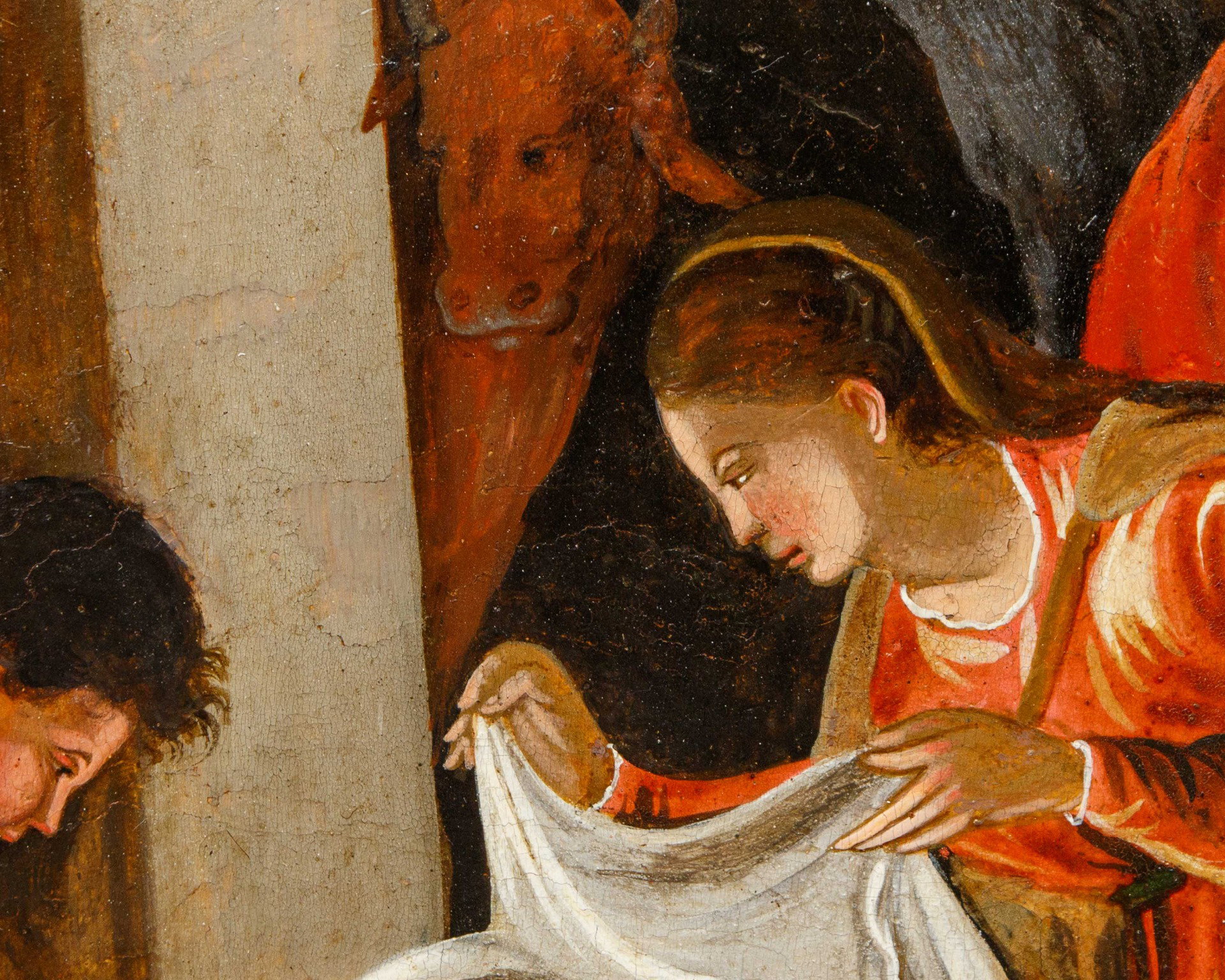
The painting depicts the Adoration of the Shepherds in a dense and complex composition, dominated by a warm color palette ranging from bright reds to deep greens, from earthy browns to the luminous whites of the drapery. At the center of the scene, the Virgin Mary, dressed in red and an ochre mantle, bends tenderly over the Child, resting in a woven basket and swaddled in pure white cloths. Around him, the shepherds approach in attitudes of wonder and devotion: some kneeling, others leaning forward with intense expressions and powerful bodies. Above, two angels glide among luminous clouds holding a scroll, in a typical iconographic solution. The light filters selectively, creating strong chiaroscuro contrasts that enhance the Nativity.
The work is part of the flourishing tradition of the Venetian-Cretan school of the 17th century, a unique cultural phenomenon born from the encounter between Byzantine painting and the Venetian Renaissance. Crete, under the rule of the Serenissima since 1204, became an artistic melting pot where painters of Greek Orthodox training progressively assimilated Western figurative language, while maintaining the hieratic imprint and compositional solidity of the Byzantine heritage. The result was a hybrid style of great fascination, characterized by monumental figures, vibrant colors, and particular attention to naturalistic detail that coexisted with compositional schemes of traditional origin. Throughout the 17th century, many Cretan artists worked between the island, Venice, and Greek communities on the mainland, contributing to the spread of this syncretic language throughout the Eastern Mediterranean.