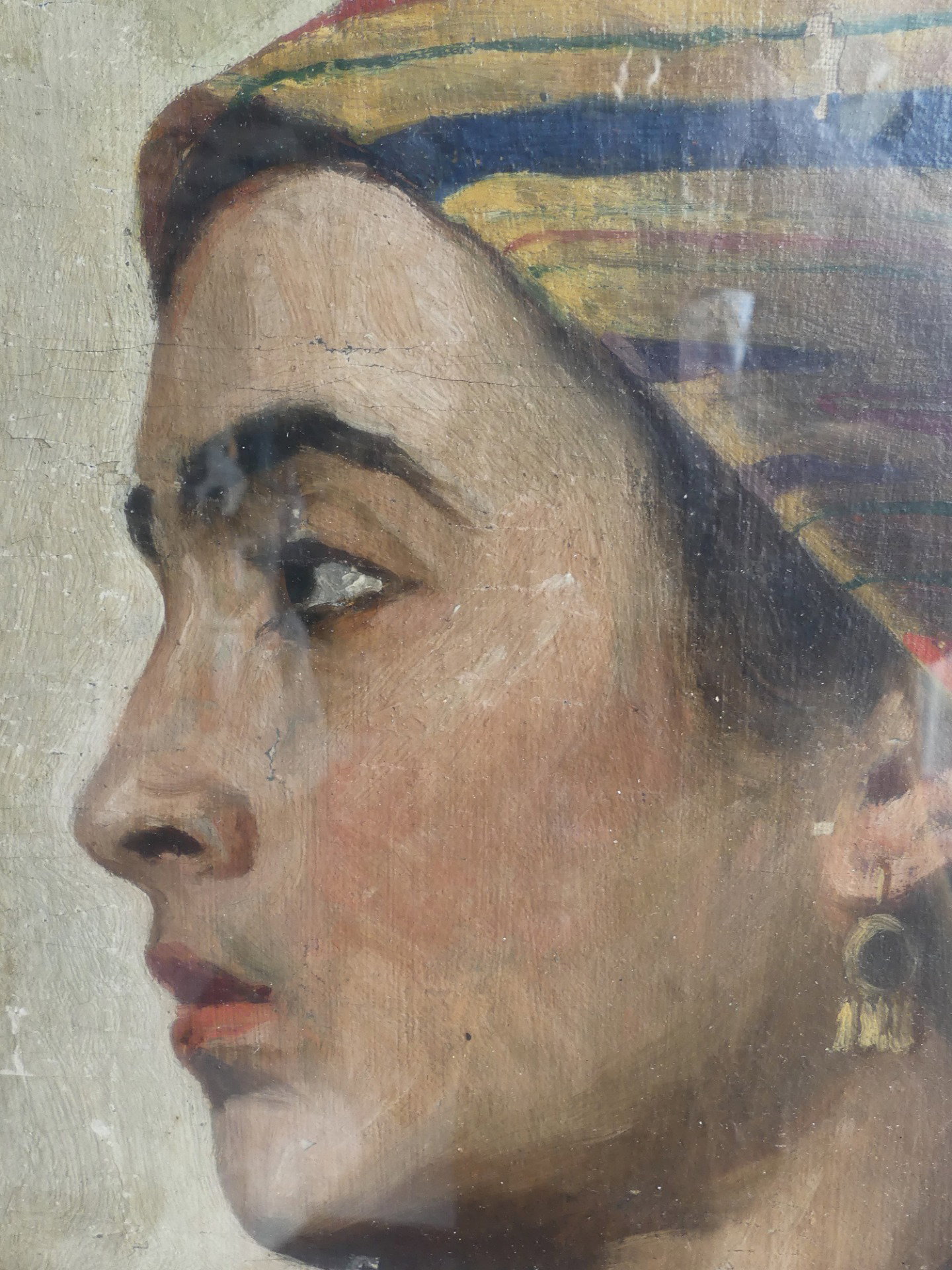
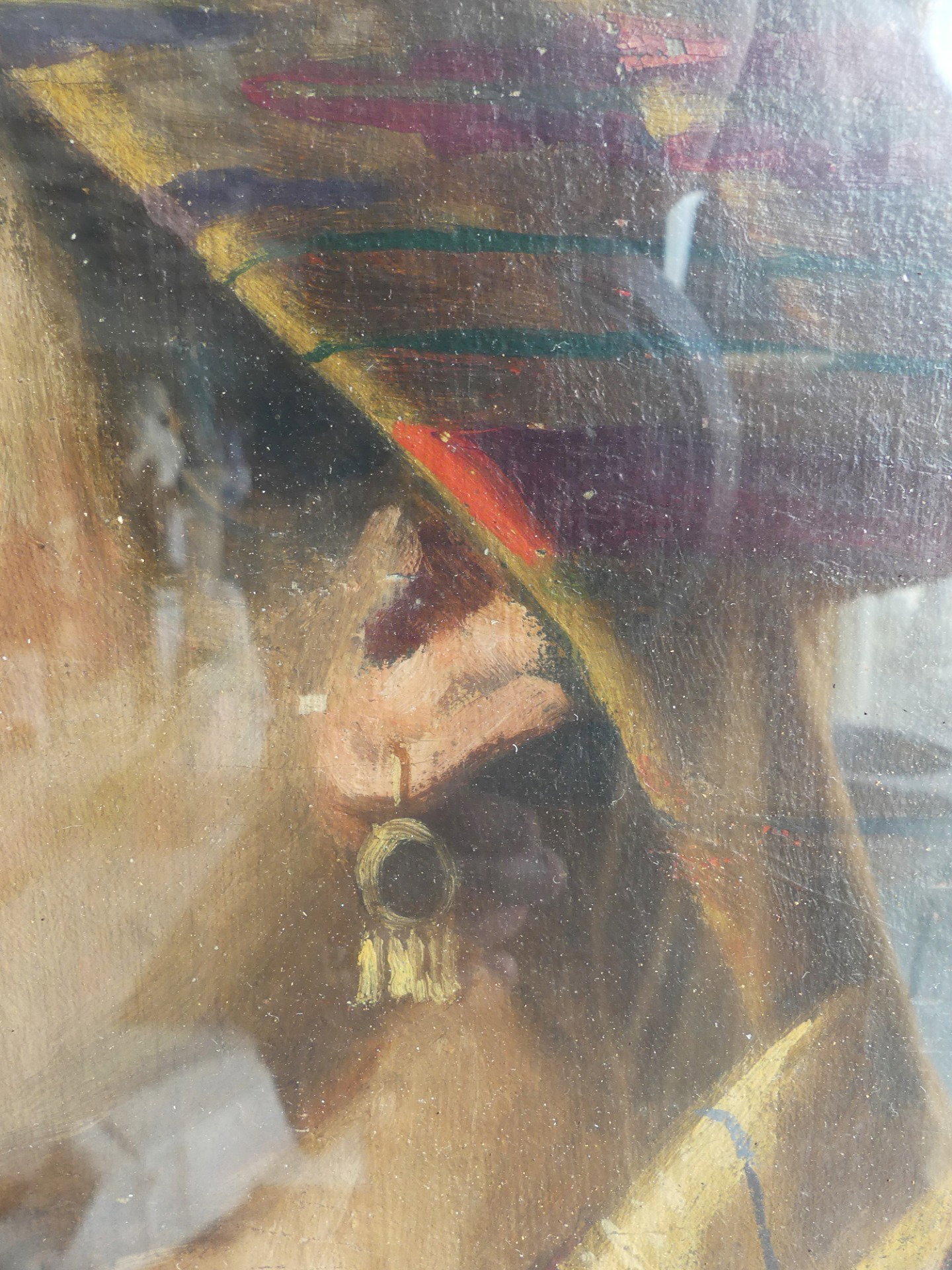
THE GALLERY PRESENTS
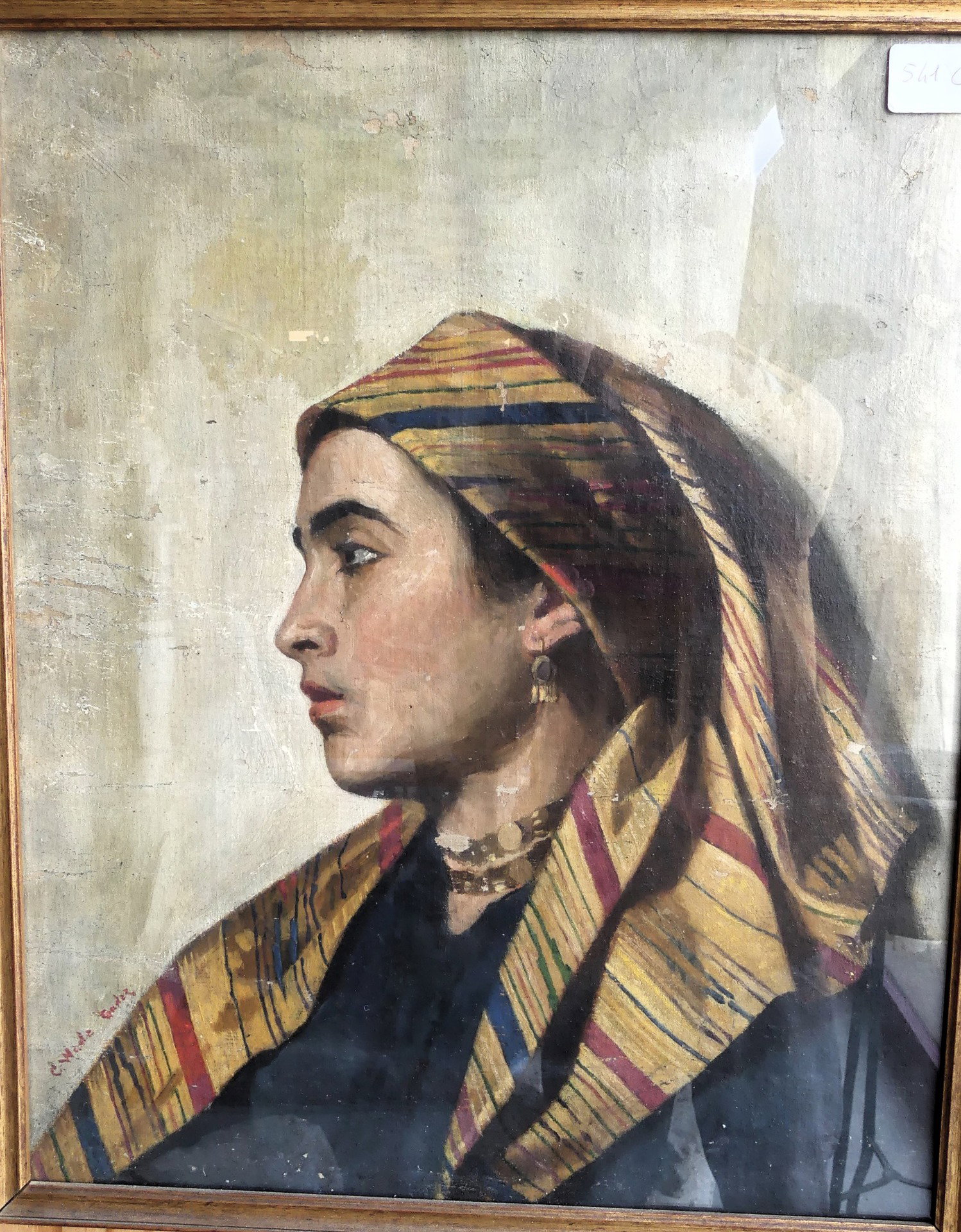
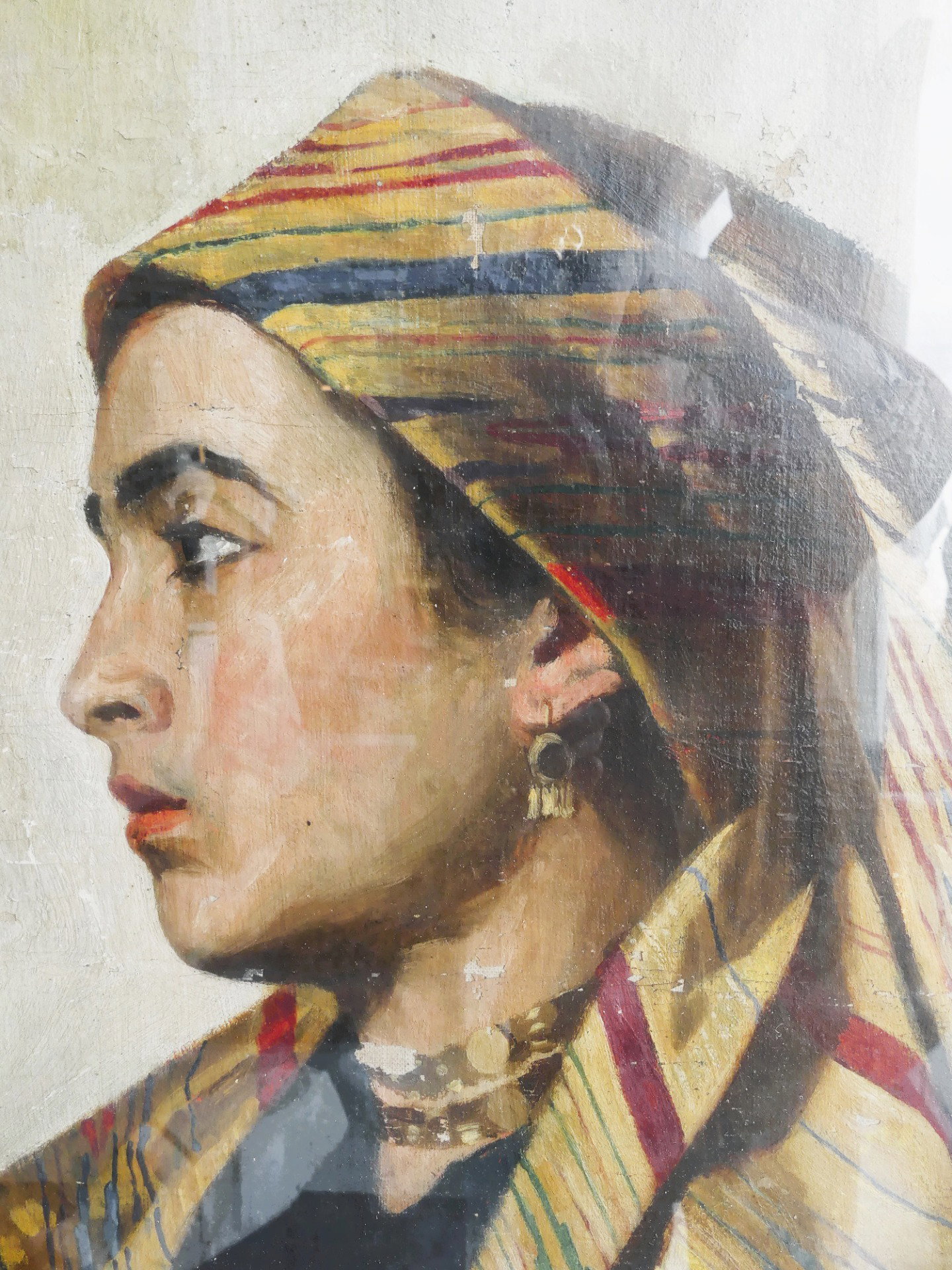
PORTRAIT OF AN ANDALUSIAN WOMAN (CADIZ)
BY THE ENGLISH MASTER OF AFRO-CARIBBEAN ORIGIN
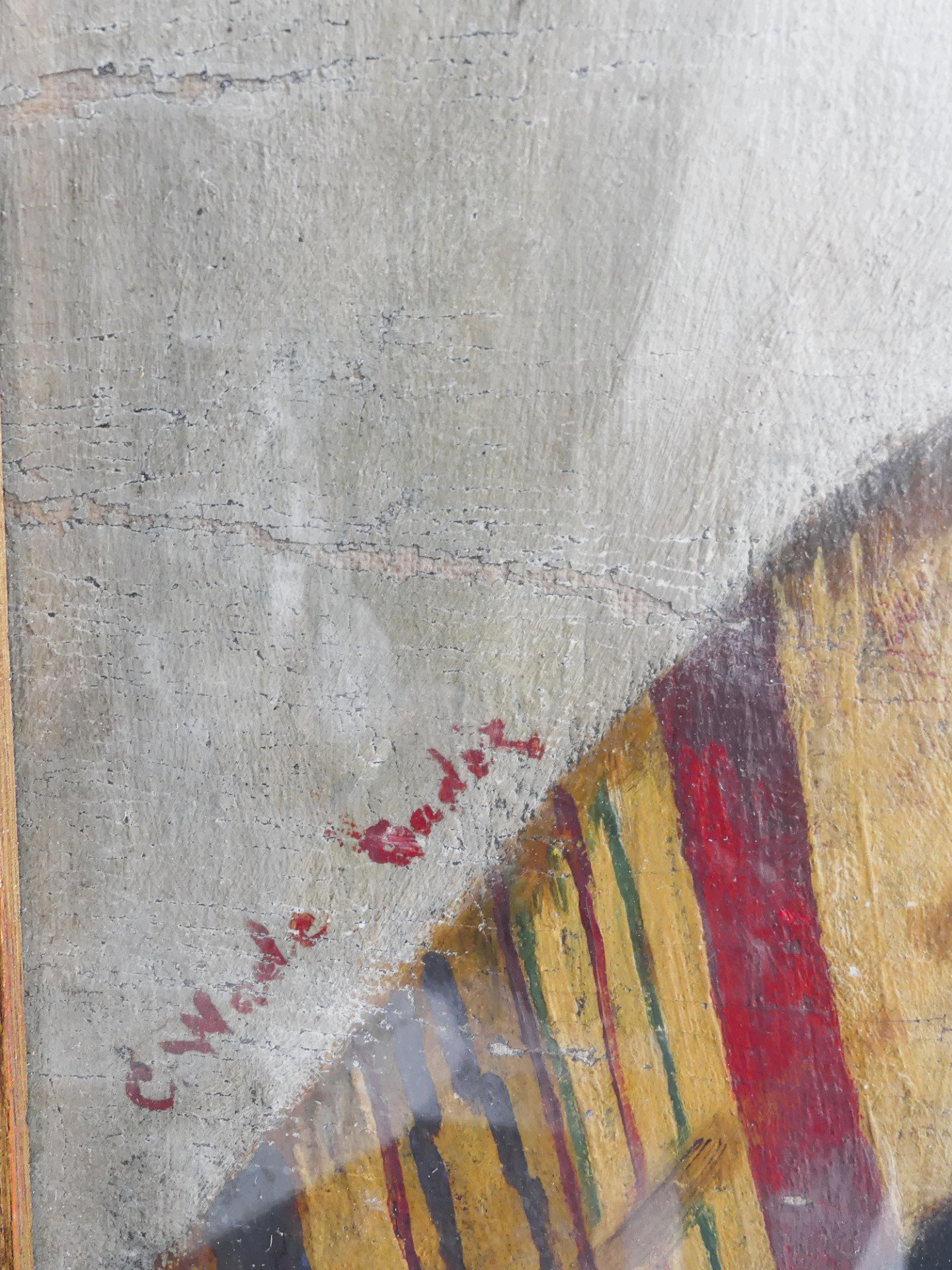
CHARLES PAGET WADE
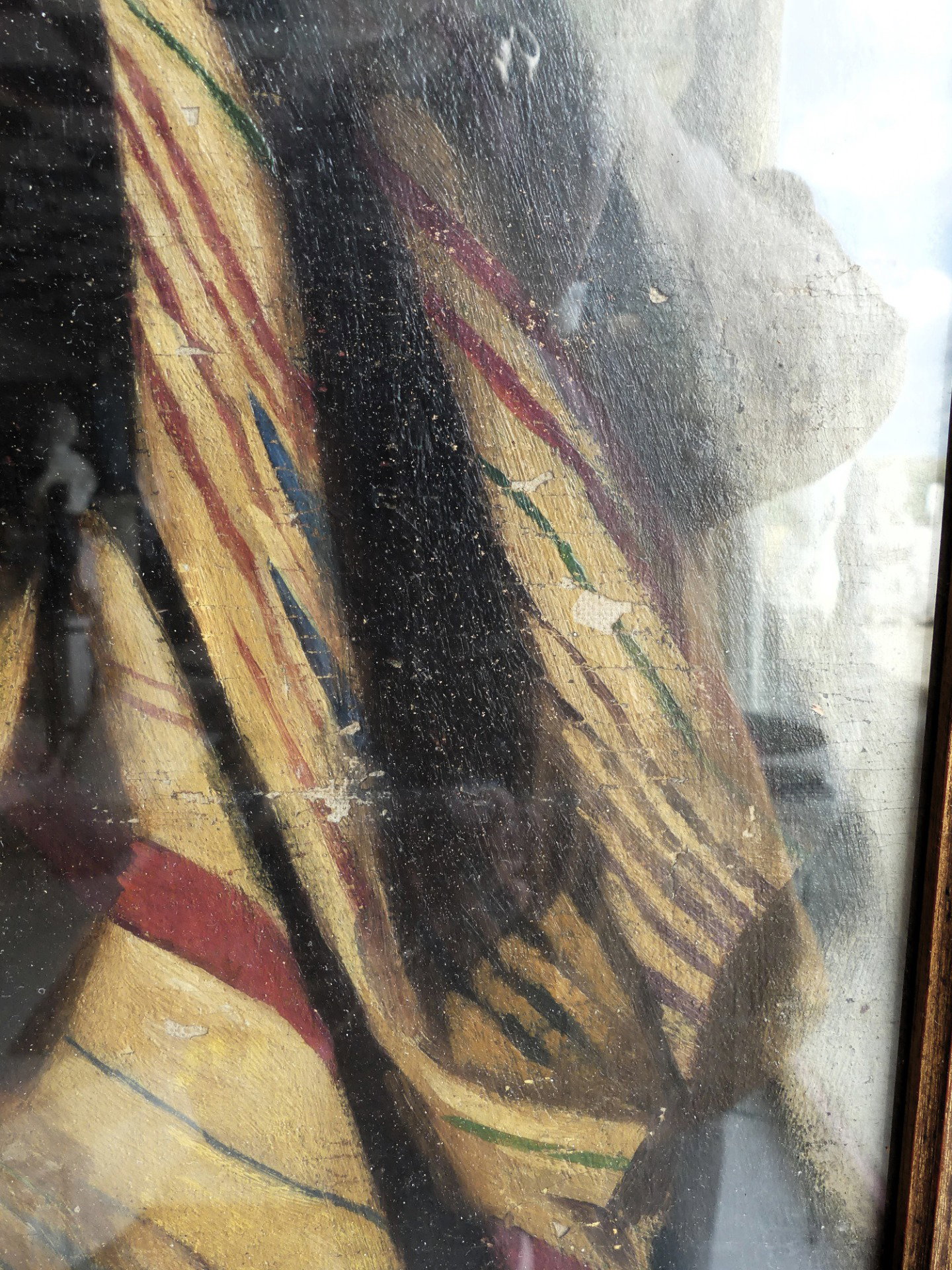
OIL ON CANVAS
H 55CM X W 45 CM
Charles Paget Wade (1883 – June 28, 1956) was an English architect, artist-craftsman, and poet of Afro-Caribbean descent;[1] he is perhaps best remembered today for the eclectic collection he amassed during his lifetime, a collection that can be seen at Snowshill Manor, his former home in the village of Snowshill, Gloucestershire, which he donated to the National Trust in 1951.
Wade was the son of Paget Augustus and Amy Wade,[2] who owned several sugar plantations in the West Indies.[3] Wade’s paternal grandmother, Mary Jones, was a woman of colour whom his grandfather married in 1885 in St. Kitts before moving the family to England in 1879. Their children and grandchildren, including Charles, were among the largest black landowners in St. Kitts.[1]
When Wade’s father died in 1911, Wade inherited a share of the family sugar business, thus becoming wealthy and independent.[4]
Wade married in 1946. His bride, Mary McEwan Gore Graham, worked in the nearby village of Broadway during the Second World War when she first visited Snowshill Manor in 1945. After their marriage, they spent increasing amounts of time at their home in the West Indies.
As a boy, Wade wanted to become an architect. After qualifying as an Associate of the Royal Institute of British Architects in 1907, he went on to work for Raymond Unwin, one of the founders of the architectural firm Parker and Unwin, major proponents of the Arts and Crafts movement. Among the design projects he worked on while at Unwin and Parker’s practice was the visionary planned community in North London, the Hampstead Garden Suburb.[4] Wade later turned to one of his colleagues at Unwin and Parker, M H Baillie Scott, for help in designing the gardens at Snowshill Manor.[5]
In 1919, having served in France during the First World War, Wade bought the Snowshill estate, which he restored – first the manor house, then the gardens – over the next four years. Having begun collecting at the age of seven, Wade eventually amassed a collection of over 22,000 objects comprising furniture, costumes, paintings, and many other pieces that reflected his interest in colour, design, and good craftsmanship. He housed the collection in the Snowshill manor house, choosing to live in a small cottage in the garden. He continued to add to his collection over the years.[5] Items he collected included musical instruments, clocks, bicycles, and 26 sets of samurai armour.[4]
During his lifetime, Wade gained some fame for creating an 18th-century miniature Cornish fishing village, which he named Wolf’s Cove. Wade made the houses, harbour, fishing boats, and tackle, and the inhabitants, on a 1:10 to 1:12 scale, using wood, straw, plaster, fabrics, and other materials. Over time, he expanded Wolf’s Cove to such an extent that it attracted hundreds of visitors a year, including Virginia Woolf, Queen Mary, and the poet John Betjeman.[4]
Wade donated the estate to the National Trust in 1951. He died in 1956 while visiting England and was buried in the village churchyard alongside other members of his family.[5] In addition to the numerous drawings and paintings he produced for his own interest, Wade also illustrated Mary Stratton’s guidebook Bruges[6] (1914) and Kate Murray’s The Spirit of the House (1915).