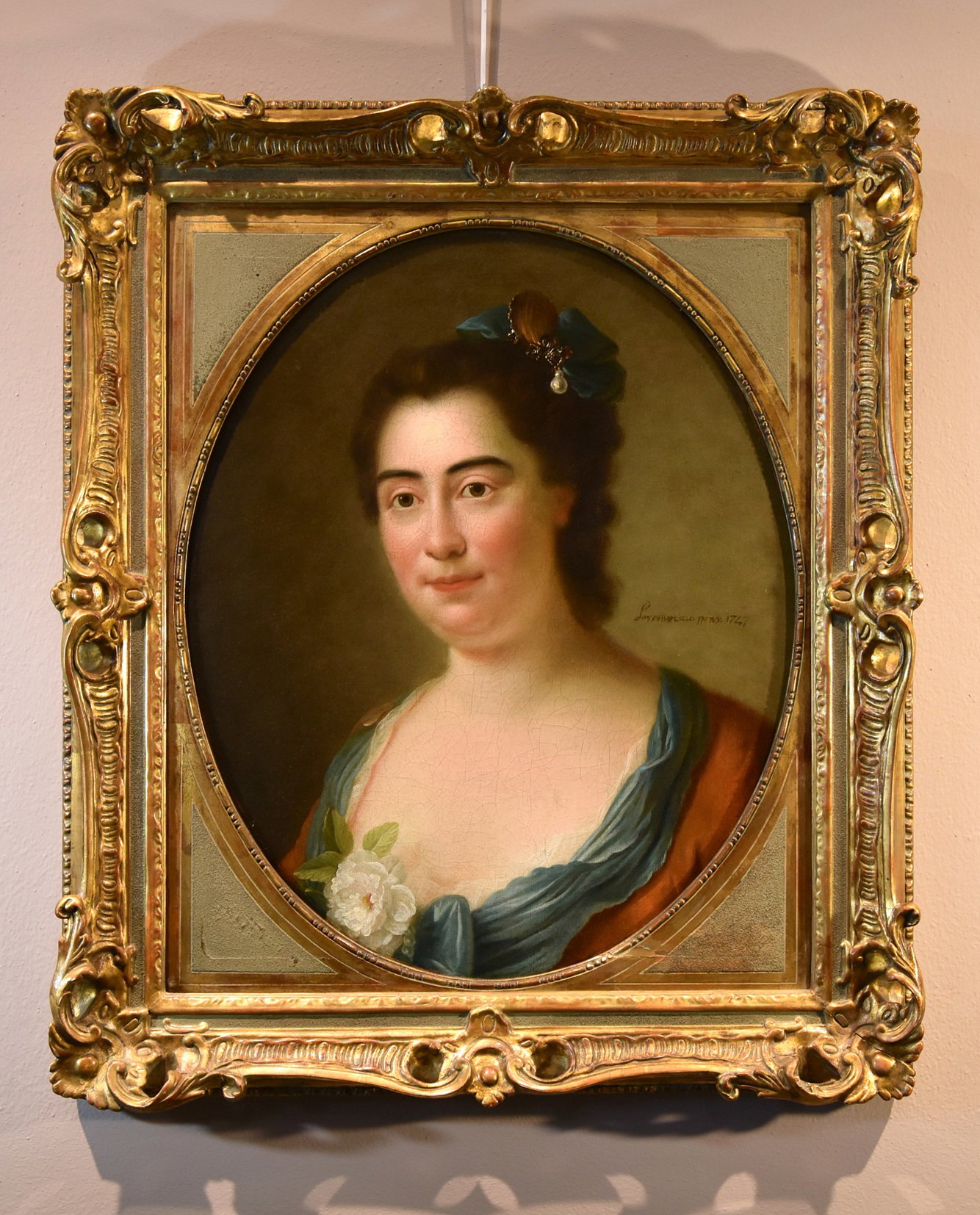
Jean-Baptiste Perroneau (Paris, 1715 – Amsterdam, 1783) Portrait of a Lady
Description:
Jean-Baptiste Perroneau
(Paris, 1715 – Amsterdam, 1783)
Portrait of a Lady
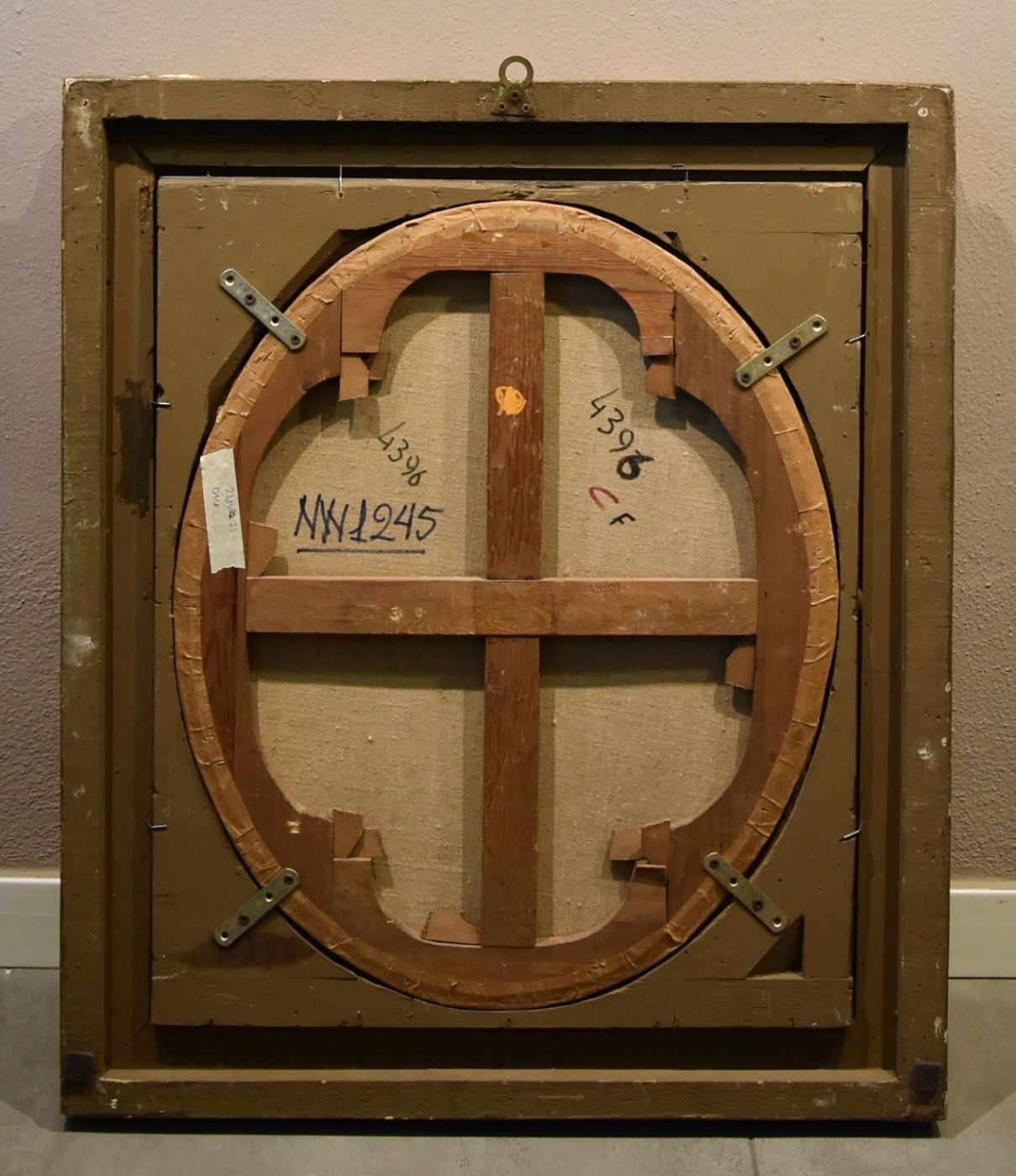
Oil on oval canvas
60 x 50 cm - Framed 77 x 66 cm
Artwork accompanied by expertise: Raffaelle Colace (Cremona), Ferdinando Arisi
Reference bibliography: d'Arnoult, Dominique (2014) Jean-Baptiste Perronneau, c 1715-1783, a portraitist in the Europe of the Enlightenment
Excerpt from Dr. Colace's expertise:
This refined portrait of a lady is a perfect example of the style of Jean-Baptiste Perroneau, a highly talented French painter, whose most beautiful works, just like this one, fall between the fifth and sixth decades of the eighteenth century.
"Perroneaeu est plus naturellement coloriste que La Tour, il est, dans sa peinture de poussière colorée, tout plein de tons clairs, frais, presque humides": this is what the brothers Edmond and Jules de Goncourt write about him, in La Maison d'un Artiste (1880), who recognize in Perroneau's art points of contact with Joshua Reynolds (1723-1792) and, in general, with English portraiture of the second half of the eighteenth century (cfr. D. Wakefield, French, Eighteenth-Century painting, London 1984, pp. 79-80).
Compared to the magniloquence in the presentation of characters and the technical virtuosity of the French ones, Perroneau's portraits are distinguished by a certain sobriety and a less artificial pictorialism, as can be seen in the magnificent Portrait of Daniel Jousse preserved in the Musée des Beaux-Arts in Orléans (Fig. 1) or in that of Madame Chevoter (Fig. 2) of 1751, also in Orléans, made in pastel - a technique that the painter will prefer from the middle of the century (both illustrated in La Pittura francese, edited by Pierre Rosenberg, Milan 1999, II, p. 502, figs. 487, 488).
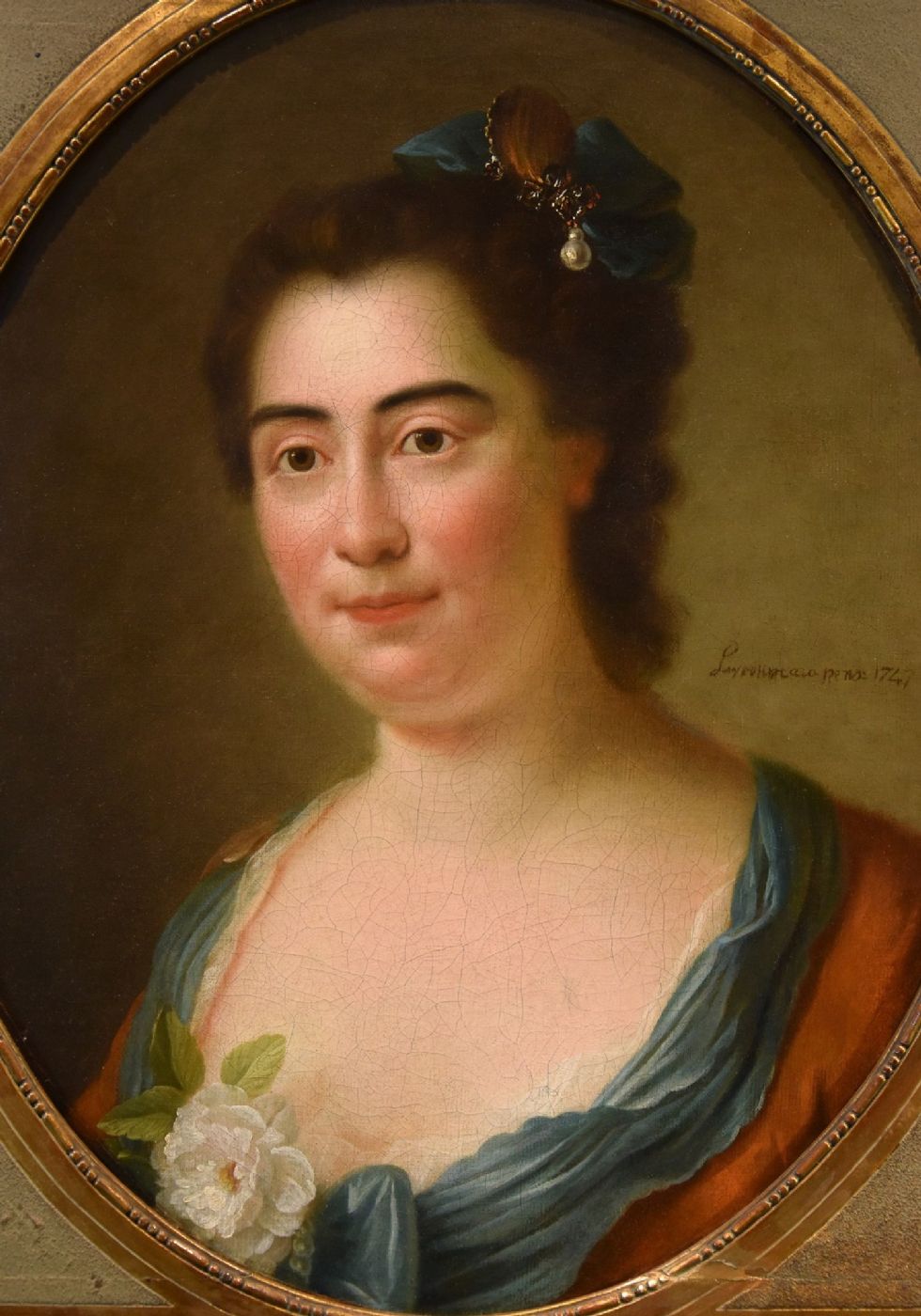
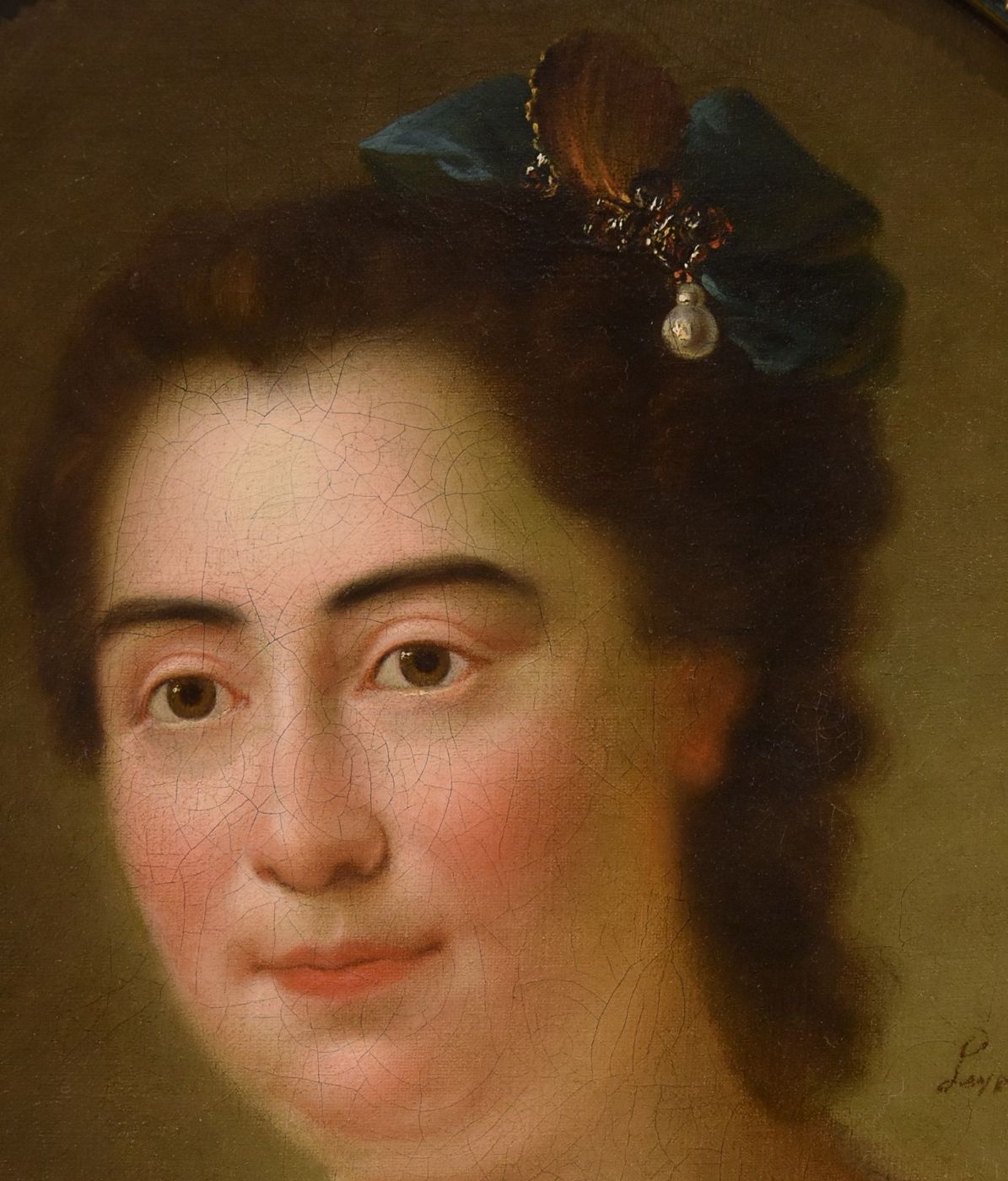
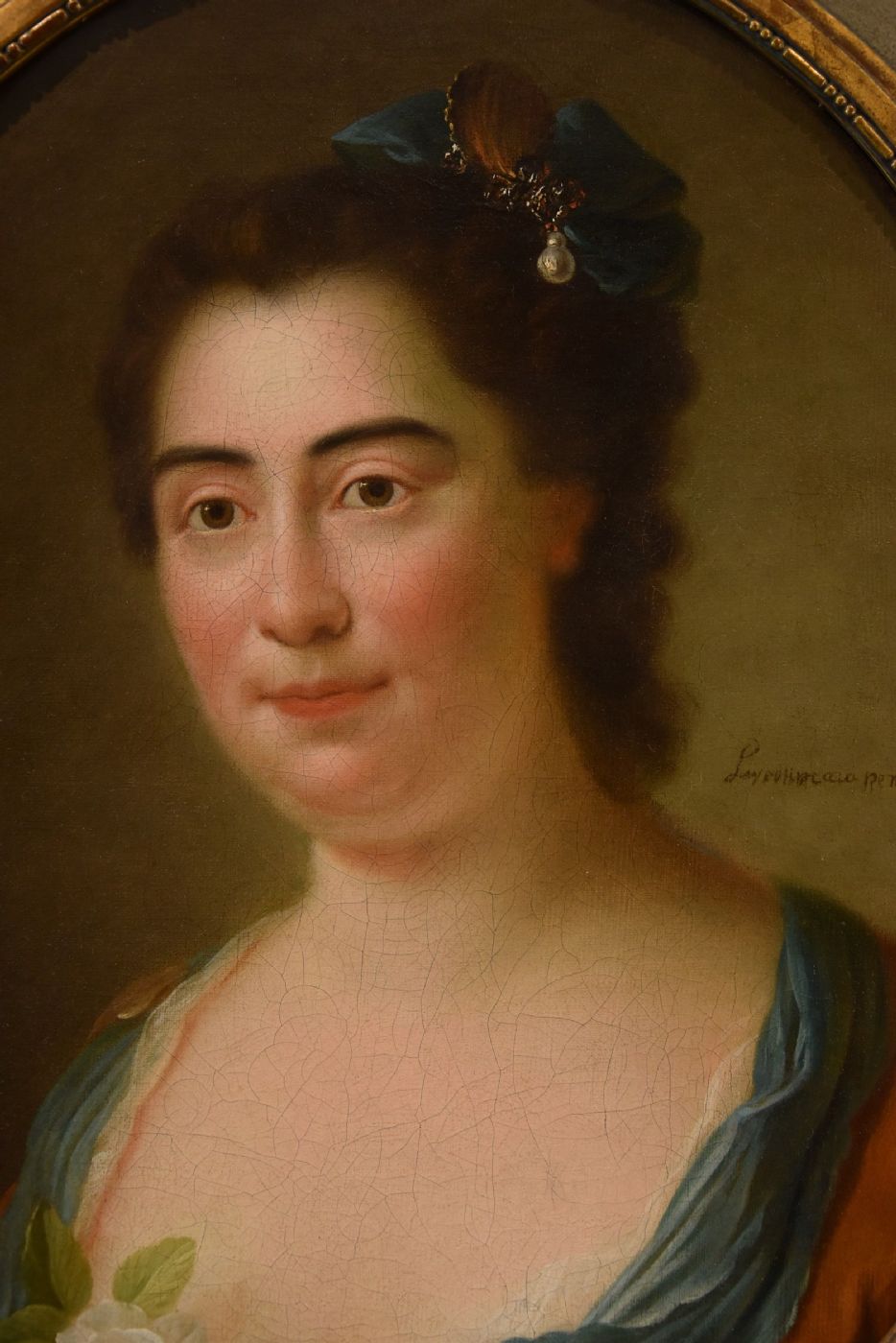
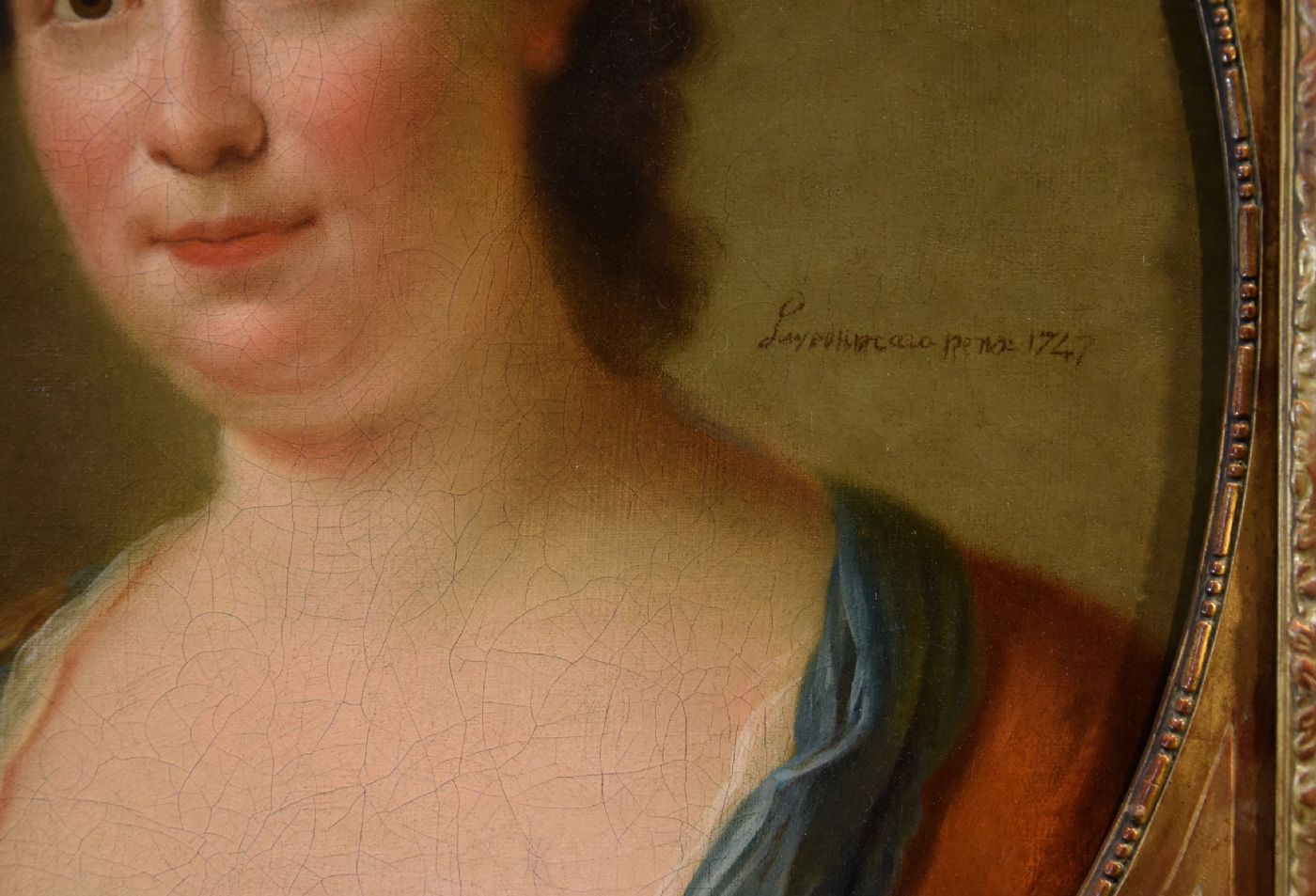
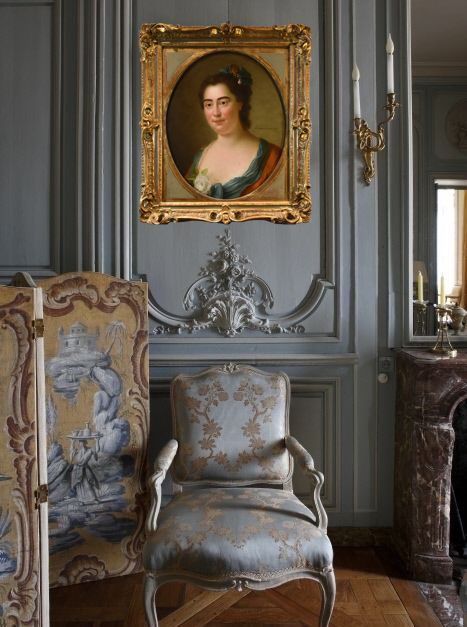
The vague note of melancholy that can be read on Madame Chevotet's face reflects the sentimental and errant character of the painter who almost always endows his subjects with intelligence, sensitivity, and a hint of remoteness in the expression, as the distant gaze of our lady also tells us. As visible in the image, the Lady wears a flower in her hair and a white rose on her chest.
Beyond the rendering of character, the pictorial harmony of the soft colors and the clear light that caresses the rosy face and incides on the pearl of the clasp in the dark hair should be emphasized in this beautiful portrait, which, in its frothy and evanescent rendering, dilutes into the delicately shaded background, while fluid and loose brushstrokes describe the wide neckline of the dress with a white rose in the center.
The colors are those of the 'muted' palette typical of Perroneau, usually played on beige, brown, olive-green, blue, and white tones spread through soft and interrupted brushstrokes on a neutral background with a result of natural delicacy, far from the artificial brightness and pictorial resolution of a Nattier.
It is precisely in the simple and unassuming character that reside the value and charm of the portraits of the French artist, who is not surprised to have dedicated himself, from the middle of the eighteenth century, to the more discreet technique of pastel, in keeping with his feelings.
In addition to the already mentioned one of Madame Chevotet, the beautiful Portrait of a Girl with a Kitten (Fig. 3) from 1743, kept at the National Gallery in London, is also in pastel. Instead, the famous Portrait of Madame de Sorquainville (Fig. 4), in oil, dated 1749, which certainly constitutes one of the greatest achievements of Perroneaut's art, is kept in the Louvre (ill. in Wakefield 1984, op. cit., p. 70, fig. 82). Then we can mention the portrait of Magdaleine Pinceloup de la Grange (Fig. 5), from 1747, now kept at the Getty Museum in Los Angeles.
The painting is sold complete with a pleasant gilded wooden frame and is accompanied by a certificate of authenticity and a descriptive iconographic sheet.
We take care of and organize the transport of purchased works, both for Italy and abroad, through professional and insured carriers.
If you wish to see this or other works in person, we will be happy to welcome you to our new gallery in Riva del Garda, in Viale Giuseppe Canella 18. We are waiting for you!
Contact us for any information or to organize a visit, we will be happy to answer you.
Follow us also on:
INSTAGRAM: https://www.instagram.com/galleriacastelbarco/?hl=it
FACEBOOK: https://www.facebook.com/galleriacastelbarco/