Madonna and Child. SOLD
Description:
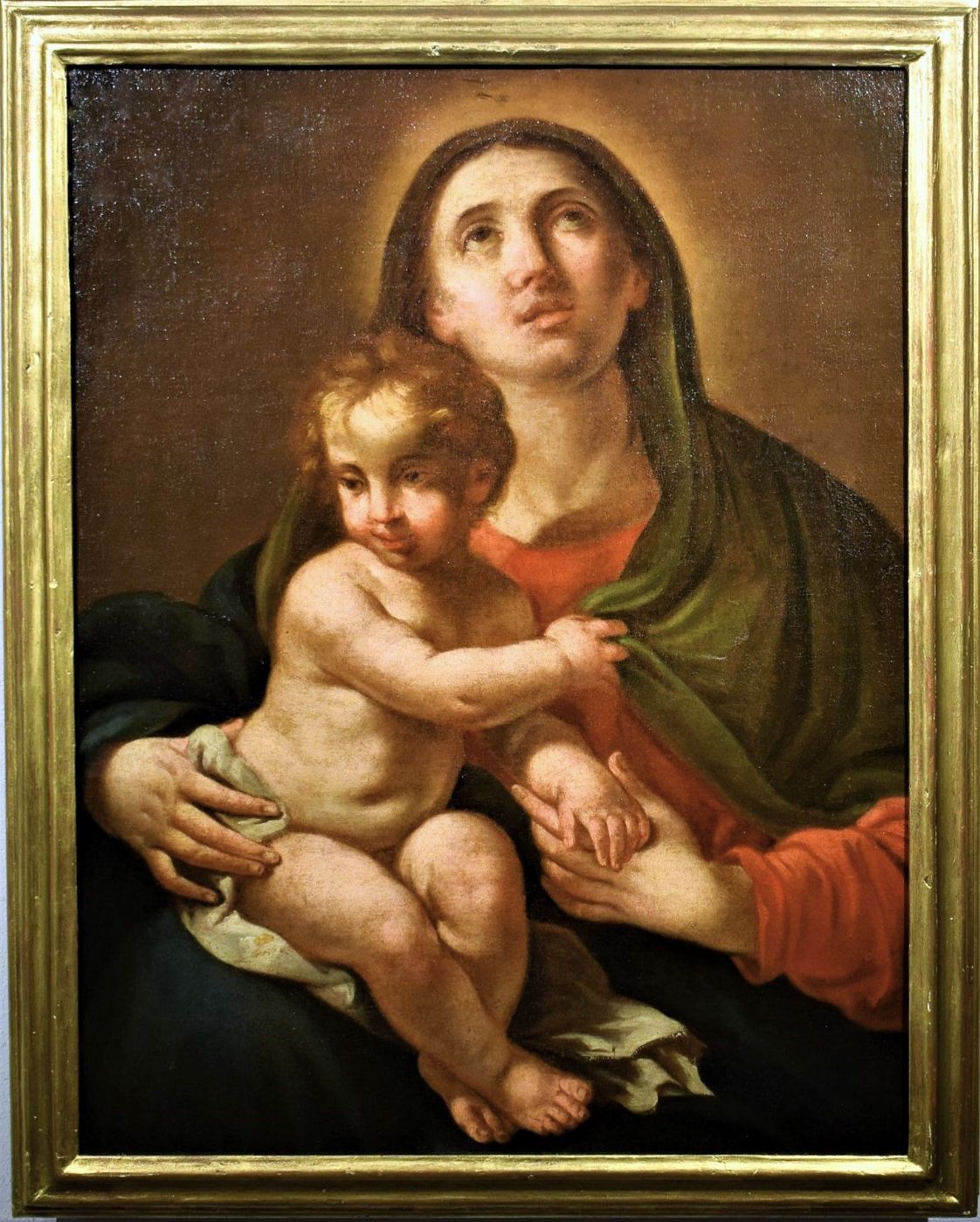
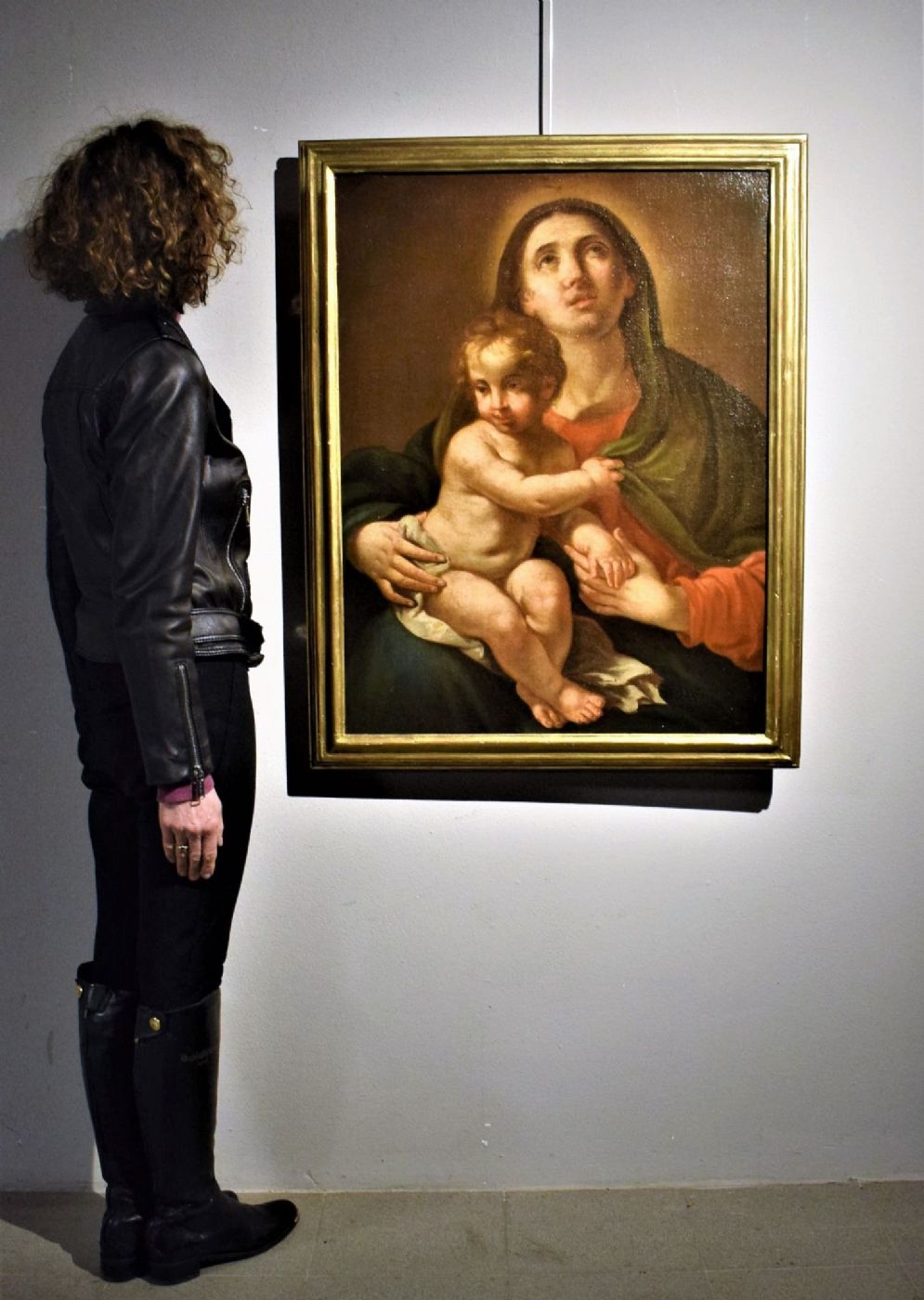
Madonna and Child.
Francesco De Mura (Naples, 1696 – 1782) workshop
Oil on canvas
1st half of the 18th century
Antique gilded frame
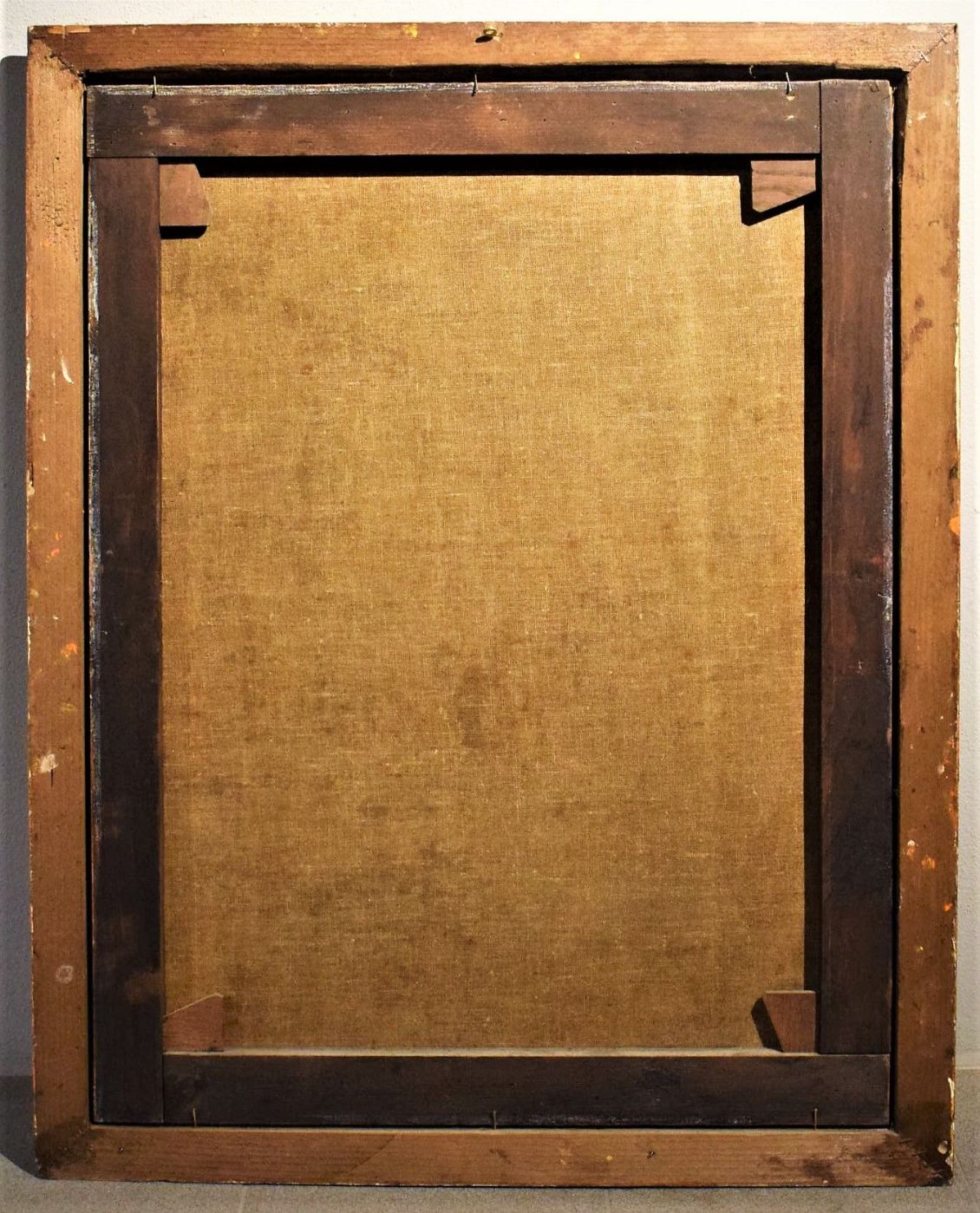
Canvas 66 x 86 cm
Frame 77 x 96 cm
The work is in excellent condition, free from restorations and retouching to the painting.
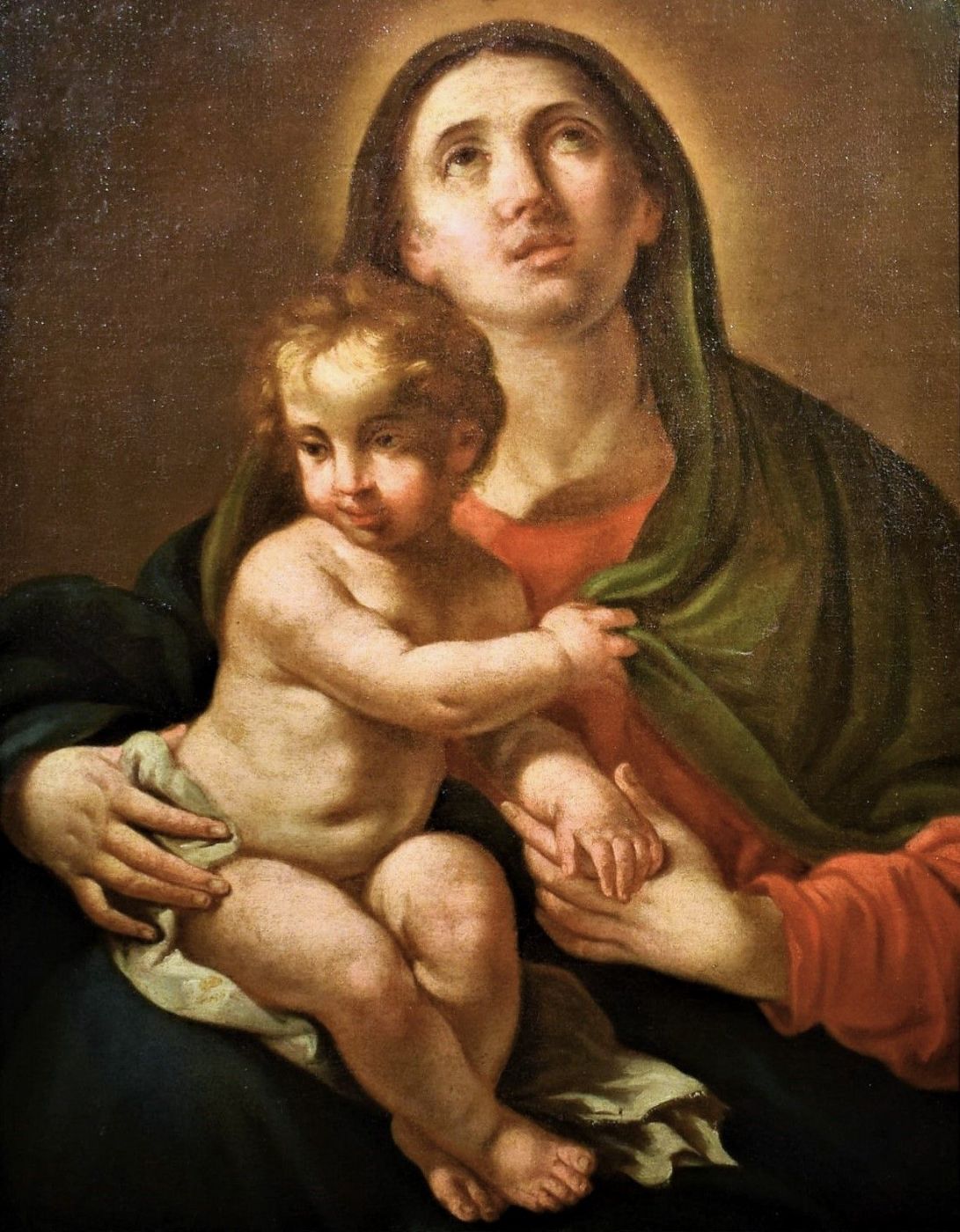
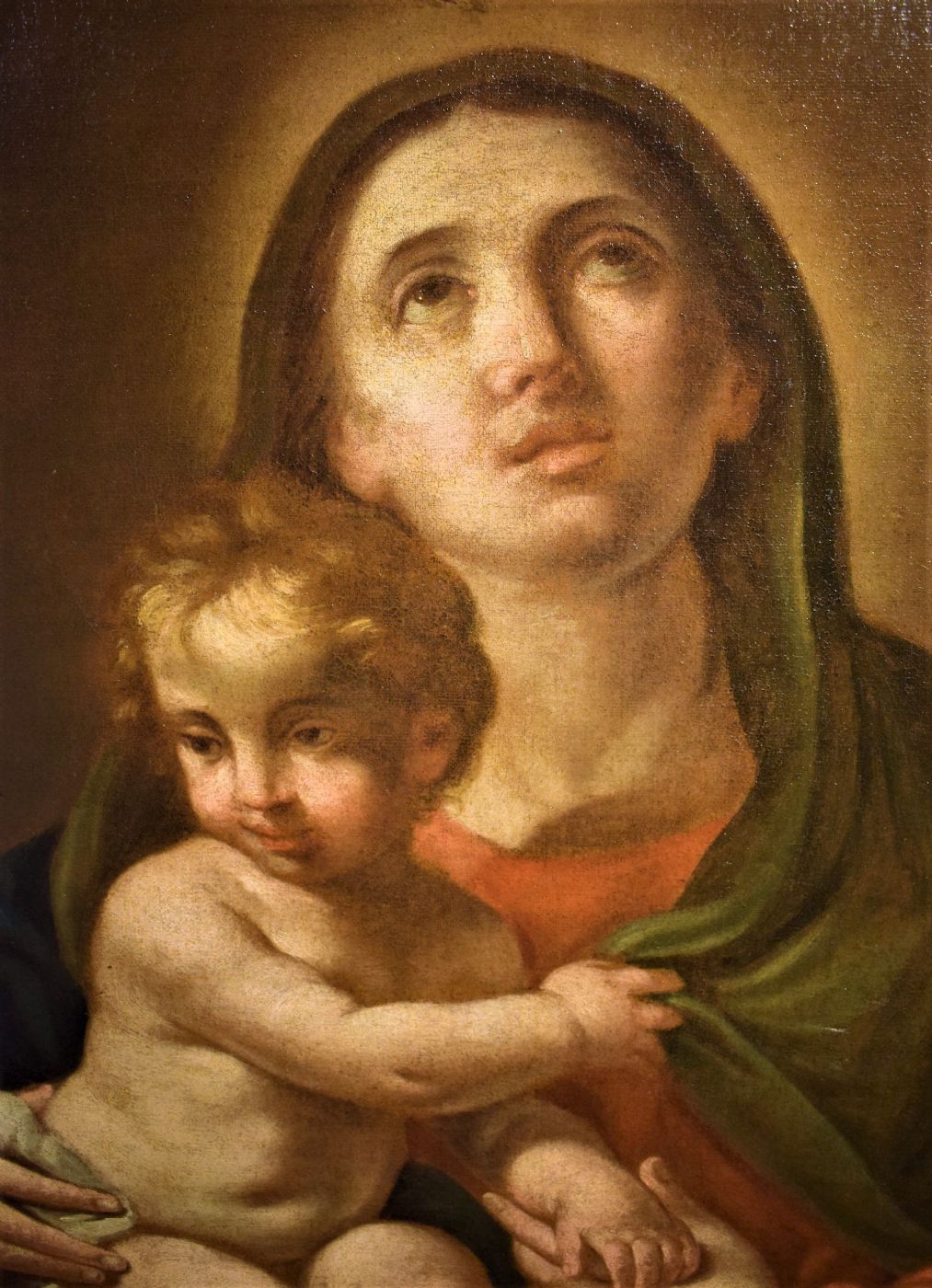
The painting, of remarkable workmanship, depicts the most classic of Marian compositions.
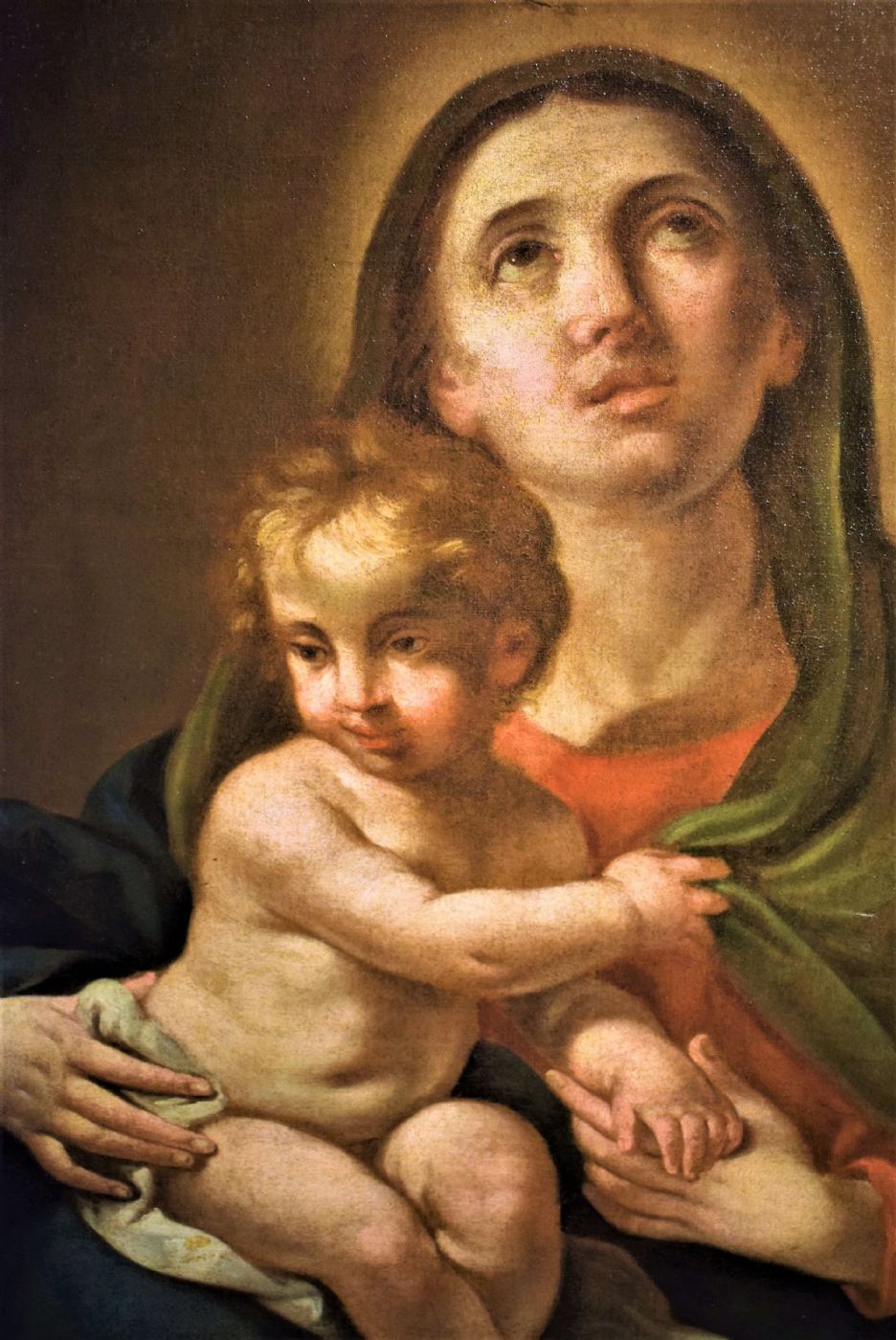
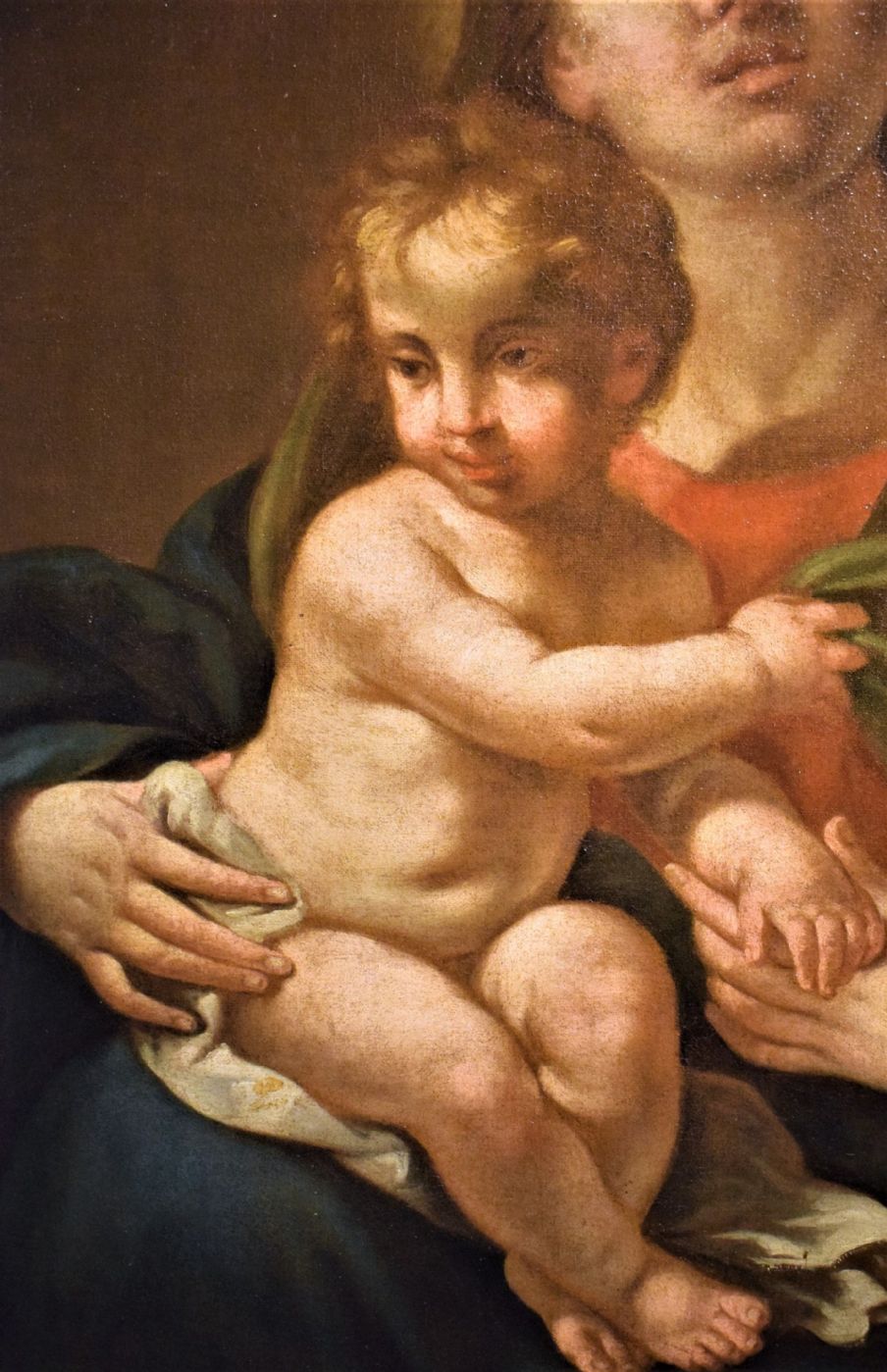
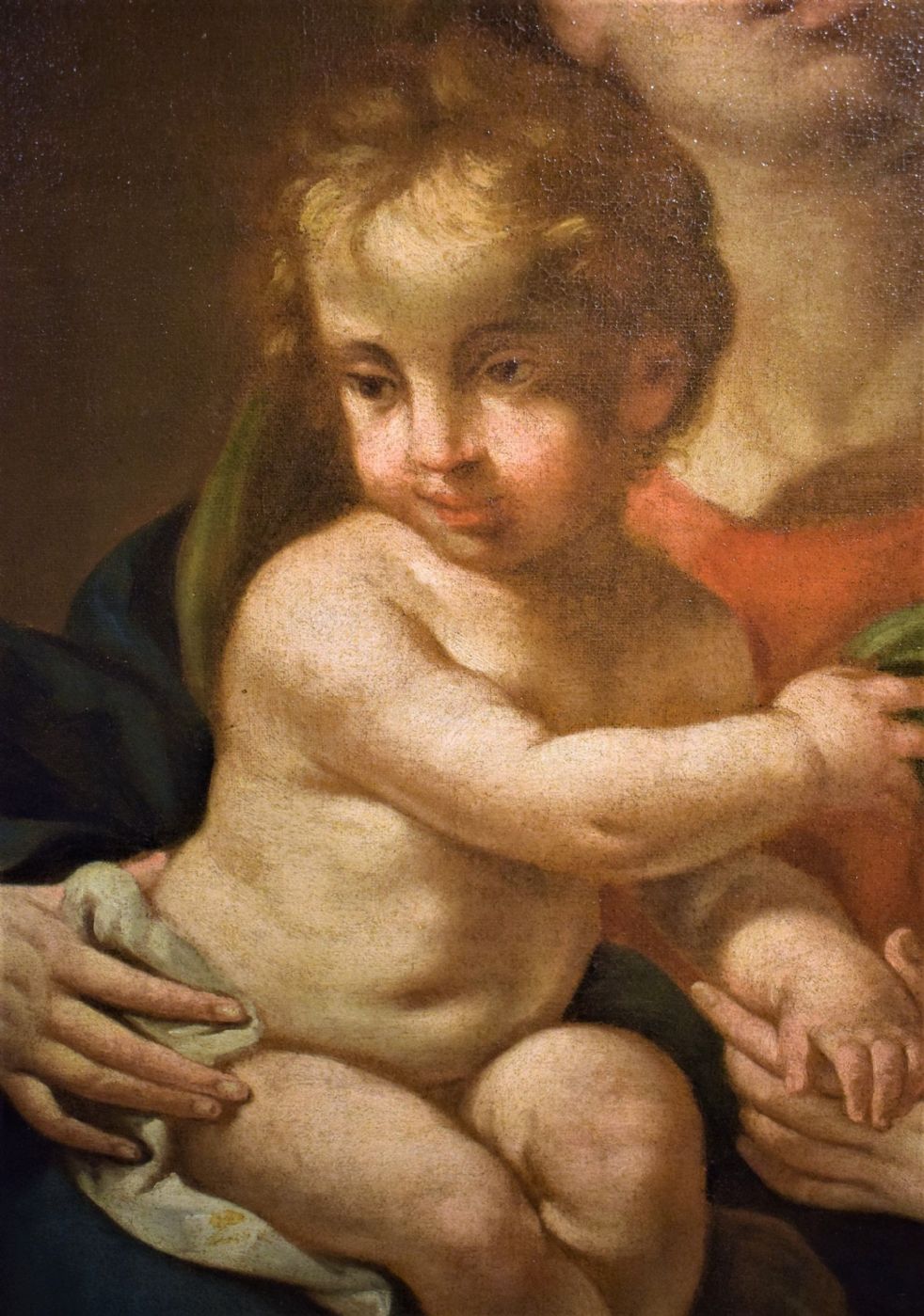
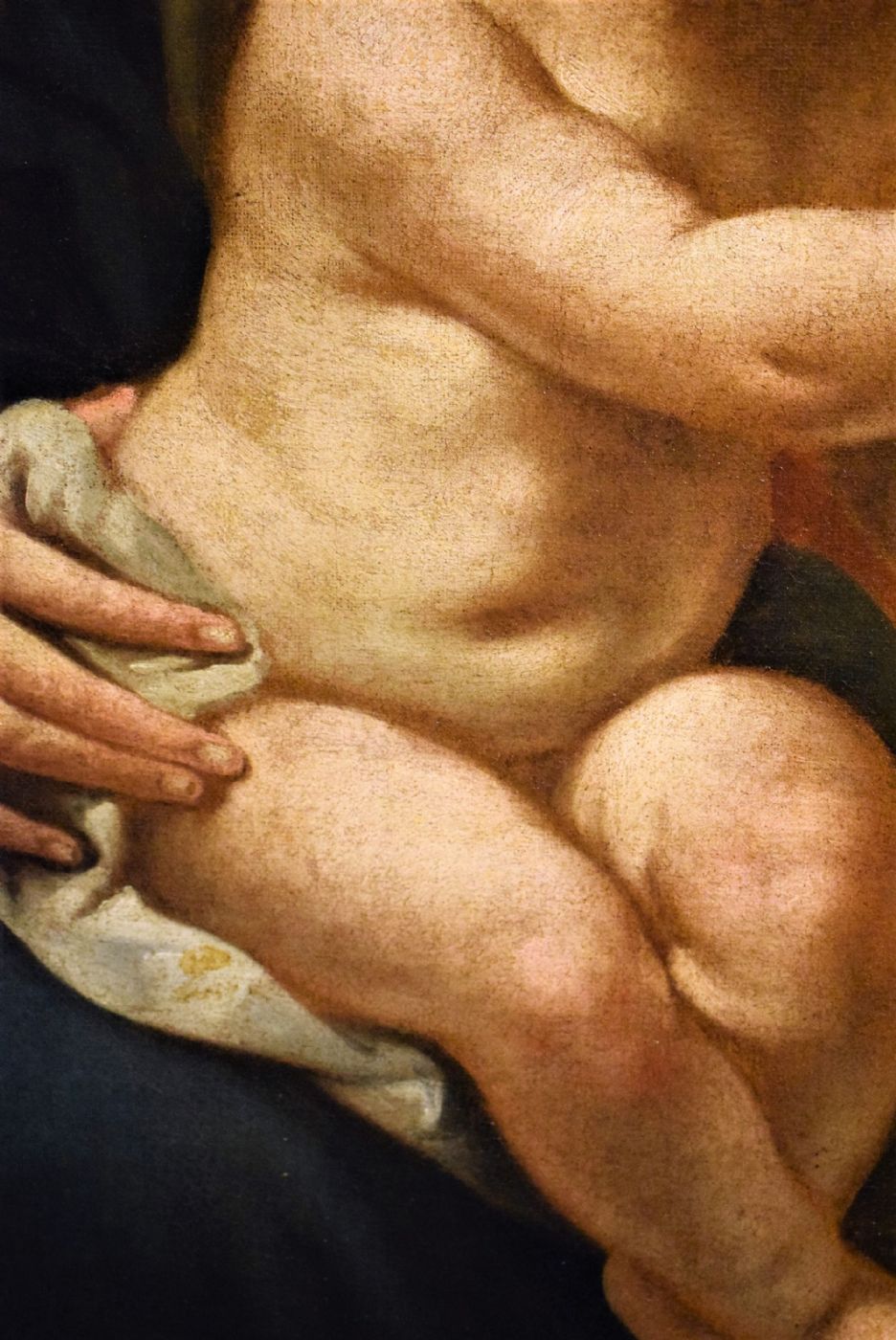
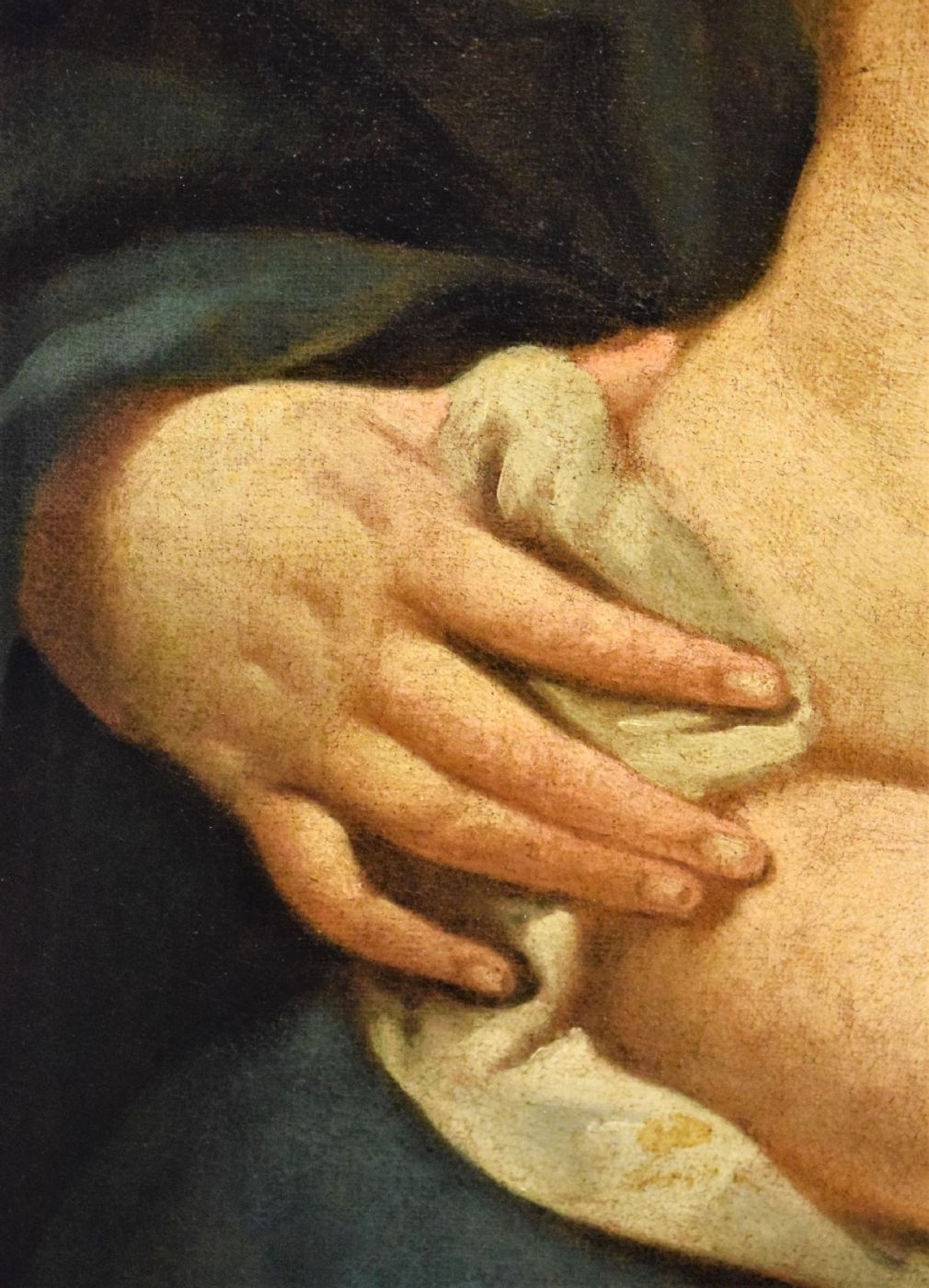
The Virgin delicately supports her own Child with her protective hands. Her eyes are turned towards the sky and express a veiled melancholy. The little Jesus is masterfully portrayed full-bodied, sitting in his Mother's lap with a disenchanted gaze. Noteworthy is the volumetric rendering of his naked body with pictorial virtuosity in describing the small crossed legs and the movements of the protagonists' hands.
All the characteristics of the painting lead us to place it in the most typical late Baroque Neapolitan painting of Francesco De Mura.
The scene is very pleasant, as the work is part of the workshop production of the famous Neapolitan Master to satisfy the great demand for devotional images from private clients.
Thanks also to his artistic longevity, De MURA created a very varied series of Motherhoods with the Virgin as the protagonist, avoiding, like many colleagues, a continuous and repetitive reproduction of the same stereotyped iconography.
Negotiable price and personalized payments
Direct delivery or shipping in a tracked and insured wooden crate.
Further images of the work on the private website
https://www.antichitaischia.it/it/prodotto/-madonna-con-bambino--
BIOGRAPHICAL NOTES
Francesco De Mura (Naples, April 21, 1696 – Naples, August 19, 1782) was an Italian painter of the Neapolitan school; he can undoubtedly be considered a prominent exponent of the Italian Rococo.
A prominent figure of the late Baroque, with his lively chromatism he was an important model for subsequent generations of Neapolitan painters. A favorite pupil of Francesco Solimena, he attended his workshop from 1708, when he entered not yet twelve years old, remaining there until 1730. During this period, he created the first noteworthy works strongly influenced by the style of the master.
From the end of the third decade, he began to develop an autonomous style, evident in the important commission made for the church of Santa Maria Donnaromita, for which he painted eleven canvases between 1727 and 1728, ten Virtues and an Adoration of the Magi.
From 1741 to 1743 he stayed in Turin where he had the opportunity to meet the painter Corrado Giaquinto and the architect Benedetto Alfieri.
Returning to Naples, he was greeted with widespread acclaim to the point of being received at the Spanish court and maintained contacts with various artists active especially in Rome, in particular with the French painter Pierre Subleyras.
With his chromatic technique he influenced the classicism-rococo of the eighteenth-century Neapolitan artistic scene.
The Baroque school, in particular of the masters Francesco Solimena and Luca Giordano, is always evident in his historical, mythological and allegorical works.
Towards the mid-1700s he painted the splendid "Allegory of the Arts" exhibited at the Louvre.
From the death of Solimena (1747), he was considered the most important painter in Naples until his death on August 19, 1782.